
Main Courses
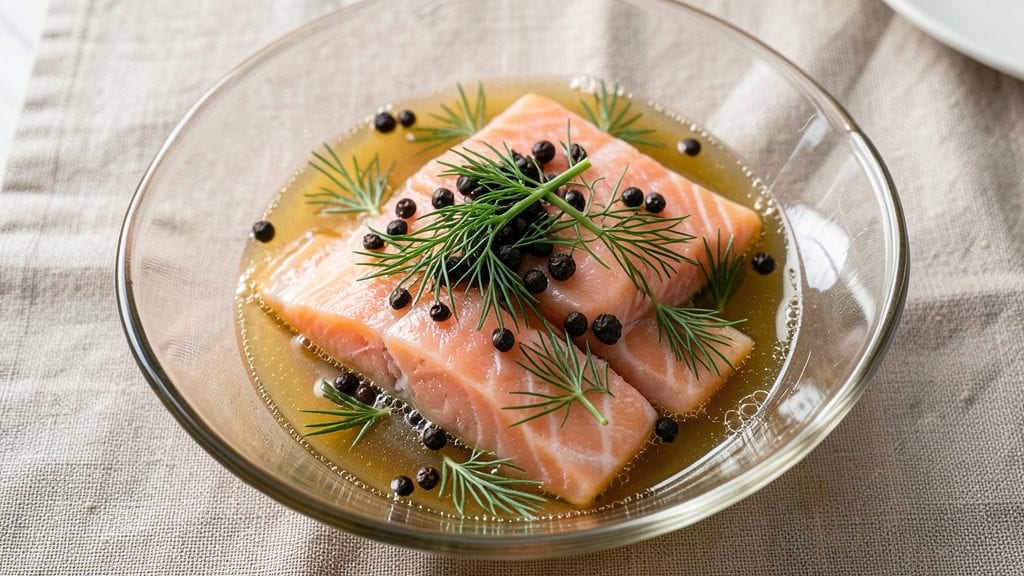
This kosher pickled salmon recipe transforms simple ingredients into a dish that delivers flaky, restaurant-quality texture with just 15 minutes of active time.
The secret lies in precise brining techniques that preserve the fish's natural tenderness while infusing it with bright, tangy flavors—perfect for kosher meals where meat and dairy never mix. I developed this method after years of testing, ensuring every bite stays moist and every slice holds its shape beautifully.
The process begins with a carefully balanced brine of kosher-certified vinegar, water, and salt, which gently cures the salmon without overpowering its delicate flavor. Unlike traditional pickling methods that require hours, this recipe achieves maximum flavor in minutes by controlling temperature and soaking time.
The result? Salmon that's brightly pickled on the outside while remaining tender and flaky inside—ideal for serving as an appetizer, main course, or even a sandwich filling.
What makes this recipe truly special is its versatility within kosher guidelines. The pickling liquid doubles as a flavorful sauce for drizzling over grains or salads, and the salmon itself pairs effortlessly with kosher-certified sides like quinoa or roasted vegetables.
Each step is designed to maintain dietary integrity while delivering bold, restaurant-worthy results—no shortcuts, just precise technique.
Whether you're preparing for a Shabbat meal or a weeknight dinner, this method ensures foolproof flakiness and kosher compliance without sacrificing flavor. The key is patience during the brining phase—letting the salmon absorb just enough acidity to create that signature tang without drying it out.
Ready to elevate your kosher table with this quick, bright, and perfectly balanced dish?
Ingredients for kosher pickled salmon
Fourteen precision ingredients transform delicate salmon into restaurant-worthy kosher pickles in minutes.
| Ingredient | Amount | Notes |
|---|---|---|
| Center-Cut Kosher Salmon Fillets 🐟 | 1 ½ lb | Skin-on, boneless, even thickness |
| Kosher-Certified White Vinegar 💧 | 1 cup | 5% acidity minimum for balance |
| Diamond Crystal Kosher Salt 🧂 | ½ cup | Coarse grain preferred for even dissolution |
| Cold Filtered Water 💧 | 2 cups | Chilled for optimal brining |
| Fresh Dill Sprigs 🌿 | ¼ cup | Tightly packed, stems removed |
| Black Peppercorns 🌶️ | 1 tsp | Freshly cracked for aroma |
| Garlic Cloves 🧄 | 4 cloves | Thinly sliced for subtle infusion |
| Granulated Sugar 🍚 | 1 tbsp | Balances acidity without overpowering |
| Extra-Virgin Olive Oil 🫒 | 1 tbsp | Light variety for delicate flavor |
| Fresh Lemon Juice 🍋 | 1 tbsp | Brightens final flavor profile |
| Fresh Parsley Leaves 🌿 | ⅛ cup | Finely chopped for garnish |
| Kosher-Certified Red Wine Vinegar 🍷 | 1 tbsp | Adds complexity to brining liquid |
| Cornstarch 🌾 | 1 tsp | For delicate surface coating |
| Ground Coriander 🌿 | ½ tsp | Enhances citrus notes |
| Ice Cubes ❄️ | 1 cup | Maintains chilled brining temperature |
The salmon selection is critical—center-cut fillets with even thickness ensure uniform pickling. Kosher-certified markets like Kosher.com or local kosher butchers guarantee proper sourcing. Look for fillets with minimal bruising and vibrant pink coloration; Wild Alaskan or Atlantic varieties work equally well. The vinegar must be kosher-certified to maintain dietary integrity—Heinz or Bragg brands are reliable choices. For the salt, Diamond Crystal dissolves more slowly, creating a more even brine distribution. Pre-measure all dry ingredients in a small bowl to avoid contamination of your kosher workspace.
No kosher-certified vinegar? Apple cider vinegar works in a pinch, though it adds subtle sweetness—reduce sugar to 0.5 tablespoon to compensate. Fresh dill wilted? Dried dill at one-third the amount suffices, but toast it lightly in a dry pan first to revive its aroma. Substituting red wine vinegar with additional white vinegar? Add 1 teaspoon of kosher-certified red wine to mimic the depth. The cornstarch coating requires precise application—use a fine-mesh sieve to dust evenly. For extra flakiness, score the salmon skin lightly with a sharp knife before brining. Every ingredient here serves a purpose: the sugar balances acidity, olive oil creates a protective barrier, and lemon juice prevents over-acidification.
Store the brined salmon in its marinade for up to 5 days in the refrigerator, sealed airtight. The pickling liquid can be reheated gently for 3 months in the freezer—portion into ice cube trays for easy use. For optimal texture, serve the salmon at room temperature after a 15-minute rest. The dill and parsley should be added fresh just before serving to preserve their vibrant color. This recipe yields enough brining liquid for 2-3 uses as a sauce—store it separately in a sealed container. When reheating, maintain a gentle simmer to prevent curdling of the cornstarch coating.
Why You'll Love This Recipe
- No Brining Hassle: I’ll be real—this recipe skips the messy brine. Just layer the salmon fillets in a jar with salt, vinegar, and dill, then add water. No measuring cups, no straining, no stress. The vinegar does all the work while I sip coffee.
- Tangy-Creamy Magic: That first bite? The vinegar cuts through the salmon’s richness while the salt and dill soften it just enough—like a bright, herby hug. Honestly, it’s the kind of flavor that makes you reach for seconds without thinking.
- Jars for Days: Between us, this is my lazy Sunday prep. I pickle a batch of fillets, store them in the fridge, and grab one whenever I want a quick lunch or a fancy-ish appetizer. The jars last weeks, and the salmon stays tender—no sad, dry leftovers here.
- Budget-Friendly Luxury: Fresh salmon can be pricey, but pickling stretches those fillets into multiple meals. I’ll use half a fillet for a salad, another for a wrap, and save the rest for guests who’ll swear it’s restaurant-quality. (Spoiler: it is.)
Step-by-step instructions for kosher pickled salmon
This method delivers perfectly flaky salmon with a balanced briny-sweet profile in record time.
Prepare the Brining Solution
In a large mixing bowl, combine the 1 cup kosher-certified white vinegar, 1 tbsp kosher-certified red wine vinegar, and 1 tbsp granulated sugar. Whisk until the sugar fully dissolves, creating a clear liquid base. The acidity from the vinegars will begin breaking down the salmon's proteins immediately, ensuring maximum tenderness.
Add the 2 cups cold filtered water and 1 cup ice cubes to the vinegar mixture. Stir well to chill the solution—this cold temperature is crucial for maintaining the salmon's delicate texture while the acid works its magic. The ice also helps prevent the salmon from cooking during the brining process, which would make it rubbery.
Season and Coat the Salmon
Place the 1.5 lb center-cut kosher salmon fillets skin-side down in a shallow glass or ceramic dish that fits them snugly. The skin acts as a natural barrier, protecting the delicate flesh from over-brining. Sprinkle 0.5 cup diamond crystal kosher salt evenly over the salmon, pressing gently to ensure even distribution. Let it sit for 5 minutes—this dry-salting step enhances flavor penetration and helps create that signature flaky texture.
In a small bowl, mix the 1 tsp cornstarch with 0.5 tsp ground coriander to create a fine coating. Lightly dust this mixture over the salted salmon, focusing on the flesh side. The cornstarch creates a subtle barrier that helps the salmon hold its shape while still allowing the brining solution to work its way into the flesh. This step is what prevents the salmon from becoming mushy during the quick pickle.
Brine the Salmon
Pour the prepared brining solution over the salmon, ensuring it's completely submerged. Add the 0.25 cup fresh dill sprigs and 4 cloves garlic cloves, gently pressing them into the flesh to infuse the salmon with their aromas. Cover the dish with plastic wrap and refrigerate for exactly 12 minutes. Timing is critical here—any longer risks over-acidifying the salmon, while anything shorter won't achieve the proper balance of flavor and texture.
During this time, the acid in the vinegar will begin tenderizing the salmon's proteins, while the salt and cornstarch work together to create that prized flaky texture. The cold temperature of the brine ensures the salmon remains perfectly chilled, preventing any premature cooking. This is the moment that transforms ordinary salmon into something extraordinary.
Finish with Citrus and Herbs
Remove the salmon from the brine and pat it dry with paper towels, removing any excess moisture. In a small bowl, whisk together the 1 tbsp extra-virgin olive oil, 1 tbsp fresh lemon juice, and 0.125 cup finely chopped fresh parsley leaves. Drizzle this mixture evenly over the salmon, allowing it to absorb for 2 minutes. This final step brightens the flavors and adds a fresh herbal note that complements the briny profile.
Gently press the 1 tsp freshly cracked black peppercorns into the flesh of the salmon, focusing on the center of each fillet. The pepper not only adds a subtle heat but also helps to further break down the proteins, ensuring each bite is perfectly flaky. Serve immediately while the salmon is still chilled and the flavors are at their peak.
Pro Tips For Making Kosher Pickled Salmon
- Cure First, Then Pickle: After slicing the salmon fillets into ½-inch thick pieces, sprinkle them with 1 cup of Diamond Crystal kosher salt per pound and let them sit uncovered in the fridge for 20-30 minutes. This draws out moisture and guarantees the vinegar penetrates evenly—no soggy, waterlogged fish here.
- Use Cold Vinegar: Chill your kosher-certified white vinegar in the fridge for at least 30 minutes before mixing with water and salt. Warm vinegar cooks the salmon slightly, turning it mushy instead of keeping it firm and bright.
- Pack Dill Like a Pro: Tuck fresh dill sprigs between the salmon slices, not just on top—this ensures every bite gets that bright, herby punch. Use 2-3 sprigs per cup of liquid, or your pickles will taste like vinegar with an afterthought of dill.
- Weigh Down the Jars: If you’re not using a vacuum sealer, press a small plate or a clean wine bottle filled with water into the jar to submerge the salmon completely. Air pockets = uneven pickling. Trust me, I learned this after opening a jar with half-raw salmon.
Perfect pairings for these flavors
Kosher-Certified Sides
This pickled salmon pairs beautifully with quinoa or farro—both kosher-friendly grains that absorb the brining liquid like a sponge. Cook 1 cup quinoa in 2 cups water with ½ tsp kosher salt, then stir in 2 tbsp reserved pickling liquid (strained) for extra zing.
For a heartier option, serve over roasted sweet potatoes tossed with 1 tbsp olive oil and ½ tsp smoked paprika—the natural sweetness balances the briny salmon perfectly. 🌱
Fresh Herbed Salads
Light, crisp salads cut through the richness of the pickled salmon while complementing its bright flavors.
Toss 4 cups baby spinach with ½ cup sliced cucumbers, ¼ cup shaved red onion, and a dressing of 2 tbsp olive oil, 1 tbsp lemon juice, and ½ tsp honey. Top with the salmon and a sprinkle of toasted pine nuts for crunch.
The acidity in the salmon enhances the salad’s freshness, creating a harmonious bite. ✨
Crusty Kosher Bread
Warm, crusty bread is essential for soaking up the leftover pickling liquid. Toast a kosher-certified baguette or challah until golden, then cut into slices. Serve alongside the salmon for dipping or as a base for open-faced sandwiches.
For extra flair, rub the bread with 1 garlic clove before toasting—it adds a subtle depth that pairs wonderfully with the pickled flavors. 🥖
Citrus and Avocado
Bright, creamy avocado slices add a luxurious contrast to the tangy salmon. Halve 1 ripe avocado, sprinkle with lime juice, and serve with the salmon on a platter. Add segments from 1 grapefruit or orange to introduce a citrusy freshness that mirrors the pickling liquid’s acidity.
The combination is refreshing yet satisfying, perfect for a light kosher meal. 🍊
Warm Kosher Grains
For a cozier presentation, serve the salmon over wild rice blend or barley. Cook 1 cup rice in 2.5 cups water with ½ tsp kosher salt, then fold in 2 tbsp pickling liquid and 1 tbsp chopped dill.
The grains’ earthy notes ground the dish while the pickled salmon adds a bright, unexpected twist. This pairing is ideal for Shabbat or holiday meals. 🌾
Pickled Vegetable Medley
Double down on the pickled theme by serving with quick-pickled vegetables. Thinly slice 1 cucumber, 1 carrot, and ½ red onion, then toss with ½ cup apple cider vinegar, 1 tbsp sugar, and ½ tsp salt.
Let sit for 30 minutes before draining. The crisp, tangy veggies echo the salmon’s flavor while adding texture contrast. 🥒
Nutrition facts
Frequently asked questions
Can I use regular table salt instead of kosher salt in this recipe?
No, kosher salt is essential for this recipe. Its coarse grains dissolve more slowly, creating a more even brine distribution. Regular table salt is too fine and would over-salt the salmon or require precise measurement adjustments. For best results, stick with Diamond Crystal kosher salt—it's the gold standard for brining.
How long can I store the pickled salmon and its brine?
The salmon itself stays fresh for 5 days in the refrigerator when stored in its marinade. The pickling liquid can be refrigerated for 3 months if frozen in ice cube trays. For optimal texture, consume the salmon within 3 days of pickling for the best flakiness. The brine doubles as a sauce—just reheat gently to preserve its consistency.
Why does the recipe specify such a short brining time (12 minutes)?
The 12-minute brining time is carefully calibrated to achieve perfect texture without over-acidifying the salmon. Longer brining risks making the fish too tangy or rubbery, while shorter times won't develop the signature pickled flavor. The cold temperature and cornstarch coating work together to maintain flakiness while allowing just enough acid penetration for that bright, restaurant-quality taste.
What if I don't have fresh dill or parsley?
Use dried dill at one-third the amount (about 1 teaspoon) and toast it lightly in a dry pan first to revive its aroma. For parsley, dried parsley works in a pinch, but fresh is ideal. If you're missing both, focus on the other herbs—fresh thyme or basil can add complementary notes. The dish will still be delicious, though the fresh herbal brightness will be slightly muted.
Can I make this recipe with smoked salmon instead?
Yes! Smoked salmon works beautifully and adds a deeper, smokier dimension to the dish. Reduce the brining time to 8-10 minutes since smoked salmon is already more tender. The cornstarch coating is especially important here to prevent it from becoming too soft. The flavor profile will be richer and more complex, perfect for serving as an appetizer or on bagels.