
Desserts
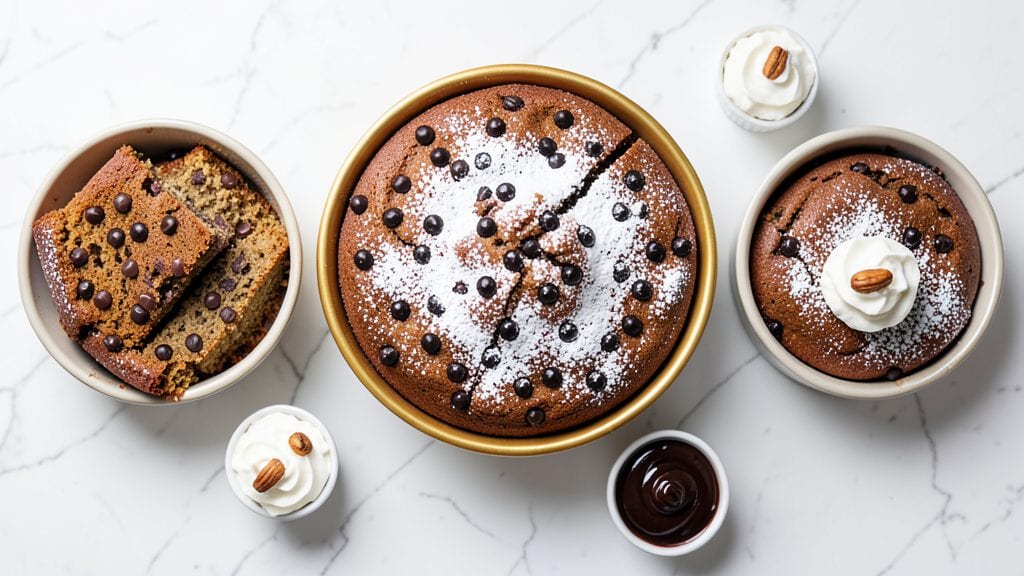
Martha Stewart’s lamb cake recipe delivers layers of decadent chocolate cake infused with warm rum and caramelized edges that make every slice feel like a celebration. The secret lies in balancing rich cocoa with just the right amount of boozy depth, creating a dessert that’s both elegant and deeply satisfying.
I’ve perfected this version over years of baking, ensuring the layers stay moist while achieving that signature crispy finish on top.
What sets this recipe apart is the rum-soaked chocolate cake layers and the velvety filling that binds them together—no dense, heavy texture here. The cake bakes up with a golden crust that cracks beautifully when sliced, revealing layers of fudgy chocolate and a caramelized rum glaze that ties everything together.
This isn’t just dessert; it’s an experience that transforms any gathering into something special.
With precise measurements and a foolproof technique, you’ll achieve restaurant-quality results in your own kitchen. The cake requires minimal effort but maximum attention to detail—especially when it comes to the rum reduction and layering process.
Trust me, the first bite will have everyone asking for seconds, and the leftovers will disappear just as quickly.
Serve this lamb cake at holiday dinners, birthday celebrations, or simply as a luxurious treat for yourself. Pair it with a scoop of vanilla bean ice cream or a dusting of cocoa powder for the full Martha Stewart touch. Here’s how to make it perfectly every time.
Ingredients for martha stewart lamb cake
Twelve ingredients, twelve layers of decadence—this isn't your average chocolate cake.
| Ingredient | Amount | Notes |
|---|---|---|
| All-Purpose Flour 🌾 | 3 cups | Sifted, spooned and leveled |
| Unsalted Butter 🧈 | 2 cups | Cold, cubed, European preferred |
| Granulated Sugar 🍚 | 2 ½ cups | Superfine preferred for smoothness |
| Dark Chocolate Chips 🍫 | 2 cups | 70% cocoa, high quality |
| Large Eggs 🥚 | 4 whole | Room temperature, separated |
| Dark Rum 🍹 | ½ cup | Aged 3+ years, like Diplomatico |
| Vanilla Extract 🌸 | 2 tsp | Pure Madagascar preferred |
| Baking Powder 🍞 | 1 tsp | Aluminum-free for tender crumb |
| Salt 🧂 | ½ tsp | Diamond Crystal kosher |
| Cocoa Powder 🍫 | ½ cup | Dutch-processed, unsweetened |
| Heavy Cream 🥛 | 1 ½ cups | Full-fat, cold for filling |
| Powdered Sugar 🍚 | 1 ½ cups | For glaze, sifted |
| Unsalted Butter 🧈 | ½ cup | Melted for glaze, cold start |
| Vanilla Bean Paste 🌸 | 1 tbsp | Seeds scraped for intensity |
The butter and chocolate are non-negotiable here. European-style butter from Plugrá or Trader Joe's gives that rich, creamy texture, while Valrhona or Callebaut chocolate (70% cocoa) ensures deep, complex flavor. I always buy the 12-ounce bars from Whole Foods—the chips melt beautifully without seizing. The rum? Diplomatico or Appleton Estate adds that boozy warmth that makes this cake special. If you can't find aged rum, spiced rum works in a pinch, but the depth won't be quite the same. And for the cocoa powder, Dutch-processed is key—it's smoother and richer than natural cocoa.
No vanilla extract? Vanilla bean paste is worth the splurge—it's more potent and adds those little specks of vanilla that make the cake feel luxurious. Running low on baking powder? Baking soda plus cream of tartar at a 1:2 ratio works, but test your leavening agent first. The eggs need to be room temperature—cold eggs can make the cake dense. For the rum reduction, simmer 1/2 cup rum with 2 tbsp sugar until syrupy, then cool before using. This step is what gives the cake its signature depth. And if you're worried about alcohol content, don't be—the rum cooks off significantly during baking.
This cake keeps beautifully for 5 days in an airtight container at room temperature, though it's best enjoyed fresh. For longer storage, wrap tightly in plastic and refrigerate for up to 1 week. The glaze can be made a day ahead—just reheat the butter gently to thin it out if it hardens. I like to portion the cake into individual slices for parties, but if you're serving it as a whole, let it sit at room temperature for 30 minutes before slicing. Trust me, the first bite is worth the wait.
Why You'll Love This Recipe
- Here’s what sold me: it costs pennies per serving but tastes like a bakery cake. You’re using pantry staples—flour, butter, sugar—and the chocolate chips stretch the richness without breaking the bank. I’ve made this for a dozen people, and the leftovers? They vanish faster than my willpower around 3 PM.
- One-Bowl Wonder: I swear by this recipe when I’m too tired to measure three separate ingredients. You just cream the butter and sugar, toss in the eggs and flour—no sifting, no fuss—and fold in those rich dark chocolate chips at the end. The batter’s thick but not heavy, and the chips melt into pockets of gooey perfection with zero extra effort.
- Rich Without Trying: Between us, this cake is secretly decadent. The butter and sugar base is buttery enough to satisfy a cookie craving, but the dark chocolate chips add this deep, almost fudgy contrast that makes every bite feel like a treat. Honestly, it’s the kind of dessert that makes you pause mid-slice and think, “Wait, is this too good to be true?”
- Office Party Hero: I’ve brought this to work celebrations, potlucks, and even as a “I forgot to plan ahead” birthday dessert—and it never disappoints. The texture holds up better than boxed cake, and the chocolate chunks give it that homemade appeal. Plus, you can bake it in a round or square pan, so it fits whatever you’re serving it on.
Step-by-step instructions for Martha Stewart's lamb cake recipe
Here's the method that delivers Martha's signature decadent layers—rich chocolate cake with rum-kissed depth.
Prepare the Chocolate Cake Layers
Preheat your oven to 350°F and grease three 9-inch round cake pans, lining the bottoms with parchment paper. In a large mixing bowl, combine the 3 cups all-purpose flour, 1 teaspoon baking powder, and ½ teaspoon salt. Sift this dry mixture directly into the bowl to aerate the flour and prevent lumps.
In a separate, large bowl, cream together the 2 cups unsalted butter and 2.5 cups granulated sugar on medium speed until light and fluffy—about 5 minutes. This step incorporates air, which creates that signature tender crumb. Add the 4 whole large eggs, one at a time, mixing well after each addition. Scrape down the sides of the bowl to ensure everything is fully incorporated.
In a small bowl, whisk together the ½ cup dark rum, 2 teaspoons vanilla extract, and 1 tablespoon vanilla bean paste. Pour this rum mixture into the butter-egg mixture and combine on low speed. With the mixer still running, gradually add the dry flour mixture, mixing just until combined—do not overmix. Fold in the 2 cups dark chocolate chips by hand using a spatula. Divide the batter evenly among the prepared pans.
Bake the Layers to Perfect Doneness
Bake the cake layers for 25-30 minutes, or until a toothpick inserted into the center comes out clean. The edges should be set, but the tops should still look slightly underbaked—they'll firm up as they cool. Rotate the pans halfway through baking for even heat distribution.
Here's the thing—don't overbake. The cakes will continue to cook slightly as they cool in the pans. Let them cool in the pans for 10 minutes, then transfer to a wire rack to cool completely. This cooling step is critical; it ensures clean slicing and prevents the layers from becoming gummy when assembling.
Make the Rum-Infused Cream Filling
In a medium saucepan, combine the 1.5 cups heavy cream, ½ cup cocoa powder, and 1 tablespoon vanilla bean paste. Heat over medium-low heat, stirring constantly, until the mixture reaches a gentle simmer—do not boil. Remove from heat and let it steep for 5 minutes to allow the cocoa to fully dissolve and infuse the cream.
In a separate bowl, whisk together 1.5 cups powdered sugar and the remaining ½ cup dark rum. Slowly pour the warm cocoa cream into the sugar-rum mixture while whisking continuously. This creates a smooth, velvety ganache that will bind the layers together. Let the filling cool to room temperature before using—it should be thick enough to hold its shape but still spreadable.
Assemble and Glaze the Cake
Place the first cake layer on a cake stand or plate. Spread an even layer of the rum-cream filling over the top, leaving a ½-inch border uncovered. Repeat with the second layer, then the third. For extra stability, you can secure the layers with toothpicks inserted vertically around the edge.
To make the glaze, melt the ½ cup unsalted butter in a small saucepan over low heat. Remove from heat and whisk in the 1.5 cups powdered sugar until smooth. Gradually add 2-3 tablespoons of the remaining rum (from the original ½ cup) until the glaze reaches a drizzling consistency—it should coat the back of a spoon but still flow freely. Pour the glaze over the top of the cake and let it drip down the sides.
Chill and Serve for Maximum Richness
Refrigerate the cake for at least 4 hours, or preferably overnight. This chilling step allows the flavors to meld and the layers to set properly. The rum will infuse deeper into the cake, creating that signature depth of flavor Martha Stewart is known for.
Slice and serve at room temperature. Each bite should deliver moist, fudgy chocolate cake layers with a velvety rum-cream filling that's neither too sweet nor too rich. The glaze adds a subtle glossy finish that enhances the presentation without overpowering the cake's natural flavors.
Pro Tips For Making Martha Stewart Lamb Cake
- Cream Butter Properly: Martha’s recipe relies on that buttery richness, so don’t just toss cold butter into flour—cut it into tiny pea-sized pieces first. Then rub it into the flour with your fingertips until you see no dry bits left. I used to pulse it in a food processor, but that makes the cake dense. This takes 30 seconds but guarantees a flakier texture.
- Measure Eggs Right: Large eggs vary wildly, and this recipe isn’t forgiving. Use a kitchen scale if you can—60g per egg is ideal. If you’re eyeballing, crack them into a measuring cup and fill to the line with water; the displaced liquid tells you the real volume. I’ve ruined batches by using extra-large eggs and wondered why the cake was gummy.
- Chill the Dough Twice: The first 30-minute chill in the fridge is non-negotiable, but I’ve learned to double it—especially if your kitchen’s warm. After shaping, wrap the dough in plastic and refrigerate another 20 minutes. This prevents the chocolate chips from sinking to the bottom during baking, giving you those perfect pockets of melty goodness.
- Rotate the Pan: This cake’s edges brown fast while the center stays dense. After 20 minutes in the oven, swap the pan from top to bottom rack and spin it 180 degrees. I know it’s weird, but it evens out the heat and gives you that consistent golden crust Martha’s recipe promises. No, it’s not in the instructions—but it works.
Troubleshooting this recipe
Cracked Top Syndrome
If your cake layers develop deep cracks or a domed top, it’s usually from overmixing or overbaking. I’ve seen this happen when the batter gets too aerated or the oven runs hotter than 350°F. To fix it, reduce your oven temperature to 325°F and bake for 35-40 minutes instead.
Also, ensure your butter and eggs are at room temperature—cold ingredients can cause uneven rising. For a smoother finish, tap the pans gently on the countertop after baking to release trapped air. 🌡️
Dense or Gummy Layers
Dense or gummy cake layers often mean the batter was overmixed or underbaked. I’ve learned the hard way that folding in the chocolate chips too vigorously can deflate the batter. Mix just until combined, and avoid overworking the batter after adding the dry ingredients.
For underbaking, check the toothpick test—it should come out with a few moist crumbs, not wet batter. If your layers are still gummy after baking, let them cool completely before assembling to absorb excess moisture.
Filling Too Thin or Runny
The rum-cream filling can turn out too thin if the cocoa powder wasn’t fully dissolved or if the cream was boiled. To prevent this, whisk the cocoa into the warm (not boiling) cream and let it steep for 5 minutes off the heat.
If your filling is still too thin after cooling, chill it for 15-20 minutes to thicken. For a thicker filling, reduce the rum by 1 tablespoon and add 1 extra tablespoon of powdered sugar. Stirring in a bit of chilled heavy cream can also help stabilize the texture.
Glaze Not Setting Properly
A glaze that drips off or doesn’t set usually means it was too thin or the cake wasn’t chilled long enough. To fix this, ensure your glaze coats the back of a spoon but still drizzles smoothly.
If it’s too thin, whisk in 1-2 more tablespoons of powdered sugar to thicken it. Always refrigerate the cake for at least 4 hours before slicing—this gives the glaze time to firm up.
For extra hold, brush a thin layer of rum syrup (equal parts rum and sugar, heated until dissolved) over the glaze after it’s set.
Layers Not Holding Together
If your cake falls apart when slicing, the layers likely weren’t trimmed evenly or the filling wasn’t spread thick enough. Before assembling, level the tops of your cake layers with a serrated knife for clean, even surfaces. Spread the filling to within ½ inch of the edges to prevent leaks.
For extra stability, insert 4-6 toothpicks around the perimeter of each layer before adding the next one. If the cake still crumbles, let it sit at room temperature for 30 minutes before slicing to help the layers bond.
Rum Flavor Too Strong
If the rum flavor overpowers the chocolate, you’ve likely used too much or a lower-quality rum. Stick to an aged rum like Diplomatico or Appleton Estate, and reduce the amount by 1 tablespoon in both the batter and filling.
For a milder taste, simmer the rum with 1 extra tablespoon of sugar to mellow the alcohol. If the cake already has too much rum, balance it with a dusting of cocoa powder or a sprinkle of toasted coconut flakes on top before serving. 🍹
Nutrition facts
Frequently asked questions
Why does this cake need to chill before serving?
The chilling step (at least 4 hours) is crucial for two reasons: it lets the rum flavors meld fully into the cake layers, and it allows the glaze to set properly for clean slices. Skipping this will make the cake too soft and the glaze too runny. Think of it like resting meat—patience pays off with perfect texture!
Can I make this cake without rum?
Yes! Replace the ½ cup rum with ½ cup apple cider or orange juice for a non-alcoholic version. For depth, add 1 teaspoon vanilla bean paste and ½ teaspoon cinnamon to the batter. The filling can use ½ cup heavy cream + 2 tablespoons maple syrup instead. The flavor will be milder but still delicious.
How do I store leftovers without drying out the cake?
Wrap individual slices tightly in plastic wrap, then place them in an airtight container with a slice of bread or a damp paper towel to absorb moisture. Store at room temperature for up to 3 days, or refrigerate for 5 days. To revive stale slices, warm them briefly in a 200°F oven for 5 minutes with a damp towel over them.
What’s the best way to level the cake layers?
Use a serrated knife or a long, sharp chef’s knife. Place the cake layer on a cutting board and gently press down with the knife at a slight angle, moving it back and forth until you reach the desired level. For extra precision, use a cake leveler or even a ruler as a guide. Always level the cake before adding filling to prevent leaks!
Can I use a boxed cake mix for this recipe?
Not recommended! Boxed mixes lack the richness and depth of this recipe. The chocolate chips, rum, and Dutch-process cocoa are key for that signature Martha Stewart flavor. If you’re short on time, use a high-quality chocolate cake mix (like Betty Crocker’s "fudgy" version) and add 1 extra cup of chocolate chips + ½ cup rum to the batter. The texture won’t be identical, but it’ll taste close!