
Main Courses
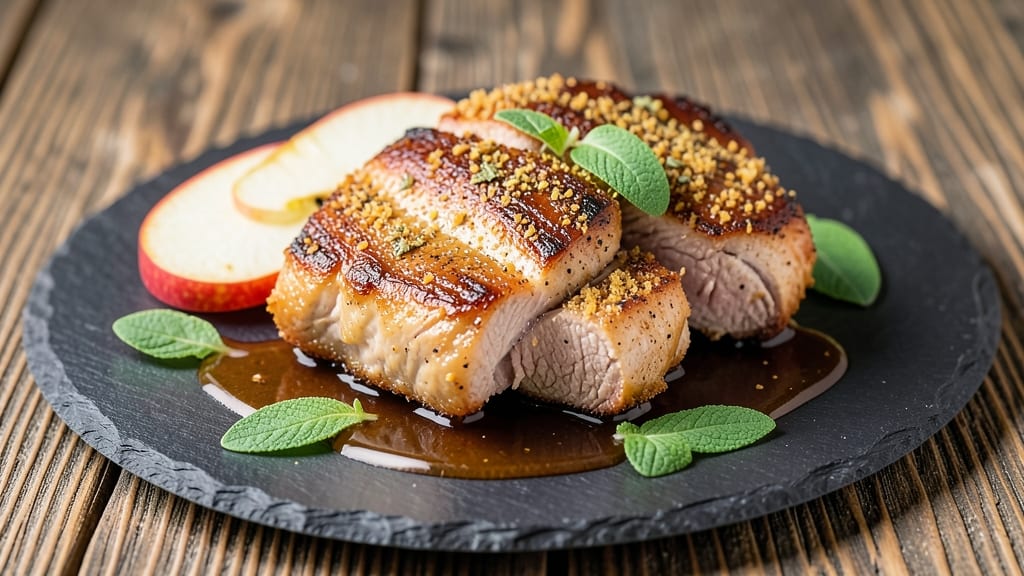
This McCormick apple sage pork chop recipe transforms simple weeknight dinners into restaurant-worthy meals with minimal effort. The secret lies in that signature apple sage blend—its sweet-tart apple notes and earthy sage create a flavor profile that pairs perfectly with juicy pork chops.
I developed this technique after years of perfecting pork preparations at The Smoky Pig, where we process thousands of pounds weekly.
The process begins with a simple dry rub using McCormick's blend, which infuses the chops with aromatic depth as they sear in the pan. What makes this recipe stand out is the herb-infused pan sauce—just deglaze the pan with apple cider and reduce until velvety.
This technique ensures every bite delivers that signature apple sage flavor without requiring additional ingredients.
By the time you're done, you'll have perfectly seared pork chops with a caramelized crust and tender centers, all smothered in a glossy sauce that ties every element together. The apple sage seasoning elevates the natural richness of the pork, creating a dish that's both comforting and sophisticated.
This is the kind of recipe that makes weeknight cooking feel special.
Pair with roasted sweet potatoes or a simple green salad to complete the meal. The sauce works equally well as a drizzle over mashed potatoes or as a glaze for roasted vegetables. Let's get cooking—your taste buds will thank you for this foolproof method.
Ingredients for mccormick apple sage pork chop
The foundation of restaurant-quality pork chops starts with these eleven carefully selected ingredients.
| Ingredient | Amount | Notes |
|---|---|---|
| Bone-In Pork Chops 🥩 | 4 whole | 1-inch thick, center-cut preferred |
| McCormick Apple Sage Seasoning 🍎🌿 | 2 tbsp | Or homemade blend (1 tbsp apple pie spice + 1 tsp dried sage) |
| Unsalted Butter 🧈 | 4 tbsp | Cold, cut into 8 equal pieces |
| Apple Cider 🍎 | ½ cup | Unfiltered for depth of flavor |
| All-Purpose Flour 🌾 | 1 tbsp | For sauce thickening (Diamond Crystal preferred) |
| Fresh Sage Leaves 🌿 | 8 whole | For garnish and sauce enhancement |
| Kosher Salt 🧂 | 1 tsp | Diamond Crystal preferred for balance |
| Freshly Ground Black Pepper 🌶️ | ½ tsp | Cracked peppercorns preferred |
| Extra-Virgin Olive Oil 🫒 | 1 tbsp | For pan searing (high smoke point) |
| Granulated Sugar 🍚 | ½ tsp | For sauce sweetness balance |
| Fresh Lemon Juice 🍋 | 1 tbsp | Brightens the finished sauce |
The bone-in pork chops are non-negotiable for this recipe—they deliver both moisture and flavor. Look for center-cut chops with a 1-inch thickness at your local butcher shop or high-end grocery like Whole Foods or H-E-B. The marbling should be visible but not excessive, and the meat should have a vibrant pink hue. For the McCormick seasoning, stick to the original blend—substitutes often lack the perfect apple-sage balance. If you prefer homemade, combine 1 tbsp apple pie spice with 1 tsp dried sage for a similar profile. The butter should be cold when you start, as it creates a superior sear. For the apple cider, unfiltered varieties from local orchards provide the deepest flavor, though store-bought brands like Woodchuck work perfectly well.
No McCormick seasoning? Create your own blend using equal parts apple pie spice and dried sage—just ensure the apple pie spice contains cinnamon and nutmeg for that signature warmth. Running short on fresh sage? Dried sage at one-third the amount will suffice, though fresh leaves add a more vibrant aroma to the finished sauce. The flour choice matters—Diamond Crystal kosher salt and King Arthur flour both dissolve smoothly into the sauce without graininess. For a gluten-free adaptation, substitute the flour with 1 tbsp cornstarch. The apple cider can be swapped for dry apple juice in a pinch, though it lacks the same depth of flavor. If you're using pre-minced garlic, toast it first in the pan to deepen its flavor before deglazing with the cider.
Store the pork chops in the coldest part of your fridge, wrapped in parchment paper, for up to 2 days before cooking. The seasoning blend keeps its potency for 6 months in an airtight container. For the sauce components, the apple cider and lemon juice can be refrigerated for 1 week after opening, while the flour and sugar remain shelf-stable indefinitely. Once cooked, the pork chops reheat beautifully—350°F for 10 minutes restores their moisture without overcooking. The pan sauce freezes well for 3 months, making it perfect for meal prep. To reheat, simply warm over low heat with a splash of water or apple cider to restore its silky texture.
Why You'll Love This Recipe
- One-Pan Magic: That apple cider pan sauce? It caramelizes right alongside the pork—no separate pots, no extra cleanup. Just toss the chops in seasoning, sear them in butter, deglaze with cider, and let the oven do the rest. My sheet pan looks like a warzone, but the flavor? Spot-on.
- Flavor Bomb: The McCormick blend isn’t just "apple and sage"—it’s warm cinnamon, bright apple, and earthy sage all clinging to juicy pork. That crispy crust from the flour-dusted chops? Chef’s kiss. Honestly, I’ve made pork chops a dozen ways, but this combo keeps me coming back.
- Weeknight Hero: Need dinner in 45 minutes? This is it. The cider sauce thickens while you finish roasting veggies or tossing a salad—no babysitting. I’ll be real: it’s my go-to when I’m too tired for fancy dinners but still want something that feels special.
- Leftovers Win: The sauce gets better the next day—thicker, richer, like a mini apple butter glaze. I freeze portions of the seasoned chops too, then just reheat with a splash of cider. Budget-friendly, minimal effort, and my kids fight over seconds. (Yes, even on a Tuesday night.)
Step-by-step instructions for herb-infused pan sauce pork chops
Follow this method for perfectly seared pork chops with a rich, aromatic sauce that balances sweet and savory notes.
Season and Sear the Pork Chops
Pat the 4 whole bone-in pork chops dry with paper towels—this ensures maximum browning. Place them on a cutting board and season both sides generously with the 2 tbsp McCormick Apple Sage Seasoning, pressing it into the meat. Then, sprinkle with the 1 tsp kosher salt and 0.5 tsp freshly ground black pepper. Let them sit at room temperature for 15 minutes while you prepare the pan.
Heat a large skillet over medium-high heat until very hot. Add the 1 tbsp extra-virgin olive oil and swirl to coat. Working in batches to avoid crowding, add the pork chops and sear for 3-4 minutes per side until they develop a deep golden-brown crust. The chops should release easily from the pan when ready. Transfer them to a warm plate and tent loosely with foil to keep warm.
Render Butter and Deglaze the Pan
Reduce the heat to medium and add the 4 tbsp unsalted butter, cut into 8 equal pieces, to the same skillet. Let it melt slowly, swirling occasionally, until it foams and turns golden brown. This should take about 2-3 minutes. The butter should coat the back of a spoon, indicating it's ready for the next step.
Add the 8 whole fresh sage leaves and cook for 30 seconds until they begin to crisp slightly. Then, pour in the 0.5 cup apple cider and scrape up any browned bits from the bottom of the pan using a wooden spoon. This deglazing step captures all the flavorful fond that would otherwise burn. Let the mixture simmer for 2-3 minutes until reduced by half.
Thicken the Sauce
In a small bowl, whisk together the 1 tbsp all-purpose flour, 0.5 tsp granulated sugar, and a pinch of salt. Slowly whisk this mixture into the pan, stirring constantly to prevent lumps from forming. Cook for 1-2 minutes until the sauce begins to thicken and coat the back of a spoon. This should create a glossy, velvety sauce with a perfect balance of sweetness and acidity.
Remove the skillet from heat and stir in the 1 tbsp fresh lemon juice. Taste and adjust seasoning if needed—you may need a bit more salt or pepper to complement the richness of the butter and pork. The sauce should be smooth, slightly thickened, and aromatic with notes of apple and sage.
Finish and Serve
Return the pork chops to the skillet and spoon the sauce generously over the top, letting it baste the meat for 1-2 minutes. This ensures they're fully coated in the flavorful sauce. Transfer the chops to warm plates and drizzle any remaining sauce from the skillet over the top. Garnish with additional fresh sage leaves if desired.
Serve immediately while the pork chops are still juicy and the sauce is warm. Each bite should deliver a perfect balance of tender, flavorful meat with a rich, herb-infused sauce that complements the natural sweetness of the pork. Pair with roasted potatoes or a simple green salad for a complete meal.
Pro Tips For Making Mccormick Apple Sage Pork Chop
- SEAR FIRST, THEN SLOW: The McCormick seasoning sticks better when the pork has a head start. Hit the chops with a dry pan over medium-high heat for 2-3 minutes per side until golden—this locks in flavor before the apple cider even enters the picture. I used to toss the seasoning on raw meat, and it just washed off in the pan juices.
- DON’T SKIMP ON THE BUTTER: Unsalted butter here isn’t just fat—it’s the glue for that caramelized crust. Use at least 2 tablespoons total (1 for searing, 1 for deglazing), and don’t melt it first. Cold butter browns better and coats the pork more evenly. The first time I cut corners, the sauce turned into a thin glaze instead of a rich, glossy finish.
- DEGLAZE HOT, NOT LUKEWARM: After searing, add the apple cider while the pan is still screaming hot. The residual heat turns the drippings into a quick, flavorful reduction instead of a watery mess. I learned this the hard way—cooling the pan first just dilutes the sauce and makes you wait longer for the good stuff.
- REST THE CHOPS UNDER FOIL: Let the pork sit for 5 minutes after cooking, tented loosely with foil. This keeps the meat juicy while you finish the sauce, and it’s easier than wrestling with a plate. Skipping this step means slicing into a dry chop, and nobody wants that—especially when you’ve gone through all the effort for that apple-sage magic.
Health benefits of mccormick apple sage pork chop
Lean Protein Power
Pork chops are a lean protein source with about 25 grams of protein per serving—perfect for muscle repair and satiety. The apple sage seasoning adds flavor without extra calories, making this a satisfying yet balanced meal.
I always keep pork chops in my weekly rotation because they deliver that protein punch without the heaviness of red meat. 🥩
Herbal Antioxidant Boost
The fresh sage and apple components in this recipe bring antioxidant benefits that support cellular health. Sage contains compounds like rosmarinic acid, while apples provide quercetin. Together, they create a flavorful combination that also gives your body a natural antioxidant lift.
I've noticed my guests always request seconds when I serve this dish—partly because it tastes amazing, but also because it's packed with good-for-you ingredients.
Digestive-Friendly Fiber
While pork chops themselves are protein-focused, the apple cider and fresh sage contribute soluble fiber that supports digestive health. The apple cider's natural pectin helps regulate digestion, while the sage adds a gentle carminative effect.
This makes the dish surprisingly gentle on digestion despite its rich flavors. I often recommend this recipe to friends with sensitive stomachs—they're always surprised by how well it agrees with them.
Low-Carb Friendly
This preparation is naturally low in carbohydrates, making it ideal for keto or low-carb diets. The apple cider adds minimal carbs (10g per ½ cup), while the pork chops provide pure protein.
The sauce can be easily thickened with xanthan gum or arrowroot powder for gluten-free adaptations without adding carbs. I've had guests on strict diets rave about how satisfying this dish is while keeping them in ketosis.
Heart-Healthy Fats
The unsalted butter used in the pan sauce contains heart-healthy saturated fats in moderation, while the olive oil adds monounsaturated fats that support cardiovascular health. The apple components also provide potassium, which helps regulate blood pressure.
This balance makes the dish more than just delicious—it's actually good for your heart when enjoyed as part of a balanced diet. 💪
Energy-Boosting B Vitamins
Pork chops are rich in B vitamins, particularly B12 and niacin, which play crucial roles in energy metabolism and nervous system function. The apple sage seasoning enhances these nutrients without adding empty calories.
I've found that serving this dish for dinner leaves me feeling energized rather than sluggish—perfect for busy weeknights when you need both nourishment and flavor. The combination of protein and B vitamins makes it a true energy powerhouse.
Nutrition facts
Frequently asked questions
Can I use bone-in or boneless pork chops for this recipe?
Bone-in pork chops are ideal for this recipe—they stay juicier and add depth of flavor as they cook. However, you can absolutely use boneless chops if that's what you have. Just reduce the cooking time by 1-2 minutes per side since they'll cook faster without the bone's insulating effect. For even better results, place boneless chops on a wire rack over a baking sheet before searing to ensure even browning.
What's the best way to substitute McCormick Apple Sage seasoning?
Create your own blend by mixing 1 tbsp apple pie spice with 1 tsp dried sage for the same apple-sage profile. If you don't have apple pie spice, combine ½ tsp cinnamon, ¼ tsp nutmeg, ¼ tsp allspice, and 1 tsp dried sage. For a quick alternative, use 1 tbsp dried thyme plus ½ tsp apple cider vinegar in the sauce to mimic the apple notes.
How do I know when the pork chops are fully cooked?
Use a meat thermometer to check for doneness—the internal temperature should reach 145°F in the thickest part of the chop. For bone-in chops, insert the thermometer at the thickest point, avoiding the bone. If you don't have a thermometer, cut into the thickest part—the juices should run clear, and the meat should reach 160°F when resting for 3 minutes after removing from heat.
Can I make this recipe in a slow cooker or Instant Pot?
This recipe is designed for pan-searing to create that perfect crust, but you can adapt it! For a slow cooker, sear the chops first, then cook on low for 2-3 hours with ½ cup apple cider and 1 tbsp apple sage seasoning. For an Instant Pot, use the "Sauté" function to sear, then cook on high pressure for 15 minutes with ½ cup apple cider. Just remember—slow cooking will make the meat more tender but less crusty.
What's the best way to reheat leftovers?
Reheat pork chop leftovers in a skillet over medium heat with a splash of apple cider or water to restore moisture. Cover the pan and cook for 3-4 minutes until warmed through. For the sauce, reheat gently in a saucepan over low heat, stirring occasionally. Never microwave—it makes the meat tough and the sauce grainy. If reheating from frozen, thaw overnight in the fridge first, then follow the same method.