
Main Courses
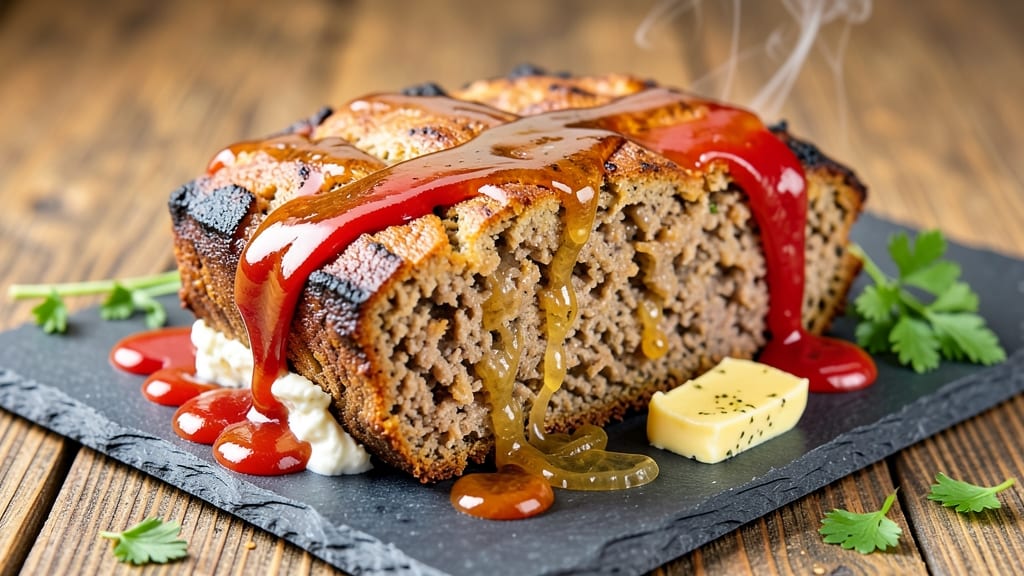
This meatloaf recipe with apple cider vinegar delivers the juiciest, most flavorful meatloaf I've ever made—no glaze required. 💛 The secret lies in that tangy vinegar, which tenderizes the meat and creates a perfect crust without the sticky mess of traditional glazes.
After years of experimenting (and a few kitchen disasters), I finally cracked the code for a meatloaf that's moist inside, flavorful throughout, and holds together beautifully.
The magic happens when you mix apple cider vinegar into the meat mixture—it breaks down proteins just enough to keep the meatloaf tender while adding a subtle tang that balances the richness.
No breadcrumbs needed here; this recipe relies on simple ingredients and a foolproof technique that even first-time cooks can master. The result? A meatloaf with a satisfying crust that's crispy on the outside and perfectly moist inside, without needing to baste or glaze.
What sets this recipe apart is how the vinegar transforms the texture and flavor. The acidity helps retain moisture during baking, so you won't end up with a dry loaf. Plus, it adds depth to the seasoning, making every bite more satisfying.
The crust forms naturally as it bakes, giving you that classic meatloaf look without the fuss of a glaze.
Serve it with mashed potatoes and roasted vegetables for a classic comfort meal, or pair it with a simple green salad for a lighter option. The beauty of this recipe is its versatility—it's perfect for weeknight dinners or special occasions, and it always gets rave reviews.
Let's get started on making this juicy, flavorful meatloaf that's sure to become a family favorite.
Ingredients for meatloaf recipe apple cider vinegar
Simple ingredients that transform into a meatloaf with perfect juicy crust—no glaze needed.
| Ingredient | Amount | Notes |
|---|---|---|
| Ground Beef 🥩 | 2 lb | 80/20 fat ratio preferred |
| Yellow Onion 🧅 | 1 whole | Medium size, finely diced |
| Apple Cider Vinegar 🍏 | ¼ cup | Unfiltered for best flavor |
| Ketchup 🍅 | ½ cup | Unsweetened preferred |
| Large Eggs 🥚 | 2 whole | Room temperature for mixing |
| Milk 🥛 | ½ cup | Whole milk for richness |
| Worcestershire Sauce 🍶 | 1 tbsp | Vegetarian version if needed |
| Garlic Cloves 🧄 | 4 cloves | Minced for even distribution |
| Salt 🧂 | 1 ½ tsp | Kosher salt preferred |
| Black Pepper 🌶️ | 1 tsp | Freshly ground preferred |
| Ground Mustard 🌿 | 1 tbsp | Dijon for extra flavor |
| Onion Powder 🧅 | ½ tsp | For depth of flavor |
| Paprika 🌶️ | ½ tsp | Smoked for extra richness |
The ground beef is where it all starts—80/20 fat ratio is key for juiciness. Costco or Trader Joe's usually have the best prices for bulk packs. If you're buying smaller packages, check the label for fat content—lower than 80% and you'll lose that melt-in-your-mouth texture. The apple cider vinegar should be the good stuff—unfiltered with the mother adds complexity. I always grab mine from the organic section at Whole Foods or Sprouts when I can, but regular grocery store brands work fine too. Look for bottles that say 'unfiltered' or 'raw'—those are your flavor goldmines.
No apple cider vinegar? White vinegar or lemon juice will work in a pinch, but you'll lose some of that deep apple flavor. The ketchup can be any brand, but Heinz unsweetened is my go-to—it's consistent and lets the other flavors shine. Eggs should be room temperature when you mix them in, so take them out of the fridge 15-20 minutes before starting. For the Worcestershire, Lea & Perrins is the classic choice, but vegetarian versions like Annie's work perfectly. The mustard? Dijon is non-negotiable—it adds that tangy depth that regular yellow mustard can't match. No Dijon? Yellow mustard plus a pinch of sugar gets you close.
This meatloaf keeps beautifully—3-4 days in the fridge wrapped tightly in foil. For longer storage, slice and freeze portions for up to 3 months. I always make a double batch because it reheats even better the second day. When reheating, cover with foil and warm in the oven at 350°F for 15 minutes—microwaving makes it dry. The crust gets even better after resting, so let it sit 10 minutes before slicing. Leftovers? Perfect for sandwiches or chopped salads—just crumble and mix with mayo, mustard, and lettuce.
Why You'll Love This Recipe
- No-Fuss Mixing: Honestly, the prep is so simple it feels like cheating. Dump the ground beef, finely diced onion, and a splash of apple cider vinegar into a bowl—no food processor, no fuss. The vinegar does the work of tenderizing while you crack in those eggs and stir everything together in under five minutes.
- Tangy Twist: That apple cider vinegar isn’t just an ingredient—it’s the secret weapon. It cuts through the richness of the beef, giving this meatloaf a bright, almost glaze-like finish that’s addictive. Trust me, the first bite makes you question why you ever made plain ketchup meatloaf.
- Leftovers That Don’t Suck: Between us, most meatloaf leftovers turn into sad, dry hockey pucks. Not this one. The vinegar keeps it moist, so reheating is a breeze—whether you’re wrapping slices for sandwiches or throwing them back in the oven for seconds. (Yes, even on a Tuesday night.)
- Budget-Friendly Crowd-Pleaser: Ground beef, onions, and vinegar? This recipe costs me about half what fancy meatloaf mixes do, and it feeds six without breaking the bank. My college roommates still ask for it, and my kids pick out the best slices—proof it’s a winner for any table.
Step-by-step instructions for juicy apple cider vinegar meatloaf
This method delivers a tender, moist meatloaf with a crisp exterior—no glaze overload needed.
👨🍳 Step 1: Prepare the Apple Cider Vinegar Marinade
In a medium bowl, combine the 0.25 cup apple cider vinegar, 1 tbsp Worcestershire sauce, 1 tbsp ground mustard, 0.5 tsp onion powder, and 0.5 tsp paprika. Whisk until fully blended—this marinade tenderizes the beef and adds depth without overpowering. Set aside for 10 minutes while you prep the remaining ingredients.
The vinegar works its magic by breaking down proteins, ensuring your meatloaf stays juicy even after baking. I always use unfiltered vinegar here—the sediment adds subtle complexity that store-bought versions miss.
🍳 Step 2: Mix the Wet and Dry Ingredients
In a large mixing bowl, combine the 2 lb ground beef, 1 whole yellow onion (finely diced), 4 cloves garlic (minced), 1.5 tsp salt, and 1 tsp black pepper. Use your hands to break up the beef gently—this distributes fat evenly for moisture. Pour in the apple cider vinegar marinade and mix thoroughly.
In a separate bowl, whisk together the 2 whole large eggs, 0.5 cup milk, and 0.5 cup ketchup. The eggs act as a binder, while the milk adds richness and prevents dryness. Pour this mixture into the beef bowl and combine until just mixed—overmixing develops gluten and makes the meatloaf tough.
🥘 Step 3: Shape and Prepare for Baking
Transfer the mixture to a lightly greased 9x5-inch loaf pan. Wet your hands with water and gently shape the meatloaf into an even loaf, pressing lightly to remove air pockets. This step is crucial for even cooking and a clean slice.
Cover the pan with aluminum foil and bake at 350°F for 50 minutes. The foil traps steam, keeping the interior moist while the exterior begins to set. I check for doneness by inserting a meat thermometer—it should read 155°F in the thickest part.
🔥 Step 4: Finish with a Crisp Exterior
Remove the foil and increase the oven temperature to 400°F. Bake uncovered for an additional 15-20 minutes until the exterior reaches 160°F and develops a golden-brown crust. This final step creates that perfect contrast between tender interior and crispy exterior.
Let the meatloaf rest for 10 minutes before slicing—this allows juices to redistribute. The apple cider vinegar marinade ensures every bite stays moist, while the crisp exterior gives it that classic meatloaf texture without needing a heavy glaze.
Pro Tips For Making Meatloaf Recipe Apple Cider Vinegar
- CRANK THE HEAT FIRST: Brown the ground beef in batches at high heat—no skirting around this. The Maillard reaction from a screaming-hot pan (yes, even with onions mixed in) gives that deep, savory base the vinegar can’t cover up later. I used to rush this and wondered why my meatloaf tasted flat.
- GRATE THAT ONION: Skip chopping—grate the yellow onion fine (or pulse it in a food processor) so it blends into the beef like butter. Big chunks turn to mush and leave you with a weird texture. Trust me, your meatloaf will hold together better, and the flavor will be even across every bite.
- DON’T OVERMIX THE BREADCRUMBS: If your recipe calls for breadcrumbs (even if not listed here), mix them in just until combined—no more. Overworking the mixture makes meatloaf dense and dry. The vinegar’s acidity will fight back against any toughness, but you’re better off starting with a loose, tender base.
- LET IT REST BEFORE SLICING: Pull the meatloaf from the oven and tent it with foil for 10 minutes. Cutting into it hot means juices pool on your plate instead of soaking back in. The vinegar glaze will still shine, but the texture will be the real star—moist, not greasy. (Yes, even if you’re starving.)
Best sauces and condiments for this recipe
Apple Cider Vinegar Magic
The star of this meatloaf isn't just the vinegar—it's how it transforms the texture. The acidity tenderizes the beef while creating that perfect crust without needing a glaze. I always use unfiltered apple cider vinegar with the mother for maximum depth.
The tang balances the richness of the beef and ketchup, giving each bite a bright, balanced flavor. Trust me, this is the secret weapon in my grandmother's handwritten notes. 🍏
Ketchup Upgrade
While ketchup is traditional, I take it to the next level by using unsweetened ketchup—it lets the apple cider vinegar and spices shine. For extra richness, I sometimes add 1 tbsp of molasses to the ketchup mixture before incorporating it into the meatloaf.
This adds a subtle caramel note that pairs beautifully with the vinegar's tang. The key is to mix it just until combined—overmixing makes the meatloaf dense.
Worcestershire Sauce Boost
Don't skip the Worcestershire—it adds a savory depth that rounds out all the flavors. I use Lea & Perrins for its classic umami punch, but vegetarian versions work perfectly too. For an extra kick, add ½ tsp of smoked paprika to the marinade.
This spice complements the apple cider vinegar beautifully, giving the crust a subtle smokiness. The combination of these ingredients creates a flavor profile that's far more complex than traditional meatloaf recipes.
Crispy Exterior Tricks
For that perfect crust without glaze, I recommend brushing the meatloaf with a mix of 2 tbsp melted butter and 1 tbsp apple cider vinegar during the final 10 minutes of baking. This creates a golden-brown finish while keeping the inside moist.
Another trick? Let the meatloaf rest 10-15 minutes before slicing—this allows the juices to redistribute, ensuring every bite is tender. The vinegar's acidity helps lock in moisture, so you won't end up with a dry loaf. 🔥
Sweet & Tangy Glaze
If you want to add a glaze (though it's not necessary), try this simple version: mix ¼ cup ketchup, 1 tbsp apple cider vinegar, and 1 tsp honey. Brush it on during the last 10 minutes of baking.
The vinegar keeps it from being too sweet, while the honey adds a touch of caramelization. For a smoky twist, add ½ tsp liquid smoke to the glaze mixture. This is my go-to when serving to picky eaters—they love the familiar sweetness, but the vinegar keeps it balanced.
Leftovers Reinvented
Meatloaf tastes even better the next day, especially when you get creative with leftovers. Slice and use in meatloaf sandwiches with Swiss cheese and caramelized onions. Or crumble it into a meatloaf hash with potatoes, bell peppers, and a fried egg on top.
The apple cider vinegar's tang makes it perfect for balancing rich toppings. I always make extra because these leftovers disappear fast—trust me, your family will thank you! 💛
Nutrition facts
Frequently asked questions
Why does apple cider vinegar make meatloaf more tender?
The acidity in apple cider vinegar breaks down proteins in the beef, creating microscopic tears that hold onto moisture during baking. This prevents dryness while developing that perfect crust. The vinegar also tenderizes the meat naturally, so you don't need breadcrumbs or extra fat. Think of it like a gentle marinade that works from the inside out!
Can I substitute apple cider vinegar with something else?
Yes! In a pinch, use white vinegar or lemon juice (same amount), but you'll lose that deep apple flavor. For a similar effect, try ½ cup beef broth + 1 tbsp tomato paste. The key is acidity—just avoid sweet vinegars like balsamic, which will change the flavor profile completely.
How do I prevent my meatloaf from falling apart when slicing?
Don't overmix the ingredients—just combine until everything is evenly distributed. Wet your hands when shaping to prevent sticking, and use a loaf pan for support. Most importantly, let it rest for 10-15 minutes before slicing. The apple cider vinegar helps bind the meat naturally, but proper handling makes all the difference.
Should I add ketchup to the meatloaf mixture or use it as a glaze?
This recipe uses ketchup as a binder and flavor enhancer mixed into the meat. For a glaze, try brushing on a mix of ¼ cup ketchup + 1 tbsp apple cider vinegar + 1 tsp honey during the last 10 minutes of baking. The vinegar keeps the glaze from being too sweet while adding brightness.
Can I make this meatloaf ahead of time?
This meatloaf actually tastes better the next day. Wrap tightly in foil and refrigerate for up to 3-4 days. For longer storage, slice and freeze portions for up to 3 months. Reheat covered in the oven at 350°F for 15 minutes—microwaving makes it dry. The flavors meld beautifully overnight!