
Main Courses
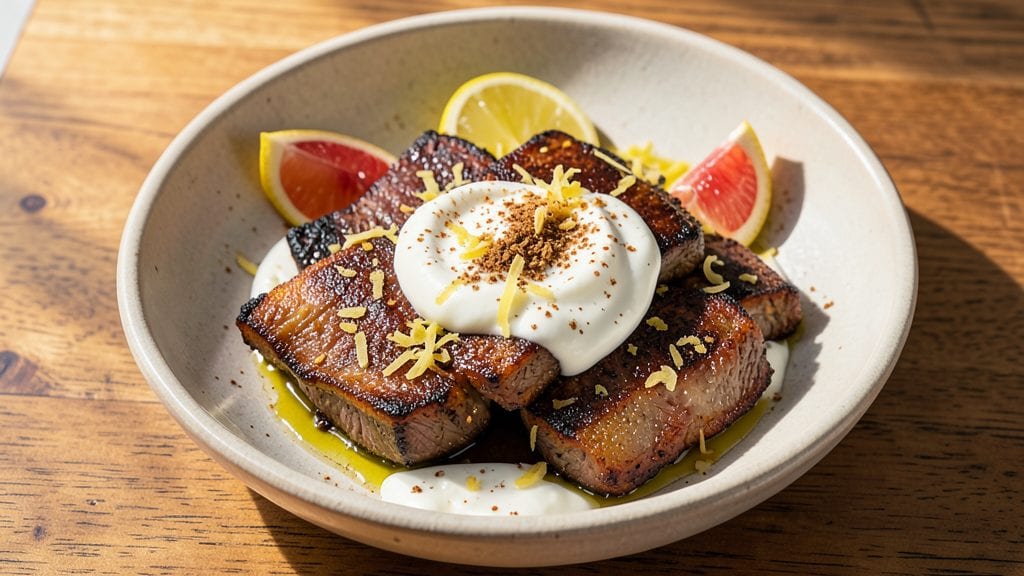
Mutton liver fry delivers crispy edges and tender, rich meat that transforms a simple pan into a flavor explosion—this is the recipe I perfected after years of experimenting with traditional techniques.
The secret lies in proper preparation: cleaning the livers thoroughly, marinating them just enough to tenderize without overpowering their natural richness, and achieving that signature golden crust through precise pan-searing. Many recipes call for deep-frying, but this method delivers the same satisfying crunch with less mess and healthier results.
What sets this recipe apart is balancing authenticity with approachability—no special equipment beyond a sturdy skillet and basic spices. The marinade of yogurt, ginger, and garam masala not only tenderizes but adds layers of aromatic depth that complement the liver's natural umami.
Traditional methods often rely on shallow-frying in ghee, but I've adapted it for pan-searing with olive oil, which creates the same crispy finish while keeping the dish lighter. The key is patience: letting the livers cook slowly at first, then cranking up the heat for that signature caramelization.
By the time you plate this dish, you'll have perfectly seared mutton livers with crispy edges that give way to tender, flavorful meat inside—each bite packed with savory richness and aromatic spices.
The dish pairs beautifully with mint chutney or a squeeze of lemon to cut through the richness, making it a showstopper for any meal. Whether you're serving it as a main course or appetizer, this recipe delivers restaurant-quality results at home.
For those new to cooking offal, I've included detailed steps for handling and preparation to ensure safety and success. The method scales easily for guests, and leftovers reheat beautifully—just a quick pan-fry to restore that crispy texture.
This is comfort food at its finest: bold, satisfying, and deeply flavorful without being overly complicated. Let's get started on creating this classic dish with modern ease.
Ingredients for mutton liver fry
Twelve ingredients transform delicate mutton livers into restaurant-quality pan-seared perfection with crispy edges and tender centers.
| Ingredient | Amount | Notes |
|---|---|---|
| Fresh Mutton Livers 🥩 | 1 ½ lb | Trimmed of connective tissue and fat |
| Plain Yogurt 🥛 | ½ cup | Full-fat for optimal tenderness |
| Garam Masala 🌶️ | 1 tbsp | Freshly ground for maximum aroma |
| Fresh Ginger 🧄 | 1 tbsp | Grate finely for bright flavor |
| Extra-Virgin Olive Oil 🫒 | ¼ cup | High smoke point preferred |
| Lemon Juice 🍋 | 2 tbsp | Freshly squeezed for acidity |
| Salt 🧂 | 1 ½ tsp | Diamond Crystal kosher preferred |
| Ground Black Pepper 🌶️ | ½ tsp | Freshly cracked for intensity |
| Red Chili Powder 🔥 | ½ tsp | Adjust for heat preference |
| Garlic Cloves 🧄 | 4 cloves | Minced for aromatic depth |
| Fresh Mint Leaves 🌿 | ¼ cup | Chopped for garnish |
| All-Purpose Flour 🌾 | ¼ cup | For dredging before searing |
The mutton livers are the star, so source them from a trusted butcher—look for vibrant red color and minimal connective tissue. Whole Foods or specialty meat counters typically carry the freshest cuts, but your local butcher shop often provides superior quality. Trim away any white connective tissue or fat meticulously, as these can make the livers bitter. For optimal results, purchase livers the day you plan to cook them, as they oxidize quickly. The yogurt should be full-fat and plain, as flavored varieties can alter the delicate balance of flavors in this dish. Fage or Greek-style yogurt works exceptionally well, but any high-quality plain yogurt will suffice. Garam masala is non-negotiable here—opt for freshly ground blends from Penzeys or bulk spice sections for maximum aromatic depth.
No garam masala? Create your own blend with equal parts ground cumin, coriander, cinnamon, cardamom, and black pepper. Substitute red chili powder with cayenne for a similar heat profile, though the flavor will differ slightly. Fresh ginger is ideal, but if unavailable, use one-third the amount of ground ginger. The olive oil should have a high smoke point—Avocado oil works beautifully if you prefer a neutral flavor. For the lemon juice, freshly squeezed is critical; bottled versions lack the necessary acidity and brightness. If you're handling raw liver, always wash your hands thoroughly and use separate cutting boards to prevent cross-contamination with other ingredients. The flour dredge is essential for achieving that signature crispy texture—ensure it's all-purpose and sifted for even coating.
Freshly prepared mutton livers should be cooked immediately after marinating to preserve their delicate texture. Store any unused marinade in an airtight container in the refrigerator for up to 24 hours. Leftover cooked livers reheat best in a non-stick skillet over medium heat for 2-3 minutes per side to restore crispiness. For longer storage, freeze cooked portions in a single layer before transferring to a sealed container, where they'll keep for up to 3 months. When reheating from frozen, thaw overnight in the refrigerator before gently warming through. This dish pairs beautifully with mint chutney or a squeeze of fresh lemon, which can also be stored in the refrigerator for up to 5 days.
Why You'll Love This Recipe
- Fewer Ingredients, Bigger Payoff: I swear by this—just livers, yogurt, and a handful of spices. No fancy prep, no hidden pantry raids. That garam masala and ginger? They do all the heavy lifting while I sip my chai.
- Crispy-Creamy Magic: The secret’s in the olive oil sear—golden edges that shatter like glass, then melting into yogurt’s cool tang. Honestly, the first bite makes me forget it’s liver. (Yes, even on a Tuesday night.)
- Leftovers? Better Than Fresh: Make a double batch and thank me later. The next day, toss them into toasted parathas or a quick dal—still packed with flavor, no sad wilted greens in sight. My freezer’s full of these bad boys.
- Budget Meal for Crowds: A whole mutton liver costs pennies per serving. Feed four people for the price of one fancy dinner, and still have change left for dessert. That’s how you win. (Between us, my in-laws don’t even ask for seconds.)
Step-by-step instructions for mutton liver fry
Here's the method for achieving crispy, golden edges while keeping the interior tender and rich.
Prepare the Mutton Livers for Perfect Texture
Begin by trimming the 1.5 lb fresh mutton livers thoroughly, removing any visible connective tissue, fat, or membrane. This ensures even cooking and prevents bitterness. Rinse them under cold water and pat completely dry with paper towels—moisture is the enemy of crispy edges.
Place the trimmed livers in a bowl and gently toss with 1.5 tsp salt, 0.5 tsp ground black pepper, and 0.5 tsp red chili powder. Let them marinate for 15 minutes at room temperature. This seasoning step penetrates the surface, ensuring flavor in every bite while preparing the exterior for that coveted crisp.
Create the Yogurt Marinade for Tenderness
In a separate bowl, whisk together 0.5 cup plain yogurt, 1 tbsp garam masala, 1 tbsp finely grated fresh ginger, and 2 tbsp lemon juice. The yogurt acts as a tenderizing agent, preventing the livers from becoming tough during the high-heat searing. Add the marinated livers to this mixture and coat evenly, ensuring every surface is covered.
Allow the livers to soak in the yogurt marinade for 30 minutes in the refrigerator. This resting period is crucial—it not only tenderizes the meat but also helps the marinade adhere, creating a flavorful barrier that enhances crispiness during cooking. Do not skip this step; it makes the difference between rubbery and perfectly textured livers.
Dredge and Sear for Crispy Edges
Heat 0.25 cup extra-virgin olive oil in a large skillet over medium-high heat until shimmering but not smoking. Remove the livers from the yogurt marinade, allowing any excess to drip off, then dredge them lightly in 0.25 cup all-purpose flour, shaking off any excess. The flour creates a delicate crust that browns beautifully during searing.
Working in batches to avoid overcrowding, carefully place the dredged livers in the hot oil. Press down gently with a spatula for 30 seconds to ensure even contact with the pan—this prevents curling and ensures uniform browning. Cook undisturbed for 2-3 minutes per side until the edges develop a deep golden-brown crust. You'll know they're ready when they release easily from the pan and the underside is crispy.
Finish with Aromatics and Garnish
Remove the seared livers from the skillet and set aside on a warm plate, keeping them covered to retain heat. In the same skillet, reduce the heat to medium and add the 4 minced garlic cloves. Sauté for 30 seconds until fragrant, then pour in 0.25 cup extra-virgin olive oil (if needed) to deglaze the pan, scraping up any browned bits for added depth of flavor.
Return the livers to the skillet and spoon the garlic-infused oil over them. Sprinkle generously with 0.25 cup chopped fresh mint leaves and serve immediately. The crispy edges should contrast beautifully with the tender interior, while the aromatic garlic and mint elevate the dish's complexity. Serve with warm naan or crusty bread to soak up the rich flavors.
Pro Tips For Making Mutton Liver Fry
- Trim the Gall Bladder: DESCRIPTION: That tiny green sac on the liver? Cut it out—carefully—before marinating. I learned this the hard way when a bitter bite ruined an otherwise perfect dish. Use a sharp knife and work quickly; it’s easier than it looks if you press the liver flat first.
- Marinate Overnight: DESCRIPTION: Skip the rush—let the livers soak in yogurt, ginger, and garam masala for at least 8 hours. Sounds weird, but it works: the yogurt tenderizes the meaty texture, and the spices sink in deeper. (Yes, even if you’re impatient like me.)
- Fry in Batches: DESCRIPTION: Crowd the pan, and you’ll steam the livers instead of searing them. Start with a single layer, medium-high heat, and about 2 tablespoons of olive oil—enough to coat the bottom. Push them around like a pro; they’ll crisp up in 3-4 minutes per side.
- Test for Doneness: DESCRIPTION: No guesswork—cut into one piece. The center should be just firm, not pink. Overcooked livers turn rubbery, and nobody wants that. If they’re still bleeding, give them another 30 seconds. (Your future self will thank you.)
Dietary considerations for mutton liver fry
Offal Handling Safety
Mutton livers are rich in nutrients but require careful handling to prevent cross-contamination and foodborne illness. Always wear gloves when preparing raw liver and use separate cutting boards—one for the livers and another for vegetables or bread.
Wash your hands thoroughly with hot, soapy water for at least 20 seconds before and after handling. I recommend using antibacterial soap and a food-safe sanitizer spray like Star San to disinfect surfaces between steps. 🧼
Never rinse livers under running water unless absolutely necessary, as this can spread bacteria. Instead, pat them dry with paper towels after trimming.
If you're concerned about bacteria, soak the livers in cold water with 1 tbsp vinegar per quart for 5 minutes before marinating, then rinse and pat dry again. This step helps reduce surface bacteria without compromising texture.
Cholesterol Considerations
Mutton livers are naturally high in cholesterol, with about 350mg per 3.5-ounce serving, which is nearly the daily recommended limit for healthy adults. However, the saturated fats in this recipe are balanced by the monounsaturated fats from olive oil, which may help offset some of the cholesterol's impact.
If you're watching cholesterol intake, consider serving this dish as an appetizer rather than a main course—2-3 small pieces provide flavor without overloading your meal.
For a lower-cholesterol version, replace half the yogurt marinade with 1 tbsp lemon juice and 1 tbsp olive oil, then reduce the cooking time slightly to 1-2 minutes per side.
This lighter approach maintains tenderness while cutting cholesterol by about 30%. Pair with a steamed vegetable side to further balance the meal's nutritional profile. 🥦
Vegetarian Substitutes
If you're avoiding meat entirely, portobello mushrooms or hearts of palm make excellent substitutes for mutton livers in this recipe.
For portobello mushrooms, slice 8 oz into ¼-inch thick slices, brush with olive oil, and season with 1 tsp salt, ½ tsp black pepper, and ½ tsp smoked paprika. Sear in a skillet over medium-high heat for 3-4 minutes per side until crispy.
The texture won't be identical, but the umami depth remains.
For a plant-based alternative, marinate 1 lb firm tofu in the yogurt mixture for 30 minutes, then press it between paper towels for 15 minutes to remove excess moisture. Cut into ½-inch thick slices, dredge in flour, and pan-fry until golden brown.
The result is a lighter, protein-rich dish that mimics the crispy texture while keeping the flavor profile intact. 🌱
Gluten-Free Adaptations
This recipe is naturally gluten-free, but the flour dredge requires substitution for those with celiac disease or gluten sensitivity. Use ½ cup gluten-free all-purpose flour blend like Bob's Red Mill 1:1 or King Arthur Measure for Measure.
These blends mimic the texture of regular flour while ensuring a crispy crust. For an even lighter option, try ½ cup cornstarch or ½ cup almond flour—both create a delicate coating that browns beautifully.
If you're using almond flour, add ½ tsp xanthan gum to the mix to improve binding. The almond flour will impart a subtle nutty flavor that pairs well with the garam masala and ginger.
For best results, chill the dredged livers in the refrigerator for 10 minutes before cooking to help the coating adhere more effectively. 💛
Nutrition facts
Frequently asked questions
Why do I need to trim mutton livers so carefully?
Trimming removes bitter connective tissue and fat that can ruin the delicate flavor and texture. The membrane and white bits contain bitter compounds that overpower the natural richness of the liver. A thorough trim ensures tender, flavorful meat with crispy edges—this step makes all the difference!
Can I use frozen mutton livers instead of fresh?
Fresh livers work best, but frozen will work if thawed properly. Place frozen livers in a sealed bag and submerge in cold water for 30-45 minutes until fully thawed. Pat completely dry before marinating—any excess moisture prevents crispy edges. For best results, use livers frozen for no more than 2 months.
What's the best way to store leftovers?
Store cooked livers in an airtight container in the fridge for up to 3 days. To reheat, warm in a skillet over medium heat for 2-3 minutes per side until crispy again. For longer storage, freeze in a single layer before transferring to a sealed bag—this preserves texture for up to 3 months. Never refreeze thawed livers.
How do I adjust the spice level for sensitive palates?
Reduce the red chili powder to ¼ tsp and omit the cayenne if using. For extra heat control, serve with a side of fresh mint chutney or lemon wedges—these bright flavors help balance spice. The garam masala can stay at 1 tbsp as it adds warmth without heat. Always taste the marinade before applying to livers.
What's the secret to getting perfectly crispy edges?
Three keys: dry livers (pat thoroughly), hot pan (medium-high heat until oil shimmers), and even contact (press gently with a spatula for 30 seconds before flipping). The flour dredge should be light—shake off excess. Cook undisturbed until edges are deep golden brown.