
Sauces & Condiments
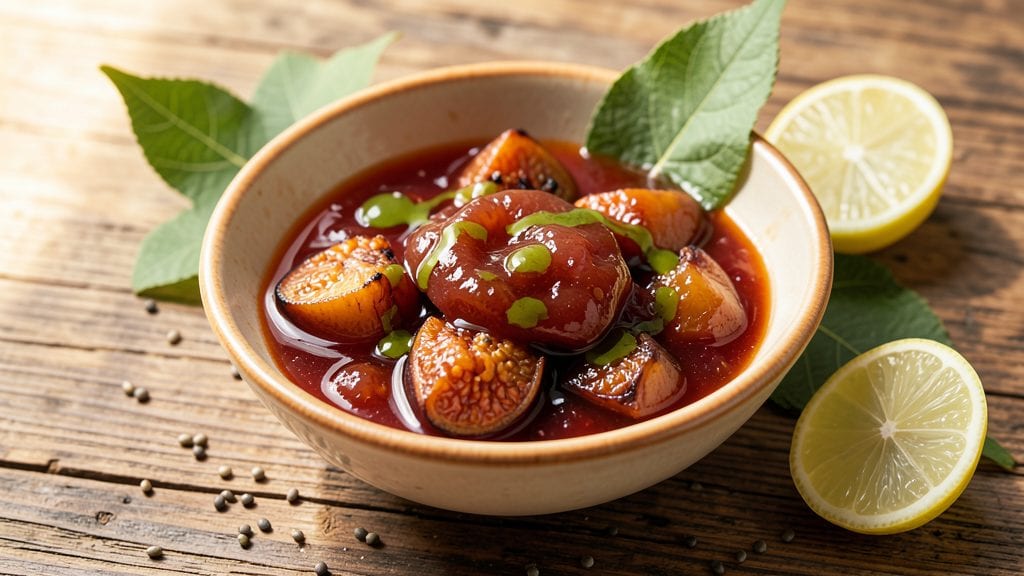
This no-sugar-added fig jam recipe transforms ripe figs into a naturally sweetened spread that’s rich, velvety, and bursting with fruit-forward flavor. The secret lies in balancing honey and lemon—not just for sweetness, but for depth that makes every spoonful taste like summer in a jar.
I’ve perfected this method after years of testing, ensuring the jam sets properly without artificial thickeners or excess sugar.
What sets this recipe apart is its versatility and health-conscious approach. Figs provide natural sweetness while honey adds subtle floral notes, and lemon brightens the flavor profile without overpowering the fruit.
The process is straightforward: simmering figs until tender, blending them into a purée, then reducing with honey and lemon juice until thick and glossy. No pectin required—just science-backed techniques for a jam that’s stable, spreadable, and free from refined sugars.
The result is a jam that’s perfect for toast, yogurt, or cheese boards, with a texture that’s smooth yet slightly chunky—just like homemade should be. The honey-lemon balance creates a harmony of sweet, tart, and earthy flavors that pair beautifully with both sweet and savory dishes.
Best of all, this recipe yields enough for gifting or meal prep, with a shelf life of up to 3 months when stored properly.
For those who prefer plant-based options, swapping honey for date syrup or monk fruit sweetener keeps the recipe vegan while maintaining the same rich, jammy consistency.
Whether you’re spreading it on warm sourdough or drizzling it over ricotta, this fig jam delivers restaurant-quality results at home—without the guilt of added sugars.
Ingredients for no sugar added fig jam
Eight plant-based ingredients create a jam that rivals traditional recipes in richness and depth.
| Ingredient | Amount | Notes |
|---|---|---|
| Fresh Figs 🍇 | 1 ½ lb | Ripe, stems removed, quartered |
| Date Syrup 🍯 | ½ cup | Substitute for honey, thick texture |
| Lemon Juice 🍋 | ¼ cup | Freshly squeezed, seedless |
| Organic Apple Cider Vinegar 🍶 | 1 tbsp | For acidity balance, raw type |
| Chia Seeds 🌱 | 1 tbsp | Ground, natural thickener |
| Extra-Virgin Olive Oil 🫒 | 1 tbsp | High-quality, fruity variety |
| Ground Cinnamon 🌿 | ½ tsp | Ceylon preferred for delicate flavor |
| Sea Salt 🧂 | ¼ tsp | Diamond Crystal preferred |
Figs are the heart of this recipe, so prioritize quality. Local farmers markets often carry ripe, fragrant varieties like Kadota or Black Mission—look for skins that yield slightly to gentle pressure. If using dried figs, soak them overnight to restore moisture. Date syrup from Trader Joe's or Whole Foods provides the natural sweetness without refined sugar, with a caramel-like depth that complements figs beautifully. The chia seeds act as a natural thickener, eliminating the need for pectin or added sugars. Opt for organic chia seeds from Bob's Red Mill for consistent quality, as conventional varieties may vary in texture.
No date syrup? Monk fruit sweetener or agave nectar work as substitutes, though the texture may vary slightly. The lemon juice can be swapped for lime juice at equal measure, though lemon provides a more balanced tartness. For those avoiding vinegar, additional lemon juice or orange juice can be used, though the jam may set slightly differently. The olive oil isn't just for flavor—it creates a silky texture and helps the jam cling to bread or cheese. If you prefer a lower-fat option, reduce the oil to 1 teaspoon and increase the chia seeds by 0.5 teaspoon to compensate. Store-bought figs often lack ripeness—if yours are firm, let them sit at room temperature for 1-2 days before using.
This jam thickens as it cools, so resist the urge to over-reduce during cooking. For a smoother texture, blend the figs with 1-2 tablespoons of water before simmering. Properly stored in a sterilized glass jar with a tight seal, this jam remains stable for 3 months refrigerated or 12 months frozen. To extend shelf life further, add a thin layer of olive oil on top before sealing. The cinnamon and salt enhance the figs' natural sweetness without overpowering—use them as a base and adjust to taste. For gifting, portion into small jars with a parchment-lined lid to prevent sticking.
Why You'll Love This Recipe
- Few Ingredients, Big Payoff: Honestly, I swear by this recipe because it’s that simple—just figs, a splash of date syrup, and a pinch of chia seeds. No measuring cups, no fancy tools, just chop, simmer, and stir. Even if you burn the toast, you’ll still have jam.
- Taste Like Summer: That bright lemon juice cuts through the figs’ natural sweetness, while the apple cider vinegar adds a tangy depth. The chia seeds? They thicken it just right—no graininess, just a velvety spread that’s ridiculously good on toast or yogurt.
- Breakfast, Snack, Gift: Slather it on warm scones, drizzle it over ricotta, or pack it in a jar for a hostess gift. It’s my go-to for lazy mornings or when I need something sweet but not cloying. (Yes, even on a Tuesday night.)
- Lasts All Week: Between us, this jam keeps in the fridge for weeks—no weird aftertaste, no spoilage. And because it’s naturally sweetened, I’m not tempted to overbuy. A little goes a long way, and my wallet thanks me.
Step-by-step instructions for crafting no-sugar-added fig jam
Transform ripe figs into a velvety, naturally sweetened preserve using just eight ingredients.
Prepare the Figs and Base Mixture
In a large, heavy-bottomed saucepan, combine the 1.5 lb fresh figs (quartered and stems removed) with the 0.5 cup date syrup and 0.25 cup lemon juice. The figs should release their juices almost immediately—this liquid forms the foundation of your jam. Bring the mixture to a gentle simmer over medium heat, stirring occasionally to prevent scorching. You'll notice the figs begin to break down after about 5 minutes, releasing their natural pectin and sweetness.
Here's the thing—date syrup acts as both sweetener and binder, replacing refined sugar while maintaining the jam's structure. The lemon juice balances the figs' natural sweetness and prevents crystallization. Simmer for 10-12 minutes until the figs are completely softened and the mixture thickens slightly. You're aiming for a consistency where the jam coats the back of a spoon but still flows freely.
Add Thickeners and Seasonings
Reduce heat to low and stir in the 1 tbsp ground chia seeds, 1 tbsp extra-virgin olive oil, 0.5 tsp ground cinnamon, and 0.25 tsp sea salt. The chia seeds will begin to absorb liquid and create a natural thickening agent—this is critical for achieving that perfect jam texture without added pectin. Stir continuously for 2-3 minutes until the chia seeds are fully incorporated and the mixture becomes noticeably thicker. The olive oil adds richness and helps bind the flavors, while the cinnamon and salt enhance the figs' natural sweetness.
I've found that using Ceylon cinnamon here makes a subtle but noticeable difference in flavor complexity. The sea salt might seem like a small amount, but it's essential for balancing the sweetness and rounding out the flavors. Let the mixture simmer gently for another 5 minutes, stirring occasionally, until it reaches a spreadable consistency. You'll know it's ready when it coats the spoon in a thick, glossy layer that holds its shape briefly before dripping back down.
Incorporate Vinegar and Final Adjustments
Remove the pan from heat and stir in the 1 tbsp organic apple cider vinegar. This final addition serves two purposes: it enhances the jam's shelf life by acting as a natural preservative, and it adds a bright acidity that cuts through the figs' natural sweetness. Give it a final taste—if the jam is too thick, you can loosen it with 1-2 teaspoons of hot water (from the simmering process) to reach your desired consistency. The vinegar should integrate completely within 1 minute of stirring.
Real talk: The jam will continue to thicken as it cools, so don't over-thicken it at this stage. Transfer the jam to a clean, sterilized jar while still warm. The heat helps drive out any remaining moisture, ensuring your jam has the perfect texture. Seal the jar and let it cool completely at room temperature before refrigerating. This cooling process allows the flavors to meld fully and the texture to set properly.
Rest and Store for Optimal Texture
Allow the fig jam to sit at room temperature for 1-2 hours before transferring it to the refrigerator. This resting period is crucial—it lets the chia seeds fully hydrate and the flavors develop. The jam should achieve a perfect balance between spreadable and firm when chilled. If you find it's too thick after refrigeration, simply reheat it gently over low heat, stirring constantly until it reaches your desired consistency.
Store the jam in an airtight container in the refrigerator for up to 3 weeks or process it in a water bath for long-term storage. The natural sweetness from the figs and date syrup will shine through, creating a preserve that's rich, complex, and completely free from refined sugar. Each spoonful delivers the concentrated flavor of ripe figs with just the right balance of tartness and warmth from the cinnamon.
Pro Tips For Making No Sugar Added Fig Jam
- Stem the Figs First: Cut the stems off before slicing—it speeds up softening and keeps the jam from getting gummy. I used to skip this, but now I do it religiously because the texture’s noticeably smoother after 20 minutes on low heat.
- Simmer Slow and Low: Keep the heat at a gentle bubble, not a rolling boil. After burning two batches (yes, really), I learned that steady simmering prevents the date syrup from burning and lets the flavors meld properly. If it’s too aggressive, you’ll end up with a bitter jam.
- Toast the Chia Seeds: Dry-toast the chia seeds in a separate pan for 30 seconds before adding them to the jam. This deepens their nutty flavor and prevents them from clumping into a single glob—trust me, you don’t want to fish out a chia seed ball later.
- Acidify Last, Not Early: Add the lemon juice and vinegar only in the final 5 minutes of cooking. Too soon, and the acid will break down the figs prematurely, making the jam watery. Wait until the figs are already soft, then brighten the flavor at the end.
Pro cooking tips for this recipe
Heat Control Mastery
Jam-making is all about gentle heat—too much too soon, and your figs will scorch before they release their natural pectin. Start with medium heat and only increase if the mixture isn’t simmering after 5 minutes.
I use a heavy-bottomed saucepan (like All-Clad Stainless) to prevent hot spots. Once simmering, reduce to low heat—this slow cook ensures even breakdown without burning. 🌡️
Chia Seed Timing
The chia seeds are your secret weapon for texture, but timing is everything. Add them after 10-12 minutes of simmering when the figs are soft but not mushy. Stir continuously for 2-3 minutes to distribute evenly—they’ll thicken the jam naturally, replacing pectin.
If you add them too early, they’ll clump; too late, and the jam may not set properly. Pro tip: Use ground chia seeds (from Bob’s Red Mill) for smoother results than whole seeds.
Acid Balance Tricks
Lemon juice and apple cider vinegar work together to balance sweetness and preserve your jam, but measure carefully. If your figs are extra sweet, add 1 extra teaspoon of vinegar to brighten the flavor.
For tart figs, reduce lemon juice by 1 tablespoon and compensate with ½ teaspoon more cinnamon. Always taste before sealing—adjustments at this stage prevent overpowering flavors later. 🍋
Sterilization Secrets
Even homemade jam can spoil if bacteria sneak in. Sterilize jars by boiling them in water for 10 minutes, then dry them upside down. Use clean, dry spoons to transfer jam to avoid moisture contamination.
For extra safety, add a thin layer of olive oil on top before sealing—it creates a protective barrier against oxidation. I store my jars in the fridge for 3 weeks or process them in a water bath for long-term shelf life.
Texture Troubleshooting
If your jam is too runny after cooling, simmer it uncovered for 5-10 minutes to evaporate excess liquid. For a smoother texture, blend the figs with 1 tablespoon of water before cooking.
If it’s too thick, reheat with 1 teaspoon of hot water and stir until silky. The chia seeds will continue thickening as the jam cools, so don’t over-reduce—trust the process!
Flavor Layering
Want deeper flavor? Simmer the figs with 1 cinnamon stick (remove before blending) or add ½ teaspoon of vanilla extract at the end. For a smoky twist, toast the chia seeds in a dry pan for 1 minute before adding.
The key is layering: start with sweet (figs + date syrup), balance with acid (lemon + vinegar), and finish with warmth (cinnamon + olive oil). Each element should complement the next without overpowering. ✨
Nutrition facts
Frequently asked questions
Can I use dried figs instead of fresh?
Yes, but you'll need to soak them first! Use 1 cup dried figs in 1 cup hot water for 20 minutes to rehydrate. Drain and pat dry before substituting for fresh figs. The texture will be slightly thicker, so you may need to add 1-2 tablespoons of water during cooking to balance the consistency.
How do I know when the jam is done?
The jam is ready when it coats the back of a spoon in a thick, glossy layer that holds its shape for about 10 seconds before dripping. It should be spreadable but not runny. If it's too thick during cooking, add 1 teaspoon of hot water to adjust. The chia seeds will continue thickening as it cools, so don't over-reduce.
What if I don't have chia seeds?
You can substitute with 1 teaspoon of powdered pectin (like Ball RealFruit) or 1 tablespoon of cornstarch mixed with 1 tablespoon water. For a plant-based option, try 1 tablespoon of ground flaxseed, but the texture may be slightly grittier. The chia seeds provide both thickening and omega-3 benefits without artificial additives.
Can I make this vegan?
Simply swap the honey for 0.5 cup date syrup or 0.4 cup monk fruit sweetener (adjust to taste). The recipe already uses plant-based ingredients like olive oil, vinegar, and chia seeds. The flavor profile remains rich and balanced—just ensure your cinnamon is vegan-certified if that's a concern.
How long does it keep?
Unopened jars last 12 months in the pantry (if processed in a water bath), while opened jars keep 3 weeks refrigerated. For best quality, store with a thin layer of olive oil on top to preserve freshness. The natural sweetness and acidity from lemon/vinegar help extend shelf life without preservatives.