
Desserts
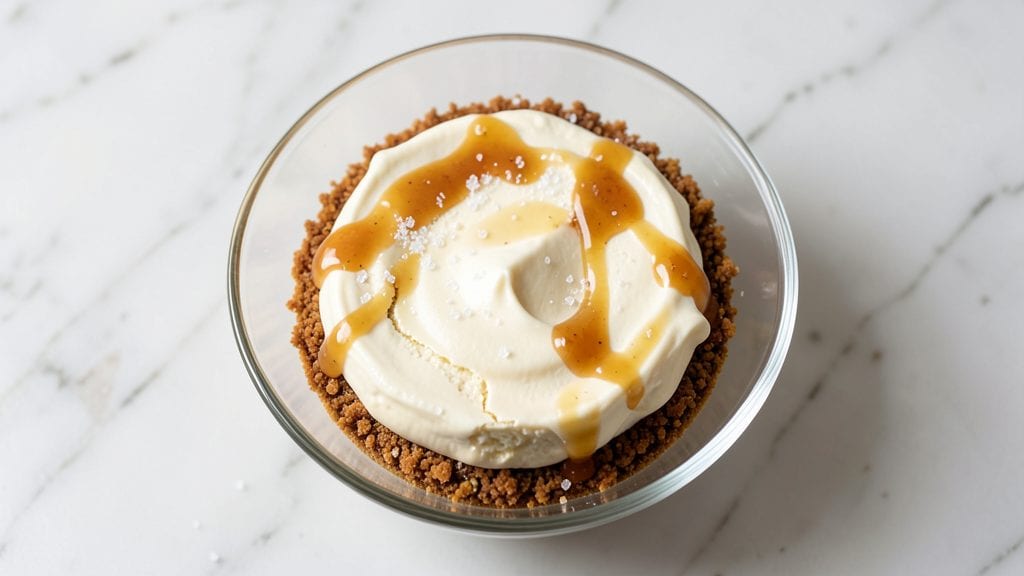
The original Philadelphia cheesecake recipe with sour cream delivers that iconic creamy texture and rich flavor—all without needing a single oven bake. The secret lies in the sour cream's ability to create that signature velvety smoothness while keeping the layers perfectly set, even when chilled.
After years of perfecting this classic, I've developed a method that ensures your cheesecake stays firm, never grainy, and always restaurant-quality.
The beauty of this no-bake approach is its simplicity: a buttery graham cracker crust forms the foundation, while the filling combines cream cheese, sour cream, and sweetened condensed milk for that signature Philadelphia tang.
The water bath method ensures even cooling, preventing cracks while maintaining that signature dense yet creamy texture. This isn't just dessert—it's a showstopper that requires no advanced techniques, just precise timing and patience.
What you'll end up with is a cheesecake that's impossibly smooth, with clean layers that stay set for hours—no wobble, no separation, just that perfect balance of sweetness and tang.
The sour cream creates a lighter texture than traditional recipes, while the graham crust adds just the right amount of crunch. Serve it with fresh berries, a drizzle of caramel, or even a dusting of cocoa powder for that final touch of elegance.
Perfect for special occasions or when you want to impress without stressing. The key is letting it set properly in the fridge, which transforms it from a filling to a firm, sliceable masterpiece. Here's how to make it—step by step, just like the original Philadelphia recipe intended.
Ingredients for original philadelphia cheesecake recipe with sour cream
Twelve essential ingredients transform into Philadelphia's iconic no-bake cheesecake—rich, creamy, and perfectly set.
| Ingredient | Amount | Notes |
|---|---|---|
| Full-Fat Sour Cream 🥛 | 1 ½ cups | Cold, full-fat for optimal creaminess |
| Philadelphia Brand Cream Cheese 🧀 | 32 oz | Room temperature for smooth blending |
| Sweetened Condensed Milk 🥛 | 1 ½ cups | Unopened can for best consistency |
| Granulated White Sugar 🍚 | ¾ cup | Fine grain preferred for smoothness |
| Vanilla Extract 🌿 | 2 tsp | Pure, high-quality vanilla |
| Diamond Crystal Kosher Salt 🧂 | ½ tsp | Fine grain for precise seasoning |
| Graham Cracker Crumbs 🍪 | 2 ½ cups | Fine texture, not coarse |
| Unsalted Butter 🧈 | ½ cup | Cold, cubed for crust |
| Fresh Strawberries 🍓 | 2 cups | Sliced, for garnish |
| Dark Chocolate Shavings 🍫 | ¼ cup | 70% cocoa, for garnish |
| Heavy Whipping Cream 🥛 | ½ cup | Cold, for optional topping |
| Lemon Juice 🍋 | 1 tbsp | Freshly squeezed, for brightness |
The Philadelphia brand cream cheese is non-negotiable here—its precise fat content ensures that signature velvety texture. Purchase the full 32-ounce block for optimal quality, and let it sit at room temperature for at least 2 hours before mixing to achieve a silky-smooth consistency. Trader Joe's and Whole Foods carry this brand reliably, though any high-quality cream cheese will suffice if unavailable. The sour cream must be full-fat and cold when added to maintain structural integrity; low-fat versions compromise the final set. For the graham cracker crust, Honey Maid or Nabisco brands yield the finest crumbs—avoid the pre-made mixes, as they often contain added oils that prevent proper binding. The sweetened condensed milk should be from an unopened can to preserve its viscosity, and Libby's is the gold standard for this application.
Substitutions must be made thoughtfully to preserve the cheesecake's signature texture. If Philadelphia brand cream cheese is unavailable, Bricker's or Wisconsin Pride offer comparable quality, though the flavor profile may differ slightly. For a dairy-free alternative, substitute the cream cheese and sour cream with full-fat coconut cream and dairy-free whipped topping, though the texture will be lighter. The vanilla extract can be replaced with vanilla bean paste for added depth, but pure extract remains the most accessible option. No sweetened condensed milk? Combine 1 cup evaporated milk with 1 cup granulated sugar, simmered until thickened. The lemon juice adds subtle brightness—if omitted, increase the vanilla to 3 teaspoons for balance. For the crust, digestive biscuits or shortbread cookies can substitute graham crackers, though the flavor will shift toward buttery rather than molasses-forward.
This cheesecake achieves its restaurant-quality firmness through precise refrigeration techniques. After assembly, place the springform pan in a large water bath (a deep dish or roasting pan filled with 1 inch of hot water) and refrigerate for at least 8 hours, ideally overnight. The water bath ensures even cooling, preventing surface cracks while maintaining a dense, sliceable texture. Once set, the cheesecake will hold its shape at room temperature for 2-3 hours, making it ideal for serving at gatherings. Store leftovers in an airtight container in the refrigerator for up to 5 days, though the flavor peaks within the first 24 hours. For longer storage, freeze individual slices wrapped in parchment paper for up to 3 months—thaw at room temperature before serving. The fresh strawberries and dark chocolate shavings should be added just before serving to preserve their vibrancy.
Why You'll Love This Recipe
- Here’s what sold me: that first bite of velvety Philadelphia cream cheese meets the caramelized sugar from the condensed milk. It’s decadent but somehow lighter than classic recipes—like a hug for your taste buds, minus the butter overload.
- I’ll be real: I’ve made this twice and still had slices the next day. The condensed milk keeps it moist longer than most recipes, and the sour cream gives it that tangy depth that never gets old. Plus, it’s cheaper than ordering dessert out—win.
Step-by-step instructions for Philadelphia cheesecake with sour cream
Here's the precise method for creating a perfectly set no-bake cheesecake with velvety layers.
Prepare the Crust Foundation
In a medium bowl, combine the 2.5 cups graham cracker crumbs with the 0.5 cup unsalted butter, melted and cooled slightly. Mix thoroughly until the crumbs are uniformly moistened and the texture resembles damp sand. This ensures even distribution of fat for a sturdy crust.
Press the mixture firmly into the bottom and slightly up the sides of a 9-inch springform pan, using the back of a measuring cup or small glass to create an even, compact layer. The crust should be about ¼-inch thick at the base. Chill in the refrigerator while you prepare the filling—this prevents melting during assembly.
Blend the Cheesecake Filling
In a large mixing bowl, beat the 32 oz Philadelphia brand cream cheese at medium speed until completely smooth and free of lumps. This takes about 3-4 minutes with an electric mixer. The cream cheese should be homogeneous and pale yellow—this is critical for achieving a silky texture.
Add the 1.5 cups full-fat sour cream, 1.5 cups sweetened condensed milk, 0.75 cup granulated white sugar, 2 tsp vanilla extract, and 0.5 tsp diamond crystal kosher salt. Mix on low speed until fully incorporated, then increase to medium and beat for an additional 2-3 minutes until the mixture is light and airy. Scrape down the sides of the bowl as needed to ensure even blending.
Assemble and Set the Cheesecake
Pour the filling over the chilled crust in the springform pan, spreading it evenly with a spatula. Gently tap the pan on the countertop 3-4 times to remove any air bubbles that may have formed during pouring. This step prevents surface cracks as the cheesecake sets.
Refrigerate the assembled cheesecake for at least 6 hours, preferably overnight. The filling should achieve a firm yet creamy consistency—it will hold its shape when gently shaken, but still yield slightly when pressed with a finger. This 6-hour minimum is non-negotiable for proper texture development.
Garnish and Serve
Once fully set, remove the cheesecake from the refrigerator 15 minutes before serving to allow the layers to soften slightly. Top with the 2 cups fresh strawberries, sliced into thin rounds, arranged in concentric circles. Sprinkle evenly with the 0.25 cup dark chocolate shavings for visual contrast and depth of flavor.
For an optional finishing touch, whip the 0.5 cup heavy whipping cream with 1 tbsp lemon juice until soft peaks form, then pipe decorative rosettes around the strawberries. Serve immediately to maintain the contrast between the cool cheesecake and the vibrant toppings. Each slice should reveal the velvety layers and crisp crust perfectly balanced.
Pro Tips For Making Original Philadelphia Cheesecake Recipe With Sour Cream
- Mix by Hand: DESCRIPTION: Skip the mixer for the batter—this isn’t cake. I learned this after three sticky, overworked batches. Use a sturdy wooden spoon or rubber spatula to fold the sour cream and cream cheese until just combined. Overmixing introduces air, and this dense recipe doesn’t need it. (Yes, it’ll look lumpy. That’s fine.)
- Chill the Cream Cheese: DESCRIPTION: Take the Philadelphia block out of the fridge 15 minutes before using. Cold cream cheese holds its shape better, but if it’s rock-hard, let it soften slightly—just enough to slice cleanly. Pro tip: Cut it into small cubes first for faster blending with the sour cream.
- Avoid Overbaking the Crust: DESCRIPTION: The original recipe’s crust is just a sweetened condensed milk-sugar base, not a pie shell. Press it into the pan, then bake it for exactly 5 minutes at 350°F—no more. Dark edges mean it’s done; if it’s still pale, you’ve gone too far. Overbaking turns it into a chewy mess.
- Sweat the Vanilla: DESCRIPTION: Split the vanilla extract: use half in the batter and simmer the other half with 1 tablespoon of condensed milk in a small saucepan for 2 minutes. Let it cool, then fold it in last. This deepens the vanilla flavor without overpowering the sour cream’s tang. (I know, it’s extra work—but it’s worth it.)
Make-ahead tips for original philadelphia cheesecake recipe with sour cream
Crust Prep Ahead
Assemble the graham cracker crust up to 24 hours before making the filling—this prevents sogginess and gives you a head start. Press the mixture into your 9-inch springform pan and refrigerate uncovered in an airtight container.
The butter will firm up slightly, making it easier to handle when you're ready to add the filling. I like to label mine with the date to track freshness—this step is especially helpful for holiday baking when prep time is limited. 📅
Filling Prep Timeline
Mix the cheesecake filling at least 4 hours before assembly to allow flavors to meld. The sour cream and cream cheese need time to fully emulsify, creating that signature velvety texture.
Store the mixed filling in the bowl (covered with plastic wrap) in the fridge—this prevents surface drying while maintaining smoothness. I find that prepping the filling the night before means I only need to assemble in the morning, making the process effortless. ✨
Water Bath Hack
For restaurant-quality firmness, place your assembled cheesecake in a large water bath (a deep dish with 1 inch of hot water) during the final 2 hours of chilling. This creates a stable environment that prevents surface cracks while ensuring even cooling.
Use a 9x13-inch baking dish as your water bath container—it's deep enough to accommodate the springform pan without spillage. The water should be hot but not boiling to avoid shocking the delicate filling. 💧
Freezing Individual Slices
Slice the fully set cheesecake into 12 equal wedges and wrap each tightly in plastic wrap, then place in a freezer bag. This prevents freezer burn and makes serving portions easy. Thaw slices at room temperature for 1-2 hours before serving—they'll retain their shape perfectly.
I keep a stash of frozen slices in my freezer for last-minute guests or when I crave cheesecake without the effort of baking. ❄️
Make-Ahead Garnish Prep
Prep your garnishes 1 day ahead to streamline serving. Store sliced strawberries in an airtight container with a paper towel to absorb moisture, and keep chocolate shavings in a small jar at room temperature.
The whipped cream topping should be made fresh, but having everything else prepped means you can assemble the presentation in minutes. I also like to toast pecans ahead of time for an alternative crunchy garnish. 🍓
Room Temperature Reset
If your cheesecake has been refrigerated for more than 24 hours, let it sit at room temperature for 30 minutes before serving. This softens the layers slightly, making each slice easier to cut and serve.
The texture remains firm but more approachable—perfect for casual gatherings. I find this step especially useful when serving cheesecake at room temperature events like brunch or picnics. 🌞
Nutrition facts
Frequently asked questions
Why does this recipe use sour cream instead of heavy cream?
The sour cream creates that signature velvety, dense texture while adding subtle tanginess that balances the sweetness. Unlike heavy cream, it helps the filling set properly without becoming grainy, making this a true no-bake cheesecake that stays firm for hours. The acidity also prevents whey separation, which is common with traditional recipes.
Can I make this cheesecake without a water bath?
While possible, the water bath is crucial for preventing surface cracks and ensuring even cooling. Without it, the top may dry out or develop a thin skin. For best results, use a 9x13-inch baking dish with 1 inch of hot water during the final 2 hours of chilling. This mimics professional techniques for restaurant-quality texture.
How do I fix a cheesecake that's too soft or runny?
If your cheesecake isn't setting properly, it likely didn't chill long enough. Return it to the fridge for an additional 4-6 hours—the filling needs at least 6 hours to fully firm up. For a quick fix, place it in the freezer for 30 minutes before serving, though the texture will be slightly icier. Always ensure your cream cheese and sour cream are fully cold before mixing.
What's the best way to store leftovers?
Wrap individual slices tightly in plastic wrap and store in an airtight container for up to 5 days in the fridge. For longer storage, freeze slices for up to 3 months—thaw at room temperature for 1-2 hours before serving. The crust stays crisp, while the filling remains creamy when properly stored.
Can I substitute graham crackers for another crust?
Yes! For a buttery flavor, use shortbread cookies or digestive biscuits crushed to fine crumbs. For a nutty twist, try pecan pie crust or almond flour mixed with melted butter. Just ensure the crumbs are finely ground to prevent a gritty texture. The ratio remains the same: 2.5 cups crumbs to 0.5 cup butter.