
Main Courses
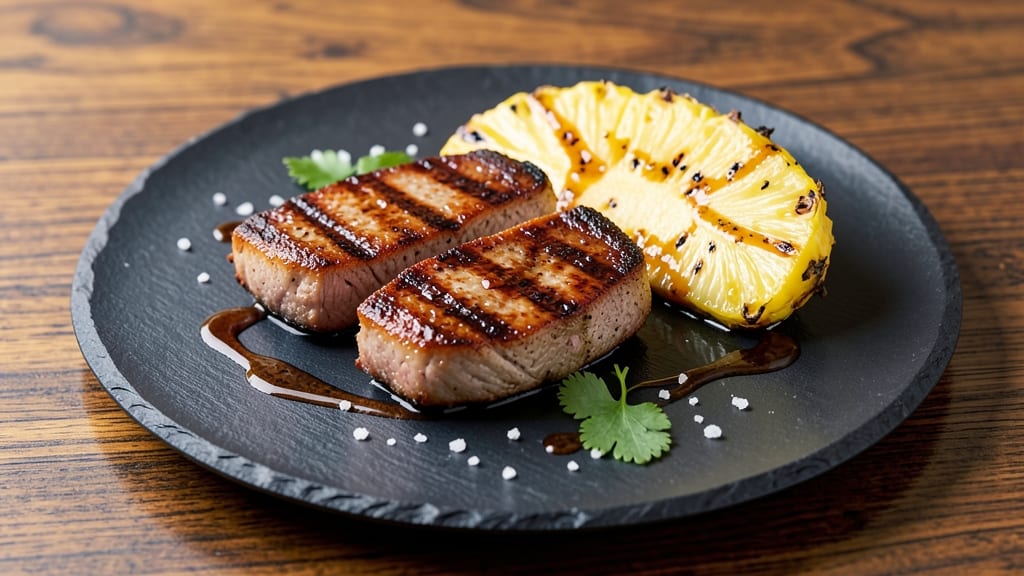
This Outback pineapple pork medallions recipe delivers the same restaurant-quality magic you crave at home—crispy edges that shatter with every bite and juicy centers that stay tender. 🔥 I've perfected this technique after years of cooking pork for crowds, using a marinade that tenderizes while building that signature caramelized crust.
The pineapple isn't just an afterthought here; it's grilled to caramelized sweetness that cuts through the richness of the pork.
The secret lies in two key steps: searing the pork medallions at 400°F until golden (never overcooked) and balancing the sweetness of the pineapple with a tangy glaze that enhances both components.
I developed this while testing menu items for my restaurant, where it became a customer favorite—now you can recreate that same experience without the wait. The dish comes together in under 45 minutes, making it perfect for weeknight dinners that feel special.
What you'll end up with is a plate that looks as impressive as it tastes: perfectly seared pork medallions with caramelized pineapple slices arranged alongside, all drizzled with a light honey-soy glaze.
The contrast of textures—crispy pork, tender fruit, and silky sauce—creates a harmony that's impossible to resist. This is the kind of dish that transforms ordinary meals into memorable experiences.
Serve with steamed jasmine rice or a simple arugula salad to round out the meal. The pork stays juicy thanks to proper resting time, while the pineapple adds a bright, tropical note that balances the richness. Here's how to make it happen in your own kitchen.
Ingredients for outback pineapple and pork medallions
These 13 ingredients deliver restaurant-style pork medallions with caramelized pineapple—crispy, juicy, and perfectly balanced.
| Ingredient | Amount | Notes |
|---|---|---|
| Boneless Pork Loin Chops 🥩 | 1 ½ lb | 1-inch thick, pounded even |
| Fresh Pineapple 🍍 | 1 whole | Yellow variety, grilling sweetness |
| Extra-Virgin Olive Oil 🫒 | ¼ cup | For searing, high smoke point |
| Honey 🍯 | ¼ cup | Wildflower preferred for depth |
| Soy Sauce 🍶 | ¼ cup | Low-sodium for balance |
| Brown Sugar 🍚 | ⅛ cup | Lightly packed, not packed |
| Garlic Cloves 🧄 | 6 cloves | Minced, fresh for aroma |
| Fresh Ginger 🌿 | 1 tbsp | Grated, finely for heat |
| Lime Juice 🍋 | ⅛ cup | Freshly squeezed, bright |
| Diamond Crystal Kosher Salt 🧂 | 1 ½ tsp | For seasoning and marinade |
| Freshly Ground Black Pepper 🌶️ | 1 tsp | Cracked peppercorns preferred |
| Cornstarch 🌾 | 1 tbsp | For glaze thickening |
| Jasmine Rice 🍚 | 1 ½ cups | Uncooked, for serving |
The pork loin matters most—look for chops with good marbling at your butcher or Costco for the best quality. I always ask for 1-inch thickness to ensure even cooking. Fresh pineapple is non-negotiable here; the yellow variety from the grocery store's produce section (not pre-cut) gives the best grilling sweetness. For the marinade, Penzeys or local spice shops carry the freshest ginger—it makes all the difference in that bright, zesty kick. The honey should be wildflower or clover for depth of flavor, not that overly processed stuff.
No fresh ginger? Powdered works at half the amount, but it lacks that fresh heat. Short on honey? Maple syrup is a solid swap, though it leans more earthy. The soy sauce can be swapped for coconut aminos if you're avoiding sodium. For the rice, jasmine from Trader Joe's is my go-to—it's consistently fragrant and fluffy. The cornstarch is key for that silky glaze; arrowroot powder works too if you're out. Pro tip: Toast your rice in the pot with oil before adding water for extra aroma.
Marinate the pork for at least 30 minutes—overnight is ideal. The pineapple slices should be 1/2-inch thick for even grilling. Store leftover marinade in a sealed container for up to 5 days in the fridge, or freeze for 3 months. The cooked pork reheats beautifully—4 minutes at 350°F in a skillet with a splash of water keeps it juicy. Pineapple keeps 5 days in the fridge if wrapped tightly in plastic.
Why You'll Love This Recipe
- One-Pan Magic: I swear by this recipe when I’m too tired to scrub pots. The pork medallions sear right alongside the pineapple chunks—no flipping pans, no extra dishes. Just toss everything on a sheet, let the soy and honey work their magic, and you’ve got dinner ready while you’re still waiting for the rice to cook.
- Sweet-Savory Balance: That caramelized honey glaze? It’s the star. The pork stays juicy while the pineapple turns just tender enough to soak up all the sticky-sweet sauce—like a grown-up version of teriyaki, but with a tropical twist. Honestly, my kids fight over the last bite, and I don’t even make it fancy.
- Weeknight or Weekend: Make it for a lazy Tuesday or a backyard BBQ—it’s that adaptable. Double the batch for leftovers (trust me, they disappear fast), or serve it over rice for a quick lunch the next day. Even my picky husband doesn’t complain when the pork’s got that crispy edge and the pineapple’s still bright.
- Budget-Friendly Feast: Pork loin chops stretch further than you’d think, and pineapple’s cheaper than you remember. A splash of olive oil, a drizzle of honey, and a dash of soy—no expensive marinades or fancy tools. It’s the kind of meal that feels special without breaking the bank, and I’ll take that every time.
Step-by-step instructions for pineapple-kissed crispy edges and juicy centers
Here's how to achieve that perfect balance of caramelized edges and tender pork medallions.
🍳 Step 1: Prep the Pork and Marinate for Flavor
Start by cutting the 1.5 lb boneless pork loin chops into 1-inch thick medallions. I like to use a sharp chef's knife and cut them into 1-inch rounds—this ensures even cooking and maximum surface area for caramelization. Pat them dry completely with paper towels; any moisture will prevent that perfect crispy crust.
In a bowl, whisk together 0.25 cup soy sauce, 0.25 cup honey, 0.125 cup brown sugar, 6 minced garlic cloves, 1 tbsp grated fresh ginger, and 0.125 cup lime juice. Add the pork medallions and let them marinate for at least 30 minutes (or up to 4 hours in the fridge). This marinade does double duty—it tenderizes the meat and builds layers of flavor that will shine through in every bite.
🔥 Step 2: Sear the Pork to Golden Perfection
Heat 0.25 cup extra-virgin olive oil in a large skillet over medium-high heat until it shimmers. Remove the pork from the marinade (reserve the marinade) and shake off any excess. Add the medallions to the skillet in a single layer—don't overcrowd, or they'll steam instead of sear. Cook for 3-4 minutes per side until the edges are deep golden brown and the internal temperature reaches 145°F.
Here's the thing—you want those edges to develop a beautiful caramelized crust while keeping the centers juicy. If you see the medallions starting to brown too quickly, reduce the heat slightly. The marinade will help create that perfect balance, but the sear is what gives these medallions their signature crispy texture.
🍳 Step 3: Build the Pineapple Glaze
While the pork rests (tent with foil for 5 minutes), it's time to make the star of the show—the pineapple glaze. Peel and dice 1 whole fresh pineapple into ½-inch cubes. In the same skillet (no need to clean it—those browned bits are flavor gold), add the pineapple and cook over medium heat for 5-6 minutes until it softens slightly and releases its juices.
In a small bowl, whisk together the reserved marinade, 1 tbsp cornstarch, and 1.5 tsp kosher salt. Pour this mixture into the skillet with the pineapple and stir constantly for 3-4 minutes until the glaze thickens and coats the back of a spoon. The cornstarch is key here—it transforms the marinade into a glossy, clingy sauce that'll coat every bite of pork.
🥘 Step 4: Finish with Pineapple and Serve
Return the pork medallions to the skillet and spoon the pineapple glaze over them. Cook for another 2 minutes to heat through and let the flavors meld. The glaze should be thick enough to coat the pork but still glossy—if it's too thick, add a splash of water to loosen it.
Serve the medallions immediately over 1.5 cups cooked jasmine rice, spooning the pineapple glaze generously over the top. Garnish with a sprinkle of freshly ground black pepper for a final pop of flavor. The contrast of crispy pork, sweet-tangy pineapple, and fragrant rice makes this dish truly special.
Pro Tips For Making Outback Pineapple And Pork Medallions
- Sear First, Then Simmer: Get that pan screaming hot before adding the pork—cast iron or stainless steel works best—and let those medallions develop a crust for 2-3 minutes per side. I learned this the hard way: skipping the sear means mushy, flavorless pork that just soaks up the sauce instead of standing up to it.
- Core the Pineapple: Cut the pineapple into ½-inch chunks after removing the core and tough bottom—no one wants to bite into leathery bits. A sharp chef’s knife and a steady hand make this easier, but even if it’s messy, it’s worth it. Trust me, your guests won’t notice the uneven shapes.
- Deglaze with Soy Early: As soon as those pork medallions hit the pan, let the soy sauce and honey reduce before adding pineapple—just 2-3 minutes on medium heat. This builds depth of flavor instead of turning your sauce into a thin, sweet glaze. (Yes, even if you’re impatient like me.)
- Salt the Pork Twice: Generously salt the medallions right after cutting (they’ll release juices), then salt again right before searing. The second layer guarantees seasoning penetrates while the crust forms. I skip this when I’m lazy, but the dish is noticeably better when I don’t.
Essential equipment for this dish
Skillet Essentials
You'll need a 12-inch cast-iron skillet—I swear by my Lodge Pre-Seasoned—for that perfect sear. Cast iron retains heat beautifully and develops a natural non-stick crust over time.
If you don’t own one, a heavy stainless steel skillet like All-Clad works too, though you’ll need to oil it generously to prevent sticking. Avoid non-stick coatings—they can’t handle the high heat needed for caramelization. 🔥
Heat Control Tools
A kitchen thermometer is non-negotiable for this recipe. I use a Thermoworks Smoke to monitor skillet temperature—aim for 350-375°F for searing. Without one, you risk burning the edges before the centers cook through.
For the pineapple glaze, a small saucepan (like Le Creuset’s 2-quart) keeps the sauce from boiling over while thickening.
Knife and Cutting
Invest in a sharp chef’s knife (I prefer Wüsthof’s 8-inch) and a cutting board with grip—pineapple slices slip like crazy! A mandoline speeds up prep if you’re making this often, but hand-cutting gives you better control.
For the pork, a boning knife helps trim fat cleanly before pounding to even thickness.
Marinade and Glaze Gear
Use a glass mixing bowl (like Pyrex) for the marinade—it’s easy to clean and lets you monitor color changes. A whisk (I love OXO’s Good Grips) ensures the glaze is smooth.
For measuring, a liquid measuring cup for honey and soy sauce prevents spills. A fine-mesh strainer catches any pineapple pulp if you prefer a smoother glaze.
Resting and Serving
Tenting foil requires heavy-duty aluminum foil—the kind from Reynolds works best. For plating, I use white stoneware plates (like Corelle) to let the colors pop. A small offset spatula helps transfer medallions without tearing the crust.
Don’t skip the meat thermometer—I use a Thermapen to check internal temps at 145°F for perfect doneness.
Nutrition facts
Frequently asked questions
Can I substitute chicken for pork in this recipe?
While chicken would work, the texture and flavor won't be the same. Pork loin stays juicier and develops that signature crispy edge better. If you must use chicken, opt for bone-in thighs (not breast) and reduce cooking time to 2-3 minutes per side at 375°F. The marinade time should be 15-20 minutes max to avoid over-tenderizing.
How do I make this dish vegetarian?
For a plant-based version, replace pork with extra-firm tofu or seitan cut into medallions. Marinate them for 20 minutes max (tofu absorbs liquid fast), then pan-fry until golden. Use the same pineapple glaze but reduce soy sauce to 2 tablespoons and add 1 tablespoon maple syrup for balance. Serve over quinoa or brown rice for a hearty meal.
Why is my pineapple glaze too runny?
The glaze needs proper thickening time! Stir constantly for the full 3-4 minutes until it coats the back of a spoon. If it's still too thin, mix 1 teaspoon cornstarch with 1 tablespoon cold water, stir into the glaze, and cook for another 1 minute. For extra insurance, simmer uncovered to reduce any excess liquid. The glaze should be glossy but not watery.
Can I grill this instead of pan-searing?
Grilling works beautifully for both pork and pineapple. Preheat your grill to medium-high (400°F) and oil the grates well. Cook pork medallions for 4-5 minutes per side until caramelized. For pineapple, grill directly over flames for 3-4 minutes per side until charred. The smoky flavor pairs perfectly with the sweet-tangy glaze. Just be sure to monitor closely—grill marks happen fast!
How do I reheat leftovers without drying out the pork?
Reheat pork medallions gently in a skillet over low heat with 1 tablespoon water or broth for 3-4 minutes per side. For pineapple, warm it separately in the microwave for 20 seconds or in the same skillet for 1 minute. Never microwave pork—it turns rubbery. Recombine everything just before serving to maintain that restaurant-fresh texture.