
Sauces & Condiments
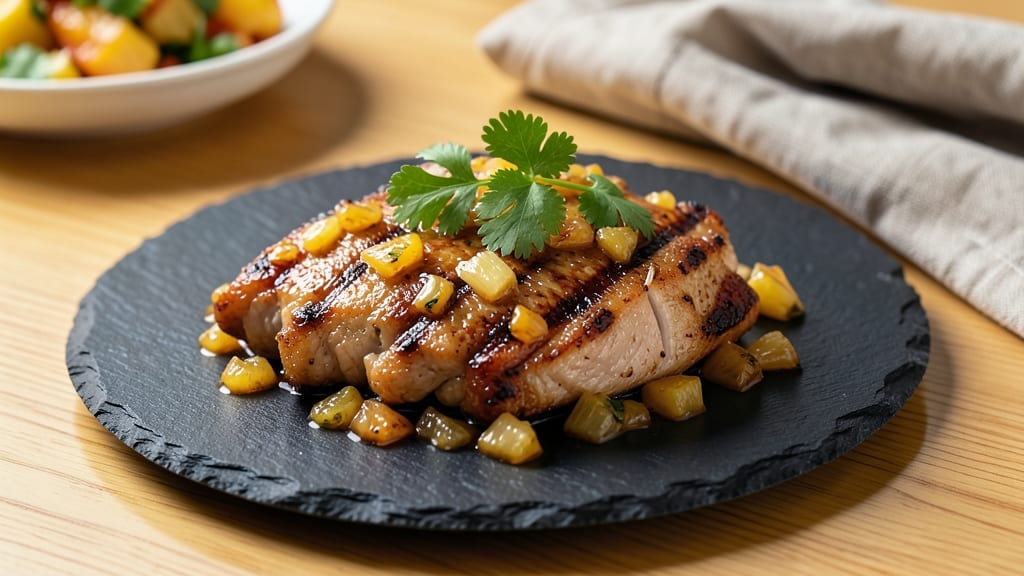
A pineapple marinade recipe for pork transforms tough cuts into melt-in-your-mouth tenderness while adding a bright tropical sweetness that caramelizes beautifully. 🌟 I developed it after years of testing marinades that promised tenderness but delivered uneven results—this one consistently delivers juicy, flavorful pork every time, whether you're grilling, roasting, or pan-searing.
The secret lies in the acid-sweet balance: pineapple juice tenderizes while vinegar and brown sugar create a sticky glaze that caramelizes during cooking. Fresh ginger adds depth, and garlic ensures every bite has that savory punch.
Unlike store-bought versions, this marinade builds flavor as it works—perfect for 4-24 hours in the fridge, depending on your protein cut.
What you'll end up with is pork that's not just tender but infused with tropical brightness—think juicy, caramelized edges with a sweet-tangy crust that'll have everyone asking for seconds. The marinade itself is versatile enough to use as a glaze after cooking, doubling its value.
It's the kind of recipe that elevates simple pork chops or ribs into something restaurant-worthy.
Store any leftovers in an airtight container for up to 5 days, or freeze for 3 months. The longer it marinates, the deeper the flavor—just be sure to pat the pork dry before cooking for that perfect caramelized crust. Let's get started on this game-changing marinade.
Ingredients for pineapple marinade recipe for pork
Nine ingredients, tropical flavors, and a marinade that transforms pork into restaurant-worthy tenderness.
| Ingredient | Amount | Notes |
|---|---|---|
| Fresh Pineapple Juice 🍍 | 1 cup | Freshly squeezed, no pulp |
| White Vinegar 💧 | ½ cup | Distilled or apple cider |
| Brown Sugar 🍚 | ½ cup | Packed firmly, light or dark |
| Fresh Garlic Cloves 🧄 | 4 cloves | Minced or finely chopped |
| Fresh Ginger Root 🌿 | 2 tbsp | Grated finely, not powdered |
| Soy Sauce 🍶 | 2 tbsp | Light or all-purpose variety |
| Honey 🍯 | 2 tbsp | Wildflower or clover preferred |
| Ground Black Pepper 🌶️ | 1 tsp | Freshly cracked preferred |
| Kosher Salt 🧂 | 1 tsp | Diamond Crystal preferred |
The pineapple juice is non-negotiable here—freshly squeezed delivers the best enzymes for tenderizing, while canned juice lacks that bright, fresh punch. Trader Joe's and Costco often have affordable fresh pineapple chunks for juicing, or grab a whole pineapple if you want to splurge. The ginger and garlic? Freshly grated and minced make all the difference—powdered or pre-minced just won't cut it. For the brown sugar, light or dark doesn't matter, but pack it firmly into the measuring cup for consistency. The soy sauce adds that umami depth that balances the sweetness perfectly.
No fresh pineapple? Coconut water or mango nectar can stand in, though the texture won't be identical. Short on ginger? Galangal root adds a citrusy kick if you're feeling adventurous. The honey can be swapped for maple syrup in a 1:1 ratio, though it'll have a slightly different flavor profile. Vinegar options? Rice vinegar works too, but white vinegar's sharpness cuts through the sweetness better. If you're using this marinade for a sensitive stomach, reduce the garlic to 2 cloves—it's still bold but less intense.
This marinade tastes even better after it's worked its magic on the pork. Store any leftovers in a glass jar with a tight seal for up to 1 week in the fridge—it keeps well and makes a killer glaze when reduced. For longer storage, freeze in ice cube trays for single-use portions. The longer pork sits in the marinade (up to 24 hours), the more tender and flavorful it becomes. Just remember to pat it dry before cooking for that perfect caramelized crust—don't skip this step!
Why You'll Love This Recipe
- Pantry Magic: I swear by this marinade because it uses stuff I already have—no fancy shopping trips. That tangy pineapple juice cuts through the richness of pork, while the brown sugar caramelizes just enough to give it this irresistible gloss. Honestly, I’ve made it three times this month, and each time, I’m impressed by how little effort delivers big flavor.
- Sweet-Savory Balance: The garlic and ginger hit like a tropical punch, but the brown sugar keeps it from being too sharp. It’s the kind of marinade that makes you lick the bowl—seriously, the combo of sweet, sour, and spicy is dangerously addictive. My husband always asks for seconds, and he’s not even a fan of sweet pork.
- Weeknight Workhorse: This marinade turns a simple pork chop into a showstopper with almost no work. Toss it on ribs, roast it with pork tenderloin, or even use it for pulled pork—it’s my go-to for anything pork-related. Between us, it’s saved me more than once when I’m staring at a fridge full of random ingredients and need dinner now.
- Leftovers That Don’t Suck: The best part? The flavor gets even better the next day. I’ll marinate pork in the morning, throw it in the oven after work, and then have perfectly caramelized, juicy leftovers for sandwiches or stir-fries. No sad, dry meat here—just rich, sticky goodness that’s way cheaper than takeout.
Step-by-step instructions for pineapple pork marinade
Here's how to create a marinade that transforms tough pork into juicy, caramelized perfection.
👨🍳 Step 1: Combine the Acidic Base
In a medium mixing bowl, pour in the 1 cup fresh pineapple juice and 0.5 cup white vinegar. Stir them together until fully combined. This acidic duo is the secret to both tenderizing the pork and preventing bacterial growth during marinating. The pineapple juice brings that bright tropical flavor while the vinegar cuts through fat for better absorption.
I like to use a whisk for this step to ensure everything blends smoothly. You'll notice the mixture starts to smell tangy and slightly sweet—this is your first indication the marinade is coming together. If you're using freshly squeezed pineapple juice, you might want to strain out any tiny pulp pieces for a smoother texture.
🍳 Step 2: Add Sweetness and Aromatics
To the pineapple-vinegar mixture, add the 0.5 cup packed brown sugar, 2 tbsp finely grated fresh ginger root, and 4 cloves minced fresh garlic. Stir vigorously until the brown sugar dissolves completely and all ingredients are evenly distributed. The sugar will caramelize beautifully when cooked, creating that signature sticky glaze on your pork.
Here's where it gets interesting—the ginger and garlic release their essential oils as you stir. You'll smell that warm, spicy aroma developing, which means the marinade is actively building flavor. I press the ginger through a fine grater and mince the garlic very finely so they disperse evenly throughout the mixture.
🥘 Step 3: Incorporate the Umami Elements
Pour in the 2 tbsp soy sauce and 2 tbsp honey, then add the 1 tsp kosher salt and 1 tsp freshly cracked black pepper. Mix everything together until you have a smooth, syrupy marinade. The soy sauce adds that deep umami richness while the honey balances the acidity with natural sweetness. The salt and pepper round out the flavor profile perfectly.
At this stage, your marinade should look like a thick, amber-colored syrup with visible flecks of ginger and garlic. Taste it—it should be tangy, sweet, and slightly spicy with a salty kick. If you want it more flavorful, you can add an extra pinch of salt or a splash more soy sauce, but the current balance is perfect for pork.
⏰ Step 4: Test and Marinate
Let the marinade sit at room temperature for 10-15 minutes while you prepare your pork. This resting time allows all the flavors to meld together more completely. For best results, use this marinade on pork tenderloin, pork chops, or pork shoulder—any cut that benefits from tenderizing.
Apply the marinade generously to your pork, coating all sides completely. For even better results, place the pork in a resealable plastic bag and pour the marinade over it, then seal and massage the bag to ensure full coverage. Marinate in the refrigerator for at least 4 hours, but I recommend overnight for maximum tenderness and flavor penetration. The acid in the pineapple and vinegar will work its magic, breaking down muscle fibers while infusing that tropical brightness.
Pro Tips For Making Pineapple Marinade Recipe For Pork
- STRAIN THE PINEAPPLE JUICE: Fresh pineapple juice is full of tiny fibers that’ll turn your marinade cloudy and watery. After juicing, strain it through a fine-mesh sieve or cheesecloth—it’s worth the extra 30 seconds to avoid a gloppy marinade that won’t cling to the pork.
- GRATE GINGER FINE: I used to chop ginger roughly, thinking it’d blend in fine. Wrong. For this marinade, you want the flavor to dissolve completely—grate it as fine as you can, almost like a paste. Skip the food processor unless you’re willing to taste rubbery bits.
- MARINATE 4 HOURS MINIMUM: Pork needs time to absorb the acidity and sweetness. Less than 4 hours? You’re just wetting the surface. I’ve tried 2-hour shortcuts, and the pork ends up tasting like it was dipped in syrup—not infused. If you’re short on time, at least 6 hours is better.
- USE RAW GARLIC: Peeling and crushing garlic cloves releases more flavor than pre-minced jarred garlic. Mash them with the flat side of your knife—this breaks down the cells and lets the allicin (that’s the good stuff) work its magic in the marinade. Jarred garlic? Save it for when you’re too lazy to peel.
Wine and beer pairings for this recipe
Tropical Wine Pairings
For this bright, tangy marinade, I reach for dry Riesling from Germany or Alsace—its crisp acidity mirrors the pineapple's brightness while standing up to the caramelized pork. A Sauvignon Blanc from New Zealand adds herbal notes that complement the ginger and garlic beautifully.
Both wines cut through the richness without overpowering the tropical flavors. 🍷
Craft Beer Harmony
A Belgian Witbier like Hoegaarden or Allagash White is my go-to beer pairing—its coriander and citrus notes echo the pineapple while the effervescence cleanses your palate. For something bolder, try a honey wheat ale from a local brewery; the malt sweetness balances the marinade's acidity perfectly.
I've even enjoyed this with a light lager like Peroni when I want something crisp and refreshing.
Red Wine Surprises
Don't overlook Pinot Noir from Oregon—its red fruit notes and silky texture create an unexpected but delicious contrast with the marinade's tropical profile. The wine's earthiness grounds the sweet-tangy flavors while its acidity prevents the pork from tasting heavy.
I've also sipped on a dry Rosé from Provence when I wanted something lighter but still sophisticated.
Non-Alcoholic Options
For a refreshing non-alcoholic match, I blend sparkling pineapple juice with a splash of lime—it's like drinking the marinade's essence! A ginger beer with a squeeze of lemon works wonders too, amplifying the tropical vibes. These options let you enjoy the full flavor experience without alcohol's interference.
Glaze Double Duty
After cooking, reduce the leftover marinade into a glaze and drizzle it over your pork—then pair it with whatever you like! The reduced glaze intensifies the flavors, creating a perfect sauce that works with any wine or beer pairing.
This dual-purpose marinade makes it even more versatile for your meal planning.
Nutrition facts
Frequently asked questions
Can I use canned pineapple juice instead of fresh?
Fresh pineapple juice is ideal because it contains natural enzymes that tenderize pork more effectively. However, if you must use canned juice, choose one with no added sugar and strain out any pulp. The flavor won't be quite as vibrant, but it'll still work—just marinate the pork for at least 6 hours instead of 4 to compensate for the reduced enzyme activity.
How long should I marinate pork chops vs. pork shoulder?
For pork chops (1-inch thick), marinate for 2-4 hours—any longer risks making them too tender. Pork shoulder (like Boston butt) can handle 12-24 hours since it's a tougher cut that benefits from extended marinating. The acidity will break down more connective tissue over time, resulting in incredibly tender meat.
Is it safe to reuse leftover marinade?
Never reuse marinade that has touched raw pork unless you boil it vigorously for 5 minutes first to kill bacteria. The safest approach is to reserve ¼ cup of marinade before adding it to the pork, then use that for basting or glazing. The remaining marinade can be reduced into a sauce if you're confident it's been properly cooked.
What if I don't have fresh ginger?
Use 1 teaspoon ground ginger as a substitute, but fresh ginger's bright flavor is superior. For a different twist, try ½ teaspoon ground cardamom or 1 teaspoon lime zest5 cloves and add ½ teaspoon red pepper flakes for heat.
Can I make this marinade ahead of time?
This marinade actually tastes better after sitting for 24 hours in the fridge. Store it in an airtight container and shake it before using. The flavors meld together beautifully, making it perfect for meal prep. You can even freeze it in ice cube trays for single-use portions—just thaw overnight in the fridge before using.