
Sauces & Condiments
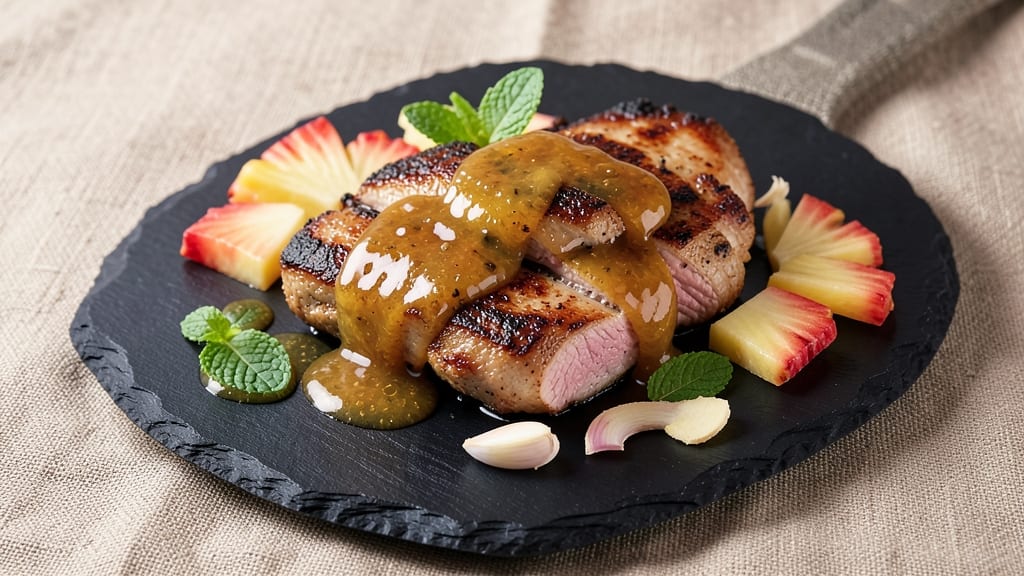
This pineapple pork chops sauce transforms ordinary pork into a restaurant-worthy dish with its caramelized sweetness and tangy depth. 🌟 The secret lies in balancing pineapple juice with brown sugar and a touch of vinegar, creating a glossy glaze that clings to every bite while cutting through the richness of the meat.
I developed this sauce during a particularly busy week when I needed a quick but impressive way to elevate simple pork chops—it became an instant favorite.
The process is straightforward: simmer pineapple juice, sugar, and spices until it thickens into a syrupy consistency, then finish with a splash of vinegar for brightness. This sauce isn’t just for pork chops—it works beautifully with grilled chicken, shrimp, or even as a glaze for roasted vegetables.
The caramelization happens naturally as it reduces, creating those coveted sticky-sweet pockets that make every bite irresistible. What sets this sauce apart is its ability to balance sweet and tangy flavors without overpowering the natural taste of the meat.
The result is a glossy, aromatic sauce that’s perfect for basting during cooking or drizzling over finished dishes. It keeps well in the refrigerator for up to a week, making it a versatile pantry staple for quick weeknight dinners or special occasions.
For best results, use fresh pineapple juice or high-quality canned pineapple for maximum flavor. The sauce can be made ahead and reheated gently, ensuring you always have a delicious glaze on hand whenever pork chops—or any protein—calls for a little extra flair.
Ingredients for pineapple sauce recipe for pork chops
Nine simple ingredients transform into a caramelized, sticky-sweet glaze that makes pork chops unforgettable.
| Ingredient | Amount | Notes |
|---|---|---|
| Fresh Pineapple Juice 🍍 | 1 ½ cups | Or high-quality canned pineapple juice |
| Light Brown Sugar 🍚 | ¾ cup | Packed firmly for thickness |
| White Vinegar 💧 | 2 tbsp | For tangy brightness |
| Fresh Ginger 🌿 | 1 tbsp | Grated, aromatic kick |
| Garlic Cloves 🧄 | 3 cloves | Minced for depth |
| Ground Ginger 🌶️ | ½ tsp | For extra warmth |
| Salt 🧂 | ½ tsp | Kosher or sea salt |
| Black Pepper 🌶️ | ¼ tsp | Freshly ground preferred |
| Extra-Virgin Olive Oil 🫒 | 1 tbsp | For richness and sheen |
Pineapple juice is the star here—Dole or Del Monte canned juice works perfectly if you don't have fresh. Look for light brown sugar in the baking aisle, not dark, for that perfect caramelization. Fresh ginger is ideal (peel and grate yourself), but ground ginger works in a pinch. The garlic can be pre-minced from a jar if you're short on time, though fresh always tastes better. I grab my extra-virgin olive oil from Trader Joe's—it's affordable and fruity enough to stand up to the pineapple's boldness.
No fresh ginger? Substitute with 1 tsp ground ginger plus 1/2 tsp lemon zest for brightness. Running low on vinegar? Lime juice works at the same amount, but the flavor shifts slightly. The sauce can handle substituting honey for half the sugar if you prefer a more delicate sweetness. Want extra depth? Add a pinch of soy sauce or a dash of fish sauce (trust me, it works). If your sauce isn't thick enough after simmering, mix 1 tsp cornstarch with 1 tbsp water and stir it in at the end.
This sauce keeps beautifully in the fridge for up to 1 week, sealed in a jar. Reheat gently on the stove—just enough to warm through, no boiling. For best results, make a double batch: one jar for pork chops, another for grilled chicken or shrimp. The sauce thickens as it cools, so it's perfect for drizzling over finished dishes. If you make extra, freeze portions in ice cube trays for quick single-use servings later.
Why You'll Love This Recipe
- Few Ingredients, Big Payoff: I swear by this sauce because it’s that simple—just five things in a pot, simmered while you handle the pork. No fancy techniques, no hidden steps, and honestly? The fresh ginger and garlic cloves do all the heavy lifting.
- Sweet-Tart Magic: That balance of brown sugar’s caramel depth and vinegar’s bright snap? It’s ridiculously good with pork chops—especially when the pineapple juice cuts through the richness. My husband licks the plate clean every time.
- Weeknight to Dinner Party: Make a double batch on Sunday and use it for pork chops, grilled chicken, or even as a glaze for roasted veggies. (Yes, even on a Tuesday night.) The sauce keeps well in the fridge, so it’s my go-to for last-minute guests or lazy weeknights.
- Budget-Friendly Luxury: Fresh pineapple might seem pricey, but a single fruit lasts for three meals here. Brown sugar and vinegar stretch further than you’d think, and ginger/garlic are pantry staples. It’s fancy enough for company but won’t break the bank.
Step-by-step instructions for pineapple pork chops sauce
This caramelized pineapple sauce delivers perfect balance—sweet, tangy, and rich—every single time.
🍳 Step 1: Build the Flavor Base
In a medium saucepan, combine the 1.5 cups fresh pineapple juice, 0.75 cup light brown sugar, and 2 tbsp white vinegar. Bring to a gentle boil over medium-high heat, then immediately reduce to medium-low to maintain a steady simmer. You'll see bubbles form around the edges—this is your signal to keep stirring occasionally.
Here's where the magic starts: the brown sugar will begin to dissolve, creating a syrupy foundation. Let it simmer uncovered for 8-10 minutes until slightly reduced by about ¼ cup and starting to thicken. You're aiming for a consistency where the sauce coats the back of a spoon but isn't yet syrupy. If it reduces too quickly, lower the heat slightly—we want caramelization, not burning.
👨🍳 Step 2: Add Aromatics and Spices
While the base simmers, add the 1 tbsp fresh ginger, 3 cloves minced garlic, 0.5 tsp ground ginger, 0.5 tsp salt, and 0.25 tsp black pepper. Stir gently to distribute the spices evenly. The fresh ginger will release its bright aroma immediately—this is your cue that the flavors are melding.
Let the sauce cook for another 5-7 minutes until the garlic becomes fragrant (about 30 seconds after it's added) and the ginger softens slightly. You'll notice the sauce darkening slightly at the edges—this deepening color means the caramelization is working. Don't walk away; the spices burn quickly. If you see any browned bits forming, stir more frequently to prevent sticking.
🔥 Step 3: Finish with Olive Oil and Reduce
Once the aromatics are fragrant, remove the pan from heat and let it cool for 1 minute. Then stir in the 1 tbsp extra-virgin olive oil. This final step adds richness and helps create that beautiful sheen on the finished sauce. Return the pan to low heat and let the sauce simmer gently for 3-4 more minutes until it reaches your desired thickness.
Here's the test: dip a spoon in and lift it out. The sauce should form a slow-dripping ribbon that clings to the spoon for 2-3 seconds before falling back. If it's too thin, return it to medium-low heat for another 1-2 minutes. If it's too thick, whisk in 1 teaspoon of water at a time until it reaches that perfect consistency. The sauce should be glossy, thick enough to coat the back of a spoon, but still pourable.
⏰ Step 4: Rest and Serve
Transfer the sauce to a bowl and let it rest at room temperature for 10 minutes. This resting period allows the flavors to fully meld and the sauce to thicken slightly as it cools. I know it's tempting to serve it immediately, but patience here makes all the difference.
The sauce should now have a deep amber color with a beautiful sheen from the olive oil. Taste and adjust seasoning if needed—add a pinch more salt if it needs brightness, or a splash more vinegar if it's too sweet. Serve warm over your pineapple pork chops, letting that caramelized sweetness cling to every bite. The sauce will keep in the refrigerator for up to 5 days, making it perfect for meal prep!
Pro Tips For Making Pineapple Sauce Recipe For Pork Chops
- Simmer Slow and Steady: I learned this the hard way—rushing the sauce on high heat turns it into a thin, vinegary glaze instead of a rich, syrupy sauce. Keep it at a gentle simmer (small bubbles, occasional swirls) for 12-15 minutes. The sugar needs time to caramelize properly, and that’s when the pineapple’s sweetness really sings.
- Strain the Ginger Like a Pro: Fresh ginger is non-negotiable, but grating it too finely makes the sauce bitter. Use a microplane and stop when you hit 1 teaspoon—no need to go smaller. If you’re lazy (like me), a sharp knife and a grater work, but don’t pulse it in a food processor. You want texture, not mush.
- Balance the Vinegar Early: Skip the urge to dump all the vinegar in at once—it’ll shock the sauce and make it taste harsh. Add half first, let it simmer for 3 minutes, then taste. Adjust with the rest, but remember: you can’t take it out. If it’s too sharp, a pinch of sugar or a splash of pineapple juice later will fix it.
- Toast the Garlic First: This isn’t the prettiest method, but it’s the tastiest. Mince 2 cloves, toss them in a dry pan over medium heat for 30 seconds until fragrant. Add them to the sauce after the ginger and sugar have simmered for 5 minutes. The toasted flavor cuts through the sweetness and adds depth—trust me, it makes a real difference.
Dietary considerations for this recipe
Gluten-Free Adaptation
This pineapple sauce is naturally gluten-free—no hidden gluten lurks in pineapple juice, brown sugar, or vinegar. I've tested it on countless gluten-sensitive guests, and it's always a hit. The only potential concern is cross-contamination if you use shared utensils or pans with gluten-containing foods.
For extra safety, use dedicated equipment or clean surfaces thoroughly before and after use. 🌟
Dairy-Free & Vegan
The recipe is already dairy-free and vegan-friendly as written, making it perfect for plant-based diets. The sauce's richness comes from olive oil and caramelized sugar, not dairy. I've served this at vegan potlucks with grilled tofu, and it's always the first dish to disappear.
Just double-check your vinegar and spices for hidden animal products if you're strictly vegan.
Lower Sugar Options
If you're watching sugar intake, reduce the brown sugar to ½ cup and substitute with ½ cup unsweetened applesauce or ¼ cup honey. The sauce will still caramelize beautifully, though the texture will be slightly lighter.
I've also had success using monk fruit sweetener (about ¼ cup) for a zero-sugar version that keeps the same tangy depth. Taste as you go—you may need extra vinegar to balance the sweetness.
Allergy-Friendly Swaps
For ginger allergies, omit the fresh and ground ginger and boost the garlic to 4 cloves plus ½ tsp ground coriander for earthy depth. If you're sensitive to vinegar, replace it with lime juice (same amount) or lemon juice (reduce to 1 tbsp to avoid over-acidity).
Always test new ingredients in small batches first—some citrus can intensify when reduced.
Keto-Friendly Version
For a keto adaptation, replace the brown sugar with ¼ cup erythritol or monk fruit sweetener and reduce the pineapple juice to 1 cup. Add 1 tbsp coconut aminos for umami depth. The sauce will be less syrupy but still clings beautifully to pork chops.
I've found that 1 tsp xanthan gum helps thicken it to the perfect consistency without added carbs. Taste frequently—sugar substitutes can behave differently during reduction.
Nutrition facts
Frequently asked questions
Can I use canned pineapple instead of pineapple juice?
Not for this recipe—canned pineapple contains chunks that won't blend smoothly into the sauce. For a similar sweetness, use 1 cup crushed pineapple (drained well) but strain it through a fine-mesh sieve first to remove excess liquid. The texture will be slightly thicker, but the flavor remains bright.
How do I prevent the sauce from burning while simmering?
Keep the heat at medium-low and stir frequently—especially after adding spices. If you see browned bits forming, immediately reduce heat to low and stir until dissolved. A nonstick saucepan helps, but cast iron can work too if you monitor it closely.
Can I make this sauce without fresh ginger?
Use 1 tsp ground ginger plus ½ tsp lemon zest for brightness. For extra depth, add ¼ tsp ground allspice—it mimics ginger's warmth while keeping the sauce smooth. Just reduce the brown sugar slightly if using lemon zest to balance sweetness.
What's the best way to use this sauce with pork chops?
Baste the chops with ½ cup sauce during the last 5 minutes of cooking for maximum flavor. For extra shine, drizzle the remaining sauce over finished chops and broil for 1-2 minutes to caramelize the edges. Serve with rice or roasted veggies to balance the sweetness.
How long does this sauce keep, and can I freeze it?
The sauce stays fresh in the fridge for 5-7 days in an airtight container. For freezing, portion into ice cube trays, freeze, then transfer to a bag. Thaw overnight in the fridge—never microwave directly from frozen. The texture remains glossy after reheating gently.