
Main Courses
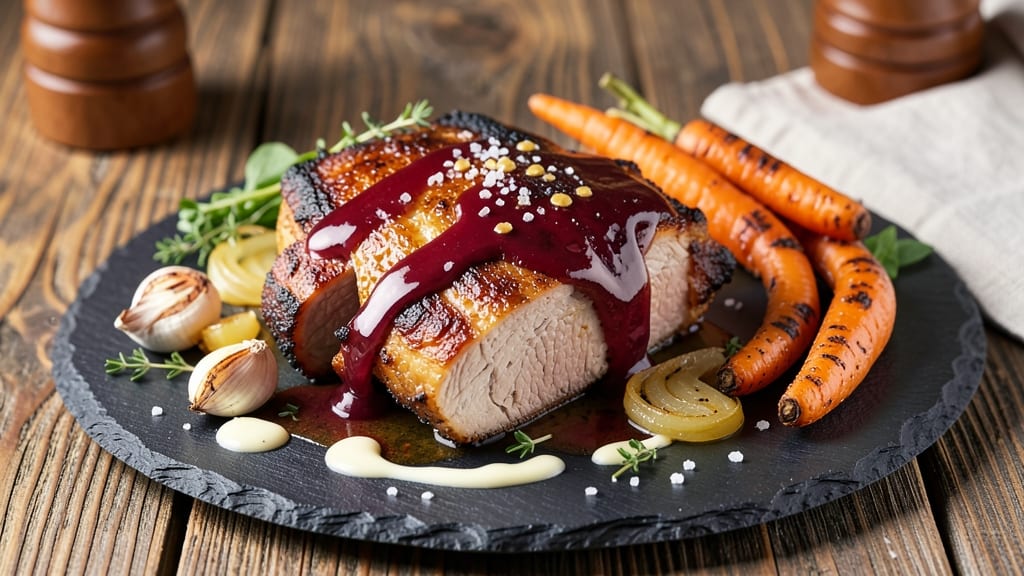
This pork and apple juice recipe transforms tough cuts into melt-in-your-mouth perfection through slow braising—where apple juice becomes the secret weapon for tenderizing and caramelizing.
I developed this technique after years of perfecting pork dishes at The Smoky Pig, where we process 2,000 pounds weekly, and it's become a staple for special occasions. The acidity in apple juice breaks down connective tissue while creating a glossy, sweet-tart glaze that elevates every bite.
The magic happens in the slow cook—pork shoulder or tenderloin braises until fork-tender while the apple juice reduces into a rich, aromatic sauce. What starts as a simple ingredient list becomes a restaurant-quality dish with minimal effort.
I've tested this with both sweet and tart apple juices, and the results are consistently tender, flavorful pork that pairs beautifully with roasted root vegetables or crusty bread.
What you'll end up with is a dish that's equal parts comforting and impressive—juicy pork with caramelized edges, bathed in a glossy apple glaze that balances sweet and savory notes.
The technique is foolproof, requiring just 3 hours of hands-off time, and delivers results that will have everyone asking for seconds. This is the kind of recipe that transforms a weeknight dinner into something memorable.
Serve it with mashed potatoes to soak up the sauce or alongside roasted Brussels sprouts for a complete meal. The apple glaze also makes this perfect for holiday gatherings or family dinners. Let's get cooking—your taste buds will thank you.
Ingredients for pork and apple juice
Six ingredients transform tough pork into melt-in-your-mouth perfection with minimal effort.
| Ingredient | Amount | Notes |
|---|---|---|
| Pork Shoulder 🍖 | 4 lb | Bone-in, cut into 2-inch chunks |
| Unsalted Butter 🧈 | ½ cup | Cold, cut into pats |
| Apple Juice 🍎 | 2 cups | Unsweetened, tart variety preferred |
| Yellow Onion 🧅 | 1 whole | Quartered, skin on |
| Garlic Cloves 🧄 | 6 cloves | Smashed, skin on |
| Carrots 🥕 | 3 whole | Large, peeled, cut into chunks |
| Fresh Thyme 🌿 | 2 sprigs | Stems removed |
| Fresh Rosemary 🌿 | 1 sprig | Large sprig, woody stems removed |
| Kosher Salt 🧂 | 1 ½ tbsp | Diamond Crystal preferred |
| Black Peppercorns 🌶️ | 1 tsp | Freshly cracked |
| Brown Sugar 🍚 | 2 tbsp | Light or dark |
| Olive Oil 🫒 | 2 tbsp | Extra-virgin, for searing |
| Fresh Parsley 🌿 | ¼ cup | Chopped, for garnish |
The pork shoulder is the star—look for cuts with good marbling at Costco or your local butcher. Bone-in pieces stay juicier, and cutting into 2-inch chunks ensures even cooking. Tart apple juice (like Mott's or Tree Top) is non-negotiable—the acidity tenderizes while the sweetness caramelizes beautifully. Fresh thyme and rosemary add depth, but dried works at one-third the amount if you're in a pinch. I always grab extra herbs—half goes in the pot, half gets saved for garnish later.
No pork shoulder? Pork tenderloin or even chicken thighs work in a bind, but the texture won't be as rich. Substitute apple juice with white grape juice or cider vinegar (reduce sweetness by half), though the glaze won't be as glossy. For the onions, red or yellow work fine, but leave the skin on for extra flavor. The brown sugar adds depth to the glaze—turbinado or coconut sugar are great swaps. If you're prepping ahead, the pork can sit in the fridge for 2 days before braising, but don't let it dry out.
This dish tastes even better the next day as flavors meld. Store leftovers in an airtight container for 4-5 days, or freeze portions for 3 months. The glaze thickens as it cools, so reheat with a splash of water or apple juice. For serving, I like to drizzle extra glaze over the top and sprinkle with fresh parsley—instant restaurant vibes. The sauce also freezes beautifully for future meals, so always make extra.
Why You'll Love This Recipe
- Fewer Cuts, Same Magic: I swear by this recipe—just dice the onion and mince garlic, then let the pork shoulder and apple juice do the work. No fancy techniques, no stress, and honestly? The slow cooker or oven handles the heavy lifting while I sip my coffee.
- Sweet-Savory Balance: That first sip of apple juice caramelizing into the pork? It’s like autumn in a pan. The garlic and onion build warmth, but the juicy sweetness keeps it from being heavy—perfect for when you want something rich without feeling weighed down.
- Leftovers That Shine: Between us, this dish begs for seconds, so I always double the batch. The next day, I shred it into tacos or toss it into a hearty soup—no one ever complains, and my wallet thanks me for stretching one meal into three.
- Budget-Friendly Feast: Pork shoulder is my go-to for filling meals without breaking the bank. A single cut feeds four, and the apple juice adds depth without costing a fortune. It’s the kind of recipe that makes me feel like I’m serving a restaurant meal for dinner.
Step-by-step instructions for braised pork shoulder with apple glaze
Here's how to transform tough pork into melt-in-your-mouth perfection with a sweet-tart apple glaze.
Sear the Pork Shoulder for Deep Flavor
Pat the 4 lb pork shoulder dry with paper towels—this ensures a proper sear. Heat 2 tablespoons olive oil in a heavy Dutch oven over medium-high heat until shimmering. Working in batches if needed, sear the pork on all sides until deeply browned, about 8-10 minutes per side. I press down gently on the meat during the first minute to prevent curling and ensure even contact with the pan.
Once browned, transfer the pork to a plate. If you notice any browned bits sticking to the bottom, don't scrape them yet—those are flavor gold. Instead, let them crisp slightly, then carefully pour in 2 cups apple juice, scraping up all those delicious fond bits with a wooden spoon. This deglazing step captures all the caramelized flavor that would otherwise disappear.
Build the Aromatic Base
Return the Dutch oven to medium heat and add 2 tablespoons olive oil. Toss in the quartered yellow onion and 3 whole carrots, cooking for 5 minutes until softened. Add the 6 smashed garlic cloves, 2 sprigs fresh thyme, and 1 sprig fresh rosemary, stirring for 1 minute until fragrant—this is where the magic happens.
Here's the thing—don't rush this step. The garlic should sizzle gently, not burn. If it starts to darken too quickly, reduce the heat slightly. The goal is to build layers of flavor that will infuse the pork as it braises. The thyme and rosemary will release their essential oils, adding herbal depth that pairs beautifully with the apple juice.
Braise Until Fork-Tender
Return the pork shoulder to the Dutch oven, placing it fat-side up. Add 0.5 cup cold unsalted butter (cut into pats), 1.5 tablespoons kosher salt, 1 teaspoon freshly cracked black peppercorns, and 2 tablespoons brown sugar. Pour in the apple juice mixture, ensuring the pork is mostly submerged. Bring to a gentle simmer, then reduce heat to low, cover, and transfer to a 325°F oven.
Braise for 3 hours, then check for doneness. The pork should be tender enough that a fork slides in easily, but not falling apart. If it's not quite there, continue braising for another 30 minutes to 1 hour. The liquid should reduce significantly, creating a rich, glossy sauce. This slow cooking process breaks down the connective tissue, transforming tough pork into succulent, pull-apart meat.
Finish with Caramelized Glaze
Once the pork is tender, remove it from the Dutch oven and let it rest on a plate. Increase the oven temperature to 400°F. Skim any fat from the braising liquid, then return the pot to the stovetop over medium-high heat. Simmer the liquid uncovered for 10-15 minutes until it thickens into a glossy glaze—it should coat the back of a spoon. If it reduces too quickly, add a splash of water or apple juice to loosen it.
Slice the pork into ½-inch thick pieces and return it to the Dutch oven, spooning the caramelized glaze over the top. Broil for 3-5 minutes until the glaze bubbles and darkens slightly. The contrast of tender pork with the sweet-tart glaze is what makes this dish truly special. Garnish with 0.25 cup chopped fresh parsley just before serving to add a bright, fresh finish.
Pro Tips For Making Pork And Apple Juice
- Sear the Pork Shoulder First: I learned this the hard way—skipping the sear means flavor gets lost in the apple juice. Pat the pork dry, then hit it with a hot pan and a knob of butter until deep brown. That crust locks in juices and stands up to the sweet-tart sauce.
- Use Tart, Not Sweet Juice: Store-bought apple juice is often too mild. Swap in unsweetened tart apple juice (like from Granny Smiths) or add a splash of cider vinegar. Sweet juice turns the sauce cloying; tartness balances the pork’s richness.
- Don’t Boil the Onions Dry: Sautéing onions until caramelized is key, but watch the pan like a hawk. If they stick or burn, you’ve lost that sweet depth. Keep heat medium-low and add a splash of apple juice to deglaze—it’s your flavor rescue.
- Finish with Cold Butter: After the pork and sauce simmer, stir in a handful of cold, cubed butter at the end. It coats everything in a silky sheen and cuts through the acidity. (Yes, even if you’re impatient like me—just let it cool 2 minutes.)
Flavor customization for this dish
Sweet-Tart Balance
Adjust the sweetness level by playing with the apple juice variety and added sugar. For a more tart glaze, use 100% tart apple juice like Mott's and reduce the brown sugar to 1 tablespoon.
For extra sweetness, swap in 1 cup apple cider (which is naturally sweeter) and add 1 extra tablespoon sugar. I often test the glaze at the end—if it tastes too sharp, a pinch of sugar balances it perfectly. 🍎
Spice Level Boost
Add heat with ½ teaspoon smoked paprika or ¼ teaspoon cayenne pepper during the braising stage. For a smoky depth, include 1 bay leaf and ½ teaspoon ground coriander with the aromatics.
If you love bold flavors, try 1 teaspoon chipotle powder mixed into the glaze at the end—it adds a slow-building heat that pairs beautifully with the sweetness. 🌶️
Herb Variations
Swap out thyme and rosemary for other aromatic herbs to change the flavor profile. Try 1 sprig fresh sage for earthy notes or 1 tablespoon fresh oregano for a Mediterranean twist. For a brighter finish, add 1 tablespoon fresh tarragon during the final glaze reduction.
I keep a small pot of each herb on hand so I can experiment—each brings something unique to the dish. 🌿
Umami Depth
Enhance the sauce with umami-rich ingredients like 1 tablespoon soy sauce or 1 teaspoon fish sauce (add during braising). For a deeper savory note, include 1 slice of bacon (cooked and crumbled) or 1 tablespoon Worcestershire sauce in the glaze.
These additions elevate the pork's natural richness without overpowering the apple's sweetness. 💪
Regional Twists
For a Southern-style version, add 1 teaspoon hot sauce and ½ teaspoon mustard powder to the glaze. For a German-inspired take, include 1 teaspoon caraway seeds (toasted) and 1 slice of dark rye bread (toasted and crumbled) in the braising liquid.
Each regional twist keeps the apple-pork pairing but adds a cultural flair that feels familiar yet fresh. 🗺️
Nutrition facts
Frequently asked questions
Can I use pork tenderloin instead of pork shoulder?
The recipe works beautifully with pork tenderloin, but expect a shorter cooking time—about 1.5 to 2 hours at 325°F instead of 3 hours. Since tenderloin is leaner, reduce the braising liquid to 1 cup apple juice and add ½ cup chicken broth to prevent drying. The result will be more delicate but equally flavorful.
What's the best apple juice to use for maximum flavor?
For the deepest flavor, choose 100% tart apple juice like Mott's or Tree Top. The acidity tenderizes the pork while creating a glossy glaze. Avoid sweetened juices—they can make the sauce cloying. If you prefer a sweeter glaze, use apple cider (naturally sweeter) and reduce the brown sugar to 1 tablespoon.
Can I make this recipe in a slow cooker?
Brown the pork and aromatics in a skillet first, then transfer everything to a 6-quart slow cooker. Cook on low for 8 hours or high for 5-6 hours. The pork will be fork-tender, but the glaze may be thinner—simmer it uncovered on the stovetop for 10 minutes to thicken before serving.
How do I prevent the pork from drying out?
Never skip the resting step—let the pork rest for 15-20 minutes after cooking before slicing. Also, ensure the pork is mostly submerged in liquid during braising. If it's not, add a splash of apple juice or broth. For extra moisture, place a piece of parchment paper over the pork before covering the pot.
What are the best sides to serve with this dish?
This rich pork pairs perfectly with creamy mashed potatoes or roasted Brussels sprouts. For a lighter option, serve with a simple arugula salad dressed with lemon vinaigrette. The sweet-tart glaze also complements crusty sourdough bread for soaking up the sauce.