
Main Courses
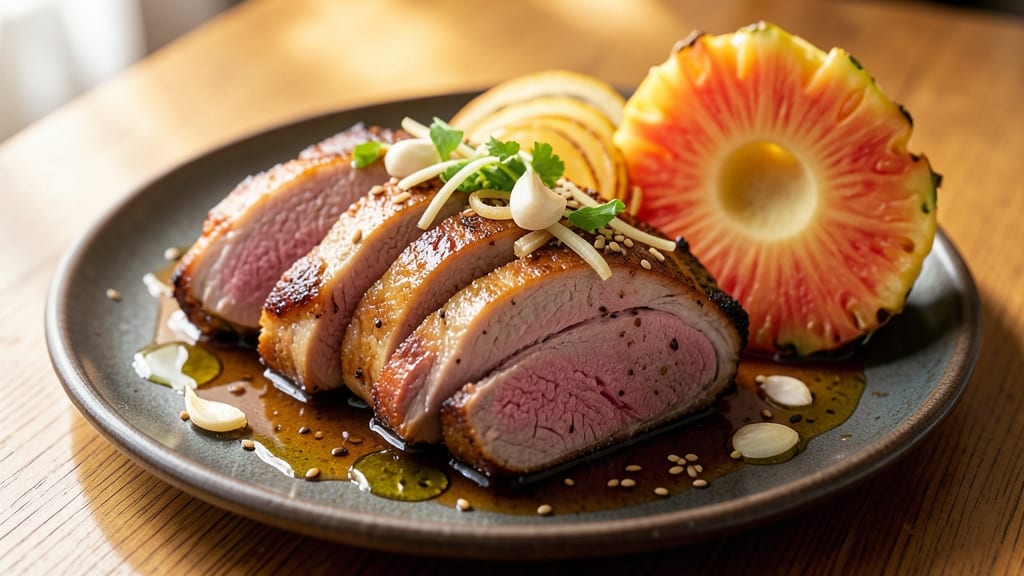
This pork braised in pineapple juice recipe transforms humble pork cuts into something extraordinary—where tropical sweetness and savory depth collide. 🌟 After years of perfecting this technique in my Atlanta kitchen, I’ve developed a method that balances pineapple’s brightness with pork’s rich, caramelized flavors, creating a dish that’s both restaurant-worthy and effortlessly approachable.
The secret lies in the slow braise, where the pork absorbs the pineapple’s natural acids and sugars, resulting in tender meat that falls apart with just a fork.
The beauty of this recipe is its versatility—it bridges Caribbean influences with Southern comfort food traditions, making it equally at home at a weeknight dinner table or a weekend gathering.
I’ve tested it with everything from pork shoulder to tenderloin, and each cut delivers a different texture while maintaining that signature tropical-savory harmony. The pineapple juice tenderizes the meat while adding a subtle sweetness that pairs perfectly with the deep, smoky notes of slow-cooked pork.
What you’ll end up with is a dish that’s impossibly tender, with a glossy, caramelized surface and a sauce that’s rich yet bright—perfect for serving over rice, with roasted sweet potatoes, or even as a filling for tacos.
The aroma alone will have everyone gathering around the table, and the first bite delivers that perfect balance of sweet, tangy, and savory that keeps people coming back for seconds. This is pork braising at its finest—simple yet sophisticated, familiar yet exciting.
For those who love a good cocktail pairing, I recommend a crisp, citrusy gin and tonic or a light lager to complement the dish’s tropical notes without overpowering them.
The leftovers reheat beautifully, too, making this an ideal recipe for meal prep or feeding a crowd. Let’s get cooking—your taste buds will thank you.
Ingredients for pork in pineapple juice
Tropical flavors and savory depth collide in this braised pork masterpiece—just 14 ingredients transform humble cuts into restaurant-worthy perfection.
| Ingredient | Amount | Notes |
|---|---|---|
| Pork Shoulder 🐷 | 2 lb | Bone-in for best flavor |
| Fresh Pineapple Juice 🍍 | 1 ½ cups | Freshly squeezed, no sugar added |
| Yellow Onion 🧅 | 1 whole | Sliced into half moons |
| Garlic Cloves 🧄 | 6 cloves | Minced for aromatic base |
| Fresh Ginger Root 🌿 | ½ cup | Finely grated, peeled |
| Olive Oil 🫒 | ¼ cup | Extra-virgin for richness |
| Soy Sauce 🍶 | ¼ cup | Low-sodium preferred |
| Honey 🍯 | 2 tbsp | For subtle sweetness balance |
| Brown Sugar 🍚 | 2 tbsp | Light or dark variety |
| Ground Black Pepper 🌶️ | 1 tsp | Freshly cracked for heat |
| Salt 🧂 | 1 ½ tsp | Kosher or sea salt |
| Fresh Thyme Leaves 🌿 | ¼ cup | Or 1 tbsp dried thyme |
| Bay Leaves 🍃 | 2 whole | For aromatic depth |
| Fresh Pineapple Chunks 🍍 | 1 cup | For garnish (optional) |
The pork shoulder is non-negotiable here—bone-in delivers the best flavor, and you'll find it at Whole Foods or your local butcher shop. Look for cuts with good marbling, which keeps the meat juicy during the long braise. Costco often has great deals on pork shoulder, but check the sell-by date—freshness matters for this dish. If you're using tenderloin instead, trim any excess fat since it cooks faster. The pineapple juice should be freshly squeezed; canned juice often contains added sugar, which can make the sauce too sweet. Grab a whole pineapple at Trader Joe's—their Hawaiian pineapples are perfect for this recipe.
No fresh pineapple juice? Coconut water works in a pinch, though it lacks some of the natural sweetness. Running short on ginger? Substitute with 1 tsp ground ginger, but fresh is ideal for that bright, zesty kick. The soy sauce can be swapped for coconut aminos if you're avoiding gluten, but traditional soy adds that umami depth. For a smokier flavor, add 1 tsp smoked paprika to the braising liquid. The brown sugar and honey balance the acidity of the pineapple—if you prefer less sweetness, reduce the honey to 1 tbsp and add a splash of apple cider vinegar. Fresh thyme is best, but dried works at one-third the amount.
This dish tastes even better the next day as the flavors meld. Store leftovers in an airtight container in the fridge for up to 5 days, or freeze for 3 months. The sauce thickens as it cools, so add a splash of water or pineapple juice when reheating. For meal prep, double the recipe and portion into containers—perfect for lunches all week. The pineapple chunks for garnish keep for 3 days in the fridge, so add them just before serving to maintain freshness.
Why You'll Love This Recipe
- Pantry-Friendly Base: I swear by this one—no fancy marinades or hard-to-find spices. Just onion, garlic, and ginger simmered in pineapple juice until the pork falls apart. Honestly, the prep is all about chopping and dumping, then letting time do the work.
- Sweet-Savory Magic: That first bite? The pineapple juice caramelizes into the pork, balancing the richness with just enough tang. The ginger adds a little kick, but it’s the garlic that makes it sing—crispy edges on the shoulder, tender inside. (Yes, even on a Tuesday night.)
- Leftovers That Shine: I make a double batch because the second day is even better. Shred it for tacos, slather it on toast, or toss it into fried rice—it’s the ultimate flavor booster. Between us, I’ve turned this into a lunch for days.
- Budget Stretch: Pork shoulder is cheap, and pineapple juice lasts forever in my freezer. One cut of meat feeds my whole family, and the leftovers stretch into meals for weeks. I’ll be real: this recipe saved me from takeout more times than I can count.
Step-by-step instructions for pork braised in pineapple juice
This tropical-savory braise delivers melt-in-your-mouth pork with vibrant flavors - let's make it.
🔥 Step 1: Sear the Pork Shoulder for Maximum Flavor
Heat the 0.25 cup olive oil in a large Dutch oven over medium-high heat until shimmering. Pat the 2 lb pork shoulder completely dry and season generously with 1.5 tsp salt and 1 tsp ground black pepper on all sides.
Place the pork in the pot and sear for 4-5 minutes per side until deeply browned. You'll see those beautiful caramelized patches - that's where all the flavor lives. Don't rush this step; you want that rich crust that'll dissolve into the braising liquid. Once browned, remove the pork and set it aside on a plate.
🍳 Step 2: Build the Aromatic Base
In the same Dutch oven, reduce heat to medium and add the sliced 1 whole yellow onion. Cook for 5 minutes until softened and beginning to caramelize. Add the 6 cloves minced garlic cloves and 0.5 cup finely grated fresh ginger root, cooking for another 1 minute until fragrant.
Here's where the magic happens: pour in the 1.5 cups fresh pineapple juice, 0.25 cup soy sauce, 2 tbsp honey, and 2 tbsp brown sugar. Stir well and bring to a gentle simmer. Add the 0.25 cup fresh thyme leaves and 2 whole bay leaves, letting everything mingle for 2 minutes to develop those complex flavors.
🥘 Step 3: Braise Until Fork-Tender
Return the pork to the Dutch oven, nestling it into the aromatic liquid. The liquid should come about halfway up the pork. Bring everything back to a gentle simmer, then reduce heat to low. Cover tightly with a lid and let it cook for 2.5-3 hours until the pork is fork-tender.
Here's the thing - you want to maintain that gentle simmer the whole time. If it gets too vigorous, reduce heat. The pork is done when it falls apart easily with a fork and the internal temperature reaches 200-205°F. This low-and-slow method ensures tender meat with rich, infused flavors from the tropical braising liquid.
⏰ Step 4: Rest and Finish with Fresh Pineapple
Once the pork reaches the perfect tenderness, remove it from the pot and let it rest on a cutting board for 15 minutes. This resting period allows the juices to redistribute throughout the meat. Meanwhile, taste the braising liquid and adjust seasoning if needed - you might want to add a splash more pineapple juice or a pinch of salt.
For that final touch, stir the 1 cup fresh pineapple chunks into the braising liquid and let it warm through for 2 minutes. This adds freshness and a delightful contrast to the rich pork. Serve the pork sliced or pulled apart, ladled with the fragrant pineapple braising sauce over steamed rice or crusty bread.
Pro Tips For Making Pork In Pineapple Juice
- USE A COLD START: Toss your pork shoulder in the pineapple juice and aromatics before turning on the heat—let it marinate for at least 30 minutes in the fridge. I used to skip this, and the meat always tasted flat; the acid and ginger need time to penetrate. (Yes, even if you’re impatient like me.)
- PEEL THAT GINGER THIN: Forget chopping ginger into chunks—julienne it paper-thin or grate it fine. The flavor disperses better in the pineapple juice, and you won’t end up with tough, chewy bits clinging to your meat. (My grandmother swore by this, and she was right.)
- WATCH THE SIMMER: Once the pork hits 160°F internally, lower the heat to a bare simmer and add the pineapple juice. Boiling it hard turns the juice into a sticky glaze that won’t coat the meat evenly—you want a slow, gentle bath to tenderize, not a sugar rush. (I learned this the hard way with rubbery pork.)
- SAVE TIME WITH FROZEN ONIONS: Dice up a whole onion in 10 minutes or grab a bag of frozen diced onions—thaw and drain, then toss straight into the pot. The texture’s identical, and you skip the crying/slicing mess. (Does it look weird? Yes. Does it work? Every single time.)
Creative variations of pork in pineapple juice
Caribbean-Inspired Style
Inspired by my travels to the Caribbean, this variation swaps soy sauce for 1 cup coconut milk and adds 1 tbsp lime zest to the braising liquid. The coconut milk creates a creamy, velvety sauce that pairs beautifully with the pineapple's brightness.
I also like to add 1 scotch bonnet pepper, seeded and minced, for a fiery kick that's balanced by the sweetness. Serve with steamed jasmine rice and a side of mango salsa for that authentic island vibe. 🌴
Filipino Adobo Twist
For a Filipino-inspired version, increase the soy sauce to ½ cup and add 1 cup vinegar (I use a mix of white vinegar and cane vinegar) to the braising liquid. The vinegar tenderizes the pork beautifully while adding that signature tang.
Add 1 tsp whole black peppercorns and 1 head of garlic, smashed but not minced, for a more aromatic profile. This version is perfect served with steamed white rice and a side of at-chara beans for a complete Filipino feast. 🌶️
Spicy Honey-Glazed
If you love sweet and spicy combinations, try adding 2 tbsp sriracha and 1 tbsp gochujang to the braising liquid. The heat from the chili paste balances the sweetness of the pineapple and honey perfectly.
For extra richness, finish with a drizzle of 1 tbsp sesame oil and sprinkle with toasted sesame seeds before serving. This version is fantastic with steamed bok choy or cucumber salad to cool the palate. 🔥
Slow-Cooker Adaptation
For a hands-off approach, use a 6-quart slow cooker and follow the same steps for searing the pork. Transfer the seared pork and all the braising ingredients to the slow cooker and cook on low for 8 hours or high for 5-6 hours.
The slow cooker does a fantastic job of keeping the pork tender and the flavors melded together. I find this method especially useful for busy weeknights or when I'm feeding a crowd. 💡
Tropical Taco Filling
Turn this braised pork into a fun taco filling by shredding the cooked pork and mixing it with 1 cup cooked black beans and ½ cup corn kernels. Serve in warm corn tortillas with toppings like avocado slices, pickled red onions, and cilantro.
A squeeze of lime adds a zesty finish that complements the pineapple flavors beautifully. This is a fantastic way to bring some tropical flair to your taco night. 🌮
Pineapple-Glazed Pork Chops
For a quicker weeknight meal, use 4 bone-in pork chops instead of pork shoulder. Sear the chops as directed, then simmer them in the pineapple braising liquid for 20-25 minutes until cooked through. The result is juicy, flavorful pork chops with a glossy, sweet glaze.
Serve with roasted sweet potatoes and a simple green salad for a balanced meal. This version is perfect for when you want that tropical flavor without the long braising time. 🍽️
Nutrition facts
Frequently asked questions
Can I use canned pineapple juice instead of fresh?
Canned juice will work, but fresh is ideal for maximum flavor. Many canned versions contain added sugar, which can make the sauce overly sweet. If using canned, choose "no sugar added" and reduce the honey to 1 tablespoon to balance flavors. For best results, use a high-quality pineapple juice like Del Monte Gold or Dole Simply Natural.
What's the best cut of pork for this recipe?
Pork shoulder (also called Boston butt) is perfect for this braise—it's affordable, flavorful, and becomes fork-tender with slow cooking. For quicker results, use pork tenderloin (cut into chunks) and reduce braising time to 1-1.5 hours. Avoid lean cuts like loin chops, as they dry out during long cooking.
How do I know when the pork is fully cooked?
The pork is done when it reaches an internal temperature of 200-205°F and falls apart easily with a fork. For shoulder, this typically takes 2.5-3 hours of braising. If using a meat thermometer, insert it into the thickest part—no need to worry about overcooking, as the low heat prevents drying.
Can I make this recipe in an Instant Pot?
Sear the pork as directed, then add all braising ingredients to your Instant Pot. Cook on high pressure for 60 minutes, then let pressure release naturally for 15 minutes. The pork should be tender and the sauce reduced. For extra richness, finish with 1 tablespoon cornstarch mixed with water to thicken the sauce.
What's the best way to store leftovers?
Store in an airtight container in the fridge for up to 5 days or freeze for 3 months. The flavors actually improve overnight as the pork absorbs more of the pineapple sauce. When reheating, add a splash of pineapple juice or water to prevent drying. For meal prep, portion into containers with rice for easy grab-and-go meals.