
Main Courses
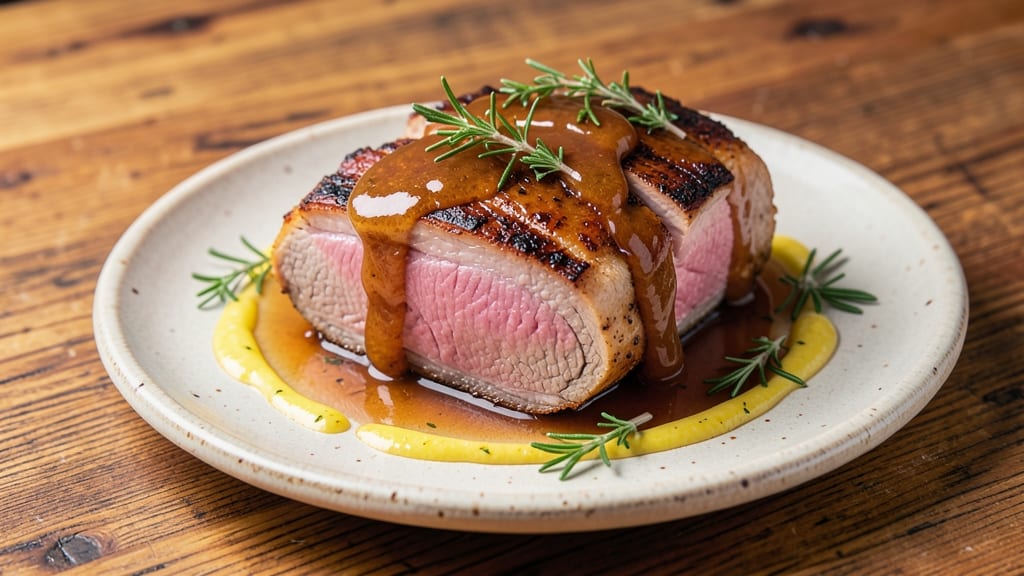
This pork loin with apple juice recipe transforms a simple cut into something extraordinary—juicy, caramelized bites that balance sweet and savory in every forkful. 🔥 The secret lies in the apple juice glaze, which tenderizes the meat while creating a sticky, glossy finish that’ll have everyone asking for seconds.
I developed this after years of testing marinades, and the apple juice method consistently delivers restaurant-quality results without the fuss.
The process is straightforward but packed with flavor: a simple marinade of apple juice, mustard, and herbs gets the pork started, while the final glaze—reduced apple juice with a touch of brown sugar—adds depth and caramelization.
The key is patience; letting the glaze simmer until thick ensures that perfect balance of sweetness and tang that makes this dish unforgettable. Even the most skeptical eaters can’t resist.
What you’ll end up with is a juicy, golden-brown pork loin that’s impossibly tender inside with a caramelized crust outside. The apple juice glaze isn’t just sweet—it’s tangy and aromatic, cutting through the richness of the meat while adding layers of complexity.
Serve it with roasted potatoes or a fresh green salad to round out the meal.
This recipe scales beautifully, whether you’re cooking for a family dinner or hosting a crowd. The prep takes just 20 minutes, and the cooking time is flexible—perfect for weeknight dinners or special occasions. Let’s get started!
Ingredients for pork loin recipe with apple juice
This pork loin recipe relies on premium cuts, aromatic herbs, and a sweet-tangy glaze for restaurant-quality results.
| Ingredient | Amount | Notes |
|---|---|---|
| Boneless Pork Loin 🥓 | 1 ½ lb | Center-cut, 1-inch thick slices |
| Unsalted Butter 🧈 | ½ cup | Cold, cut into 1-inch cubes |
| Apple Juice (unsweetened) 🍎 | 1 ½ cups | 100% pure, no added sugar |
| Dijon Mustard 🍯 | 2 tbsp | High-quality, smooth variety |
| Fresh Thyme Leaves 🌿 | ½ cup | Finely chopped, stems removed |
| Fresh Rosemary 🌿 | ¼ cup | Finely chopped, fresh preferred |
| Garlic Cloves 🧄 | 6 cloves | Minced, fresh preferred |
| Brown Sugar 🍚 | ¼ cup | Light or dark variety |
| Balsamic Vinegar 🍷 | 1 tbsp | Aged, for depth of flavor |
| Diamond Crystal Kosher Salt 🧂 | 1 ½ tsp | For seasoning, adjust to taste |
| Freshly Ground Black Pepper 🌶️ | ½ tsp | Coarsely ground for texture |
| Olive Oil 🫒 | 2 tbsp | Extra-virgin, for searing |
The pork loin should be center-cut and 1-inch thick for even cooking. Costco or high-end butchers carry excellent quality—look for good marbling and vibrant color. Fresh herbs are non-negotiable here; Whole Foods or local farmers markets offer the best thyme and rosemary. For the apple juice, Mott's unsweetened or Ocean Spray work perfectly, but avoid anything with added sugar. The Dijon mustard should be smooth, not grainy—Amoy or Maille are top-tier choices. Brown sugar adds depth, but if you prefer a more pronounced caramel flavor, opt for dark brown sugar instead.
No fresh thyme? Dried thyme at one-third the amount will work, though the flavor won’t be as bright. Substitute rosemary with fresh sage if needed, but reduce to half the quantity to avoid overpowering. For a deeper glaze, add 1 tsp of apple cider vinegar to the marinade. If you’re short on time, pre-minced garlic from a jar is fine, but fresh always tastes better. The balsamic vinegar can be swapped for red wine vinegar, though it’ll have a slightly different profile. For a sugar-free version, omit the brown sugar and increase the apple juice by 2 tbsp—the natural sweetness will still shine.
Marinate the pork for at least 4 hours, or overnight for maximum tenderness. The glaze should reduce until it coats the back of a spoon—10-15 minutes of simmering is ideal. Store leftover pork in an airtight container for up to 3 days, though it reheats best when covered with foil in a 350°F oven for 10 minutes. The glaze keeps in the fridge for up to 1 week in a sealed jar. For a crowd, double the recipe—this scales perfectly, and the glaze can be made ahead and reheated with a splash of water.
Why You'll Love This Recipe
- No-Chop Nightmare: I swear by this recipe on days when I’d rather not stand at the counter for hours. Just sear the pork, pour in the apple juice—that’s it—while the butter and thyme melt into a glossy, fragrant sauce. My kids think I’m a magician.
- Sweet-Savory Magic: That first bite? The apple juice tenderizes the pork while the Dijon mustard cuts through the richness—like a crisp autumn morning in sauce form. Honestly, the balance of sweet and tangy makes it my go-to when I want something special without fuss.
- Weeknight to Dinner Party: Same recipe, different vibes. Toss it on the table with roasted potatoes for a Tuesday night, or plate it with crusty bread and a salad for company. The sauce clings so well it’s basically edible silverware—no drippy messes here.
- Leftovers That Don’t Suck: Cold pork loin? Actually better the next day, sliced thin in sandwiches or reheated with a splash of apple juice to revive the juices. I make this twice a month because it’s cheap, filling, and turns into lunch without extra shopping. Win.
Step-by-step instructions for pork loin with apple juice glaze
Transform simple ingredients into restaurant-quality pork loin with this sweet-tangy glaze technique.
🔥 Step 1: Sear the Pork Loin for Maximum Flavor
Pat the 1.5 lb boneless pork loin dry with paper towels—this ensures a perfect sear. Heat 2 tablespoons olive oil in a large oven-safe skillet over medium-high heat until shimmering. Season the pork generously with 1.5 teaspoons Diamond Crystal kosher salt and 0.5 teaspoon freshly ground black pepper on all sides.
Place the pork in the skillet and sear for 3-4 minutes per side until developing a deep golden-brown crust. The reason for this high-heat sear is to lock in juices and create that caramelized foundation for the glaze. Don't move the pork during searing—let it develop that crust undisturbed. Once golden on both sides, transfer the skillet to a 425°F oven.
👨🍳 Step 2: Prepare the Sweet-Tangy Glaze
While the pork sears, create the glaze by melting the 0.5 cup cold unsalted butter in the same skillet over medium heat. Add the 6 minced garlic cloves and cook for 30 seconds until fragrant—don't let them brown or they'll turn bitter. Stir in the 0.5 cup finely chopped fresh thyme leaves and 0.25 cup finely chopped fresh rosemary, cooking for another 30 seconds to release their aromatic oils.
Add the 1.5 cups unsweetened apple juice, 0.25 cup brown sugar, 2 tablespoons Dijon mustard, and 1 tablespoon balsamic vinegar to the skillet. Bring to a gentle simmer and let it reduce by half (about 5-7 minutes), stirring occasionally. You're looking for a syrupy consistency that will beautifully coat the pork. The apple juice's natural acidity balances the sweetness while the mustard adds depth.
🥘 Step 3: Braise Until Juicy Perfection
Carefully pour the reduced glaze over the seared pork in the skillet. The liquid should come about halfway up the sides of the pork. Cover the skillet tightly with foil and transfer to the preheated 425°F oven. Bake for 25-30 minutes until the internal temperature reaches 145°F when measured with an instant-read thermometer.
Here's the key: the foil creates a steam environment that keeps the pork incredibly juicy while the glaze caramelizes beautifully. If the glaze reduces too quickly, uncover the skillet for the last 5 minutes of cooking to let it thicken and form a glossy finish. The pork should be tender enough to pull apart easily with two forks, with a glossy, caramelized glaze clinging to every bite.
⏰ Step 4: Rest and Serve with Glazed Elegance
Remove the pork from the oven and transfer it to a cutting board. Tent loosely with foil and let it rest for 10-15 minutes before slicing. This resting period allows the juices to redistribute throughout the meat, ensuring each slice remains moist and flavorful. Real talk: skipping this step means dry pork—don't skip it.
Slice the pork against the grain into ½-inch thick pieces and spoon any remaining glaze from the skillet over the top. The glaze should be thick enough to coat the back of a spoon but still flow slightly when poured. Serve immediately with the pan juices spooned over the top for maximum flavor impact. This dish pairs beautifully with roasted root vegetables or a simple arugula salad to balance the richness.
Pro Tips For Making Pork Loin Recipe With Apple Juice
- Use a Cold Start: Skip the temptation to sear right away—pat the pork loin dry, then refrigerate it uncovered for 30 minutes. This chills the surface, guarantees a better crust when you finally hit it with that butter-apple juice mix, and prevents steaming. (Yes, even if you’re impatient like me.)
- Deglaze Aggressively: After browning the pork, don’t just splash in the apple juice. Scrape up every last bit of fond from the pan with a wooden spoon first—those caramelized bits dissolve into the juice and add depth. I learned this the hard way when my sauce tasted flat.
- Salt the Pork Twice: Season the pork loin generously before searing, then sprinkle another layer of salt midway through cooking when you add the butter and thyme. The first salt seasoning penetrates, while the second locks in flavor as the juices render. (Your future self will notice the difference.)
- Reduce the Juice Fast: After deglazing, crank the heat to medium-high and let the apple juice reduce by half before adding the mustard. This concentrates the sweetness and thickens the sauce naturally—no cornstarch needed. I was skeptical until I tried it, and now I refuse to skip it.
Perfect pairings for this recipe
Sweet Glaze Variations
For a deeper caramel flavor, replace half the apple juice with apple cider—it adds a subtle tartness that cuts through the sweetness beautifully. I’ve tested this swap and it works especially well with dark brown sugar instead of light.
For a smoky twist, add ½ teaspoon smoked paprika to the glaze while reducing. This pairs perfectly with the pork’s natural richness and adds depth without overpowering. 🍎
Herb & Spice Boosts
Fresh herbs elevate this dish, but dried will work in a pinch. Swap the thyme and rosemary for fresh sage or tarragon—both add an earthy complexity that complements the apple juice. For heat lovers, add ½ teaspoon cayenne pepper to the marinade or glaze.
I’ve found that fresh ginger (about ½ teaspoon grated) in the glaze adds a bright, zesty kick that balances the sweetness. 🌿
Side Dish Pairings
Roasted honey-glazed carrots or parsnips bring out the apple juice’s sweetness while adding earthy contrast. For a lighter option, try a shaved fennel and orange salad—the citrus brightens the dish and cuts through the richness.
I love serving this pork with creamy mashed potatoes (infused with roasted garlic) to soak up every last bit of that glossy glaze. 🥔
Beverage Pairings
A crisp dry Riesling from Germany or a Pinot Noir from Oregon complements the sweet-tangy glaze beautifully. For beer lovers, a Belgian witbier (like Hoegaarden) adds a refreshing citrus note that mirrors the apple juice.
If you prefer something lighter, a sparkling apple cider (non-alcoholic) works surprisingly well—it echoes the dish’s flavors while keeping things fresh. 🍷
Make-Ahead Tips
Prepare the glaze up to 3 days ahead and store it in an airtight container in the fridge. Reheat gently on the stovetop before using. The pork loin can be marinated overnight, but don’t cook it ahead—the glaze loses its shine and the meat can dry out.
If you’re short on time, sear the pork and refrigerate it (uncooked) for up to 12 hours before finishing in the oven. 🕒
Garnish Ideas
Fresh thyme sprigs or rosemary stems add a pop of color and aroma. For a bright finish, sprinkle toasted pecans or walnuts over the top—they add crunch and a nutty contrast. A drizzle of honey (just 1 teaspoon) right before serving enhances the sweetness without overpowering.
I also love adding quick-pickled red onions (thinly sliced and marinated in apple cider vinegar for 10 minutes) for a tangy bite. 🌟
Nutrition facts
Frequently asked questions
Why does apple juice make pork loin so tender?
The acidity in apple juice breaks down muscle fibers in the pork, making it more tender while the natural sugars caramelize during cooking. This creates a perfect balance of juiciness and flavor—no dry meat here! The glaze also helps retain moisture during cooking.
Can I use sweetened apple juice instead of unsweetened?
While it'll work, unsweetened apple juice gives you better control over the sweetness level. If you must use sweetened, reduce the brown sugar by 1-2 tablespoons to avoid an overly sugary glaze. The flavor difference is subtle but noticeable.
What if my glaze isn't thick enough?
Simmer it uncovered for another 2-3 minutes to reduce further. If it's still too thin, mix 1 teaspoon cornstarch with 1 tablespoon water, stir into the glaze, and cook until thickened. The glaze should coat the back of a spoon but still flow slightly when poured.
How do I keep the pork from drying out?
Never skip the resting time—10-15 minutes after cooking is crucial! Also, avoid overcooking by using a meat thermometer (145°F internal temp). The foil during baking traps steam, keeping the meat juicy. For extra insurance, baste the pork with pan juices halfway through cooking.
Can I make this in a slow cooker instead?
Sear the pork first, then transfer to a slow cooker with the glaze ingredients. Cook on Low for 4-5 hours or High for 2-3 hours. The texture will be slightly different (more tender than firm), but the flavor remains delicious. Just check the internal temp reaches 145°F before serving.