
Main Courses
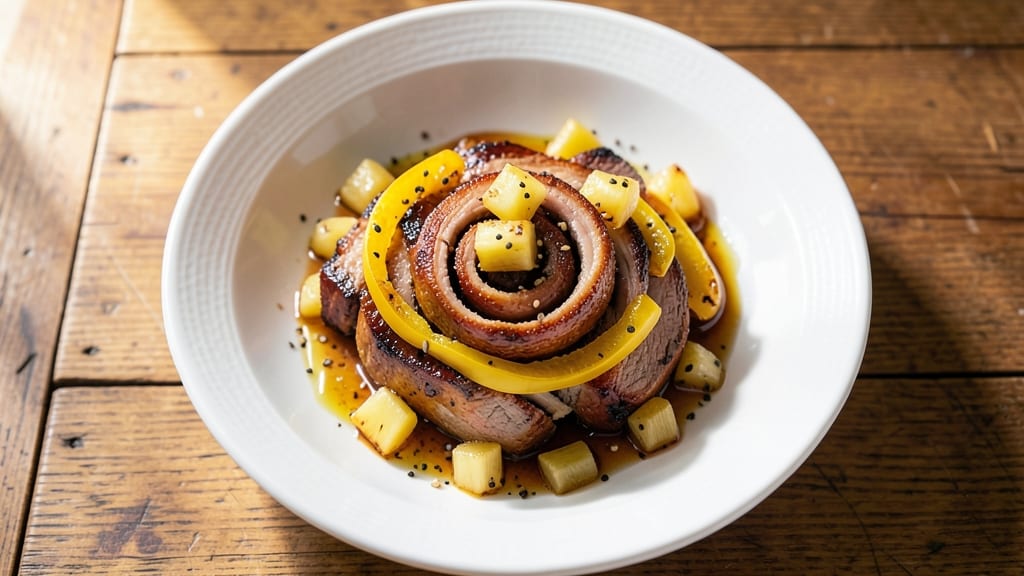
This pork pineapple peppers recipe delivers a perfect balance of sweet, spicy, and savory flavors in under 20 minutes—a game-changer for weeknight dinners.
Growing up in Charleston, I learned how to caramelize peppers and tenderize pork just right, and this stir-fry combines those techniques with tropical sweetness for a dish that’s always a crowd-pleaser.
The secret lies in marinating the pork in a tangy-sweet blend before stir-frying it with bell peppers and pineapple, creating a symphony of textures and flavors that’s impossible to resist.
What sets this recipe apart is how it transforms simple ingredients into something restaurant-worthy without requiring advanced skills. You’ll start with boneless pork loin cut into thin strips—quick to cook and packed with flavor—then toss it with bell peppers, pineapple chunks, and a sauce that’s both bold and balanced.
The caramelization of the peppers adds depth, while the pineapple brings a bright, juicy contrast that cuts through the heat. It’s the kind of dish that tastes even better the second time around, making it perfect for meal prep or feeding a hungry crowd.
The result is a vibrant stir-fry with tender pork, slightly charred peppers, and glossy pineapple pieces all coated in a sticky-sweet glaze.
Serve it over steamed jasmine rice or fluffy basmati to soak up every last bit of sauce, or pair it with a crisp green salad for a lighter meal.
Garnish with fresh cilantro or sesame seeds for extra flair, and you’ve got a dish that’s as impressive as it is delicious—ideal for impressing guests or treating yourself to a flavor-packed dinner.
This recipe is designed to be foolproof, with step-by-step instructions that ensure perfect tenderness in the pork and just the right amount of caramelization in the peppers. Whether you’re cooking for two or feeding a family, the technique scales easily, and the flavors only get better as they sit.
Trust me, once you try this pork pineapple peppers stir-fry, it’ll become a regular on your dinner rotation.
Ingredients for pork pineapple peppers
Sweet, spicy, and savory—these ingredients transform into a restaurant-worthy stir-fry in 20 minutes.
| Ingredient | Amount | Notes |
|---|---|---|
| Boneless Pork Loin 🐖 | 1 ½ lb | Cut into 1-inch strips |
| Yellow Bell Peppers 🧅 | 2 whole | Sliced into strips |
| Fresh Pineapple Chunks 🍍 | 1 ½ cups | Fresh or canned, drained |
| Extra-Virgin Olive Oil 🫒 | 2 tbsp | For stir-frying |
| Low-Sodium Soy Sauce 🍶 | 3 tbsp | For marinade |
| Brown Sugar 🍚 | 2 tbsp | Packed, for marinade |
| Garlic Cloves 🧄 | 4 cloves | Minced for marinade |
| Fresh Ginger 🌿 | 1 tbsp | Finely grated |
| Red Pepper Flakes 🌶️ | 1 tsp | Adjust for heat |
| Sesame Oil 🫒 | 1 tsp | For aroma |
| Fresh Cilantro 🌿 | ¼ cup | Chopped, for garnish |
| Jasmine Rice 🍚 | 1 ½ cups | Uncooked, for serving |
| Salt 🧂 | ½ tsp | Kosher or sea salt |
| Black Pepper 🌶️ | ¼ tsp | Freshly ground |
The pork loin is your star here—look for a well-marbled cut at the butcher counter or pre-sliced packages at Trader Joe's for convenience. Thin strips cook faster and stay juicier. If you can't find yellow bell peppers, red or orange work just as well. The pineapple? Fresh is ideal, but canned chunks in juice (not syrup!) save time—just drain and pat dry. For the marinade, low-sodium soy sauce keeps the flavor balanced without too much salt. I always grab the Kikkoman brand—it's reliable and affordable.
No fresh ginger? Ground ginger at half the amount works in a pinch, but fresh has that zing. Out of sesame oil? Toasted sesame seeds add texture instead. The red pepper flakes can be swapped for cayenne or sriracha if you're feeling adventurous—just start with less and adjust. For the rice, jasmine or basmati both steam up beautifully. Pro tip: Rinse the rice before cooking to remove excess starch, so it doesn't turn gummy. And if you're prepping ahead, marinate the pork overnight—the flavors meld even better.
This stir-fry tastes even better the next day—honestly, the flavors deepen as the sauce reduces. Store leftovers in an airtight container in the fridge for up to 4 days. For meal prep, double the batch and freeze half in portions. The rice reheats best in the microwave with a splash of water—just 30 seconds. Garnish with cilantro right before serving (it wilts fast), and keep the sesame oil separate until the end to preserve its aroma. Trust me, the first time you serve this, it'll disappear faster than you can say 'seconds?'
Why You'll Love This Recipe
- One-Pan Magic: The pork, peppers, and pineapple all go in the same skillet—no chopping boards, no extra dishes. I swear, I’ve made this on nights when I just wanted to sit down after work, and it still tastes like I slaved over it.
- Sweet-Savory Balance: That first bite of caramelized pork with the bright, juicy pineapple and the slight tang from the soy sauce? It’s the kind of flavor combo that makes you go, “Wait, this is actually good?” The peppers add a crisp, fresh contrast that keeps it from being too heavy.
- Lunchbox Hero: Between us, this is my go-to for meal prep. The pork stays tender, the pineapple holds its sweetness, and the peppers add color—perfect for packing in containers. Honestly, my kids would rather eat this cold from the fridge than whatever sad sandwich I usually make.
- Budget-Friendly Protein: Pork loin is cheaper than chicken, and bell peppers last forever in the crisper. I’ll be real: I’ve stretched this into three meals by repurposing leftovers into stir-fries or wraps. Plus, pineapple’s a seasonal steal when it’s in season—no fancy ingredients, just smart choices.
Step-by-step instructions for sweet and spicy pork stir-fry
This vibrant stir-fry comes together faster than you can say "sweet and spicy" - let's make it!
Marinate the Pork for Maximum Flavor
In a medium bowl, combine the 1.5 lb boneless pork loin cut into 1-inch strips with 3 tbsp low-sodium soy sauce, 2 tbsp packed brown sugar, 4 minced garlic cloves, 1 tbsp finely grated fresh ginger, and 1 tsp red pepper flakes. Mix thoroughly until the pork is evenly coated. Let it marinate for at least 15 minutes - I like to do this while I prep the other ingredients, as the longer it sits, the more flavor it absorbs.
Here's the thing - don't skip this step! The marinade creates that perfect balance of sweet, savory, and spicy that makes this dish sing. You'll notice the pork starts to soften slightly and take on that gorgeous caramelized color from the brown sugar. If you're short on time, even 10 minutes makes a difference, but 15 is ideal.
Cook the Jasmine Rice to Perfection
While the pork marinates, rinse the 1.5 cups jasmine rice under cold water until the water runs clear. This removes excess starch that can make the rice gummy. In a medium saucepan, combine the rice with 3 cups water, 0.5 tsp salt, and bring to a boil over high heat. Once boiling, reduce heat to low, cover tightly, and simmer for 15 minutes.
I know it seems counterintuitive, but don't peek or lift the lid during cooking - the steam is what cooks the rice perfectly. After 15 minutes, turn off the heat and let it sit covered for another 10 minutes. This resting period allows the rice to steam evenly and develop that beautiful fluffy texture. Fluff with a fork before serving - you'll see those distinct grains we all love.
Stir-Fry the Peppers and Pineapple
Heat 2 tbsp extra-virgin olive oil in a large skillet or wok over medium-high heat until shimmering. Add the 2 whole yellow bell peppers sliced into strips and stir-fry for 4-5 minutes until they begin to soften but still retain some crispness. Add the 1.5 cups fresh pineapple chunks and cook for another 2 minutes, stirring occasionally. You want the peppers to stay vibrant and slightly crisp, not mushy.
Real talk - this is where the magic happens. The peppers should be tender-crisp with just a hint of char around the edges, and the pineapple should be heated through but still juicy. If you see the peppers wilting too much, reduce the heat slightly. The sweetness of the pineapple and peppers will balance perfectly with the savory pork coming next.
Cook the Marinated Pork to Juicy Perfection
Increase the heat to high and add the marinated pork strips to the skillet. Cook for 3-4 minutes, stirring occasionally, until the pork is golden brown on all sides and cooked through to an internal temperature of 145°F. The pork should be tender but still hold its shape - don't overcook or it'll turn tough.
Here's my pro tip: I like to press down gently on the pork strips during the first minute of cooking - this prevents them from curling and ensures even contact with the pan. You'll know they're ready when they release easily from the pan and have developed a nice caramelized crust. The residual heat will finish cooking them through while they rest.
Combine and Finish with Aromatics
Return all the contents to the skillet and stir in 1 tsp sesame oil. Cook for an additional 1-2 minutes just to meld all the flavors together. Taste and adjust seasoning if needed - you might want to add a splash more soy sauce if it's not salty enough, or a pinch more sugar if you want it sweeter.
Remove from heat and garnish with 0.25 cup chopped fresh cilantro. Serve immediately over the fluffy jasmine rice. The contrast of the warm, slightly sticky rice with the bright, sweet and spicy stir-fry is what makes this dish truly special. Each bite delivers that perfect balance of textures and flavors that keeps everyone coming back for more!
Pro Tips For Making Pork Pineapple Peppers
- Sear Pork First: Hit the pork loin with a quick, high-heat sear in olive oil before adding other ingredients—this locks in juices and builds flavor. I used to skip this step and ended up with dry pork that tasted more like boiled meat than anything else.
- Cut Pineapple Evenly: Dice the pineapple into chunks no bigger than 1-inch cubes so they cook through without turning mushy. Fresh pineapple releases juice fast, so smaller pieces absorb the soy sauce better and stay firm.
- Don’t Overcrowd Peppers: Slice the bell peppers into even strips and cook them in batches if needed—crowding steams them instead of searing. I learned this the hard way when my peppers turned soggy and lost their crunch in the first try.
- Deglaze with Soy Sauce: After removing the pork, pour in the low-sodium soy sauce and let it bubble for 30 seconds to lift the browned bits from the pan. This adds depth to the sauce without needing extra liquid—just scrape the pan with a wooden spoon first.
Wine and beer pairings for these flavors
Crisp White Wine
A dry Riesling from Germany or Alsace is my go-to pairing for this dish—its bright acidity and subtle honeyed notes complement the sweet-spicy profile beautifully. Look for a Keller or Dr. Loosen Riesling with crisp citrus and mineral undertones that cut through the richness of the pork.
The slight effervescence helps cleanse your palate between bites, making each flavor pop. 🍷
Light-Bodied Beer
For beer lovers, a crisp American lager like Bud Light Platinum or Miller Lite works surprisingly well. The clean, refreshing profile balances the dish’s sweetness without overpowering it.
If you prefer something with a bit more character, try a Belgian witbier like Hoegaarden—the coriander and citrus notes echo the pineapple’s brightness and the peppers’ heat. Serve slightly chilled for the best experience.
Sparkling Option
If you’re feeling festive, a dry Prosecco or Cava adds a luxurious touch while keeping the palate fresh. The bubbles and acidity mirror the dish’s lively flavors, and the slight sweetness in Prosecco enhances the pineapple’s tropical notes.
I often serve this pairing at summer gatherings—it’s a crowd-pleaser that feels special without being stuffy. ✨
Non-Alcoholic Pairings
Don’t have alcohol? No problem. A sparkling water with lime or ginger beer (like Feather’s) works wonders. The ginger’s zing mirrors the dish’s heat, while the lime brightens the sweetness.
For something more substantial, try an iced hibiscus tea—its tartness balances the richness perfectly. It’s a refreshing alternative that still feels intentional.
Regional Twist
In the Southeast, where I grew up, we often paired this dish with sweet tea—the natural sugar in the tea enhances the pineapple’s sweetness while the acidity cuts through the spice.
If you’re serving it at a BBQ, a light lemonade with a splash of bourbon (for adults) adds a Southern touch that guests will love. It’s all about harmony, and these pairings deliver.
Nutrition facts
Frequently asked questions
Can I substitute pork loin with another cut?
For this recipe, you can use pork tenderloin or pork shoulder (cut into thin strips). If using shoulder, marinate for at least 2 hours to tenderize. Avoid fatty cuts like ribs—they won't cook evenly in the stir-fry. Tenderloin is my top pick for its lean texture and quick cooking time.
How do I adjust the heat level?
If you prefer less spice, reduce the red pepper flakes to ½ tsp or swap them for ½ tsp mild paprika. For extra heat, add 1 tsp gochujang (Korean chili paste) or ½ tsp cayenne to the marinade. Always taste before serving—you can balance heat with a drizzle of honey or extra pineapple.
What’s the best way to store leftovers?
Store in an airtight container for up to 4 days in the fridge. Reheat gently in a skillet with 1 tbsp water to prevent drying. For freezing, portion into single servings and freeze for up to 3 months. Thaw overnight in the fridge—never microwave directly from frozen. The flavors actually improve over time!
Can I make this recipe gluten-free?
Yes! Replace the soy sauce with 3 tbsp gluten-free tamari or coconut aminos. Check labels—some tamari brands contain wheat. For extra flavor, add 1 tsp gluten-free fish sauce to the marinade. All other ingredients are naturally gluten-free. Always verify your sesame oil is certified gluten-free if you're highly sensitive.
Why did my pork turn out tough?
Overcooking is the most common cause—pork should reach 145°F internally. Use a meat thermometer! Also, thick strips take longer to cook. For extra tenderness, slice against the grain or marinate for 30+ minutes. High heat sears the outside while keeping the inside juicy. Never skip the resting period after cooking.