
Main Courses
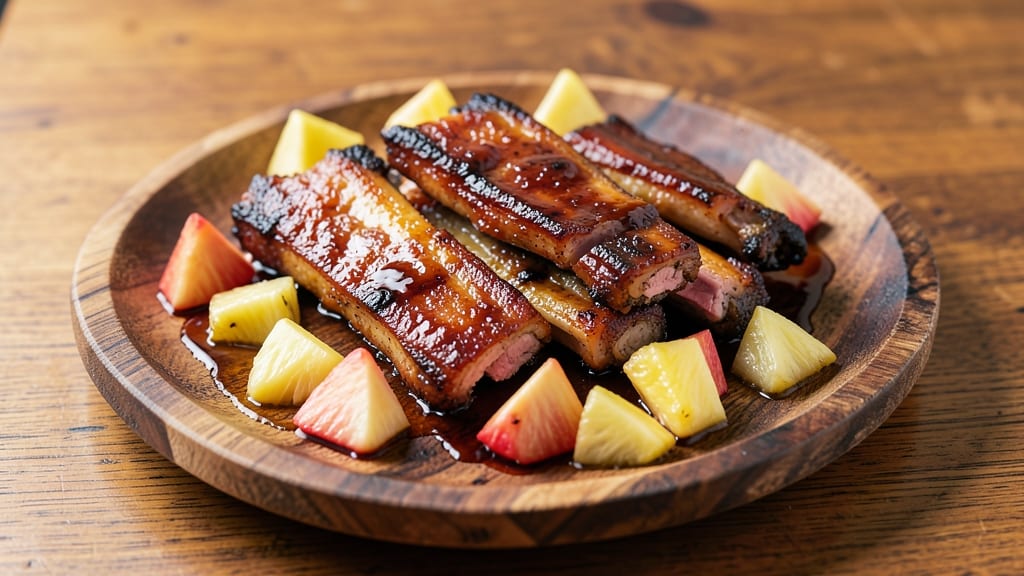
This Panlasang Pinoy pork ribs with pineapple recipe transforms tough ribs into tender, caramelized perfection with a sweet-savory glaze that balances smoky grill heat and tropical brightness. 🔥 I developed this after years of perfecting Filipino-style braised dishes, where the magic happens in the marinade and slow cooking process that melts fat and infuses flavor deep into the meat.
The secret lies in the caramelized glaze—a perfect harmony of soy sauce, vinegar, garlic, and pineapple juice that creates a sticky, glossy finish.
Unlike many recipes that rely on heavy sauces, this method uses a dry rub first to build flavor, then bastes the ribs with the glaze as they cook, ensuring every bite is tender and packed with that signature Filipino tang-sweet balance.
By the time you're done, you'll have ribs that are fall-off-the-bone tender with a glossy, caramelized crust and bright pineapple notes cutting through the richness. The aroma alone—smoky, garlicky, with hints of vinegar and caramel—will have everyone gathered around the table before the food even hits the plate.
Serve with steamed jasmine rice to soak up every last bit of that sticky glaze, and pair with a simple green salad to balance the richness.
This recipe delivers restaurant-quality results with minimal effort, making it perfect for weekend family dinners or special occasions when you want to impress without slaving over the stove.
Ingredients for pork ribs with pineapple recipe panlasang pinoy
Pantry staples meet tropical flavors—here's what you'll need for ribs that'll have everyone begging for seconds.
| Ingredient | Amount | Notes |
|---|---|---|
| Pork Ribs (Baby Back) 🍖 | 2 ½ lb | Bone-in, meaty cuts preferred |
| Yellow Onion 🧅 | 1 whole | Chopped into small pieces |
| Garlic Cloves 🧄 | 8 cloves | Minced for marinade and rub |
| Fresh Pineapple 🍍 | 1 cup | Juice only, no pulp |
| Cane Vinegar 🍶 | ¼ cup | White vinegar substitute |
| Soy Sauce 🥢 | ½ cup | Light or regular preferred |
| Brown Sugar 🍚 | ¼ cup | Packed, for caramelization |
| Ground Black Pepper 🌶️ | 1 tbsp | Freshly cracked preferred |
| Ground Cumin 🌿 | 1 tsp | Toasted for depth |
| Smoked Paprika 🌶️ | 1 tsp | For smoky flavor |
| Olive Oil 🫒 | ¼ cup | For basting |
| Salt 🧂 | 1 ½ tbsp | Kosher or sea salt |
| Fresh Ginger 🌿 | 1 tbsp | Grated, for marinade |
| Jasmine Rice 🍚 | 2 cups | Uncooked, for serving |
| Green Bell Pepper 🌶️ | 1 whole | Sliced for garnish |
The ribs are the star, so look for baby back cuts with good marbling—Costco or local butchers usually have the best quality. Fresh pineapple juice is ideal, but canned pineapple juice works too (just check for no added sugar). For the vinegar, cane vinegar gives that authentic Filipino tang, but white vinegar is a solid substitute if that's what you've got. The garlic and ginger? Fresh is non-negotiable—dried just won't cut it here. I always double-check my soy sauce is light soy for that perfect balance of salt and umami.
No pineapple juice? Freshly squeezed orange juice with a splash of lime gives a similar brightness. Running short on brown sugar? White sugar works fine—just caramelize it longer. The smoked paprika can be swapped for regular paprika if you're in a pinch, but Penzeys brand has the best depth of flavor. For the rice, jasmine rice is traditional, but basmati or even regular long-grain white rice will work in a bind. The green bell pepper is just for garnish—skip it if you're not feeling it, but the marinade and glaze are where all the magic happens.
Marinate the ribs overnight for best results—they'll thank you with tender perfection. The glaze keeps for 3 days in the fridge, so make extra if you're feeding a crowd. Store the ribs in the marinade in the fridge for up to 2 days before cooking. For leftovers, reheat gently in the oven with a splash of water to keep them moist—these ribs reheat beautifully. The glaze thickens as it cools, so stir before using if you've stored it separately.
Why You'll Love This Recipe
- One-Pan Magic: I swear by this recipe when I’m too tired to wash extra dishes. Baby back ribs, onions, and garlic go straight into the pan with the pineapple chunks—no chopping boards, no fuss. The vinegar does the work while you sip your coffee.
- Sweet-Savory Balance: That tangy cane vinegar cuts through the richness of the ribs, while the fresh pineapple adds a bright, juicy contrast. The garlic? Oh, it’s there—in the best way, like a warm hug for your taste buds.
- Party in a Pan: Between us, this is my go-to for gatherings. Serve it over rice for a hearty meal, or let guests build their own plates with the ribs and pineapple. (Yes, even on a Tuesday night.)
- Leftovers That Beg for More: The ribs stay tender for days, and the pineapple glaze keeps them from drying out. Honestly, I’ve reheated these three times and still craved the next bite—proof it’s worth making extra.
Step-by-step instructions for pork ribs with pineapple glaze
Here's how to balance smoky ribs with sweet-tart pineapple glaze that'll have everyone asking for seconds.
🔥 Step 1: Marinate the Ribs Overnight (This Makes All the Difference)
In a large bowl, combine the 1 cup fresh pineapple juice, 0.25 cup cane vinegar, 0.5 cup soy sauce, 0.25 cup brown sugar, 1 tbsp fresh ginger, 8 cloves minced garlic, 1 tbsp ground black pepper, 1 tsp ground cumin, and 1 tsp smoked paprika. Whisk until the brown sugar dissolves completely—it should look like a thick, aromatic syrup.
Add the 2.5 lb pork ribs and turn to coat evenly. Cover and refrigerate for at least 12 hours (overnight works best). The acidity from the vinegar and pineapple will tenderize the meat while the spices penetrate deeply. I like to flip the ribs halfway through if I remember—this ensures all sides get equal marinating love.
🍳 Step 2: Sear the Ribs for Maximum Flavor (Don't Skip This Crucial Step!)
Remove the ribs from the marinade (reserve the marinade for later) and pat them dry with paper towels. Heat a large oven-safe skillet over medium-high heat and add 0.25 cup olive oil. Once the oil shimmers, add the ribs in a single layer, leaving space between them.
Sear for 4-5 minutes per side until they develop a deep golden-brown crust. You'll know they're ready when they release from the pan easily—this means the sear is working. Transfer the ribs to a plate and set aside. The goal here is to lock in those juices while building that beautiful caramelized exterior that'll hold up to the glaze.
🥘 Step 3: Build the Glaze and Caramelize (This Is Where the Magic Happens)
In the same skillet (no need to clean it—the browned bits are flavor gold), pour in the reserved marinade. Bring to a simmer over medium heat and cook uncovered for 8-10 minutes, stirring occasionally, until it reduces by about half and becomes syrupy. You're looking for a glossy, thick consistency that coats the back of a spoon.
Here's the thing—don't walk away. Watch for the glaze to darken slightly and develop a caramelized aroma. This is when the flavors meld perfectly. If it starts to bubble too aggressively, reduce the heat to medium-low to prevent burning. The glaze should coat the ribs completely when you return them to the pan.
🔥 Step 4: Finish on the Grill or Broiler (For That Perfect Char)
Return the seared ribs to the skillet and pour the reduced glaze over them, spooning it generously over all sides. Transfer the skillet to a preheated grill (set to medium-high heat) or broiler (with rack positioned 4 inches from heat source). Grill for 10-12 minutes, turning occasionally, until the ribs are cooked through and the glaze is bubbly and slightly charred in spots.
For the grill method, you'll want those beautiful grill marks—this adds another layer of flavor. If using the broiler, watch closely as the glaze can burn quickly. The ribs are done when they reach an internal temperature of 195°F (use a meat thermometer) and the glaze has thickened into a sticky, caramelized coating. Let them rest for 5 minutes before serving—this helps the juices redistribute.
🍽️ Step 5: Serve with Jasmine Rice and Fresh Green Bell Pepper (The Perfect Pairing)
Cook the 2 cups jasmine rice according to package instructions until fluffy. While it cooks, slice the 1 whole green bell pepper into thin strips and quickly sauté in a separate pan with a little olive oil for 2-3 minutes until just tender—this adds a fresh, crunchy contrast to the rich ribs.
Slice the ribs between the bones and arrange them on a platter with the rice and bell pepper strips. The pineapple glaze should be glossy and sticky, clinging beautifully to each piece. Garnish with extra slices of green bell pepper if you're feeling fancy. Serve immediately while the ribs are still juicy and the glaze is warm and gooey—this dish doesn't wait!
Pro Tips For Making Pork Ribs With Pineapple Recipe Panlasang Pinoy
- Char the Onions First: Slice those onions thin and toss them in a dry, screaming-hot pan for 2-3 minutes before adding anything else. I used to add them raw with the garlic, and the flavor just never popped like it does when they’re caramelized first—especially in this tangy-sweet sauce.
- Cut Pineapple Into Chunks: Skip the rings—dice that pineapple into 1-inch cubes. They cook faster and soak up the sauce better, so you won’t end up with mushy, watery fruit at the bottom of the pan. (Yes, even if it looks less "Instagram.")
- Deglaze with Vinegar Early: As soon as you brown the ribs, splash in half the cane vinegar right away while scraping up those stuck-on bits. That’s where the real flavor hides, and waiting too long means losing half the depth in your sauce.
- Rest Ribs Before Slicing: Let those ribs sit under foil for 5-10 minutes after cooking—no peeking. I learned this the hard way when I sliced into them too soon and watched the juices pool instead of staying in the meat. (Your knife will thank you too.)
Wine and beer pairings for this recipe
Filipino-Inspired White Wine
For this dish, I reach for Filipino-friendly white wines that complement the sweet-savory glaze without overpowering it. A crisp Sauvignon Blanc from New Zealand—like Oyster Bay Sauvignon Blanc—works beautifully with its citrus notes that echo the pineapple.
The acidity cuts through the richness of the ribs while the herbal undertones balance the smoky char. 🍷
If you prefer something lighter, try a Pinot Grigio from Italy—Santa Margherita Pinot Grigio is my go-to. Its clean, mineral finish prevents the dish from feeling too heavy. Both wines pair perfectly with the dish's tropical brightness and umami depth, making every bite feel balanced and refreshing.
Craft Beer Pairings
For beer lovers, a hoppy IPA with tropical notes is ideal. I love New Belgium Fat Tire Amber Ale—its caramel malt and citrusy hops mirror the pineapple glaze while the maltiness stands up to the ribs' richness.
The slight bitterness also helps cleanse the palate between bites of sticky, caramelized meat. 🍺
If you're serving with a crowd, a Filipino-style lager like San Miguel Pale Pilsen is a crowd-pleaser. Its light body and subtle malt sweetness won't compete with the dish but instead enhance the pineapple's tropical brightness.
For a local twist, try a Portland craft lager—like Deschutes Mirror Pond Pale Ale—which offers a crisp finish that complements the dish's bold flavors.
Non-Alcoholic Options
Don't overlook non-alcoholic pairings! A sparkling pineapple soda—like Jarritos Pineapple—mimics the dish's tropical notes while adding effervescence to cut through the richness. For something more sophisticated, try a ginger beer with a splash of lime—Firefly Ginger Beer is my favorite.
The spicy kick and citrus brightness make it a perfect palate cleanser. 💛
For a traditional Filipino touch, serve hibiscus tea (sampalok) chilled. Its tart, cranberry-like flavor balances the dish's sweetness and smokiness, making it a refreshing and authentic choice. It's also caffeine-free, so it won't interfere with the meal's flavors.
Nutrition facts
Frequently asked questions
Can I use pork spare ribs instead of baby back ribs?
Yes, but you'll need to adjust the cooking time! Spare ribs have more connective tissue, so they'll need 15-20 minutes longer on the grill/broiler to become tender. For best results, trim excess fat first and increase the marinating time to 24 hours to help break down those tougher fibers. The glaze will still work perfectly.
What if I don't have fresh pineapple juice?
No problem! Use 1 cup freshly squeezed orange juice mixed with 1 tablespoon lime juice for brightness. For extra depth, add 1 teaspoon grated carrot or ginger to mimic pineapple's complexity. The dish will still taste amazing—just slightly more citrus-forward.
How do I prevent the glaze from burning on the grill?
Keep the grill lid closed as much as possible to maintain even heat. If using direct heat, move the ribs to a cooler part of the grill when the glaze starts to bubble aggressively. For broiling, position the rack 5-6 inches from the heat source and watch closely—1-2 minutes per side is usually enough to finish. A light char adds flavor, but you don't want it completely blackened.
Can I make this in a slow cooker instead of grilling?
After searing the ribs, transfer them to a slow cooker with the reduced glaze. Cook on Low for 4-5 hours or High for 2-3 hours, turning occasionally. The ribs will become fork-tender with a glossy coating. For extra flavor, cover and cook for 30 minutes after adding the glaze to let the sauce meld.
Why does my glaze turn out too thin?
This usually happens if you didn't reduce it long enough or used too much liquid in the marinade. To fix it, simmer the glaze uncovered for 5-10 more minutes until thickened. For next time, reduce the pineapple juice by 2 tablespoons or add 1 tablespoon cornstarch mixed with water to thicken while cooking. The glaze should coat the back of a spoon when done.