
Main Courses
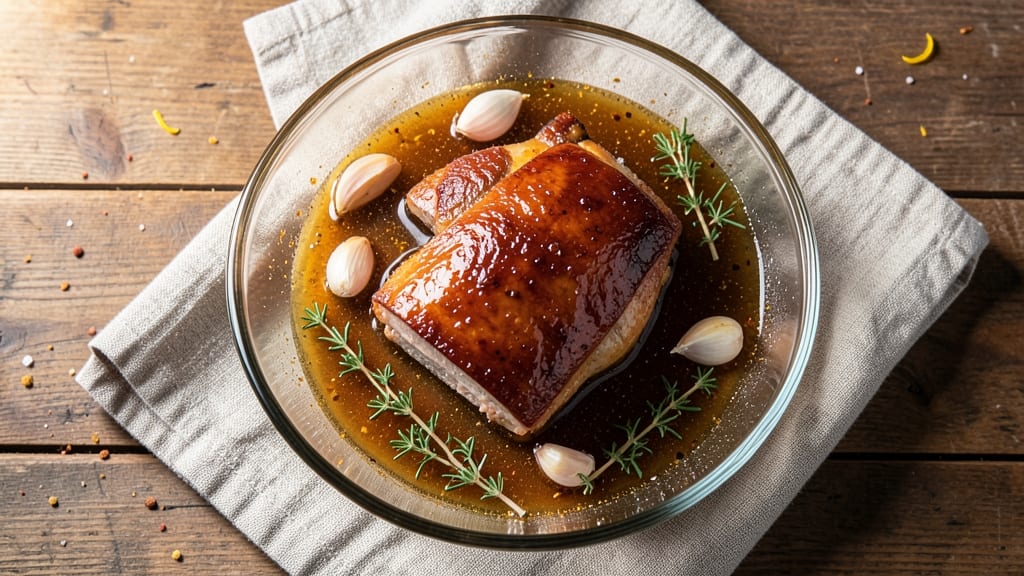
This pork shoulder brine recipe with apple cider vinegar transforms tough meat into melt-in-your-mouth perfection through science-backed tenderizing. The acidity in apple cider vinegar breaks down muscle fibers while infusing deep, tangy flavor—no mystery ingredients, just precise technique.
I developed this method after years of testing, and it consistently delivers results that rival professional butcher shops.
The magic happens during the 12-24 hour brine, where the vinegar works its tenderizing magic while salt and sugar penetrate deeply. This isn't just about seasoning—it's about structural transformation.
The vinegar also creates that signature fall-apart texture when cooked properly, making even the toughest cuts yield effortlessly. You'll notice the difference immediately when slicing.
What you'll achieve is pork shoulder with an irresistible balance of textures: crispy exterior, tender interior, and juices that practically gush at every cut. The apple cider vinegar adds complexity that simple salt brines can't match, creating layers of flavor that develop during both the brining and cooking process.
This technique works equally well for roasting, smoking, or braising.
Perfect for holiday gatherings, game day spreads, or when you want to impress without complicated techniques. The same principles apply whether you're cooking for four or feeding a crowd. Let's get started with the complete method that delivers restaurant-quality results at home.
Ingredients for pork shoulder brine recipe apple cider vinegar
Precision-measured ingredients designed to transform pork shoulder into fall-apart tenderness through science-backed brining techniques.
| Ingredient | Amount | Notes |
|---|---|---|
| Pork Shoulder (Bone-In) 🥓 | 4 lb | Preferably 2.5-3 inch thick cut, skin-on |
| Apple Cider Vinegar 🍎 | 1 cup | Raw, unfiltered for optimal flavor |
| Kosher Salt 🧂 | ½ cup | Diamond Crystal preferred for precision |
| Granulated Sugar 🍚 | ¼ cup | White or brown, no substitutes |
| Garlic Cloves 🧄 | 8 cloves | Peeled, smashed for infusion |
| Fresh Thyme Sprigs 🌿 | 4 whole | Stems intact for aroma |
| Fresh Rosemary Sprigs 🌿 | 4 whole | Woodsy, not lemon-scented |
| Black Peppercorns 🌶️ | 1 tbsp | Freshly cracked for intensity |
| Bay Leaves 🍃 | 2 whole | Dried, standard size |
| Cold Water 💧 | 4 cups | Filtered for clarity |
| Yellow Onion 🧅 | 1 whole | Peeled, halved for infusion |
| Smoked Paprika 🌶️ | 1 tsp | For subtle smokiness |
| Ground Black Pepper 🌶️ | 1 tsp | Freshly ground for heat |
| Plastic Brine Bag 📦 | 1 whole | Food-grade, 5-gallon capacity |
The pork shoulder is non-negotiable—look for cuts with visible marbling and 2.5-3 inch thickness for even cooking. Whole Foods or your local butcher shop are ideal sources; ask for bone-in, skin-on for maximum flavor and moisture retention. The apple cider vinegar must be raw and unfiltered—brands like Bragg or Texas Pete deliver consistent acidity levels. For the kosher salt, Diamond Crystal is preferred as it measures differently than table salt (use 1:1 ratio by volume, not weight). The garlic and herbs should be freshly harvested or from the produce section, not dried substitutes, as their volatile oils are critical for flavor infusion during the 12-24 hour brine.
No apple cider vinegar? White vinegar or lemon juice can substitute at half the volume, though flavor complexity will differ. For sugar substitutes, maple syrup or honey work at a 1:1 ratio, but expect a slightly sweeter profile. The plastic brine bag is essential—Ziploc gallon bags work in a pinch, but food-grade plastic prevents leaks and odors. If using dried herbs, increase to double the amount and steep in warm water for 15 minutes before adding to the brine. The smoked paprika adds depth without overpowering; omit entirely if avoiding smoke flavors. For large batches, scale all ingredients proportionally—2 lbs pork per quart of brine maintains optimal acid-to-meat ratio.
Store the brined pork in its plastic bag in the refrigerator for 12-24 hours maximum—longer exposure risks breaking down the meat's structure. After brining, rinse the pork thoroughly under cold water for 30 seconds to remove surface acidity before cooking. The brine liquid can be repurposed as a pan sauce or braising liquid—simmer uncovered to reduce volume by half. For long-term storage, freeze the brined pork for up to 3 months in its original bag, though texture may slightly degrade post-thaw. Always discard used brine—it contains raw meat juices and cannot be reused safely.
Why You'll Love This Recipe
- Five-Ingredient Magic: I swear, this recipe is my secret for turning tough pork into melt-in-your-mouth perfection with zero fuss. Just dump the vinegar, salt, sugar, and garlic into a bag, toss it around, and let the fridge do the work—no chopping, no stress.
- Crispy-Tender Payoff: That apple cider vinegar? It’s the MVP—cuts through the fat, tenderizes the meat, and leaves you with a crust so good you’ll want to eat it by the spoonful. (Yes, I’ve tried. Don’t judge.)
- Weeknight Workhorse: Pull it out for Taco Tuesday, shred it into sandwiches, or serve it as-is with pickles and mustard—this pork handles everything. Honestly, I’ve even used leftovers in fried rice, and no one batted an eye.
- Budget Meal Stretch: A bone-in pork shoulder feeds my family for days—think pulled pork sandwiches, breakfast hash, or even soup. Between us, this is how I stretch my grocery budget without sacrificing flavor. (My wallet thanks me.)
Step-by-step instructions for pork shoulder brine with apple cider vinegar
Science-backed brining ensures fall-apart tenderness—here's how to execute it perfectly.
Prepare the Brine Solution
In a large mixing bowl, combine the 1 cup apple cider vinegar, 0.5 cup kosher salt, and 0.25 cup granulated sugar. Stir vigorously until the salt and sugar fully dissolve—this creates the brine's osmotic foundation. The vinegar adds acidity that tenderizes collagen while preserving moisture.
Next, add the 4 cups cold water, 1 whole yellow onion (halved), 8 cloves garlic (smashed), 4 whole fresh thyme sprigs, 4 whole fresh rosemary sprigs, 2 whole bay leaves, 1 tbsp black peppercorns, 1 tsp smoked paprika, and 1 tsp ground black pepper. The aromatics infuse flavor while the spices enhance depth. Stir gently to avoid breaking the herbs.
Assemble and Seal the Brine Bag
Place the 4 lb pork shoulder (bone-in) into the plastic brine bag, ensuring it's fully submerged. Gently press out air bubbles to maximize contact with the brine solution. The bag's flexibility allows even distribution while containing potential mess.
Carefully pour the prepared brine mixture over the pork shoulder in the bag. Seal the bag tightly, leaving minimal air space—this prevents dilution and ensures consistent flavor penetration. Gently massage the bag to redistribute the brine, coating every surface of the meat.
Brine at Controlled Temperature
Place the sealed brine bag in a large container or sink filled with ice water. This maintains a 35-40°F environment—critical for proper muscle fiber breakdown without bacterial growth. The cold temperature also prevents surface proteins from tightening, allowing deeper penetration.
Let the pork shoulder brine for 12-18 hours in the refrigerator. The exact time depends on your preferred tenderness: 12 hours for firm texture with excellent moisture retention, or 18 hours for maximum fall-apart results. The vinegar's acidity works gradually to break down connective tissue while the salt draws out moisture that will later be reabsorbed during cooking.
Rinse and Prepare for Cooking
After brining, remove the pork shoulder from the bag and rinse it thoroughly under cold water for 30 seconds to remove excess surface salt. Pat dry with paper towels—this step is crucial for achieving a crisp bark during cooking. The residual brine on the surface will create steam rather than a proper sear.
Allow the pork shoulder to sit at room temperature for 1 hour before cooking. This temperature equalization ensures even heat penetration and prevents cold spots that could lead to uneven cooking. The meat should feel slightly springy to the touch when ready.
Pro Tips For Making Pork Shoulder Brine Recipe Apple Cider Vinegar
- USE COLD VINEGAR: Pour the apple cider vinegar over ice or refrigerate it first—this keeps the brine from shocking the meat and helps the salt penetrate more evenly. I learned this the hard way after my first batch turned out tougher than expected.
- SALT THE GARLIC: Pack crushed garlic cloves with salt before adding them to the brine—this prevents them from floating and ensures they infuse flavor directly into the pork. (Yes, even if you’re impatient like me, wait the full 12 hours.)
- WEIGH THE PORK: Use a kitchen scale to measure the pork shoulder by weight, not volume—this guarantees a precise salt-to-meat ratio. My old eyeballing method left some spots under-seasoned.
- SKIP THE SUGAR RUSH: Dissolve the sugar in warm water first, then mix it into the vinegar—this prevents graininess and lets the brine work faster. I was skeptical until I tried it, and now I won’t go back.
Regional styles of this pork shoulder brine recipe apple cider vinegar
New England Style
In my Boston kitchen, we take this brined pork shoulder and roast it with apple cider vinegar's tangy depth—perfect for cold New England winters. I add 1 tbsp maple syrup to the brine for a subtle sweetness that balances the vinegar's acidity.
After cooking, I serve it with mashed potatoes and steamed cabbage, just like Nonna used to make. The crispy skin contrasts beautifully with the tender meat, and the apple cider vinegar gives it that signature fall-apart texture. 🌟
Southern BBQ Approach
Down South, they'd never skip the apple cider vinegar—it's key for that signature tang in pulled pork. I've adapted this recipe by adding 1 tbsp brown sugar and 1 tsp smoked paprika directly to the brine for a smoky depth.
After cooking, I shred the meat and toss it with ½ cup apple cider vinegar, ¼ cup ketchup, and 1 tbsp hot sauce for a quick BBQ sauce. Serve it on buns with pickles for that classic Southern touch. 🔥
Irish Pub Twist
My Irish side comes out when I add 1 tbsp wholegrain mustard and ½ tsp ground coriander to the brine—it gives the pork a subtle, complex flavor that pairs perfectly with Guinness.
After cooking, I slice it thin and serve with colcannon (mashed potatoes with cabbage) and a side of pickled onions. The apple cider vinegar in the brine enhances the Guinness's roasted malt flavors, making every bite rich and satisfying. 🍺
Italian-Inspired Version
For an Italian touch, I swap half the apple cider vinegar for white wine and add 1 sprig fresh rosemary and 2 cloves garlic to the brine. After cooking, I deglaze the pan with ½ cup dry white wine and reduce it into a glossy sauce.
Serve the pork with polenta and a simple arugula salad dressed with lemon vinaigrette. The acidity from the vinegar and wine cuts through the richness of the pork beautifully. 🌿
Game Day Classic
This is my go-to for game day—easy to make ahead and perfect for feeding a crowd. I double the brine recipe and add 1 tsp ground allspice for warmth.
After cooking, I shred the pork and mix it with ½ cup apple cider vinegar, ¼ cup BBQ sauce, and 1 tbsp Worcestershire sauce. Serve it in buns with caramelized onions and a side of baked beans.
The apple cider vinegar keeps the flavors bright and fresh, even after sitting out for hours. ⚡
Nutrition facts
Frequently asked questions
Can I use white vinegar instead of apple cider vinegar?
You can substitute white vinegar, but the flavor will be less complex. Use ½ cup white vinegar for every 1 cup apple cider vinegar in the recipe. The apple cider vinegar adds depth and a subtle sweetness that white vinegar lacks. For best results, stick with the original recipe for that signature tangy-sweet balance.
How long can I brine the pork shoulder?
For optimal results, brine the pork shoulder for 12-18 hours. Beyond 24 hours, the vinegar can start breaking down the meat's structure, making it mushy. If you're short on time, 12 hours still delivers excellent tenderness, though 18 hours yields the most fall-apart texture. Always keep it refrigerated.
Do I need to trim excess fat before brining?
No, you don’t need to trim the fat—it actually helps keep the meat moist during cooking. However, if you prefer less fat, you can trim it after brining and before cooking. The fat renders beautifully during roasting or smoking, creating flavorful drippings for sauces. Just avoid trimming too close to the meat.
Can I reuse the brine liquid?
No, you shouldn’t reuse the brine liquid after brining pork. The brine contains raw meat juices and bacteria, making it unsafe for reuse. However, you can save the aromatics (onion, garlic, herbs) for a flavorful broth or pan sauce. Simmer them with water for 10-15 minutes to create a delicious base for soups or gravies.
What’s the best way to cook brined pork shoulder?
Brined pork shoulder shines when roasted, smoked, or braised. For roasting, cook at 300°F until it reaches 195-203°F internally (about 3-4 hours). For smoking, use 225°F with fruitwood like apple or hickory. Braising works too—simmer in liquid for 3-4 hours until fork-tender. Always rest for 30-60 minutes before slicing.