
Main Courses
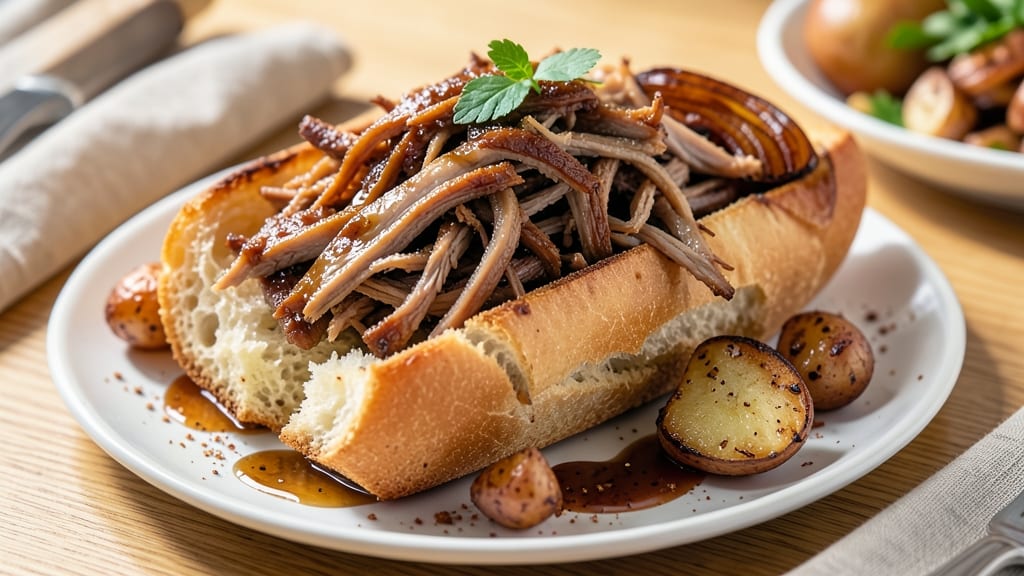
This pulled pork recipe with brown sugar and apple cider vinegar transforms tough pork shoulder into melt-in-your-mouth perfection with just 8 simple ingredients. The secret lies in the caramelized brown sugar glaze that balances sweetness with the bright tang of apple cider vinegar, creating a sauce that clings to every shred. I developed this version during a particularly chilly Portland winter when I needed a dish that could feed a crowd without requiring constant attention.
The magic happens during the slow cook—whether you use a smoker, oven, or Instant Pot—where the pork breaks down into tender, juicy strands that practically fall apart at the touch.
The brown sugar creates a beautiful caramelized crust while the apple cider vinegar tenderizes the meat and adds depth that cuts through the richness. This isn't just pulled pork; it's a restaurant-quality dish that tastes like it simmered all day, even if you only have a few hours.
By the time you're ready to serve, you'll have perfectly tender pork with a glossy, sticky glaze that's both sweet and tangy. The sauce is rich enough to coat each bite while remaining balanced, making every forkful irresistible.
This recipe delivers the kind of crowd-pleasing comfort that disappears faster than you can say "seconds, please."
Serve it on toasted buns with coleslaw or pickles for the full experience, or pile it onto tacos for a casual meal. The leftovers reheat beautifully, making this the perfect dish for meal prep or feeding a hungry family. Here's how to make it happen—easier than you think.
Ingredients for pulled pork recipe with brown sugar and apple cider vinegar
Eight simple ingredients transform tough pork into irresistible, sticky perfection.
| Ingredient | Amount | Notes |
|---|---|---|
| Pork Shoulder (Bone-In) 🍖 | 4 lb | With fat cap for flavor |
| Light Brown Sugar 🍯 | ¾ cup | Packed tightly, not loosely |
| Apple Cider Vinegar 🍏 | ½ cup | Raw, unfiltered preferred |
| Yellow Onion 🧅 | 1 whole | Medium size, chopped |
| Garlic Cloves 🧄 | 6 cloves | Peeled, smashed slightly |
| Smoked Paprika 🌶️ | 1 tbsp | For deep smoky flavor |
| Ground Black Pepper 🌶️ | 1 tsp | Freshly cracked preferred |
| Kosher Salt 🧂 | 1 ½ tsp | Diamond Crystal preferred |
| Water 💧 | ½ cup | For balance in slow cook |
| Olive Oil 🫒 | 1 tbsp | For searing pork |
| Fresh Thyme Leaves 🌿 | ¼ cup | Or 1 tbsp dried thyme |
| Beef Broth 🍲 | ½ cup | Low-sodium preferred |
The pork shoulder is the star—bone-in stays juicier than boneless. Costco or Trader Joe's often have great deals on this cut, but any grocery store's butcher section works. Look for good marbling—the white fat streaks are what make this dish rich and flavorful. The apple cider vinegar should be raw and unfiltered (like Bragg) for that authentic tang. If you can't find it, white vinegar works in a pinch, but the flavor won't be as complex. For the brown sugar, I always grab Domino—it's consistent and affordable, but light and dark work too if you're experimenting.
No apple cider vinegar? Substitute balsamic vinegar at half the amount—it's tangier, so use less. Running low on beef broth? Chicken broth works fine, but add a pinch of Worcestershire for depth. Fresh thyme? Dried thyme at one-third the amount is a solid swap. The smoked paprika is non-negotiable for that signature smoky flavor, but if you're out, a pinch of liquid smoke plus extra paprika mimics it. For the onion, any color works—yellow, red, or white—but yellow has the most natural sweetness to balance the vinegar. And if you're worried about the pork being too tough, don't be—this method turns it into melt-in-your-mouth perfection.
This reheats like a dream—honestly, it tastes even better the next day once everything melds together. Store leftovers in the fridge for 4-5 days or freeze for 3 months. I like to portion it into containers so I can grab a serving straight from the fridge for sandwiches. The sauce thickens as it cools, so add a splash of water or broth when reheating if it gets too stiff. And if you're feeding a crowd, double the recipe—it's worth the extra effort.
Why You'll Love This Recipe
- No-Chop Nightmare: I swear, this recipe lets me skip the onion dance. Just dice one onion and let the slow cooker do the rest—no tears, no fuss. The vinegar and brown sugar caramelize into a sticky, sweet-savory sauce that practically pulls itself apart.
- Sweet-Sour Magic: That tangy vinegar cutting through the caramelized sugar? Chef’s kiss. The pork shoulder stays juicy while the edges crisp, and the garlic cloves roast into fragrant little nuggets that melt into every bite. (Yes, even on a Tuesday night.)
- Leftovers That Beg: This makes way more than you’ll eat in one sitting—and honestly, that’s a good problem. Reheat the pulled pork in a skillet with a splash of apple cider vinegar, and it tastes like you just made it. My kids fight over the scraps.
- Pantry Staple Power: Brown sugar, vinegar, onion, garlic—stuff you already have. No specialty ingredients, no last-minute grocery runs. The pork shoulder’s the star, but the sauce costs pennies and turns even a basic meal into something special. Budget-friendly? More like bank-account-friendly.
Step-by-step instructions for pulled pork with brown sugar and apple cider vinegar
Here's how to transform that humble pork shoulder into tender, caramelized perfection.
Prepare the Pork Shoulder for Maximum Flavor
Start by patting the 4 lb pork shoulder (bone-in) completely dry with paper towels. This step is crucial because moisture prevents that beautiful caramelization we're after. I like to work with the fat cap intact—it renders down during cooking and bastes the meat, adding incredible flavor.
In a small bowl, combine the 0.75 cup light brown sugar, 1 tbsp smoked paprika, 1.5 tsp kosher salt, and 1 tsp ground black pepper. Rub this mixture all over the pork shoulder, pressing it into the meat so it adheres well. Don't be shy with the sugar—this is what creates that sticky, caramelized glaze we're aiming for. Let the seasoned pork sit at room temperature for 30 minutes while you prep the rest of your ingredients.
Sear the Pork for Deep Flavor
Heat a large Dutch oven over medium-high heat and add the 1 tbsp olive oil. Once the oil is shimmering, carefully place the pork shoulder fat-side down in the pot. Let it sear undisturbed for 8-10 minutes until the fat cap is golden brown and crispy in spots. This initial sear locks in juices and builds a flavorful crust.
Flip the pork and continue searing for another 5-6 minutes until all sides are well-browned. The pork will be quite firm at this point—that's normal. Remove it from the pot and set it aside on a plate, leaving all those beautiful browned bits in the pot. These bits are packed with flavor and will form the base of our sauce.
Build the Sweet-Tangy Cooking Liquid
In the same Dutch oven, add the 1 whole yellow onion (chopped) and 6 cloves garlic (smashed). Cook for 3-4 minutes until the onions soften and become translucent. This step develops their sweetness and removes any raw flavors.
Pour in the 0.5 cup apple cider vinegar and scrape up all those browned bits from the bottom of the pot with a wooden spoon. This deglazing step captures all that concentrated flavor. Add the 0.5 cup beef broth and 0.5 cup water, then bring the mixture to a simmer. Stir in the 0.25 cup fresh thyme leaves and return the pork shoulder to the pot, fat-side up.
Slow Cook Until Fork-Tender
Cover the Dutch oven and transfer it to a 300°F oven. Here's where the magic happens—slow cooking for 3-4 hours until the internal temperature reaches 195-203°F and the pork is fork-tender. You'll know it's ready when a probe slides in like butter with no resistance.
About halfway through cooking, I like to check the liquid level. If it's reduced too much, add ¼ cup water to maintain moisture. The pork should be falling apart easily at this point, with that beautiful caramelized glaze forming on the surface. This is where the brown sugar really shines, creating a sticky, sweet contrast to the tangy vinegar.
Shred and Serve with Perfect Texture
Remove the pork from the oven and let it rest for 10 minutes before shredding. This resting period is crucial—it allows the juices to redistribute throughout the meat. Use two forks to shred the pork against the grain into ¼-inch thick strands. Discard any large fat chunks or connective tissue.
Return the shredded pork to the Dutch oven with the cooking liquid and stir to combine. Taste and adjust seasoning if needed—you might want to add a pinch more salt or a splash more vinegar to balance the flavors. Serve immediately over buns with your favorite toppings, or let it sit for 15 minutes to let the flavors meld even more if you're making sandwiches ahead of time.
Pro Tips For Making Pulled Pork Recipe With Brown Sugar And Apple Cider Vinegar
- LET IT BROWN FIRST: Don’t rush the sear—get that pork shoulder deep golden before adding liquid. I learned this the hard way: skipping this step means your sauce will taste flat and pale, no matter how much brown sugar you dump in later.
- GRATE THE ONION: Finely grate the yellow onion instead of chopping it—it dissolves faster and sweetens the vinegar-braised sauce without chunks. (Yes, even if it looks weird at first.)
- BASTE WITH THE VINEGAR: After the first hour of cooking, pull the pork out and spoon the apple cider vinegar over it—let it sit for 10 minutes before returning it to the pot. This keeps the meat tender and locks in that tangy flavor instead of letting it evaporate into the air.
- SWEAT THE GARLIC: Cook the minced garlic in the rendered pork fat until it’s just turning golden, not crispy—burnt garlic ruins the whole dish. (I know, I know, but trust the process.)
Dietary considerations for this dish
Gluten-Free Adaptations
This pulled pork recipe is naturally gluten-free, but serving it requires attention to toppings and buns. Skip traditional buns and serve on gluten-free brioche buns from Canyon Bakehouse—they toast beautifully and hold up to the juicy pork.
For extra flavor, brush the buns with melted butter and sprinkle with gluten-free cornmeal before toasting. 🌾
Dairy-Free Considerations
Traditional pulled pork often includes dairy-based toppings like cheese or sour cream, but this recipe's rich sauce stands alone. Serve with dairy-free coleslaw made with vegan mayo (like Hellmann's Vegan) and apple cider vinegar for tang.
For a creamy element, mix coconut yogurt with a pinch of smoked paprika and serve on the side. The caramelized glaze adds enough richness without needing dairy.
Low-Sugar Options
If you're watching sugar intake, reduce the brown sugar to ½ cup and balance with an extra ¼ cup apple cider vinegar. The vinegar adds acidity that complements the pork without needing sweetness.
For a sugar-free version, replace the brown sugar with ½ cup monk fruit sweetener (like Lakanto)—it caramelizes beautifully and won't spike blood sugar. The resulting sauce will be tangier but still deeply flavorful.
Allergen-Friendly Swaps
For nut allergies, avoid any nut-based toppings like pecan-studded buns. If you're allergic to pork, this recipe doesn't translate well to chicken or turkey—the fat content and collagen breakdown are key to the tender texture.
For seafood lovers, try a similar technique with salt cod (soaked overnight) and the same glaze, but the texture will differ significantly. Always double-check all ingredients, especially broths and spices, for hidden allergens.
Meal Prep Tips
This pulled pork reheats beautifully for meal prep—store in glass airtight containers for up to 5 days in the fridge or 3 months in the freezer. When reheating, add 1-2 tablespoons water or broth to prevent drying out.
For portion control, divide into single-serving containers with a small amount of sauce to keep it moist. The flavors actually deepen overnight, making leftovers taste even better than the first serving. 💡
Nutrition facts
Frequently asked questions
Can I use a different vinegar instead of apple cider vinegar?
Yes, but the flavor will change. For a similar tang, try white vinegar (use half the amount) or balsamic vinegar (reduce to ¼ cup). If you prefer a milder taste, substitute with lemon juice plus 1 teaspoon sugar. The apple cider vinegar's depth comes from its natural sweetness and complexity, so these swaps won't be identical but still delicious.
How do I know when the pork is fully cooked?
Use a meat thermometer to check the internal temperature—it should reach 195-203°F. The pork will also be fork-tender, falling apart easily when tested. If you don't have a thermometer, cut into the thickest part: the juices should run clear, not pink, and the meat should shred effortlessly.
What's the best way to reheat leftovers?
Reheat gently in a skillet with 1-2 tablespoons water or broth over low heat for 5-7 minutes, stirring occasionally. Avoid microwaving—it can make the pork dry. For sandwiches, warm the pork and sauce together to maintain moisture. Leftovers taste even better the next day as flavors meld!
Can I make this in a slow cooker instead of an oven?
Brown the pork first, then transfer everything to a 6-quart slow cooker on Low for 8 hours or High for 5-6 hours. The texture will be slightly more tender, and the sauce will be thicker. Add ¼ cup water if the liquid reduces too much during cooking. The slow cooker method is perfect for hands-off prep!
Why did my pulled pork turn out dry?
Overcooking or skipping the resting period are common culprits. Always cook to 195-203°F—not higher—and let the pork rest for 10 minutes before shredding. If using a smoker, maintain 225-250°F to avoid drying. For extra moisture, add ¼ cup beef broth when reheating or serving.