
Main Courses
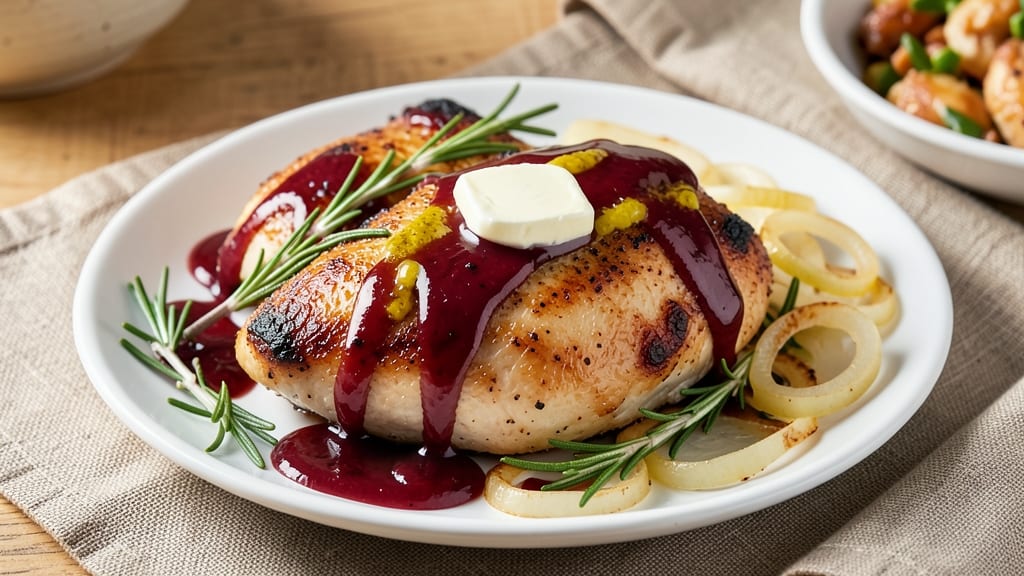
This rosemary apple cider chicken recipe transforms simple ingredients into a restaurant-worthy braise with tangy depth and aromatic complexity. The marriage of fragrant rosemary and sharp apple cider creates a sauce that clings to every bite, balancing sweet, savory, and herbal notes perfectly.
I developed this dish during a particularly chilly fall weekend when I wanted a meal that felt equally comforting and impressive—something that would make my guests think I'd spent hours in the kitchen.
The secret lies in the slow braising process, where chicken thighs become fork-tender while absorbing the rich, caramelized flavors of the apple cider reduction. Fresh rosemary sprigs infuse the liquid with their piney aroma, while a touch of Dijon mustard adds subtle heat.
This method delivers restaurant-quality results with minimal effort—just 30 minutes of active prep followed by hands-off braising. The dish pairs beautifully with roasted root vegetables or crusty sourdough to soak up every last bit of that velvety sauce.
What makes this recipe truly special is how the flavors evolve as it cooks. The apple cider begins with bright acidity, which mellows into a caramelized sweetness that complements the rosemary's earthy notes.
The chicken emerges tender yet still juicy, with a golden-brown crust that hints at the complex sauce beneath. This is the kind of dish that improves with leftovers—each reheated bite reveals even deeper layers of flavor.
Perfect for family dinners, holiday gatherings, or when you want to impress without stress. The technique is straightforward but delivers professional-level results, making it ideal for both confident cooks and those new to braising.
Let's get started on creating this aromatic, tangy masterpiece that will have everyone asking for seconds.
Ingredients for rosemary apple cider chicken
Twelve ingredients crafting restaurant-worthy depth through aromatic rosemary and caramelized apple cider.
| Ingredient | Amount | Notes |
|---|---|---|
| Boneless, Skinless Chicken Thighs 🍗 | 1 ½ lb | Evenly sized for consistent cooking |
| Fresh Rosemary Sprigs 🌿 | ½ cup | Tightly packed, stems removed |
| Unsalted Butter 🧈 | 3 tbsp | Cold, cubed for browning |
| Apple Cider 🍎 | 1 ½ cups | Unfiltered, preferably organic |
| Dijon Mustard 🌶️ | 1 tbsp | High-quality, smooth variety |
| Yellow Onion 🧅 | 1 whole | Medium, finely diced |
| Garlic Cloves 🧄 | 4 cloves | Peeled, minced finely |
| Dried Thyme 🌿 | 1 tsp | Or 1 tbsp fresh thyme |
| Black Peppercorns 🌶️ | ½ tsp | Freshly cracked |
| Kosher Salt 🧂 | 1 ½ tsp | Diamond Crystal preferred |
| All-Purpose Flour 🌾 | 1 tbsp | For thickening sauce |
| Fresh Parsley 🌿 | ¼ cup | Chopped, for garnish |
The chicken thighs are the foundation—bone-in, skin-on would add richness, but boneless works beautifully for this braise. Local butcher shops often have the best quality, but any well-marbled thigh will do. Fresh rosemary is non-negotiable here; the piney aroma is what elevates this dish. Look for sprigs with vibrant green needles and no brown stems. For the apple cider, unfiltered brands like Woodchuck or Angry Orchard deliver superior flavor with natural sediment. The Dijon mustard should be smooth, not grainy—Maille is my go-to for consistent results.
No fresh rosemary? Dried rosemary at half the amount works, though the flavor will be more muted. Substitute apple cider with white wine or apple juice if needed, but the acidity balance shifts. The onion and garlic can be swapped for shallots for a milder sweetness. For a deeper caramelization, reduce the apple cider by half before adding liquid back. The flour is optional but recommended—it thickens the sauce beautifully. If you prefer gluten-free, cornstarch works equally well at the same ratio.
This braise tastes even better the next day as flavors meld. Store leftovers in an airtight container for up to 5 days in the fridge or 3 months frozen. The sauce thickens upon reheating, so add a splash of water or cider if needed. For presentation, garnish with fresh parsley and a drizzle of reduced apple cider. The chicken reheats beautifully in a skillet with a splash of the braising liquid for extra moisture.
Why You'll Love This Recipe
- One-Pan Magic: I swear by this—just toss the chicken thighs, rosemary sprigs, and apple cider in a single pan. No chopping, no fussing, and that butter-poached richness happens while you stir in the mustard. Honestly, the only cleanup is wiping the spatula.
- Taste Like Fall: The rosemary and apple cider create this perfect balance—herby but sweet, crisp but tender. That crispy skin on the thighs? Chef’s kiss. The mustard ties it all together like a hug in sauce form.
- Weeknight Hero: This is my go-to when I need something quick but still feels special. Double the batch on Sunday, and you’ve got dinner for Tuesday and Thursday—just reheat and serve. (Yes, even on a Tuesday night.)
- Budget-Friendly Luxury: Chicken thighs stretch further than breasts, and apple cider adds depth without breaking the bank. Leftovers reheat beautifully, so you’re not scrambling for ideas. Between us, it’s the kind of meal that makes grocery night feel like a win.
Step-by-step instructions for rosemary apple cider chicken
This braising method delivers tender, herb-infused chicken with a rich apple cider sauce.
🍳 Step 1: Sear the Chicken for Maximum Flavor
Heat a large Dutch oven over medium-high heat until hot. Add the 3 tablespoons unsalted butter and let it melt completely, watching for bubbles to form around the edges. Pat the 1.5 pounds boneless, skinless chicken thighs dry with paper towels—this ensures a proper sear rather than steaming.
Working in batches if needed, add the chicken thighs to the Dutch oven, skin-side down. Press gently with a spatula to maintain contact with the pan. Cook undisturbed for 4-5 minutes until the chicken develops a deep golden-brown crust. Flip the thighs and sear the other side for another 3-4 minutes. Remove the chicken and set aside on a plate.
👨🍳 Step 2: Build the Herb and Aromatic Base
In the same Dutch oven, reduce heat to medium and add the finely diced yellow onion. Cook for 5 minutes until softened and translucent, stirring occasionally. Add the minced garlic cloves and cook for 30 seconds until fragrant—don't let it brown or it will turn bitter.
Stir in the 0.5 cup fresh rosemary sprigs, 1 teaspoon dried thyme, and 0.5 teaspoon cracked black peppercorns. Cook for 1 minute to toast the herbs and spices, releasing their essential oils. This step develops the foundation of your dish's complex aroma.
🥘 Step 3: Deglaze and Braise with Apple Cider
Pour in the 1.5 cups apple cider and scrape up any browned bits from the bottom of the Dutch oven with a wooden spoon. This deglazing captures all the flavor you've built so far. Add the 1 tablespoon Dijon mustard and bring the mixture to a gentle simmer over medium heat.
Return the chicken thighs to the Dutch oven, skin-side up. Sprinkle evenly with the 1.5 teaspoons kosher salt. Cover with a tight-fitting lid and transfer to a preheated 325°F oven. Braise for 45-50 minutes until the chicken reaches an internal temperature of 165°F and the sauce has thickened slightly.
🍲 Step 4: Thicken the Sauce and Finish
Remove the chicken from the Dutch oven and transfer it to a serving platter. Place the Dutch oven back on the stovetop over medium heat and whisk in the 1 tablespoon all-purpose flour to thicken the sauce. Cook for 2-3 minutes until the sauce coats the back of a spoon and has reduced slightly.
Taste and adjust seasoning with additional salt if needed. The sauce should be tangy from the apple cider with herbal notes from the rosemary and thyme. Return the chicken to the Dutch oven and spoon the sauce generously over the top. Garnish with the 0.25 cup chopped fresh parsley for freshness and color.
Pro Tips For Making Rosemary Apple Cider Chicken
- SEAR THE THIGHS FIRST: Get your pan screaming hot—we’re talking smoke-just-starting-to-rise heat—before adding the chicken thighs. I used to rush this, and my sauce would turn into a thin glaze instead of a rich, caramelized base. A good sear locks in flavor and gives you that golden crust under the cider reduction.
- STRIP THE ROSEMARY STEMS: Don’t just toss whole sprigs in—strip the needles off the stems first. The woody bits turn to mush and make the sauce bitter. Run a knife along the stem to loosen the needles, then pluck them off with your fingers. (Yes, it’s tedious, but your sauce will taste like it.)
- DEGLAZE WITH CIDER, NOT WATER: After searing, immediately pour in the apple cider—don’t wait. The residual heat will help break down the browned bits into a glossy sauce, not a watery mess. If you add water first, you’ll dilute the flavor and waste time waiting for it to reduce.
- LET THE SAUCE REDUCE UNTIL SYRUPY: Walk away. I know, I know—you’re eager to eat. But push it to a thick, coat-the-back-of-a-spoon consistency. The cider’s natural sweetness and acidity will concentrate, turning a simple pan sauce into something that clings to the chicken like a hug. Five minutes off the heat, covered, does the trick.
Wine and beer pairings for rosemary apple cider chicken
Apple Cider's Classic Reds
An unfiltered dry red wine like Pinot Noir from Oregon or Cabernet Franc from the Loire Valley complements the dish beautifully. The wine's bright acidity mirrors the apple cider's tang, while its earthy undertones harmonize with rosemary's piney notes.
I always reach for a 2019 Domaine Serene Pinot Noir—its delicate fruit and herbal complexity make it a perfect match. 🍷
Crisp Whites for Balance
If you prefer white wine, a dry Riesling from Germany or a Sauvignon Blanc from New Zealand offers refreshing contrast. The Riesling's slight sweetness balances the dish's acidity, while Sauvignon Blanc's citrus notes cut through the richness.
A Dr. Loosen Blue Slate Riesling is my go-to for this pairing—its crisp finish cleanses the palate between bites.
Craft Beer Pairings
For beer lovers, a Belgian-style witbier like Hoegaarden provides the perfect balance with its coriander and citrus notes. Alternatively, a hazy IPA with apple and herb accents—like Three Floyds East Coast IPA—enhances the dish's herbal complexity. The beer's effervescence also helps cut through the richness of the braised chicken.
Seasonal Cider Options
Don't overlook hard cider as a pairing—it's essentially a fermented version of the star ingredient! A dry, unfiltered cider like Angry Orchard Crisp Apple enhances the dish's apple-forward flavors. For something stronger, a spiced hard cider (like Woodchuck Spiced Apple) adds warmth that complements the rosemary's earthiness.
Non-Alcoholic Alternatives
For non-drinkers, a sparkling apple cider like Martinelli's Sparkling mirrors the dish's flavors while keeping it refreshing.
Alternatively, a ginger beer with a touch of rosemary syrup (simmer ½ cup apple cider with 1 sprig rosemary and 1 tsp honey) creates a sophisticated mocktail that enhances the meal's herbal notes.
Serving Temperature Tips
Serve your wine or beer slightly cooler than room temperature—about 55-60°F for reds and 45-50°F for whites. Chill ciders to 40-45°F to preserve their crispness. I always let my wine breathe for 10 minutes** before pouring to fully appreciate its aromatic complexity alongside the dish.
Nutrition facts
Frequently asked questions about rosemary apple cider chicken
Can I make this recipe with chicken breasts instead of thighs?
Chicken breasts will work, but thighs are ideal for braising because they stay juicier and more tender during the long cooking time. If you must use breasts, pound them to an even ½-inch thickness and reduce the braising time to 25-30 minutes—they'll dry out faster. For best results, marinate the breasts for 30 minutes in the apple cider and rosemary mixture before cooking.
How do I adjust the recipe for a slow cooker?
Transfer the seared chicken and all ingredients (except flour) to a slow cooker. Cook on low for 6-7 hours or high for 3-4 hours until the chicken reaches 165°F. Remove the chicken, then whisk in the flour to thicken the sauce on the stovetop. The slow cooker method yields even more tender chicken, but the sauce may need extra reduction to achieve the same richness.
What's the best way to reheat leftovers?
Reheat leftovers gently in a skillet over low heat with a splash of apple cider or water to prevent drying. Alternatively, cover and warm in a 300°F oven for 15-20 minutes. The sauce will thicken further—add a little liquid if needed. For extra flavor, spoon some of the reheated sauce over the chicken before serving. This dish actually tastes better the next day as flavors meld!
Can I substitute apple cider vinegar for apple cider?
Yes, but you'll lose some of the dish's complexity. Use ½ cup apple cider vinegar plus 1 cup water (or apple juice) to mimic the volume, but add 1 tablespoon honey or brown sugar to balance the sharpness. The vinegar will create a tangier sauce, but the caramelized depth from real cider will be missing. For best results, stick with authentic apple cider when possible.
Why did my sauce turn out too thin?
This usually happens when the sauce wasn't reduced enough or the flour wasn't properly incorporated. For next time, simmer the sauce uncovered for 5-7 minutes after adding flour to thicken it. If using cornstarch (for gluten-free), mix it with cold water first to prevent clumping. Also ensure you're using a Dutch oven—its deep sides help concentrate flavors during reduction.