
Main Courses
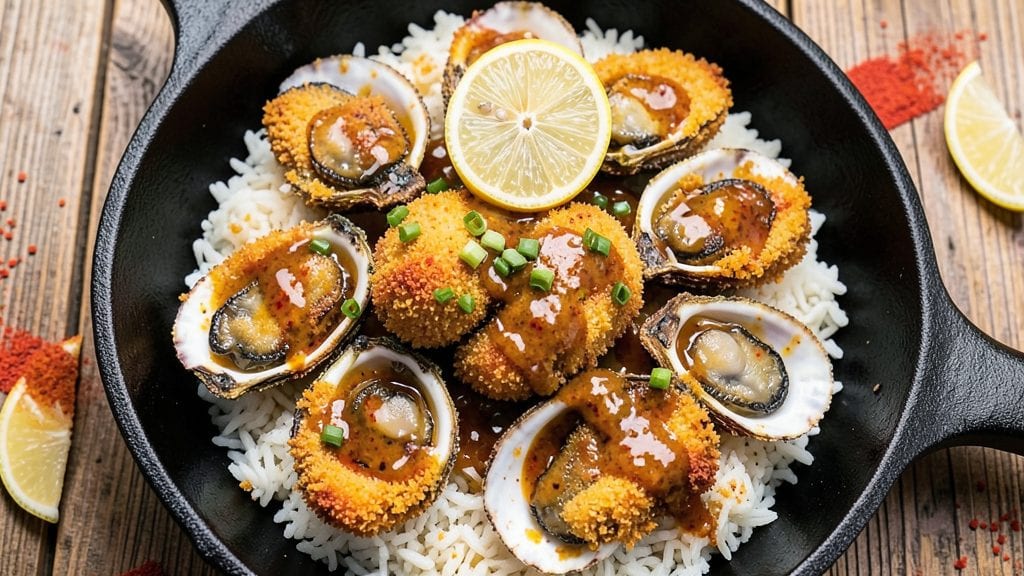
Southern fried oysters recipe transforms briny, tender oysters into golden, crispy bites that stand up to every dip. The secret lies in double-dredging—cornmeal and flour create a crunchy shell that stays crisp even after frying in 360°F oil.
This technique has been perfected in Southern kitchens for decades, delivering restaurant-quality results at home with just a few key steps.
The process begins with fresh oysters, shucked and drained, then coated in a mix of cornmeal and flour for that signature Southern crunch. Frying at the right temperature is critical—too low, and the breading turns greasy; too high, and it burns before the oysters cook through.
The result? A perfect balance of crispy exterior and tender, briny interior that melts in your mouth.
Serve these fried oysters with classic Southern sides like hushpuppies or a tangy tartar sauce for dipping. The cornmeal breading absorbs flavors beautifully, making every bite worth the effort. Whether you're hosting a seafood boil or craving a taste of the South, this recipe delivers restaurant-quality results with minimal fuss.
For best results, work quickly once the oysters hit the hot oil—timing is everything. This method ensures your fried oysters stay crispy, not soggy, and ready to impress. Let’s get cooking!
Ingredients for southern fried oysters
Fresh oysters and Southern staples transform into crispy, golden bites with perfect crunch.
| Ingredient | Amount | Notes |
|---|---|---|
| Fresh Oysters 🦪 | 1 ½ lb | Shucked, drained, and rinsed |
| All-Purpose Flour 🌾 | ½ cup | White flour for light coating |
| Fine Yellow Cornmeal 🌽 | ½ cup | Stone-ground preferred for texture |
| Cayenne Pepper 🌶️ | ½ tsp | Adjust for spice preference |
| Garlic Powder 🧄 | 1 tsp | Freshly ground preferred |
| Paprika 🌶️ | ½ tsp | Smoked variety for depth |
| Lemon Juice 🍋 | 2 tbsp | Freshly squeezed for brightness |
| Vegetable Oil 🫒 | 3 cups | High smoke point preferred |
| Salt 🧂 | 1 tsp | Kosher or sea salt |
| Black Pepper 🌶️ | ½ tsp | Freshly ground for heat |
| Butter 🧈 | ¼ cup | Melted for dipping sauce |
| Hot Sauce 🌶️ | 2 tbsp | Optional for serving |
The oysters are the star—fresh, shucked oysters from the seafood counter are non-negotiable. Look for local or Gulf oysters at markets like Whole Foods or Trader Joe's for the best briny flavor. If you're using frozen, thaw them completely in the fridge overnight. The cornmeal should be fine yellow—stone-ground adds that authentic Southern texture. For the oil, vegetable or peanut oil works best; avoid olive oil as it burns too easily at high heat. Preheat your oil to 360°F—this is critical for that perfect crisp without grease.
No cayenne? Red pepper flakes at half the amount work in a pinch. Short on cornmeal? Panko breadcrumbs can replace it, but you'll lose that signature Southern crunch. For extra flavor, add 1 tsp of Old Bay seasoning to the flour mix. The lemon juice should be freshly squeezed—bottled won't cut it. If you're feeling adventurous, swap the butter dip for garlic aioli by mixing melted butter with minced garlic and a splash of lemon. The hot sauce? Crystal or Tabasco are classic choices, but any spicy sauce will do.
Keep your oysters on ice until ready to fry—they cook fast once in the oil. The cornmeal mixture stays good for 1 day in an airtight container, but fresh is always best. Fry in batches—overcrowding drops the oil temperature, leading to greasy oysters. Serve immediately with your dipping sauce of choice. Leftovers? Store in the fridge for 1 day max—the breading gets soggy after that. For a crowd, double the recipe and keep the oil hot in a slow cooker on low.
Why You'll Love This Recipe
- No-Fuss Setup: The only real prep is shucking oysters—which takes less time than boiling water—and mixing two dry ingredients. That’s it. No marinating, no brining, no fuss. I’ve made this while watching a movie, and the only thing that got my attention was the sizzle.
- Crispy-Spicy Magic: That double-dusting in cornmeal and flour? It’s what makes them good—crunchy outside, tender inside, with just a whisper of cayenne to wake up your taste buds. Honestly, the first bite makes me forget I’m eating seafood.
- Tailgate to Sunday Supper: Serve these with lemon wedges and a cold beer at a backyard cookout, or plate them with buttery grits for a lazy weekend brunch. They’re equal parts party snack and comfort food—no judgment if you eat them straight from the pan.
- Leftovers? More Like Second Helpings: The batter stays crispy reheated in the oven, and the oysters don’t dry out like some fried things do. Between us, I’ve had these for lunch the next day, and they’re still the star. Plus, you’re using up oysters before they go bad—win-win.
Step-by-step instructions for Southern fried oysters
Here's how to create oysters with a golden, shatterproof crust that stays crispy through every bite.
Prepare the Oyster Battering Station
In a medium bowl, whisk together the 0.5 cup all-purpose flour, 0.5 cup fine yellow cornmeal, 1 tsp salt, 0.5 tsp black pepper, 1 tsp garlic powder, and 0.5 tsp cayenne pepper until completely combined. This dry mixture is the foundation of your crispy coating. The cornmeal adds texture while the flour helps bind everything together. I like to use a whisk for this step to ensure there are no lumps in the dry ingredients.
In a separate small bowl, combine the 2 tbsp lemon juice. This acidic component will tenderize the oysters slightly and add brightness to the final dish. The lemon juice should be freshly squeezed for the best flavor profile. Set both bowls aside while you prepare the frying station.
Create the Perfect Frying Environment
Fill a deep skillet or Dutch oven with 3 cups vegetable oil and heat it over medium-high heat until it reaches 350°F. Use a deep-fry thermometer to monitor the temperature—this precision is crucial for achieving that perfect golden brown crust without burning the oysters on the inside. The oil should be hot enough to create gentle bubbles around a wooden chopstick when you test it, but not so hot that it smokes excessively.
While the oil heats, shuck the 1.5 lb fresh oysters, drain them thoroughly, and pat them completely dry with paper towels. Any moisture remaining on the oysters will prevent the coating from adhering properly and could cause the breading to fall off during frying. Work quickly but carefully to maintain the oysters' freshness.
Bread and Fry the Oysters
Working in batches to avoid overcrowding the pan, dip each oyster into the lemon juice mixture first. This step is essential—it helps the coating adhere better and adds that signature tang. Then immediately roll the oyster in the flour-cornmeal mixture, pressing gently to ensure an even, thick coating all around. The coating should be about ¼-inch thick for maximum crispiness.
Carefully place the coated oysters into the hot oil, being mindful not to splash. Fry for 2-3 minutes per side until they achieve a deep golden brown color. You'll know they're ready when the breading is crisp and the oysters are just beginning to curl slightly at the edges. Use a slotted spoon to remove them from the oil and transfer to a paper towel-lined plate to drain excess oil. Keep them warm in a 200°F oven while you fry the remaining batches.
Prepare the Dipping Sauce
In a small saucepan, melt the 0.25 cup butter over low heat. Once melted, remove from heat and stir in the 2 tbsp hot sauce. This simple combination creates a rich, slightly spicy sauce that complements the crispy oysters perfectly. The heat from the hot sauce will mellow slightly as it cools, so you can adjust the amount to your preference. Keep the sauce warm until serving.
To serve, arrange the crispy fried oysters on a platter and drizzle with the melted butter sauce. The contrast between the shatterproof crust and the creamy, spicy sauce is what makes these oysters truly special. Serve immediately while the oysters are at their crispiest, with lemon wedges on the side for additional brightness.
Pro Tips For Making Southern Fried Oysters
- Drain Those Oysters: After shucking, let the oysters sit in a colander for 10 minutes—this removes excess brine and helps the flour stick better. I learned this the hard way when my first batch turned into a soggy mess because I rushed straight to breading.
- Use Two Coats: Dip oysters in flour first, shake off excess, then roll in cornmeal mix—repeat once more. The first coat seals them; the second adds that signature crunch. Skip the extra step, and you’ll get a mealy crust instead of a crispy one.
- Watch the Oil Temp: Heat oil to 350°F (175°C) and keep it there—too hot and they burn before cooking through, too cool and they steam instead of fry. Use a thermometer; your eye won’t cut it. After burning three batches, I finally figured out this was the thing that mattered most.
- Add Cayenne Last: Sprinkle cayenne over the fried oysters right before serving—it keeps the heat sharp and prevents the flour from absorbing it too early. Mix it into the batter, and you’ll just get a dusty, muted flavor instead of a proper kick.
Flavor customization for this southern fried oysters
Spicy Kick Options
For those who love heat, add 1 tsp smoked paprika and ½ tsp crushed red pepper flakes to your cornmeal mix. This combo delivers a smoky, fiery crunch that pairs perfectly with the briny oysters.
I like to serve these with Crystal hot sauce on the side for extra heat lovers. 🌶️
Garlicky Twist
Boost the flavor with 2 tbsp minced garlic mixed into your melted butter sauce. The garlic infuses the butter beautifully, creating a rich, aromatic dip that complements the crispy oysters.
For an extra punch, add a splash of white wine to the butter while melting. This works especially well with the classic Southern fried oyster combo.
Herb-Infused Crunch
Swap out half the cornmeal for 1 tbsp dried parsley flakes and 1 tsp dried thyme for a fresh, herbaceous twist. The herbs add a bright, earthy note that balances the richness of the fried oysters.
I also like adding ½ tsp onion powder to the flour mix for extra depth. This variation is perfect for a lighter, more aromatic take on the classic dish.
Sweet Heat Balance
Add 1 tsp brown sugar to your cornmeal mix for a sweet-and-spicy contrast. The sugar caramelizes slightly during frying, creating a delicious balance with the cayenne and smoked paprika.
Serve with a honey mustard dipping sauce made by mixing 2 tbsp Dijon mustard with 1 tbsp honey and a splash of lemon juice. This sweet-spicy combo is a crowd-pleaser.
Cajun-Inspired Crust
For a Louisiana-inspired twist, add 1 tsp Cajun seasoning (like Tony Chachere’s) and ½ tsp celery salt to your flour mix. This gives the oysters a bold, spicy kick with a hint of celery and onion.
Serve with remoulade sauce for a true Gulf Coast experience. The Cajun flavors elevate the dish while keeping the Southern roots intact. 🔥
Citrus Zest Boost
Brighten up your fried oysters by adding 1 tbsp finely grated lemon zest to your cornmeal mix. The zest adds a refreshing citrus note that cuts through the richness of the fried coating.
For an extra zing, serve with a lemon aioli made by mixing ¼ cup mayonnaise, 1 tbsp lemon juice, and 1 tsp lemon zest. This variation is perfect for those who love a tangy, citrusy profile.
Nutrition facts
Frequently asked questions
Can I use frozen oysters instead of fresh?
Frozen oysters work in a pinch, but fresh is ideal for best texture. Thaw them overnight in the fridge and pat completely dry before breading. Avoid using oysters that have been thawed at room temperature, as this can make the breading soggy. For restaurant-quality results, fresh Gulf oysters are the gold standard.
What's the best oil for frying?
Use a high-smoke-point oil like vegetable, peanut, or canola oil—they stay stable at 350-375°F. Avoid olive oil as it burns easily. For extra flavor, some chefs use a mix of peanut oil and melted butter. Keep your oil hot and clean between batches to maintain crispiness.
Why did my oysters turn greasy instead of crispy?
Greasy oysters usually mean the oil wasn't hot enough (below 350°F) or the pan was overcrowded. Use a thermometer to monitor temperature and fry in small batches. Also, ensure oysters are completely dry before breading—any moisture causes grease absorption.
Can I make this recipe ahead of time?
Freshly fried oysters are best served immediately, but you can prep the breading mix 1 day ahead and store it in an airtight container. For a make-ahead option, fry the oysters, cool completely, and reheat in a 375°F oven for 5-7 minutes until crispy again. The breading loses crunch when soggy, so timing is everything.
What are the best sides for fried oysters?
Classic Southern pairings include hushpuppies, collard greens, or a simple tomato salad. For a seafood boil vibe, serve with corn on the cob, boiled potatoes, and lemon wedges. The crispy oysters also shine with tartar sauce, spicy mayo, or a creamy remoulade.