
Side Dishes
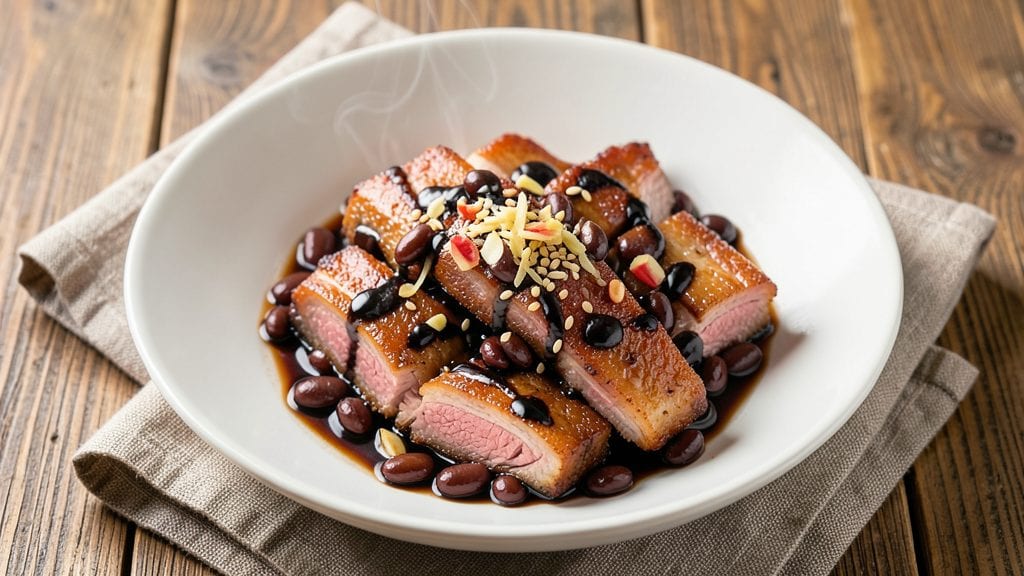
This steamed pork ribs recipe transforms simple ingredients into a dish where fermented black beans add an unmistakable umami depth that elevates every bite.
The process is straightforward yet precise—steaming brings out the natural tenderness of the ribs while the black beans infuse their signature tangy, funky flavor without overpowering the meat.
I first discovered this technique while researching traditional Chinese home cooking methods, and it quickly became a staple in my weekly meal rotation.
The beauty of this recipe lies in its simplicity and the way flavors develop during steaming. You'll need just a few core ingredients—pork ribs, fermented black beans, ginger, garlic, and a touch of soy sauce—to create a dish that's packed with complex flavors.
The steaming method ensures the ribs stay moist and tender, while the black beans contribute a rich, savory base that makes this dish uniquely satisfying. It's a technique that works beautifully for both weeknight dinners and special occasions.
What you'll achieve is a perfectly steamed dish where the ribs are tender yet still hold their shape, and the black beans have softened just enough to release their deep, fermented essence.
The aroma alone will draw everyone to the table—imagine that rich, earthy scent mingling with the subtle sweetness of the pork. This is comfort food at its finest, where every element comes together in perfect harmony.
The best part? This recipe scales effortlessly, making it ideal for feeding a crowd or preparing leftovers for lunches. The steaming process ensures minimal cleanup, and the flavors only deepen as the dish sits.
Whether you're serving it with steamed rice or as part of a larger spread, this steamed pork ribs recipe delivers restaurant-quality results with a homemade touch that's impossible to replicate.
Ingredients for steamed pork ribs with fermented black beans
Core ingredients meeting traditional technique for tender ribs with fermented depth.
| Ingredient | Amount | Notes |
|---|---|---|
| Pork Ribs 🥩 | 2 lb | Baby back or spare ribs, cut into 1-inch pieces |
| Fermented Black Beans 🫘 | 1 cup | Rinsed to reduce saltiness |
| Fresh Ginger Root 🌿 | 2 tbsp | Finely grated, aromatic |
| Garlic Cloves 🧄 | 6 cloves | Minced, fresh preferred |
| Light Soy Sauce 🥄 | 2 tbsp | Kikkoman or similar |
| Dark Soy Sauce 🥄 | 1 tbsp | For color depth |
| Shaoxing Wine 🍷 | 2 tbsp | Substitute dry sherry if unavailable |
| Sesame Oil 🫒 | 1 tsp | Toasted, for aroma |
| Green Onions 🧅 | 3 whole | White and green parts, sliced |
| Water 💧 | 2 cups | For steaming |
| Salt 🧂 | 1 tsp | Adjust to taste |
| White Peppercorns 🌶️ | ¼ tsp | Freshly ground |
| Steamed White Rice 🍚 | 2 cups | For serving |
The fermented black beans are the secret weapon here. Look for the dark, wrinkled kind in Asian markets or the international aisle—brands like Lee Kum Kee or Hainan are reliable. Rinsing them first cuts the saltiness without losing their funky essence. For the pork ribs, baby back ribs are ideal, but spare ribs work too. Cut them into even 1-inch pieces so they steam uniformly. Fresh ginger and garlic are non-negotiable—dried versions lack the bright, zesty punch this dish needs. Whole Foods or Trader Joe's carry good-quality fresh ginger, or grab it from the produce section at any major grocery store.
No fermented black beans? Miso paste or soy sauce with a splash of vinegar can mimic some of the umami, though nothing replaces the authentic funk. Shaoxing wine unavailable? Dry sherry or even a splash of red wine works in a pinch. The soy sauces—light and dark—create that signature glossy finish. Use Kikkoman light soy sauce for reliability, but any good-quality brand will do. For extra aroma, toast the sesame oil in a dry pan for 30 seconds before adding it to the steamer. The green onions add freshness—use the white parts for flavor, the green for garnish. If you're short on time, frozen green onions work fine, just thaw and slice them.
This dish reheats beautifully—steam it again with a splash of water to revive the moisture. Keeps for 3 days in the fridge, though the flavors deepen overnight, so plan ahead. For leftovers, store in an airtight container with the juices to maintain tenderness. The rice should be steamed fresh when serving, as it absorbs the rich steaming juices beautifully. Portion the ribs and beans into containers for easy lunches—they're even better cold, making this a perfect make-ahead meal for busy weeks.
Why You'll Love This Recipe
- I swear by this trick: just slice the ginger and garlic into thick slabs—no mincing, no mess. The fermented black beans do all the work, breaking down into that rich, salty-sweet sauce while the ribs steam.
- Minimal Chopping Required: I swear by this trick: just slice the ginger and garlic into thick slabs—no mincing, no mess. The fermented black beans do all the work, breaking down into that rich, salty-sweet sauce while the ribs steam.
- Umami Bomb Combo: That first bite? The fermented black beans bring a funky, deep flavor that pairs perfectly with the tender ribs. Light soy sauce ties it all together—salty, savory, and impossible to stop eating.
- Lunchbox Magic: Between us, this is my go-to for meal prep. The ribs stay juicy for days, and the sauce clings to them like glue. Pack it cold or reheat it—either way, it’s a hit at work or school.
Step-by-step instructions for steamed pork ribs with fermented black beans
Here's how to create tender ribs with rich fermented bean flavors in one pot.
Prepare the Pork Ribs and Aromatics
Cut the 2 lb pork ribs into 1-inch pieces, removing any excess membrane for even cooking. Rinse the 1 cup fermented black beans thoroughly under cold water to reduce saltiness, then drain well. In a small bowl, combine the 2 tbsp finely grated fresh ginger root and 6 cloves minced garlic cloves, setting aside for later.
Real talk: The fermented beans add umami depth, but their saltiness can overpower if not rinsed properly. Pat the ribs completely dry with paper towels—this ensures better browning when they hit the pot. I like to work in batches if needed, keeping the rinsed beans covered until ready to use.
Build the Flavor Base
In a large pot with a tight-fitting lid, combine the prepared pork ribs, rinsed fermented black beans, 2 tbsp light soy sauce, 1 tbsp dark soy sauce, and 2 tbsp Shaoxing wine. Stir gently to distribute the sauce evenly over the ribs and beans.
Add the prepared ginger-garlic mixture and 2 cups water. Bring to a boil over medium-high heat, then immediately reduce to a simmer. This is where the magic starts—the wine and soy sauces begin breaking down, creating a fragrant foundation. Let it simmer uncovered for 5 minutes to allow the initial flavors to meld.
Steam the Ribs to Tender Perfection
After the initial simmer, cover the pot tightly with the lid and cook over low heat. Here's the thing—this is where patience pays off. Steam the ribs for 1 hour and 15 minutes, maintaining a gentle simmer (not a rolling boil). The lid should stay sealed to trap steam, which tenderizes the meat without drying it out.
Check periodically and add 2-3 tablespoons of water if the liquid reduces too much. You'll know it's ready when the ribs slide off the bone with minimal resistance and the beans have softened but still hold their shape. The sauce should coat the back of a spoon, thickened by the pork's natural juices.
Finish with Aromatics and Serve
Remove the pot from heat and stir in the 1 tsp toasted sesame oil and 0.25 tsp freshly ground white peppercorns. Add the 3 whole green onions, sliced white and green parts together, and let them steep in the hot liquid for 2 minutes to infuse their freshness.
Taste and adjust seasoning with the 1 tsp salt if needed—this accounts for any residual salt from the fermented beans. Serve immediately over 2 cups steamed white rice, ladling the ribs and beans with their rich sauce directly onto each portion. The contrast of tender ribs, fermented beans, and fluffy rice creates a satisfying balance.
Pro Tips For Making Steamed Pork Ribs With Fermented Black Beans
- Trim the Ribs First: Cut the pork ribs into 3-inch sections before steaming—this ensures even cooking and prevents the edges from drying out while the center stays tough. I learned this the hard way when a whole slab turned out rubbery in the middle.
- Rinse the Fermented Beans: Give those fermented black beans a quick rinse under cold water before adding them to the pot—it cuts the sharp funk and balances the soy sauce flavor. Skipping this step means dealing with an overpowering tang that’ll clash with the pork.
- Don’t Overcrowd the Steamer: Leave at least an inch of space between rib sections in the steamer basket so steam circulates properly. I used to pack them in tight, and the result? Unevenly cooked meat with some parts still raw while others turned dry.
- Use Ginger-Garlic Paste: Mince the ginger and garlic into a rough paste instead of chopping them finely—it distributes flavor more evenly and sticks better to the ribs during steaming. (Yes, even if you’re impatient like me, take the 30 seconds to smash them with the flat side of your knife.)
Wine and beer pairings for this steamed pork ribs with fermented black beans
Chinese Dry Red Wine
This dish pairs beautifully with a Chinese dry red wine like Cabernet Sauvignon or Merlot from regions like Ningxia or Yunnan. The wine’s earthy notes complement the fermented black beans’ funky depth while standing up to the rich pork.
I recommend Chateau Changyu Cabernet Sauvignon—its balanced acidity cuts through the dish’s richness without overpowering it. Serve slightly chilled to enhance the wine’s freshness against the warm ribs. 🍷
Light Chinese Beer
A crisp light Chinese lager like Tsingtao or Snow Beer balances the dish’s bold flavors. The beer’s clean, slightly sweet profile refreshes your palate between bites of tender ribs and fermented beans.
For a local twist, try Yanjing Beer—its mild bitterness harmonizes with the soy and ginger notes. Serve at 45-50°F to keep it refreshing. 🍺
Rice Wine or Shaoxing
If you prefer something lighter, sip on Shaoxing wine (the same used in the recipe) or a dry Japanese sake. The wine’s nutty, umami-rich profile mirrors the fermented beans’ depth while adding a subtle sweetness.
For a non-alcoholic option, jasmine tea or oolong tea enhances the dish’s aromatic qualities without competing. 🍵
Spicy Pairing Boost
For those who love heat, add a chili-infused wine like Spicy Cabernet or a Chinese rice wine with chili (such as Lao Gan Ma Flavored Rice Wine).
The spice echoes the dish’s fermented funk while adding a fiery kick. Garnish your drink with a slice of fresh lime to balance the richness. 🌶️
Beer Pairing for Crowds
When serving a group, opt for Chinese pale ale like Harbin Beer—its malty sweetness contrasts the dish’s savory notes. For a Western alternative, a Belgian witbier (like Hoegaarden) adds citrusy brightness that cuts through the pork’s richness. Keep the beer well-chilled to maintain its crispness. ❄️
Nutrition facts
Frequently asked questions
Can I substitute regular black beans for fermented black beans?
Regular black beans won't provide the same rich, funky depth that fermented black beans bring to this dish. Fermented black beans have a tangy, umami flavor developed through fermentation that regular beans lack. If you must substitute, try adding 1 teaspoon of fish sauce or extra soy sauce to mimic some of the fermented flavor, but nothing will fully replicate the authentic taste.
How do I know when the pork ribs are fully cooked?
The ribs are done when they're fork-tender and pull away from the bone with minimal resistance after 1 hour 15 minutes of steaming. Insert a meat thermometer into the thickest piece—it should read 195°F for fall-off-the-bone tenderness. If using a knife, it should slide in easily, and the juices should run clear. The beans should also be softened but not mushy.
Can I make this recipe in an electric pressure cooker?
Yes! Use the same ingredients, but reduce steaming time to 30 minutes on high pressure. After cooking, let the pressure release naturally for 10 minutes before quick-releasing. The pressure cooker's steam intensifies the flavors, so you may need slightly less water (1 cup instead of 2 cups) to prevent overflow. The fermented beans will soften faster, so check them at 20 minutes.
Why do my ribs turn out dry or tough?
Overcooking or insufficient moisture are the most common causes. Keep the heat low and maintain a gentle simmer (not a boil) to prevent drying. Add 2-3 tablespoons of water every 15 minutes if needed. Also, ensure the ribs are fully submerged in liquid during steaming. For extra tenderness, marinate the ribs in 1 tbsp soy sauce and 1 tsp cornstarch for 30 minutes before cooking.
What's the best way to reheat leftovers?
Reheat in a steamer or covered pot with 2 tbsp water over medium heat for 5-7 minutes to restore moisture. Avoid microwaving, as it can make the ribs rubbery. For extra flavor, add a splash of Shaoxing wine or soy sauce when reheating. Store leftovers in an airtight container for up to 3 days—the flavors actually improve overnight!