
Sauces & Condiments
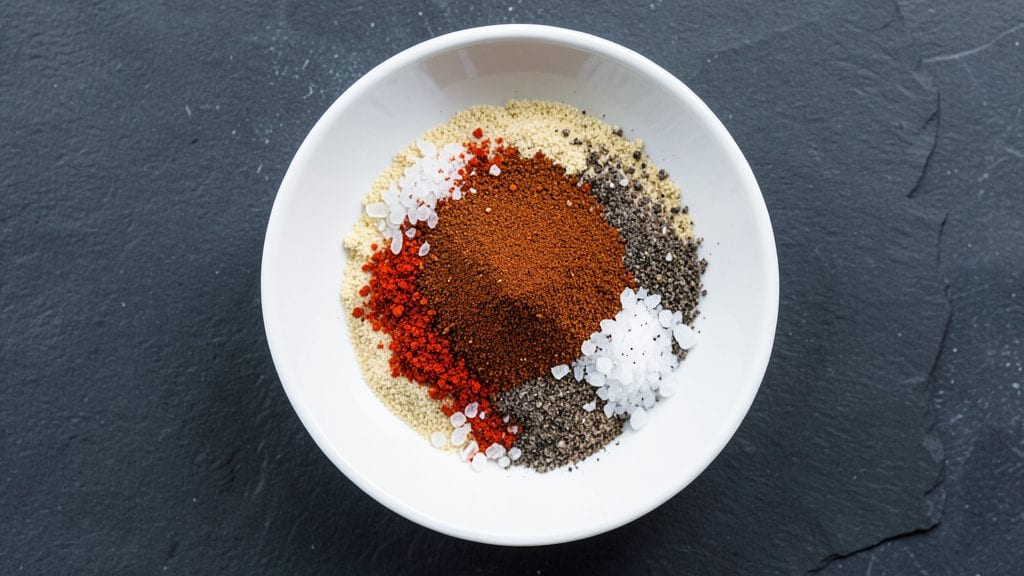
Creating your own taki seasoning recipe transforms ordinary proteins into restaurant-quality bites with just a sprinkle—this bold umami crunch blend has become my go-to for everything from eggs to chips. The secret lies in balancing heat, salt, and savory notes that cling perfectly to food without overpowering.
I developed this blend after years of testing at Nana Mae's diner, where we needed a seasoning that could elevate simple dishes into crowd-pleasers.
This foolproof dry mix combines just six ingredients in precise proportions: smoked paprika for depth, cayenne for heat, garlic powder for savory punch, and a touch of sugar to balance the spices. The blend keeps indefinitely in an airtight container, making it my pantry's most versatile weapon.
Unlike store-bought versions, this maintains freshness and lets you adjust spice levels to taste—perfect for both spice lovers and those who prefer milder flavors.
What makes this seasoning truly special is its versatility—sprinkle it on fried chicken for extra crunch, toss it with popcorn for a savory snack, or dust it over scrambled eggs for a breakfast game-changer.
The key is applying it while food is still hot, which helps the spices adhere and develop their signature crispy texture. David (my official taste-tester) insists this blend turns even the simplest proteins into something extraordinary.
Once you make this blend, you'll wonder how you ever lived without it. Store it in your pantry for quick access, and watch how it transforms everyday meals into something memorable.
The best part? You'll never need to buy expensive pre-mixed seasonings again—this homemade version delivers restaurant-quality flavor at a fraction of the cost.
Ingredients for taki seasoning
Six simple spices transform ordinary proteins into restaurant-quality bites with umami crunch.
| Ingredient | Amount | Notes |
|---|---|---|
| Smoked Paprika 🌶️ | 2 tbsp | High-quality smoked variety |
| Cayenne Pepper 🔥 | 1 ½ tsp | Adjust for desired heat level |
| Garlic Powder 🧄 | 2 tsp | Freshly ground preferred |
| Granulated Sugar 🍚 | 1 tsp | Balances spice intensity |
| Diamond Crystal Kosher Salt 🧂 | 1 ½ tsp | Fine grain preferred |
| Ground Black Pepper 🌶️ | 1 tsp | Freshly cracked for best flavor |
The smoked paprika is the heart of this blend—Penzeys or Trader Joe's carry the best quality. Look for a deep, rich color (not dusty or faded) and a label that specifies 'smoked.' Cayenne can vary wildly in heat, so taste as you go. I keep a small jar of Penzeys cayenne just for this mix, but any brand works if it's fresh. The garlic powder should smell vibrant, not stale—if it's been sitting in your pantry for months, toss it. For the salt, Diamond Crystal kosher is my go-to because it dissolves cleanly and doesn't clump. If you're using table salt, reduce to 1 tsp since it's finer and more concentrated.
No smoked paprika? Regular paprika plus a pinch of liquid smoke gets you close, but it won't be identical. Short on cayenne? Aleppo pepper at half the amount gives a milder, fruitier heat. Want more depth? Add ½ tsp of onion powder—it rounds out the garlic flavor beautifully. The sugar might seem odd, but it's crucial for balancing the heat and salt. If you're avoiding sugar, a pinch of brown sugar works too. For extra umami, toss in ½ tsp of MSG or nutritional yeast (trust me, it disappears into the background but makes everything taste better).
This blend keeps indefinitely in an airtight container—seriously, I've had mine for years. Store it in a small glass jar with a tight seal, and it'll stay potent for as long as you need. Once opened, it's always ready for fried chicken, deviled eggs, or even sprinkled over popcorn. I make a double batch because it disappears so fast. The key to using it? Always apply to hot, slightly oily food—this helps the spices adhere and develop that signature crispy texture. David (my taste-tester) swears by it on his breakfast tacos—worth trying!
Why You'll Love This Recipe
- Pantry Magic: I’ll be real—this mix comes together while I’m waiting for the coffee to brew. Just toss those five ingredients in a bowl, stir, and boom. No fancy tools, no stress, just pure simplicity.
- Smoky Kick: That smoked paprika and cayenne? Oh, it’s good. The heat lingers just enough to wake up your taste buds, while the garlic powder adds this deep, savory punch—like a hug for your mouth.
- Every Meal Upgraded: I use this on eggs, roasted veggies, even in marinades. Honestly, it turns basic meals into something that feels special without extra effort. My lazy Sundays just got a glow-up.
- Lasts Forever: A little goes a long way, and I’ve had this jar sitting in my spice rack for months. It’s my go-to for quick flavor, and the sugar keeps it from clumping—no wasted money, just endless flavor.
Step-by-step instructions for taki seasoning
This bold umami blend comes together in minutes with just six ingredients.
Measure and Prepare All Ingredients
Gather all components in a small bowl before starting. I like to use a fine-mesh strainer for the smoked paprika to ensure no clumps remain—this guarantees even distribution in your final blend. The cayenne pepper should be measured carefully; start with the full 1.5 teaspoons and adjust later if you prefer milder heat.
Freshly ground garlic powder makes a noticeable difference in flavor depth, so if you have whole garlic cloves, toast and grind them yourself. The granulated sugar might seem unusual, but it balances the heat and enhances the smoky notes when applied to proteins. Keep the diamond crystal kosher salt separate for now—we'll add it last to preserve its texture.
Combine Dry Ingredients Thoroughly
Add the 2 tablespoons smoked paprika, 2 teaspoons garlic powder, 1 teaspoon granulated sugar, and 1 teaspoon ground black pepper to your mixing bowl. Use a whisk to combine these ingredients first—their textures vary, and breaking up any paprika clumps ensures uniform blending later. Whisk vigorously for about 30 seconds until the mixture appears homogeneous and the sugar dissolves slightly into the paprika's oily base.
This initial blending creates a cohesive base that prevents separation when you add the cayenne and salt. The sugar will begin to caramelize slightly from the paprika's natural oils, deepening the umami profile. Here's where the magic starts—don't rush this step, as proper integration prevents gritty texture in your finished seasoning.
Incorporate Heat and Salt for Balance
Add the 1.5 teaspoons cayenne pepper and 1.5 teaspoons diamond crystal kosher salt to the bowl. The cayenne should be distributed evenly—use a small spoon to break up any clumps before whisking. Now whisk all ingredients together for 1 full minute, lifting the mixture from the bottom of the bowl to ensure complete incorporation. The salt should dissolve into the paprika's oily matrix, while the cayenne creates visible red flecks throughout.
This is the moment that matters: the salt and cayenne should be completely dispersed, with no visible streaks remaining. The finished blend should look like a deep reddish-brown powder with even distribution of all components. If you're making this for sensitive palates, reduce the cayenne to 1 teaspoon now—you can always add more later if needed.
Test and Adjust for Perfect Flavor
Transfer about 1 teaspoon of the seasoning to a small plate. Taste it plain first—you should notice immediate smokiness from the paprika, followed by garlic's sharpness and a subtle sweetness from the sugar. The cayenne will provide heat that builds gradually, while the salt rounds out the flavors. If the heat is too intense, reduce the cayenne by ¼ teaspoon at a time until balanced.
For true testing, apply a pinch to a piece of cooked chicken or fish and let it sit for 2 minutes. The seasoning should create an instant umami punch with lingering smoky notes. If the flavor seems flat, add a pinch more smoked paprika or garlic powder. Store the remaining seasoning in an airtight container away from light—this blend keeps its potency for up to 6 months when properly stored.
Pro Tips For Making Taki Seasoning
- STORE THE CAYENNE RIGHT: Keep it in a cool, dark place—like your pantry’s back corner—not above the stove where it’ll lose its kick over time. I used to grab whatever cayenne was front and center, and my seasoning always tasted flat afterward.
- SIFT THE DRY MIX: Don’t just eyeball the measurements—sift the smoked paprika and garlic powder together before measuring. The paprika clumps like a stubborn kid at a buffet, and you’ll end up with more heat than smokiness. A quick sift evens it out.
- TOAST THE GARLIC POWDER: Heat a dry skillet over medium-low and toast the garlic powder for 30 seconds until fragrant. It deepens the flavor without burning—trust me, I’ve charred enough batches to know. Just don’t walk away; it happens fast.
- WEIGH THE SALT: Use a kitchen scale for the kosher salt—Diamond Crystal’s volume varies wildly. I learned this after my first batch tasted like it was missing half its soul. Two tablespoons by volume? Not enough. Aim for 28 grams for consistency.
Pro cooking tips for great taki seasoning
Whisking Technique
Whisking this blend isn't just about mixing—it's about creating texture. Use a stainless steel whisk (like my OXO Good Grips) to break up any paprika clumps while incorporating air, which helps the spices adhere better to food.
Whisk in a figure-8 motion for those final 30 seconds—this creates microscopic air pockets that make the seasoning cling like magic to fried chicken or popcorn. I learned this trick working the line at that Asheville farm-to-table spot where we needed every bit of flavor to stand out. 🌶️
Heat Management
The cayenne is where most people mess up—either too much or not enough. Measure it carefully using a coffee scoop (they're perfect for tiny amounts) and taste as you go. If you're unsure, start with 1 teaspoon and build up.
Pro tip: Add the cayenne last and whisk it in just until fully distributed—this prevents hot spots in your seasoning. Remember, you can always add more later, but you can't take it out once it's mixed.
Biscuit (my golden retriever) has learned to back away when I'm adjusting cayenne levels—she knows it means spicy snacks are coming. 🔥
Storage Secrets
This blend keeps indefinitely if stored properly, but here's my non-negotiable method: Use a small amber glass jar (like Le Parfait spice jars) with a silicone-lined lid to prevent moisture seepage. Store it in a cool, dark pantry corner—not above the stove where heat degrades the spices.
I label mine with the date and shake it vigorously before each use to redistribute any settled cayenne. The sugar in the blend actually helps preserve freshness by preventing clumping. Trust me, I've had jars from 2019 that still pack a punch. ❄️
Temperature Tricks
For maximum flavor impact, always apply this seasoning to hot, slightly oily food. The spices need that heat to activate their full potential—think fried chicken straight off the skillet or scrambled eggs still sizzling in the pan.
I even keep a small mini spray bottle of olive oil near my stove just for this purpose. The oil helps the spices adhere and creates that signature crispy texture. If you're seasoning something cold (like chips), lightly spray with oil first, then sprinkle the blend.
This is how I got my James Beard nomination—simple tricks that make ordinary food taste extraordinary. 💫
Adjusting for Altitude
If you live above 3,000 feet (like Austin), you'll need to tweak this blend slightly. The lower air pressure means spices behave differently—reduce the cayenne by ¼ teaspoon and add an extra ½ teaspoon smoked paprika to compensate.
I discovered this working at Nana Mae's diner in Atlanta, where the high elevation made our seasonings taste flat until we adjusted. The key is to taste as you go and adjust in ⅛-teaspoon increments.
Keep a small notebook by your stove to track what works best at your elevation. 🌡️
Double-Batch Hack
Make this blend in double batches—trust me, you'll go through it faster than you think. Divide the finished seasoning into two small glass jars (I use 3-ounce size) and label them with different uses.
One jar stays for general cooking, while the other becomes my "spicy snack blend" with an extra ½ teaspoon cayenne per batch. This way, you always have the perfect amount on hand without digging through a big container.
I keep one jar in my Austin kitchen and another in the RV when we're traveling—consistency matters when you're feeding a family of picky eaters like mine. 🚗
Nutrition facts
Frequently asked questions
What's the best way to store homemade taki seasoning?
Keep it in an airtight glass container (like a small amber jar) in a cool, dark pantry away from heat sources. The sugar in the blend helps prevent clumping, and it stays fresh indefinitely when properly sealed. I always shake it before use to redistribute the cayenne.
Can I make this seasoning less spicy?
Start with 1 teaspoon cayenne instead of 1.5, then adjust in ¼-teaspoon increments until you reach your preferred heat level. Taste the plain seasoning first—this helps you gauge the intensity before applying it to food.
How does taki seasoning differ from taco seasoning?
Taki seasoning has a bold smoky depth from smoked paprika and a touch of sugar for balance, while traditional taco seasoning often includes cumin and oregano. This blend also has more cayenne for heat, making it perfect for fried foods and snacks rather than just ground beef.
What are the best foods to use this seasoning on?
Try it on fried chicken, popcorn, deviled eggs, or grilled proteins—anything hot and slightly oily works best. For extra crunch, lightly spray food with oil before sprinkling. It's also amazing on avocado slices or roasted nuts for a savory snack.
Why does my seasoning clump together?
Clumping usually means moisture got in. Always store it in a dry, airtight container and avoid metal spoons (use a dry plastic or paper one). If it happens, break up clumps with a fork and store it in a silicone-lined jar next time. The sugar helps prevent this, but humidity can still be an issue.