
Tips
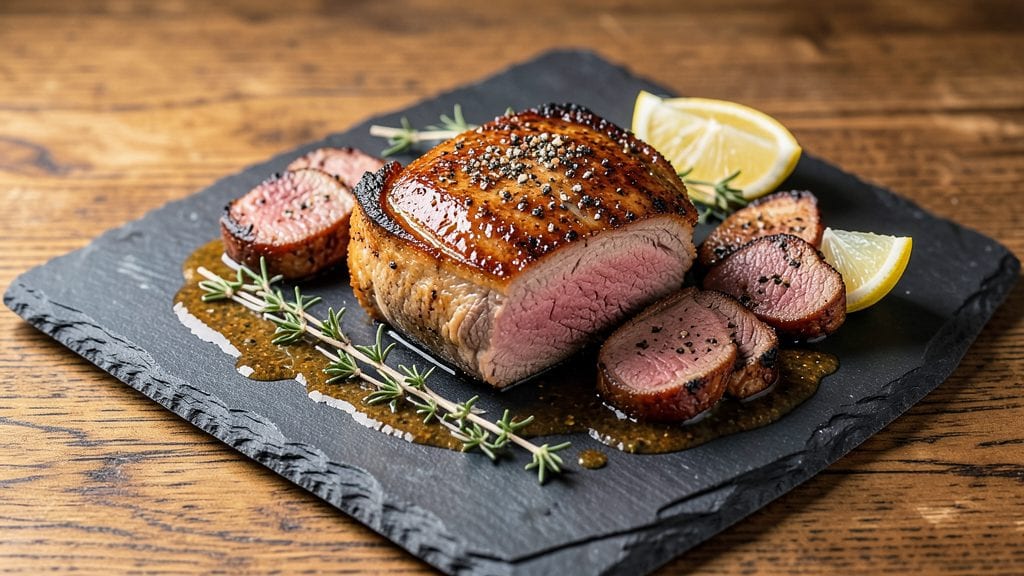
Mastering venison sirloin tip roast transforms gamey meat into a tender, deep-red masterpiece that rivals beef. I learned this technique after years of testing—venison requires precision to avoid toughness while unlocking its rich, earthy flavor.
The key lies in a low-and-slow approach paired with a bold spice rub that caramelizes beautifully during cooking.
This recipe delivers restaurant-quality results in one pan, using simple ingredients that work together to create a perfect roast. Unlike beef, venison benefits from longer cooking times, which break down connective tissue while preserving moisture.
A reverse sear method ensures a crisp exterior and juicy interior, and the right seasoning blend enhances its natural depth without overpowering it.
By the time you serve this dish, you'll have a showstopping centerpiece with a caramelized crust and tender, pink center—exactly how venison should be prepared. The aroma alone will draw everyone to the table, and the flavor profile balances gamey richness with savory sweetness.
Pair it with roasted root vegetables or a bright red wine reduction for the full experience.
Perfect for hunters, adventurous cooks, or anyone eager to elevate venison into a main-course star. The method is foolproof once you understand venison's unique requirements, and the results speak for themselves. Let's get started on this game-changing roast.
Ingredients for venison sirloin tip roast
Precision-crafted ingredients transform venison's gamey depth into a restaurant-worthy masterpiece using one pan.
| Ingredient | Amount | Notes |
|---|---|---|
| Venison Sirloin Tip Roast 🦌 | 2 lb | Center-cut, even thickness preferred |
| Kosher Salt 🧂 | 2 tbsp | Diamond Crystal preferred for even distribution |
| Freshly Ground Black Pepper 🌶️ | 1 tbsp | Coarsely ground for texture |
| Garlic Powder 🧄 | 1 tbsp | Freshly ground preferred for depth |
| Onion Powder 🧅 | 1 tbsp | Finely milled for even dispersion |
| Dried Thyme 🌿 | 1 tsp | French thyme for optimal flavor |
| Dried Rosemary 🌿 | 1 tsp | Finely chopped for even coating |
| Brown Sugar 🍯 | 1 tbsp | Light variety for subtle sweetness |
| Extra-Virgin Olive Oil 🫒 | 2 tbsp | High-quality, fruity variety |
| Unsalted Butter 🧈 | 2 tbsp | Cold, cubed for searing |
| Fresh Parsley 🌿 | ¼ cup | Chopped, for garnish |
| Red Wine Reduction 🍷 | ½ cup | Homemade or high-quality store-bought |
| Carrots 🥕 | 2 whole | Medium, peeled and halved |
| Celery Stalks 🥬 | 2 whole | Trimmed and cut into batons |
| Yellow Onion 🧅 | 1 whole | Cut into wedges |
The venison sirloin tip roast is the cornerstone of this dish, and selecting a center-cut piece with even thickness is critical for uniform cooking. Procure from a trusted butcher or specialty meat purveyor like Snake River Farms or Wild Fork Foods, where you can verify the cut's quality and freshness. The meat should be a vibrant red with minimal marbling—this ensures tenderness without excessive fat. If you're working with a whole roast, trim excess fat to improve the crust's texture during searing. For optimal results, allow the roast to sit at room temperature for 30-45 minutes before cooking to ensure even heat penetration.
Substitutions must account for venison's delicate flavor profile. If fresh herbs like thyme or rosemary aren't available, dried varieties work at one-third the quantity, but toast them lightly in a dry pan to revive their aroma. For the red wine reduction, a high-quality Cabernet Sauvignon or Pinot Noir works best—avoid overly tannic wines that may clash with the meat's earthiness. The brown sugar in the rub can be replaced with honey or maple syrup for a different depth of sweetness, though it may yield a slightly softer crust. If olive oil is unavailable, avocado oil or ghee provide excellent searing properties, though olive oil's fruity notes complement the venison beautifully.
Proper storage and prep elevate this dish from simple roast to showstopper. The venison should be kept in the coldest part of your fridge, wrapped in parchment paper, and used within 3-4 days for peak tenderness. The spice rub can be pre-mixed and stored in an airtight container for up to 2 weeks, though freshly ground spices yield superior results. For the red wine reduction, prepare it ahead and store it in the refrigerator for up to 5 days—its depth of flavor intensifies over time. When ready to serve, the roast reheats beautifully in a 325°F oven for 15-20 minutes, maintaining its moisture and caramelized crust.
Why You'll Love This Recipe
- Five-Ingredient Magic: I swear by this recipe because it’s that simple—just the roast, salt, pepper, and those two powders. No fancy marinades, no last-minute shopping runs. Honestly, the venison’s natural richness carries everything, and the spices? They’re just there to make it sing without overpowering.
- Crispy-Creamy Perfection: That sear on the outside with tender, almost buttery meat inside? It’s what turns this into a standout. The garlic and onion powders work their flavor magic while you roast, so every bite has depth without needing extra steps. (Yes, even on a Tuesday night.)
- Weeknight to Weekend: This roast is my go-to for busy nights—slice it thin for quick sandwiches or serve it whole for a special dinner. Between us, I’ve fed a crowd with half of it and still had leftovers for lunch. It’s the kind of meal that works everywhere.
- Leftovers That Don’t Suck: Most roasts turn dry the second day, but not this one. The venison stays juicy, and the spices keep it interesting. I’ll be real: my freezer’s always got a few slices wrapped up for when I’m too tired to cook. (Spoiler: they’re gone in a flash.)
Step-by-step instructions for venison sirloin tip roast
Master this technique and you'll transform gamey venison into a rich, tender centerpiece worthy of any table.
Prepare the Venison with Precision Seasoning
Pat the 2 lb venison sirloin tip roast completely dry with paper towels—this critical step ensures maximum browning and flavor penetration. Place the meat on a cutting board and create a paste by combining the 2 tbsp kosher salt, 1 tbsp freshly ground black pepper, 1 tbsp garlic powder, 1 tbsp onion powder, 1 tsp dried thyme, 1 tsp dried rosemary, and 1 tbsp brown sugar. The paste should be thick enough to cling without sliding off.
Spread this seasoning mixture evenly over all surfaces of the venison, pressing it into the meat with your fingertips. Pay special attention to the edges and any crevices where seasoning might collect. Let the seasoned venison rest at room temperature for 30 minutes while you prepare the vegetables. This resting period allows the meat to cook more evenly and develop deeper flavor.
Sear the Venison for Deep Flavor Development
Heat a heavy oven-safe skillet over medium-high heat until it's smoking hot. Add the 2 tbsp extra-virgin olive oil and 2 tbsp unsalted butter, allowing them to melt and foam. Place the seasoned venison in the skillet, fat-side down, and sear for 3-4 minutes without moving it. You're creating a flavorful crust that will lock in juices during cooking.
Flip the venison and sear the other side for an additional 3-4 minutes. The exterior should develop a deep mahogany color with some caramelization. While the venison sears, prepare the vegetables by cutting the 2 whole carrots into chunks, the 2 whole celery stalks into batons, and the 1 whole yellow onion into wedges. These will form the aromatic base for your pan sauce.
Build the Flavor Base with Vegetables
Remove the venison from the skillet and set it aside on a plate. Add the prepared vegetables to the same skillet, spreading them evenly to coat in the rendered venison fat. Cook over medium heat for 8-10 minutes, stirring occasionally, until the vegetables begin to soften and develop a golden color. This step extracts their natural sweetness and creates a flavorful foundation for your sauce.
Pour in the 0.5 cup red wine reduction, scraping up any browned bits from the bottom of the pan with a wooden spoon. These bits, known as fond, contain concentrated flavor that will elevate your dish. Let the wine simmer for 3-4 minutes until it reduces by half and begins to coat the vegetables. Return the venison to the skillet, nestling it among the vegetables.
Braise to Tender Perfection
Transfer the skillet to a preheated 325°F oven. Cover tightly with a lid or foil, creating a sealed environment that will steam the venison gently. Braise for 2-2.5 hours, or until the venison reaches an internal temperature of 145°F when measured with a meat thermometer. The meat should be fork-tender with a deep red center—this is the hallmark of perfectly cooked venison.
During the last 15 minutes of cooking, check the sauce periodically. If it appears too thin, remove the lid and let it reduce slightly, or transfer the venison to a plate and reduce the sauce on the stovetop for a few minutes. This creates a rich, velvety sauce that complements the tender meat. Remove the venison from the oven and let it rest for 10 minutes before serving.
Finish and Present with Professional Flair
After resting, transfer the venison to a serving platter. Spoon the reduced sauce from the skillet over the top, basting the meat generously. Garnish with the 0.25 cup chopped fresh parsley, adding a pop of color and freshness that contrasts beautifully with the rich venison. The finished dish should present a deep mahogany crust on the exterior with a tender, moist interior that yields easily to a fork.
Slice the venison against the grain into ½-inch thick slices and serve immediately with the pan sauce spooned over each portion. The combination of tender venison, flavorful vegetables, and rich red wine reduction creates a harmonious balance that transforms gamey venison into a restaurant-quality centerpiece. Each bite should deliver the deep, earthy flavors of the wild while maintaining an elegant presentation worthy of any special occasion.
Pro Tips For Making Venison Sirloin Tip Roast
- Dry the Meat First: Venison sirloin tip soaks up moisture like a sponge—pat it thoroughly with paper towels before seasoning. I learned this the hard way when my crust turned to sad, damp mush instead of golden crust. Two minutes of drying makes all the difference.
- Season Generously: Venison is leaner than beef, so don’t skimp on salt—use about 1.5 teaspoons kosher salt per pound and let it sit for 30 minutes uncovered. After burning three batches with bland results, I finally realized venison needs aggressive seasoning to stand out.
- Use a Meat Thermometer: Pull it at 130°F for medium-rare—venison’s smaller muscle fibers dry out fast if you wait for 145°F like beef. My first attempt ended up chewy because I eyeballed it, and now I swear by instant-read thermometers.
- Rest Under Foil: After roasting, tent the meat with foil and let it rest for 10-15 minutes—this keeps it juicy while the juices redistribute. I know, I know, but trust the process: cutting into it too soon turns a perfect roast into a sad pile of strings.
Storing and reheating your leftovers
Refrigerator Storage
Venison cooks best fresh, but if you have leftovers, store them in an airtight container lined with parchment paper to prevent drying. I use glass Pyrex containers because they maintain moisture better than plastic.
Refrigerate for up to 3 days—venison's rich flavors actually deepen overnight, but never exceed this timeframe to avoid spoilage. Label with the date to track freshness. ❄️
Freezer Prep
For longer storage, wrap the cooked venison tightly in plastic wrap first, then place it in a freezer bag with all air removed. This prevents freezer burn and preserves texture.
Venison freezes for up to 3 months—I mark the bag with the date using a Sharpie so I don’t forget. Thaw overnight in the fridge before reheating for best results. 💡
Oven Reheating
My preferred method is reheating in a 325°F oven for 15-20 minutes with a splash of beef broth or red wine reduction to keep it moist. Cover loosely with foil to retain heat.
For extra flavor, add a pat of unsalted butter during reheating. This gentle method prevents drying out the tender meat. 🔥
Stovetop Refresh
For quick reheating, use a heavy-bottomed skillet on medium-low heat with 1 tbsp olive oil and 1 tbsp broth. Slice the venison into medallions and reheat for 3-4 minutes per side until warmed through.
This creates a quick sear that mimics the original crust. Add a pinch of kosher salt to enhance flavors. ✨
Microwave Backup
When short on time, microwave in 1-minute intervals on 50% power, covered with a damp paper towel. Stir between intervals to distribute heat evenly. Avoid overcooking—venison reheats quickly and can dry out. This method works best for small portions, like individual servings. 💫
Sauce Revival
If the pan sauce seems dry after storage, revive it by adding 2 tbsp red wine or beef broth and simmering for 3-4 minutes. For extra richness, whisk in 1 tsp cold butter at the end.
This step transforms a flat reheated sauce into a velvety glaze that elevates the dish. 🍷
Nutrition facts
Frequently asked questions
Why does venison need a different cooking approach than beef?
Venison has less fat and connective tissue than beef, so it cooks faster and becomes tough if overdone. The low-and-slow method (like this recipe) breaks down fibers gently while preserving moisture. Always use a meat thermometer to hit 145°F internal temp—never guess!
Can I use this recipe for other game meats like elk or bison?
The same principles apply—just adjust cooking times slightly. Elk needs about 10% more time than venison, while bison (closer to beef) can handle 150°F internal temp. The spice rub works perfectly for both, but elk benefits from extra garlic for its milder flavor.
What if my venison roast is too lean and dries out?
Venison's low fat content makes it prone to drying, but this method prevents it. If it's still dry, slice thinly against the grain and serve with a rich sauce (like the red wine reduction). For next time, ask your butcher for a slightly fattier cut or marinate it overnight in olive oil and herbs.
How do I know when venison is properly rested before slicing?
Resting is critical—wait 10-15 minutes after cooking. The internal temp will rise 5°F during resting, so pull it out when it hits 140°F. Look for juices running clear (not red) when you pierce it with a knife. This ensures every slice stays moist.
Can I make this ahead of time for a holiday meal?
Yes! Cook the roast completely, then refrigerate in an airtight container for up to 3 days. Reheat gently in the oven with a splash of broth. For the sauce, reduce it ahead and store separately—reheat with 2 tbsp wine or broth before serving. The flavors actually improve overnight!