
Sauces & Condiments
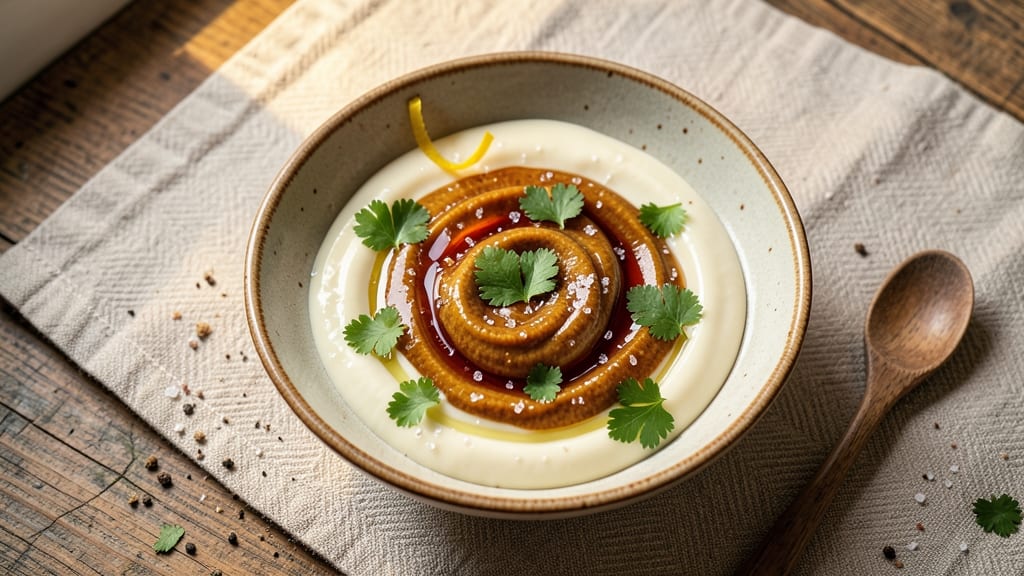
This zesty apple cider vinaigrette dressing transforms ordinary salads into vibrant, tangy masterpieces with just five simple ingredients—no fancy techniques required.
The secret lies in balancing sharp apple cider vinegar with sweet cider reduction, creating a dressing that's bold yet smooth, with a hint of autumnal warmth that elevates greens, roasted vegetables, and grilled proteins alike.
What makes this recipe stand out is its versatility and longevity—the dressing stays fresh in the fridge for up to two weeks, making it perfect for meal prep.
The apple cider base adds depth that store-bought versions can't match, while a touch of Dijon mustard and fresh herbs ties everything together. It's the kind of dressing that turns a simple salad into a restaurant-worthy dish.
The result is a bright, tangy vinaigrette with just the right balance of sweetness and acidity, perfect for drizzling over mixed greens, tossing with roasted Brussels sprouts, or pairing with grilled chicken. The texture is silky yet light, ensuring every bite is flavorful without being heavy.
Whether you're prepping for the week or dressing up a last-minute meal, this recipe delivers restaurant-quality flavor with minimal effort. Let's get started!
Ingredients for zesty apple cider vinaigrette dressing
Five ingredients, one vibrant vinaigrette that elevates salads to restaurant-quality brilliance.
| Ingredient | Amount | Notes |
|---|---|---|
| Apple Cider Vinegar 🍏 | ½ cup | Raw, unfiltered preferred for depth |
| Apple Cider Reduction 🍎 | ¼ cup | Homemade or quality store-bought |
| Extra-Virgin Olive Oil 🫒 | ¾ cup | Light, fruity variety preferred |
| Dijon Mustard 🧄 | 1 tbsp | High-quality, smooth consistency |
| Fresh Flat-Leaf Parsley 🌿 | ¼ cup | Finely chopped, stems removed |
| Granulated Sugar 🍚 | 1 tbsp | Or maple syrup for depth |
| Sea Salt 🧂 | ½ tsp | Diamond Crystal preferred |
| Freshly Ground Black Pepper 🌶️ | ¼ tsp | Cracked peppercorns preferred |
The apple cider vinegar is non-negotiable—look for raw, unfiltered varieties like Bragg or Annie's for maximum tang and complexity. The apple cider reduction (simply simmering cider until syrupy) adds depth that store-bought versions can't replicate. For the olive oil, California avocado brand or Colavita deliver that bright, fruity profile without bitterness. Fresh parsley is ideal, but dried parsley at one-third the amount works in a pinch. The sugar balances acidity, but maple syrup adds subtle caramel notes worth exploring. Diamond Crystal kosher salt dissolves cleanly—avoid table salt's gritty texture.
No apple cider reduction? Simmer 1/2 cup apple cider until reduced by half (about 10 minutes). Short on parsley? Fresh dill or chives at the same amount bring different but complementary flavors. The Dijon mustard can be swapped for whole-grain mustard, though texture will differ slightly. For a sweeter profile, honey or agave replaces sugar one-to-one. If you prefer a smoother texture, blend the dressing briefly before serving. The pepper is optional but recommended—freshly cracked peppercorns add a subtle crunch that pre-ground lacks.
Store in a clean, airtight glass jar in the fridge for up to two weeks. The flavors actually deepen over time, making it perfect for meal prep. For restaurant-quality results, let the dressing sit at room temperature for 10-15 minutes before using—this allows the flavors to meld. If the oil separates (normal!), simply shake or whisk vigorously before each use. The dressing pairs beautifully with roasted Brussels sprouts, grilled chicken, or mixed greens—its versatility makes it a pantry staple worth making in bulk.
Why You'll Love This Recipe
- Five-Ingredient Magic: I swear by this combo—just shake, taste, adjust. No fancy techniques, no waiting. The Dijon mustard and apple cider reduction do all the work while I’m still chopping veggies.
- Tangy Twist Every Time: That first bite of crisp greens with this dressing? It’s like autumn in a jar. The apple cider vinegar cuts through richness while the parsley adds freshness—no bitterness, just bright, balanced flavor.
- Meal Prep MVP: Make a big batch on Sunday and use it all week. Drizzle it on salads, toss it with roasted sweet potatoes, or even glaze chicken. It keeps for days in the fridge, and honestly? I’ve never had leftovers last this long.
- Budget Brightener: Extra-virgin olive oil and apple cider vinegar are pantry staples you already own. This dressing costs pennies per serving but tastes like a fancy bistro—perfect for stretching groceries without sacrificing taste.
Step-by-step instructions for zesty apple cider vinaigrette dressing
Here's the method for a perfectly balanced vinaigrette with vibrant acidity and rich depth.
Whisk Together the Acidic Base
In a medium bowl, combine the 0.5 cup apple cider vinegar and 0.25 cup apple cider reduction. The reduction adds a subtle sweetness that rounds out the sharpness of the vinegar. Use a whisk to blend them thoroughly, ensuring complete integration of the flavors. This combination creates the foundational tang that defines this dressing.
Next, add the 1 tablespoon Dijon mustard and 1 tablespoon granulated sugar. The mustard provides a smooth, slightly tangy backbone while the sugar balances the acidity. Whisk vigorously for 30 seconds until the sugar dissolves completely and the mixture becomes homogeneous. This step is crucial—undissolved sugar will create graininess in your final dressing.
Season with Salt and Pepper
Add the 0.5 teaspoon sea salt and 0.25 teaspoon freshly ground black pepper to the mixture. The salt enhances all flavors while the pepper adds a subtle heat that cuts through the richness. Whisk again for 15 seconds to fully distribute these seasonings. Taste the mixture at this stage—it should be noticeably tangy with a hint of sweetness and a touch of peppery bite.
At this point, you might find the mixture too sharp or too sweet. If needed, adjust by adding a pinch more sugar or a splash of vinegar, but be precise—small adjustments make a big difference in the final balance. This is where the magic happens: achieving harmony between the bright acidity and subtle sweetness.
Slowly Incorporate the Olive Oil
With the whisk still in the bowl, begin adding the 0.75 cup extra-virgin olive oil in a slow, steady stream. This gradual incorporation prevents the dressing from separating. Start with just a few tablespoons at a time, whisking continuously until fully emulsified before adding more. The goal is to create a stable emulsion where the oil and vinegar blend seamlessly.
Continue whisking as you add the remaining oil, maintaining a steady rhythm. You'll know you're on the right track when the mixture begins to thicken slightly and take on a velvety consistency. If the dressing starts to look broken or oily, simply whisk more vigorously for 10-15 seconds—this will restore its smooth texture. The final result should be a glossy, well-emulsified dressing with a luxurious mouthfeel.
Fold in the Fresh Parsley
Finally, gently fold in the 0.25 cup finely chopped fresh flat-leaf parsley using a rubber spatula. The parsley adds a fresh, herbal note that brightens the dressing and provides a beautiful green color contrast. Fold just until the parsley is evenly distributed—overmixing at this stage can break the emulsion. The dressing is now ready to use immediately or can be stored in an airtight container in the refrigerator for up to 1 week.
This vinaigrette works beautifully with crisp greens like arugula or mixed baby salad, roasted vegetables, or even as a marinade for proteins. The balance of acidity, sweetness, and herbal notes makes it versatile enough for both light summer salads and heartier autumn dishes. Serve it immediately while the parsley retains its vibrant color and fresh aroma.
Pro Tips For Making Zesty Apple Cider Vinaigrette Dressing
- STIR IN STAGES: Mix the Dijon mustard and apple cider reduction first—this prevents the parsley from turning into a sad, watery pulp when you add the vinegar later. I learned this the hard way after blending everything at once and ending up with a dressing that looked like soup.
- USE COLD OIL: Pour the extra-virgin olive oil in slowly while the mixture is still cool—warm oil emulsifies like a nightmare. If you’re impatient and add it too fast, you’ll end up with a split dressing that separates the second it hits the salad. (Yes, even if you’re impatient like me.)
- SALT THE VINEGAR: Add a pinch of salt directly to the apple cider vinegar before combining it with the rest—it balances the sharpness right from the start. Skipping this step means you’ll have to adjust the whole batch later, and nobody wants to taste-test their dressing.
- CHOP PARSLEY SMALL: Finely mince the flat-leaf parsley into tiny pieces—think rice grains, not confetti. Big chunks make the dressing look uneven and taste like you threw in random herbs. If you’re lazy, pulse it in a food processor, but don’t overdo it or you’ll turn it into parsley dust.
Common mistakes when making your zesty apple cider vinaigrette dressing
Over-Whisking the Oil
I’ve seen this happen more than once—adding all the olive oil at once and whisking like crazy to try to fix a broken emulsion. The problem? You’re actually incorporating too much air, which can make your dressing thin and watery.
Instead, add the oil slowly in a thin stream while whisking continuously. This gradual approach helps the oil emulsify properly without overworking the mixture. If you accidentally over-whisk, let the dressing sit for 5 minutes before adjusting—sometimes it just needs a moment to stabilize. 💫
Skipping the Reduction
The apple cider reduction is what gives this dressing its depth and complexity, but some people skip it to save time. If you do, your vinaigrette will taste flat and one-dimensional.
To make a quick reduction, simply simmer ½ cup apple cider in a small saucepan over medium heat for 10-12 minutes until it reduces by half. The concentrated sweetness balances the acidity perfectly—don’t skip this step unless you’re okay with a simpler, less nuanced flavor.
Using Low-Quality Ingredients
Not all vinegar or oil is created equal. Using cheap, bitter olive oil or distilled white vinegar instead of raw apple cider vinegar will ruin the dressing’s brightness.
Stick with extra-virgin olive oil (like California Avocado or Colavita) and raw, unfiltered apple cider vinegar (such as Bragg or Annie’s). The same goes for Dijon mustard—low-quality brands can add a gritty texture. Investing in good ingredients makes all the difference in the final result.
Ignoring the Sugar
Some people think adding sugar to a vinaigrette is unnecessary, but it’s what softens the sharpness of the vinegar and creates balance. If you omit it, your dressing will taste harsh and unpleasantly acidic.
The 1 tablespoon of granulated sugar (or maple syrup) is key—don’t substitute with honey or agave unless you adjust the amount, as these can alter the texture and sweetness level. Taste as you go, and adjust in ¼ teaspoon increments to avoid over-sweetening.
Not Letting It Rest
Freshly made vinaigrette tastes amazing, but it’s even better after 10-15 minutes at room temperature. This resting period allows the flavors to meld and deepen, making the dressing more cohesive. If you’re in a hurry, at least let it sit for 5 minutes before using.
Skipping this step means you’ll miss out on that restaurant-quality depth that makes this dressing truly special. Patience pays off here! ✨
Storing Improperly
Leaving your vinaigrette in a plastic container or not sealing it tightly will cause it to separate or absorb fridge odors. Always store it in a clean, airtight glass jar (like a mason jar) and keep it refrigerated.
If the oil separates after storage, just shake or whisk vigorously before using—this is completely normal and doesn’t mean the dressing is bad. The flavors actually improve over time, so make a big batch and enjoy it all week! 🍏
Nutrition facts
Frequently asked questions
Can I make this dressing without apple cider reduction?
The reduction adds depth, but you can substitute it with 1 tablespoon of honey or maple syrup to balance the acidity. For best results, try making a quick reduction by simmering ½ cup apple cider until it reduces by half (10-12 minutes). This step enhances the dressing's complexity and prevents it from tasting too sharp.
How long will this dressing keep in the fridge?
When stored properly in an airtight glass jar, this dressing stays fresh for up to 2 weeks. The flavors actually improve over time, making it perfect for meal prep. If the oil separates (completely normal!), just whisk or shake vigorously before using. Avoid plastic containers to prevent flavor absorption.
What are the best ways to use this dressing?
This versatile dressing works beautifully on mixed greens, roasted Brussels sprouts, and grilled chicken. It also makes an excellent marinade for salmon or pork tenderloin (use within 4 hours for maximum flavor). Try drizzling it over warm sweet potatoes or using it as a dip for crudité.
Why did my dressing turn out too sweet?
This usually happens when using too much sugar or sweetener. The recipe calls for just 1 tablespoon of granulated sugar, which should balance the acidity perfectly. If your dressing tastes overly sweet, try adding ½ teaspoon more apple cider vinegar and taste again. For future batches, measure carefully and taste as you go to avoid over-sweetening.
Can I make this dressing without fresh parsley?
Yes! If you don't have fresh parsley, use 1 teaspoon of dried parsley or substitute with 1 tablespoon of fresh dill or chives. For a different flavor profile, try ½ teaspoon of dried thyme or 1 teaspoon of fresh tarragon. The herb adds freshness, but the dressing will still taste delicious without it.