
Sauces & Condiments
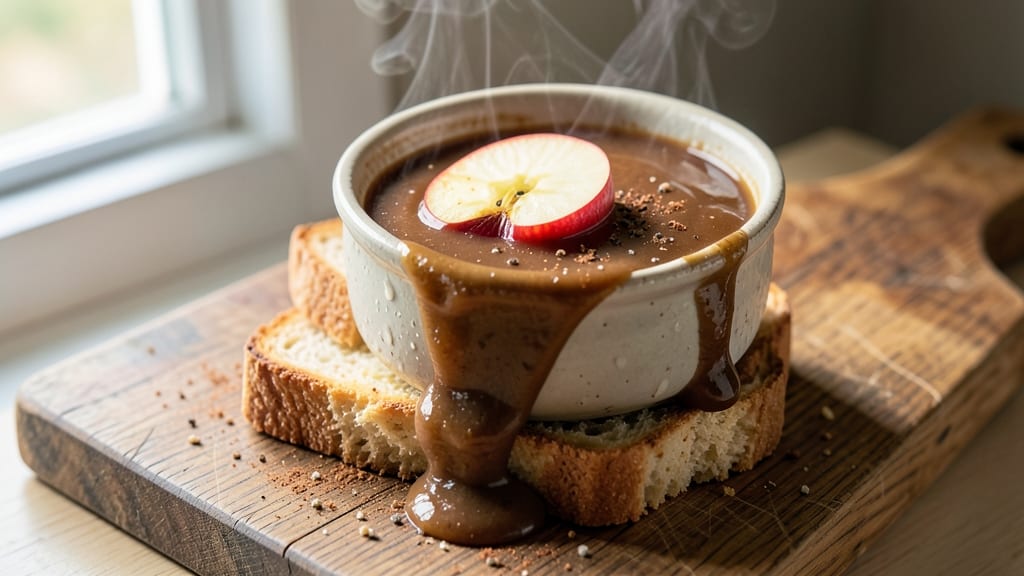
This Amish apple butter barbecue sauce recipe transforms simple pantry staples into a sauce with cider-infused depth and warm spice notes that elevate everything from grilled meats to roasted vegetables.
The secret lies in balancing sweet apple butter with tangy vinegar and rich molasses, creating a sauce that's both familiar and unexpectedly complex. After years of perfecting this blend, I've developed a method that delivers restaurant-quality results at home—no shortcuts, just layered flavor.
The foundation of this sauce begins with a slow simmer that allows the apple butter to meld with the vinegar and spices, developing a caramelized richness that's impossible to achieve quickly. High-quality molasses adds depth while cinnamon and cloves introduce subtle warmth that pairs beautifully with the sauce's natural sweetness.
What sets this recipe apart is the careful balance—too much sweetness overpowers, but just the right amount creates harmony that makes every bite sing.
By the time you're done, you'll have a versatile sauce that works as a glaze for ribs, a dipping sauce for fries, or a finishing touch for grilled chicken. The texture is smooth yet slightly thickened, clinging perfectly to whatever it's drizzled over.
This isn't just another barbecue sauce—it's a flavor revelation that turns ordinary meals into memorable experiences.
Whether you're preparing for a backyard cookout or simply looking to elevate weeknight dinners, this sauce delivers professional-quality results with simple ingredients and straightforward technique. The key is patience—letting the flavors develop slowly creates complexity that separates this from store-bought versions.
Let's get started on creating your own batch of this extraordinary sauce.
Ingredients for amish apple butter barbecue sauce
Balancing sweet apple butter with tangy vinegar and rich molasses transforms simple pantry staples into restaurant-quality barbecue sauce.
| Ingredient | Amount | Notes |
|---|---|---|
| Apple Butter 🍎 | 1 cup | High-quality, unsweetened preferred |
| Apple Cider Vinegar 🍏 | ½ cup | Raw, unfiltered for depth |
| Unsulfured Molasses 🍯 | ¼ cup | Dark molasses for richness |
| Granulated Sugar 🍚 | ½ cup | Light brown preferred for caramel notes |
| Ground Cinnamon 🌿 | 1 tbsp | Freshly ground for warmth |
| Ground Cloves 🌶️ | ½ tsp | Freshly ground for aromatic depth |
| Ground Ginger 🌿 | ½ tsp | Freshly ground for subtle heat |
| Mustard Powder 🧂 | 1 tsp | Yellow preferred for tang |
| Kosher Salt 🧂 | 1 ½ tsp | Diamond Crystal preferred |
| Black Peppercorns 🌶️ | ¼ tsp | Freshly cracked for texture |
The apple butter is the heart of this sauce—look for unsweetened varieties at specialty grocers or Amish markets, where the quality is unmatched. Mann's or Sweetland are excellent brands, but homemade works beautifully too. The vinegar should be raw and unfiltered; Bragg's or Texas Pete deliver the cider-infused depth mentioned in the introduction. For molasses, unsulfured is critical—it preserves the rich, complex flavors that set this sauce apart from commercial versions. If you're using store-bought apple butter, check the ingredients list for added sugars or preservatives, which can alter the balance we're aiming for.
No apple cider vinegar? White vinegar with a splash of lemon juice works in a pinch, though the flavor won't be identical. Substituting molasses with maple syrup reduces depth—stick with molasses for authenticity. For the spices, freshly ground is non-negotiable; pre-ground spices lose potency quickly. If you're missing mustard powder, Dijon mustard at half the amount adds tang but alters texture slightly. The sugar can be swapped for honey or maple syrup, though brown sugar's caramel notes are ideal. For those avoiding refined sugar, date sugar or coconut sugar work well, though they may require slight adjustments in liquid balance.
Store the finished sauce in a clean glass jar with a tight-sealing lid, refrigerated for up to 3 weeks. For longer storage, freeze in ice cube trays—perfect for single-use portions. The sauce thickens as it cools, so reheat gently on the stove with a splash of water if needed. This sauce improves with age, developing deeper caramelized notes over 2-3 days of refrigeration. Portion into smaller containers if you won't use it all at once—freezing extends shelf life to 6 months without compromising flavor.
Why You'll Love This Recipe
- Five-Ingredient Magic: I swear, this sauce comes together with just apple butter, vinegar, molasses, sugar, and cinnamon—no fancy techniques, no stress. Honestly, I’ve made it while waiting for a pot of beans to boil. The molasses deepens the flavor while you stir, and the cinnamon gives it that cozy warmth without overpowering.
- Sweet-Savory Balance: That first tangy hit of apple cider vinegar wakes up your taste buds, then the molasses and sugar hit like a hug—rich, caramelized, and just a little spicy from the cinnamon. It’s the kind of sauce that makes you reach for seconds, even if you’re not supposed to be eating dessert yet.
- Weeknight BBQ Hero: Slather it on pulled pork for a Sunday supper, drizzle it over grilled chicken for a Tuesday dinner, or toss it with roasted veggies when you’re too tired to plan. Between us, I’ve even used it as a glaze for baked beans at potlucks—people always ask for the recipe.
- Makes Leftovers Worth It: This sauce thickens beautifully as it sits, so the second batch is even better—deeper flavor, smoother texture. I keep a jar in the fridge for last-minute burgers or as a quick glaze for brisket. And because it’s budget-friendly (thanks to pantry staples), you’ll never feel guilty about making extra.
Step-by-step instructions for Amish apple butter barbecue sauce
This method delivers a rich, balanced sauce where apple butter's natural sweetness harmonizes with vinegar's tang and warm spices.
Combine Base Ingredients in a Heavy Saucepan
In a heavy-bottomed saucepan, combine the 1 cup apple butter, 0.5 cup apple cider vinegar, and 0.25 cup unsulfured molasses. Place the pan over medium-low heat and stir gently to ensure all ingredients are fully incorporated. The apple butter will begin to soften and blend with the other liquids, creating a thick, glossy mixture.
Let the mixture heat through for 5-7 minutes, stirring occasionally with a wooden spoon. You'll notice the sauce begin to bubble gently and develop a rich, caramelized aroma. This gradual heating prevents scorching while allowing the flavors to meld. If the sauce thickens too quickly, add 1-2 tablespoons of water to maintain a smooth consistency.
Add Sugar and Spices for Depth
Once the base is fully combined and simmering gently, whisk in the 0.5 cup granulated sugar. Stir until completely dissolved, which should take about 2-3 minutes. The sugar will help balance the acidity of the vinegar and enhance the overall sweetness of the sauce.
Next, add the 1 tablespoon ground cinnamon, 0.5 teaspoon ground cloves, 0.5 teaspoon ground ginger, 1 teaspoon mustard powder, 1.5 teaspoons kosher salt, and 0.25 teaspoon freshly cracked black peppercorns. Stir well to distribute the spices evenly throughout the sauce. The spices will infuse the sauce with warm, aromatic notes that are characteristic of Amish cooking traditions. Let the mixture simmer for another 5 minutes, allowing the spices to bloom and release their full flavor.
Simmer and Reduce for Intensity
Reduce the heat to low and let the sauce simmer uncovered for 20-25 minutes. During this time, the moisture will evaporate, and the sauce will thicken to a glossy, syrupy consistency. Stir occasionally to prevent any sticking or burning at the bottom of the pan. You're looking for a sauce that coats the back of a spoon smoothly but still has a slight sheen.
As the sauce reduces, you'll notice the aroma deepen, with notes of caramelized apple, warm spices, and a subtle tang from the vinegar. The color will darken to a rich amber hue, indicating that the flavors are fully developing. If the sauce becomes too thick before reaching the desired consistency, add 1 tablespoon of water at a time until it reaches your preferred thickness.
Strain and Bottle for Storage
Once the sauce has reached the desired consistency and flavor intensity, remove it from the heat and let it cool for 5 minutes. Line a fine-mesh strainer with cheesecloth or a coffee filter and pour the sauce through it to remove any impurities or finely ground spices. This step ensures a smooth, velvety texture in your final product.
Transfer the strained sauce to a clean glass jar or airtight container. Let it cool completely before sealing. The sauce will continue to thicken as it cools, so it's important not to seal it while it's still warm. Store in the refrigerator for up to 3 months or freeze for up to 6 months to preserve its rich, complex flavors.
Pro Tips For Making Amish Apple Butter Barbecue Sauce
- Simmer Slow and Steady: I learned this the hard way—rushing the reduction turns your sauce into syrup. Keep it at a gentle boil for at least 30 minutes, stirring occasionally, until it thickens enough to coat the back of a spoon. The longer it simmers, the deeper the flavor develops.
- Strain for Smoothness: Apple butter can be chunky, and those little bits don’t belong in barbecue sauce. After simmering, pour the mixture through a fine-mesh strainer into a bowl—no need to press hard, just let gravity do the work. This ensures a silky texture that clings perfectly to ribs or pulled pork.
- Balance the Vinegar: Too much apple cider vinegar and your sauce tastes sharp and unfinished; too little, and the molasses overpowers. Start with ¼ cup, taste as you go, and add more in 1-tablespoon increments. The goal is a tang that brightens the sweetness without stealing the show.
- Toast the Cinnamon: Freshly ground cinnamon smells amazing, but toasting it first adds a warm, nutty depth. Heat a dry skillet over medium for 30 seconds, add the cinnamon, and stir until fragrant—just until you smell it, not until it browns. Let it cool before mixing into the sauce.
Storing and reheating your leftovers
Refrigerator Storage
Store your finished sauce in a clean, glass jar with a tight-sealing lid in the refrigerator for up to 3 weeks. The flavors actually deepen over time, becoming more complex as the spices meld together.
I always use amber glass jars from Ball—they protect the sauce from light degradation while keeping it looking beautiful on my counter. 💛
Let the sauce cool completely before sealing to prevent condensation buildup, which can dilute the flavors. The sauce will thicken naturally as it chills, so don’t be surprised if it looks almost like a paste after refrigeration.
This is normal and indicates proper storage—just add a splash of water when reheating if needed.
Freezer Storage
For longer preservation, freeze the sauce in ice cube trays for single-use portions or quart-sized freezer bags for larger batches. The ice cube method is perfect for adding sauce directly to grills or drizzling over finished dishes. I recommend leaving ½-inch headspace in containers to account for expansion. 🧊
Label your containers with the date—this sauce maintains peak quality for 6 months in the freezer. Thaw overnight in the refrigerator before using, or microwave in 10-second bursts while stirring until smooth. The texture may separate slightly after freezing, but a quick stir restores its velvety consistency.
Reheating Methods
For stovetop reheating, transfer sauce to a small saucepan and warm over low heat with 1-2 tablespoons of water to prevent burning. Stir constantly until heated through—about 3-5 minutes. This gentle method preserves the sauce’s rich texture and prevents scorching. 🔥
Microwave reheating works in a pinch: place sauce in a microwave-safe bowl with a splash of water, cover loosely, and heat in 20-second intervals while stirring. Avoid overheating, as this can break down the sauce’s natural emulsifiers and make it separate.
Always taste and adjust seasoning after reheating—sauces often need a pinch of salt to revive their balance.
Sauce Maturation
The magic happens when you let the sauce rest! Allow freshly made batches to sit at room temperature for 1-2 hours before refrigerating. This resting period lets the flavors meld and develop depth.
I’ve found that sauces made with homemade apple butter benefit most from this step—the natural enzymes continue working, creating even more complexity. ✨
For best results, use the sauce within 1 week of making it when possible. The longer it sits, the more the caramelized notes develop, but the texture may become slightly grainier over time.
If you notice separation, simply whisk in 1 teaspoon of water per ¼ cup of sauce to restore smoothness before using.
Nutrition facts
Frequently asked questions
Can I substitute apple cider vinegar in this recipe?
Yes, but expect a slightly different flavor profile. Use white vinegar with 1 tablespoon of lemon juice per ½ cup as a substitute. For deeper apple notes, try white wine vinegar instead. The tangy balance will still work, though the cider-infused depth will be less pronounced.
How do I adjust the sweetness level in this sauce?
Start with the full ½ cup sugar measurement, then taste as you go. For a sweeter version, add 1 tablespoon at a time while simmering. If it's too sweet, balance with ½ teaspoon more vinegar or a pinch of salt. The sauce should complement, not overpower, your dish.
Can I make this sauce without molasses?
You can, but molasses adds depth that's hard to replicate. Try ½ cup dark maple syrup as a substitute, though it will be slightly less rich. For a closer match, combine ¼ cup maple syrup with 1 teaspoon blackstrap molasses powder (available at specialty stores).
What's the best way to use this sauce on ribs?
Apply a thin layer during the last 30 minutes of smoking at 225°F, then brush on more during the final 10 minutes of grilling at high heat. For extra shine, finish with a quick broil for 2-3 minutes. The sauce will caramelize beautifully, creating a sticky glaze that clings perfectly to the bark.
Why did my sauce separate after refrigerating?
This happens when the sauce cools too quickly or if water content wasn't properly balanced. Stir in 1 teaspoon of water per ¼ cup of sauce and reheat gently on low. For prevention, let the sauce cool at room temperature for 1-2 hours before refrigerating. The straining step is especially important for smooth texture!