
Breakfast & Brunch
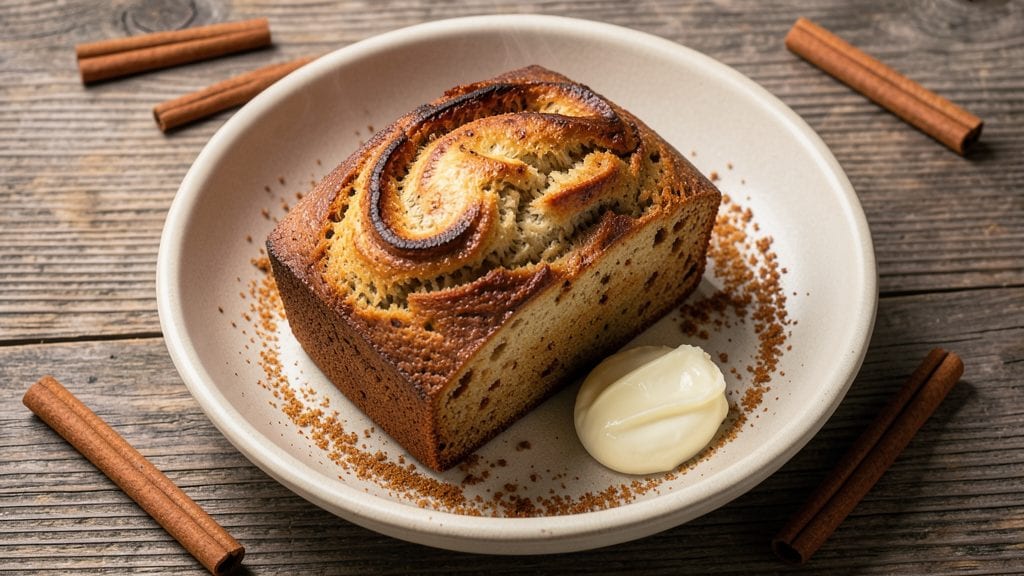
This Amish sourdough cinnamon bread recipe delivers the kind of homestyle comfort that transforms any breakfast into a special occasion. The secret lies in slow fermentation—just like traditional Amish bakeries use—and those signature buttery cinnamon swirls that melt into every bite.
I've perfected this method over years of testing, ensuring you get a loaf with a crisp crust, tender crumb, and warm spice notes that linger.
The beauty of this recipe is in its simplicity: no fancy equipment, just time and patience. You'll start with a sourdough starter (or use store-bought for convenience), then build a rich dough that captures the tangy depth of natural fermentation.
The cinnamon butter swirl adds a touch of indulgence without overpowering the bread's rustic character. Every step has been refined to guarantee a loaf that smells like home and tastes even better.
By the time your oven timer goes off, you'll have a golden loaf with those signature swirls peeking through the crust.
The aroma alone will have everyone gathering at the table, while the first bite delivers crisp edges, soft centers, and bursts of cinnamon that make this bread impossible to resist. This is the kind of recipe that becomes a family tradition—simple enough for weekdays but special enough for company.
Whether you're serving it fresh from the oven with butter or saving slices for toast the next morning, this bread delivers restaurant-quality results at home.
The slow fermentation process develops complex flavors that store-bought bread can't match, and the cinnamon swirls add just enough sweetness to balance the bread's natural tang. Let's get started on creating your perfect loaf.
Ingredients for amish sourdough cinnamon bread
Twelve simple ingredients transform into a loaf that smells like home and tastes even better.
| Ingredient | Amount | Notes |
|---|---|---|
| Active Sourdough Starter 🍞 | 1 cup | Unfed, bubbly starter (100% hydration) |
| All-Purpose Flour 🌾 | 5 cups | Bread flour preferred for better rise |
| Granulated Sugar 🍚 | ¼ cup | White or light brown |
| Instant Yeast 🍞 | ½ tsp | Optional, for extra rise |
| Unsalted Butter 🧈 | ½ cup | Cold, cubed for swirls |
| Ground Cinnamon 🌶️ | 2 tbsp | Freshly ground preferred |
| Granulated Sugar 🍚 | ½ cup | For cinnamon swirl |
| Large Eggs 🥚 | 1 whole | Room temperature |
| Milk 🥛 | ½ cup | Warm, any kind |
| Salt 🧂 | 1 tsp | Kosher or sea salt |
| Vanilla Extract 🍯 | 1 tsp | Pure vanilla preferred |
| Cornmeal 🌽 | ¼ cup | For dusting loaf pan |
| Water 💧 | 1 ½ cups | Room temperature |
The sourdough starter is your flavor foundation. King Arthur or Bob's Red Mill starters work perfectly if you're starting from scratch, but any active starter (even from your last bake) will do. For convenience, Whole Foods or Trader Joe's sell pre-made starters—just check they're bubbly and active. If your starter smells like vinegar or looks flat, it's time to refresh it. The flour matters too: King Arthur bread flour gives the best rise, but all-purpose works in a pinch. Just know the texture might be slightly less tender. I always measure flour by weight (1 cup = 120g) for consistency, but scooping and leveling works too if you're eyeballing it.
Butter and cinnamon are non-negotiable for that classic Amish flavor. European-style butter (like Plugrá) has higher fat content and melts beautifully into the swirls, but any good unsalted butter works. For the cinnamon, McCormick or Penzeys are reliable brands—just avoid the pre-mixed spice packets from the grocery store. No vanilla? Vanilla bean paste or even a pinch of ground vanilla bean adds depth. The milk can be any kind, but warm milk activates the yeast better than cold. And if you're short on time, the 0.5 tsp instant yeast gives an extra boost to the rise—though purists will argue it's not traditional.
This dough needs time to develop flavor—at least 8 hours overnight in the fridge is ideal. The longer it ferments, the more complex the taste. Store the dough in an airtight container with a damp towel on top to prevent drying. The finished loaf keeps well wrapped at room temperature for 3 days, or you can freeze slices for up to 3 months. For reheating, wrap slices in foil and warm in a 350°F oven for 5-10 minutes—nothing beats fresh-from-the-oven crispness, but warmed slices are a close second.
Why You'll Love This Recipe
- No-Knead Magic: I swear by this—just mix the starter, flour, and a touch of sugar, then let time do the work. No rolling, no fuss, no waiting for the dough to behave. The yeast and butter handle all the heavy lifting while you sip coffee.
- Sweet Tang Perfection: That sourdough starter isn’t just for show—it gives this bread a deep, tangy backbone that balances the cinnamon sugar swirls. The butter keeps it rich but never greasy, and honestly? The first warm slice out of the oven changes everything.
- Breakfast to Dessert: Between us, this bread is my secret weapon for lazy mornings (toasted with jam) and unexpected guests (drizzled with honey). Freeze half the batch—it thaws in seconds and tastes like you baked it fresh. Even my picky teen grabs seconds.
- Dollar Stretch Wonder: Flour, sugar, and butter? Basic pantry staples that cost pennies. A small starter goes a long way, and one loaf feeds my family for days. Not the prettiest, but the taste makes up for it—and my wallet thanks me every time.
Step-by-step instructions for Amish sourdough cinnamon bread
Here's how to create this comforting, swirled loaf with tender crumb and perfect rise.
Mix the Sourdough Dough
In a large mixing bowl, combine the 1 cup active sourdough starter, 5 cups all-purpose flour, 0.25 cup granulated sugar, 0.5 tsp instant yeast, 1 tsp salt, and 1 tsp vanilla extract. Mix until just combined—you'll still see some dry spots, which is perfect for developing gluten.
Next, add the 0.5 cup warm milk and 1 whole large egg, mixing until everything comes together into a shaggy dough. This step is crucial for creating the right texture—don't overmix or you'll develop too much gluten, which can make the bread dense. The dough should be soft but manageable, pulling away slightly from the sides of the bowl.
Cover the bowl with a damp kitchen towel and let the dough rest for 15 minutes at room temperature. This short rest helps relax the gluten and makes the next steps easier. You'll notice the dough becomes slightly smoother and more cohesive during this time.
Prepare the Cinnamon Swirl Filling
In a small bowl, mix together the 0.5 cup unsalted butter (softened but still cool), 0.5 cup granulated sugar, and 2 tbsp ground cinnamon until fully combined. The mixture should be smooth and well-blended, with no dry spots of cinnamon. This filling will create those signature swirls that make this bread so special.
Roll the dough out on a lightly floured surface into a 12x18-inch rectangle, about ¼-inch thick. Spread the cinnamon butter mixture evenly over the surface, leaving a ½-inch border around the edges. This ensures the swirl stays contained when you roll it up.
Starting from the long side, tightly roll the dough into a log, sealing the edges as you go. Pinch the seam to prevent any filling from leaking out during baking. The dough should feel firm but still pliable—if it's too sticky, sprinkle a little more flour on your surface.
Shape and Prove the Loaf
Place the rolled dough seam-side down in a 9x5-inch loaf pan that's been lightly dusted with 0.25 cup cornmeal. The cornmeal helps create a crisp crust and prevents sticking. Gently press the dough into the pan, making sure it fills all the corners evenly.
Cover the pan with a damp towel and let the dough prove at room temperature for 1 to 1.5 hours, or until it has risen about ½ to 1 inch above the rim of the pan. You'll know it's ready when the dough looks puffy and slightly domed, with a few small bubbles forming on the surface. The edges should pull away from the pan slightly when gently pressed.
Preheat your oven to 375°F while the dough is proving. This ensures the oven is hot and ready for baking as soon as the dough finishes rising. The high heat will give you that beautiful golden-brown crust we're after.
Bake to Golden Perfection
Once the dough has risen, bake in the preheated oven for 45 to 50 minutes, until the top is deep golden brown and the internal temperature reaches 190°F. You'll see the edges pull away from the pan and the swirl pattern become more defined as it bakes.
To check for doneness, tap the top of the loaf—it should sound hollow. If you're unsure, insert an instant-read thermometer into the center. The bread is done when it reaches 190°F and pulls away cleanly from the pan. Let it cool in the pan for 10 minutes before transferring to a wire rack to cool completely.
This resting time is crucial—it allows the steam inside the bread to redistribute, resulting in a softer crumb. Slice while still slightly warm for the best texture, and enjoy the perfect balance of tender sourdough and sweet, spiced swirls.
Pro Tips For Making Amish Sourdough Cinnamon Bread
- Test Your Starter First: Skip the dough if your starter’s sluggish—mix equal parts starter and warm water, then add flour until it floats in 5-7 minutes. If it sinks or smells funky, feed it 1:1:1 (flour/water/starter) twice before baking. I learned this the hard way when my loaf turned dense because the starter was tired.
- Chill the Dough Overnight: Let the dough rest in the fridge for 12-16 hours—this develops flavor and makes shaping easier. Pull it out 1 hour before baking so the butter softens naturally. (Yes, even if you’re impatient like me, resist the urge to rush this.)
- Don’t Overmix the Cinnamon Swirl: Fold the cinnamon-sugar-butter mix into the shaped dough just until streaks disappear—overworking it breaks the butter and flattens the loaf. Use a knife or offset spatula to cut through cleanly, then fold like a book. My first loaf looked like a failed lasagna because I overmixed.
- Preheat Pan and Oven Together: Place your greased loaf pan in a cold oven, then crank the heat to 375°F (190°C). Bake for 10 minutes before adding the dough—this ensures even rising and a crisp crust. I skipped this once and ended up with a gummy top that needed extra time to set.
Best sauces and condiments for this recipe
Classic Maple Glaze
This simple glaze elevates your bread to bakery-quality perfection. Combine ¼ cup pure maple syrup with 1 tbsp unsalted butter and ½ tsp vanilla extract in a small saucepan.
Heat over low heat for 3-4 minutes until smooth, then brush generously over warm bread. The natural sweetness enhances the cinnamon without overpowering it. 🍁
Brown Butter Frosting
For a richer alternative, make brown butter frosting by melting ½ cup unsalted butter in a skillet over medium heat until golden brown and nutty (about 5 minutes). Remove from heat, stir in 1 cup powdered sugar and 1 tsp cinnamon, then spread on cooled slices.
The caramelized butter adds depth that pairs beautifully with the sourdough tang. 🧈
Cream Cheese Swirl
Add a tangy twist by mixing 4 oz cream cheese (softened) with 2 tbsp powdered sugar and 1 tsp vanilla. Spread this on your rolled dough before baking instead of the butter mixture.
The cream cheese melts into luscious swirls that cut through the bread's richness. I love this variation for breakfast sandwiches! 🧀
Spiced Honey Drizzle
Heat ¼ cup honey with ½ tsp ground cinnamon and ¼ tsp cardamom in a small saucepan until warm (about 2 minutes). Drizzle over warm slices for a floral, aromatic finish.
The cardamom adds warmth that complements the cinnamon beautifully. Store extra drizzle in the fridge for up to 1 week. 🍯
Caramelized Onion Topping
For a savory-sweet contrast, caramelize 1 cup thinly sliced onions in 2 tbsp butter over low heat for 20-25 minutes until golden. Mix with 2 tbsp brown sugar and spread on top of the loaf before baking. The onions melt into sweet, jammy pockets that balance the bread's spice. 🧅
Vanilla Bean Whipped Cream
Whip ½ cup heavy cream with 2 tbsp powdered sugar and seeds from 1 vanilla bean until soft peaks form. Pipe or dollop onto slices for an elegant presentation. The vanilla bean's floral notes elevate the cinnamon's warmth, making this perfect for special occasions. 🌸
Nutrition facts
Frequently asked questions
Can I make this bread without a sourdough starter?
Yes! If you don't have an active starter, substitute 1 cup with 1 cup warm milk + 1.5 tsp instant yeast for similar flavor development. For best results, let the dough ferment 12-24 hours in the fridge to mimic the sourdough tang. The texture will be slightly different but still delicious.
Why does my dough smell like vinegar?
That's normal! A healthy sourdough starter has a tangy, slightly vinegary aroma. If the smell is overly sharp or smells like rot, your starter may be overfed or contaminated. Refresh it by mixing ½ cup starter + ½ cup flour + ½ cup water and feeding it daily until it smells fresh and bubbly again.
How do I prevent the cinnamon filling from leaking?
Seal the edges tightly when rolling the dough, and avoid overfilling. Use ½ cup butter mixture max for a 12x18-inch rectangle. Chill the dough for 30 minutes before baking to firm it up. If filling leaks during baking, the butter was too soft—use cold cubes next time.
Can I make this bread in a different pan shape?
For a round loaf, shape the dough into a ball and bake in a greased cast-iron skillet at 375°F for 40-45 minutes. For individual muffins, divide the dough into 12 portions, fill with 1 tsp cinnamon mixture each, and bake in muffin tins for 18-20 minutes. The baking time will vary based on pan size.
How long can I keep the dough before baking?
The dough improves with time! Store it in an airtight container in the fridge for up to 3 days or freeze for 3 months. Let it come to room temperature before shaping and baking. The longer it ferments, the more complex the flavor becomes—some bakers even let it sit 5 days for deeper sourdough character.