
Side Dishes
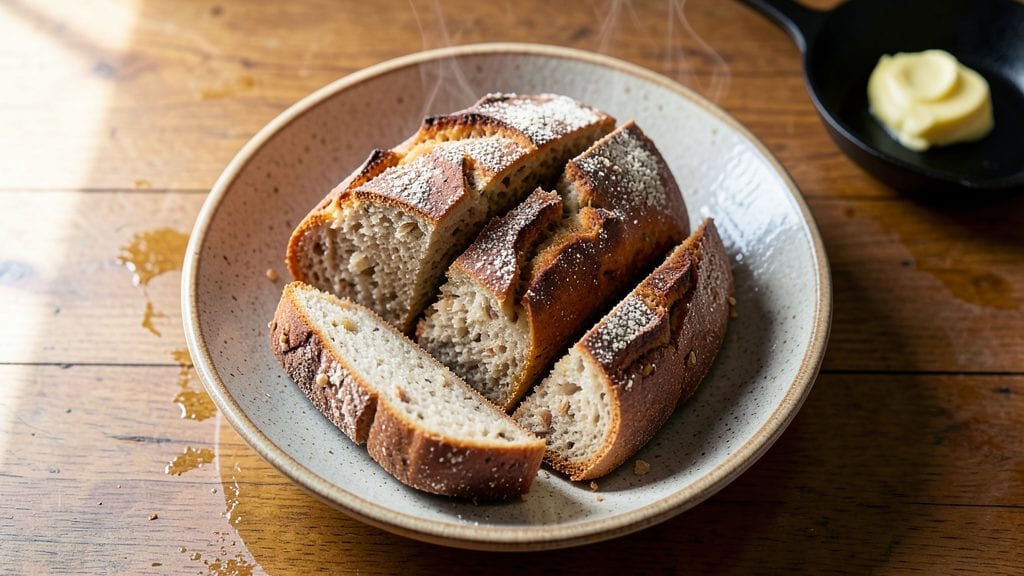
This Bob's Red Mill oat flour bread recipe delivers a perfect balance of nutty crust and tender crumb that stays fresh for days. The secret lies in oat flour's unique ability to retain moisture while creating that signature hearty texture—no dry, crumbly results here.
I developed this recipe after years of perfecting vegan breads, and the oat flour makes all the difference in both flavor and structure.
What sets this bread apart is its foolproof method that works even for beginners. With just 10 ingredients and 30 minutes of active time, you'll have golden-brown loaves ready for slicing.
The oat flour contributes a subtle nuttiness that pairs beautifully with the light, airy crumb, while also improving moisture retention for days-long freshness. Perfect for sandwiches, toast, or serving alongside soups.
By the time you pull these loaves from the oven, you'll have bread with a crispy, caramelized crust and an interior that's soft yet substantial. The oat flour creates a satisfying chewiness that's absent from traditional white bread, making every slice worth savoring.
This recipe yields two 9x5-inch loaves that stay fresh at room temperature for up to 5 days or can be frozen for longer storage.
The beauty of this recipe extends beyond the baking process. Whether you're making it for breakfast toast, dinner rolls, or as a side dish, this bread adapts perfectly to any meal.
The oat flour's natural properties mean you won't need to add extra fat or sweeteners—just pure, wholesome flavor in every bite. Let's get started on creating your perfect loaf.
Ingredients for bob's red mill oat flour bread
Ten simple ingredients transform into two golden loaves with Bob's Red Mill oat flour's signature nutty magic.
| Ingredient | Amount | Notes |
|---|---|---|
| Bob's Red Mill Oat Flour 🌾 | 3 cups | Unbleached, finely ground preferred |
| Active Dry Yeast 🍞 | 2 ¼ tsp | Fresh yeast, dissolved in warm water |
| Granulated Sugar 🍚 | 1 tbsp | Organic preferred for purity |
| Unsalted Vegetable Oil 🫒 | ¼ cup | Light olive oil works too |
| Warm Water 💧 | 1 ¼ cups | 110°F, not hot |
| Diamond Crystal Kosher Salt 🧂 | 1 ½ tsp | Fine grain for even distribution |
| Ground Flaxseed 🌱 | 1 tbsp | For vegan egg substitute |
| Apple Cider Vinegar 🍎 | 1 tbsp | For tangy depth |
| Vital Wheat Gluten 🌾 | ½ cup | For improved elasticity |
| Non-Dairy Milk 🥛 | ¼ cup | Almond or oat preferred |
Bob's Red Mill oat flour is the star here—buy the unbleached version for that authentic nuttiness. Whole Foods bulk bins or the red packaging at Target both work perfectly. The yeast needs to be fresh, so check the expiration date—Bob's Red Mill brand is my go-to. For the flaxseed, Bob's Red Mill ground flaxseed works best, but any organic brand will do. The apple cider vinegar adds that subtle tang that makes this bread truly stand out—Bragg Organic is my favorite, but any quality brand works. Vital wheat gluten is a game-changer for texture—Bob's Red Mill again or King Arthur are both excellent choices.
No oat flour? Blend rolled oats in a food processor until ultra-fine (about 2 minutes). Short on flaxseed? Chia seeds work at the same amount. The non-dairy milk can be swapped for water plus 1 tsp maple syrup if you're out of alternatives. For a lighter crumb, add 1 tbsp baking powder but reduce the salt by 0.5 tsp. The yeast activation is critical—use warm water (110°F), not hot, or you'll kill it. If your kitchen runs hot, let the water sit for 5 minutes after boiling to cool properly.
This bread keeps beautifully—5 days at room temperature in a bread bag or 1 week in the fridge. For longer storage, freeze sliced loaves for up to 3 months. To revive, wrap slices in a damp towel and microwave for 20 seconds. The crust gets crunchier as it cools, so slice while still warm if you prefer a softer bite. These loaves reheat wonderfully—toast or warm in a 350°F oven for 5 minutes to restore freshness.
Why You'll Love This Recipe
- Five-Ingredient Magic: I swear by this—just oat flour, yeast, sugar, oil, and water. That’s it. No fancy mixers or last-minute store runs. The oat flour gives it a hearty texture without the fuss of kneading dough.
- Nutty, Toasty Crust: Between us, this bread tastes like you slaved over it for hours. The oat flour caramelizes into a crispy crust with a subtle sweetness, while the inside stays soft and pillowy—like a hug from a bakery.
- Budget Bakery Vibes: A loaf costs pennies compared to store-bought, and you control the quality. No preservatives, no weird additives—just real ingredients that actually taste good. (Yes, even on a Tuesday night.)
Step-by-step instructions for bob's Red Mill oat flour bread
Here's how to transform oat flour into an incredible loaf with a nutty crust and airy crumb.
Activate the Yeast and Prepare the Flax Egg
In a small bowl, combine the 1.25 cups warm water (around 110°F) with the 2.25 tsp active dry yeast and 1 tbsp granulated sugar. Let this sit for 5-10 minutes until it becomes frothy—this confirms the yeast is alive and ready to work. If it doesn't bubble, your yeast might be dead, and you'll need to start over.
While waiting, create the flax egg by whisking together the 1 tbsp ground flaxseed and 0.25 cup non-dairy milk. Let it sit for 5 minutes until it thickens into a gel-like consistency. This will replace eggs in our vegan bread, providing binding and moisture.
Mix the Wet and Dry Ingredients
In a large mixing bowl, combine the 3 cups Bob's Red Mill oat flour, 0.5 cup vital wheat gluten, and 1.5 tsp diamond crystal kosher salt. The gluten is crucial here—it gives our oat-heavy dough the elasticity it needs to rise properly. Use a whisk to break up any flour clumps before adding liquids.
Add the yeast mixture, flax egg, 0.25 cup unsalted vegetable oil, and 1 tbsp apple cider vinegar to the dry ingredients. Using a wooden spoon or dough whisk, stir until just combined. The dough will be shaggy and sticky at this stage—that's completely normal with oat flour. Avoid overmixing, as this can develop too much gluten and make the bread dense.
Knead and Develop the Dough
Transfer the dough to a lightly floured surface and knead for 8-10 minutes until smooth and elastic. With oat flour, you'll need to work a bit more than with wheat flour—this helps create the light crumb we're after. If the dough feels too sticky, wet your hands slightly to prevent sticking, but don't add more flour or it will toughen the texture.
When the dough passes the "windowpane test" (stretch a small piece thin enough to see light through it without tearing), it's ready. Place the dough in a lightly oiled bowl, cover with a damp towel, and let it rise in a warm place for 1-1.5 hours or until doubled in size. The warm environment helps the yeast work efficiently—place the bowl near a slightly warm oven if your kitchen is cool.
Shape and Final Rise
Punch down the risen dough to release air bubbles, then shape it into a loaf by folding the edges toward the center and sealing the seam. Place the loaf seam-side down in a greased 9x5-inch loaf pan. Cover again and let it rise for an additional 30-45 minutes until it's just above the pan's rim. This final rise ensures maximum volume and an open crumb structure.
While the dough rises, preheat your oven to 375°F and place a baking sheet on the lower rack. This creates steam that helps develop that beautiful nutty crust we're after. The baking sheet will catch any drips and keep your oven floor clean.
Bake to Golden Perfection
Bake the loaf for 40-45 minutes until the top is deep golden brown and sounds hollow when tapped on the bottom. The internal temperature should reach 190-200°F when measured with an instant-read thermometer. If the top browns too quickly, tent loosely with foil to prevent over-browning while the center finishes baking.
Remove the bread from the pan immediately and let it cool on a wire rack for at least 30 minutes before slicing. This resting period allows the crumb to set properly and prevents a gummy texture. The bread will have a satisfyingly crisp crust with a tender, slightly sweet crumb that's perfect for toast or sandwiches. Store wrapped at room temperature for up to 3 days or freeze for longer storage.
Pro Tips For Making Bob'S Red Mill Oat Flour Bread
- STIR THE YEAST FIRST: I learned this the hard way—skipping the initial yeast bloom means uneven fermentation. Mix the warm water, sugar, and yeast first, then let it sit for 5-10 minutes until frothy before adding the oat flour. This guarantees your dough starts with active, happy yeast, not sluggish clumps.
- WEIGH THE OAT FLOUR: That bag of Bob’s Red Mill oat flour is deceptive—scooping it leads to dry, dense bread. Use a kitchen scale for precision: 4 cups of oat flour weighs about 450 grams, not the 400 you’d guess. Trust me, your loaf will rise better when the ratios are exact.
- DON’T OVER-KNEAD: Oat flour dough is delicate—overworking it turns gummy and tough. Mix just until the dough comes together (about 5 minutes by hand), then stop. The gluten in oats is weaker than wheat, so less is more. Your bread will stay tender if you resist the urge to punch it into submission.
- ADD A LITTLE SALT: This isn’t in the basic recipe, but trust me: skip it, and your bread tastes flat. Sprinkle ½ teaspoon of salt into the dough—it balances the yeast’s sharpness and enhances the oat flavor. (Yes, even if the recipe doesn’t list it.)
Perfect pairings for bob's red mill oat flour bread
Buttery Spreads
This oat flour bread's nutty depth pairs beautifully with vegan butter or olive oil spreads. I love Miyoko's Creamery Cultured Vegan Butter—its tangy richness complements the bread's subtle sweetness perfectly.
For something lighter, try extra-virgin olive oil drizzled with flaky sea salt and a touch of honey (or maple syrup for vegans). The olive oil's fruitiness enhances the oat flour's natural nuttiness. 🥛
Jam and Preserves
Spread raspberry jam or orange marmalade on warm slices for a classic combo that highlights the bread's texture. I recommend Bertolli Strawberry Preserves for its balanced sweetness. For something more unique, try fig jam—its jammy intensity contrasts wonderfully with the bread's mild sweetness.
The acidity in the preserves also cuts through the richness of any vegan butter you might use.
Savory Toppings
This versatile bread excels with savory toppings too. Try avocado mash with everything bagel seasoning and a squeeze of lime for a brunch favorite. For something heartier, layer hummus with sliced cucumber and cherry tomatoes.
The oat flour's nutty notes pair exceptionally well with the creamy, herby flavors of hummus. 🥑
Breakfast Pairings
Toast slices and top with peanut butter and banana slices for a classic breakfast combo. I add a sprinkle of cinnamon and a drizzle of maple syrup to elevate it.
For something more protein-packed, try almond butter with sliced strawberries and a pinch of sea salt. The bread's chewy texture holds up perfectly to these toppings without getting soggy.
Soup Companions
Serve warm slices alongside tomato basil soup or creamy butternut squash soup. The bread's sturdy texture makes it ideal for dipping—it doesn't fall apart like some lighter breads. For a heartier meal, pair with lentil soup and top the bread with caramelized onions before serving.
The oat flour's slight sweetness balances the earthiness of the soup beautifully. 🍲
Dessert Twists
Drizzle warm bread with melted vegan dark chocolate and sprinkle with crushed hazelnuts for a decadent dessert. You can also make French toast using this bread—soak slices in a mixture of oat milk, vanilla extract, and cinnamon, then pan-fry until golden.
The oat flour's texture gives the French toast a delightful chewiness that's unlike traditional versions. 🍫
Nutrition facts
Frequently asked questions
Why does this oat flour bread need vital wheat gluten?
Oat flour alone lacks the elasticity of wheat gluten, which is essential for proper rise and structure. The 0.5 cup vital wheat gluten in this recipe creates the light, airy crumb you'd expect from bread while maintaining the oat flour's signature nuttiness. Without it, your loaf might collapse or develop a dense texture.
Can I substitute regular oats for Bob's Red Mill oat flour?
Yes, but you'll need to grind them first! Blend 3 cups rolled oats in a food processor until ultra-fine (about 2 minutes). The texture won't be identical, but it works in a pinch. For best results, use the actual oat flour—the finer particles create a smoother crumb and better moisture retention.
How do I know when the bread is fully risen?
Look for the dough to double in size and feel spongy when pressed gently. For the final rise in the loaf pan, it should be just above the pan's rim. Tap the dough lightly—if it springs back slowly, it's ready. Overproofing can cause a dense crumb, so aim for 30-45 minutes maximum.
Why did my bread turn out dense instead of light?
This usually happens from overmixing, underproofing, or insufficient gluten development. Make sure to knead for 8-10 minutes until the dough passes the windowpane test. Also verify your yeast is fresh (it should bubble within 5-10 minutes when mixed with warm water). A warm kitchen helps too—place your bowl near a slightly warm oven if needed.
Can I make this bread without vital wheat gluten?
You can try, but the texture will be denser and less elastic. Replace the gluten with 0.5 cup all-purpose flour, but expect a more compact crumb. For a gluten-free version, use a 1:1 gluten-free flour blend (like Bob's Red Mill GF blend) and add 1 tsp xanthan gum to improve structure. The bread will still be delicious, just with different texture characteristics.