
Sauces & Condiments
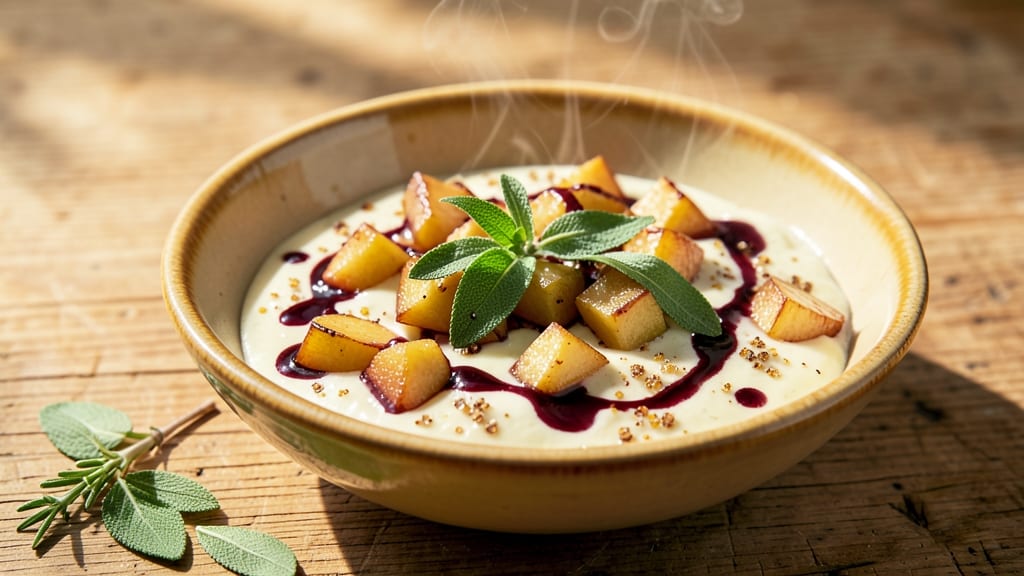
This apple and sage sauce recipe transforms simple ingredients into a velvety, aromatic sauce that elevates roasts, pork, and even roasted vegetables. The perfect balance of sweet apples, earthy sage, and rich butter creates a sauce that's both comforting and sophisticated—ideal for weeknight dinners or special occasions.
Simmering reduces the sauce to a luxurious consistency, while the sage infuses deep herbal notes that linger in every bite.
The secret lies in the technique: gently cooking the apples until they soften into a silky texture, then simmering with butter and a touch of sugar to caramelize the flavors. A splash of wine or broth deepens the sauce's complexity, while fresh sage leaves add a bright, aromatic finish.
This sauce isn’t just versatile—it’s a game-changer for transforming ordinary meals into something extraordinary.
What makes this sauce truly special is its ability to adapt. Drizzle it over crispy roasted pork, spoon it alongside herb-roasted chicken, or even use it as a glaze for caramelized vegetables.
The natural sweetness of the apples pairs beautifully with savory dishes, while the sage adds an earthy depth that rounds out the flavors. It’s the kind of sauce that turns a simple dinner into a memorable experience.
Ready in just 20 minutes, this sauce requires minimal effort but delivers maximum flavor. The ingredients are simple—apples, sage, butter, and a pinch of sugar—but the result is anything but basic.
Whether you’re hosting a holiday feast or cooking a quick weeknight meal, this apple and sage sauce will leave everyone asking for seconds. Let’s get started!
Ingredients for apple and sage sauce
Eight simple ingredients crafting rich, aromatic apple and sage sauce perfect for roasts and pork.
| Ingredient | Amount | Notes |
|---|---|---|
| Granny Smith Apples 🍎 | 2 medium | Peeled, cored, diced |
| Fresh Sage Leaves 🌿 | ½ cup | Stems removed, loosely packed |
| Unsalted Butter 🧈 | ½ cup | Cold, cubed for even melting |
| Dry Red Wine 🍷 | ½ cup | Bold Cabernet or Merlot |
| Vegetable Broth 💧 | ½ cup | Low-sodium preferred |
| Granulated Sugar 🍯 | 2 tbsp | Light brown preferred |
| Fresh Lemon Juice 🍋 | 1 tbsp | Bright, freshly squeezed |
| Diamond Crystal Kosher Salt 🧂 | ½ tsp | Fine grain preferred |
| Freshly Ground Black Pepper 🌶️ | ¼ tsp | Cracked peppercorns preferred |
Granny Smith apples bring the perfect tartness—avoid red delicious, they turn mushy. Look for firm, unblemished apples at Whole Foods or Trader Joe's for optimal texture. Fresh sage matters here; dried won't infuse the same depth. If using stems, remove them completely—they're bitter. For butter, Plugrá or Land O'Lakes unsalted melt beautifully without overpowering. The wine should be dry and bold—Cabernet Sauvignon or Merlot work best, but any red you enjoy will do.
No red wine? Substitute extra vegetable broth with a splash of balsamic vinegar for depth. Dried sage works at half the amount, but fresh is non-negotiable for that bright herbal note. Sugar can be swapped for maple syrup at a 1:1 ratio, though it adds subtle earthiness. Lemon juice can be omitted if you prefer a sweeter sauce, but it brightens the flavors beautifully. For a richer sauce, add 1 tbsp heavy cream at the end. The kosher salt is crucial—Diamond Crystal measures differently than Morton, so use the recipe as written.
This sauce thickens as it cools, so reheat with 1 tbsp water or broth to restore consistency. Keeps in the fridge for 5 days in an airtight container, or freeze for up to 3 months. For best results, reheat gently on the stovetop over low heat. Portion into ice cube trays for single-use servings—perfect for last-minute drizzling. The sauce tastes even better the next day as flavors meld.
Why You'll Love This Recipe
- Here’s what sold me: the way the sage’s piney warmth meets the wine’s tang, then gets balanced by the apples’ sharp bite. The butter ties it all together—creamy but not heavy—so it’s rich without being cloying. (Yes, even on a Tuesday night.)
- This sauce works for everything: drizzled over roasted chicken, spooned onto mashed potatoes, or even tossed with pasta. I’ve used it as a glaze for pork chops and as a finishing sauce for beef Wellington. It’s fancy enough for company but simple enough that no one suspects how little effort it took.
Step-by-step instructions for apple and sage sauce
Here's how to create a balanced, aromatic sauce that elevates roasted meats and pork dishes.
Sauté the Apples and Sage Until Soft
In a medium saucepan over medium heat, melt the 0.5 cup unsalted butter until it foams. Add the 2 medium Granny Smith apples and 0.5 cup fresh sage leaves, stirring gently to coat. Cook for 8-10 minutes until the apples soften and release their juices while the sage leaves darken slightly.
This step develops the sauce's foundational flavors. The apples should break down into a chunky puree while retaining some texture, and the sage should release its piney aroma. Stir occasionally to prevent sticking, and watch for the apples to become translucent at the edges.
Deglaze with Red Wine and Reduce
Pour in the 0.5 cup dry red wine and scrape up any browned bits from the bottom of the pan. Increase heat to medium-high and bring to a simmer. Reduce heat to medium and cook for 5-6 minutes until the wine reduces by half and the mixture thickens slightly.
The wine's acidity balances the sweetness while adding depth. You'll notice the sauce darken and intensify in flavor as the alcohol cooks off. If the mixture seems too thick, add 1-2 tablespoons of the vegetable broth to loosen it slightly while maintaining the desired consistency.
Build Flavor with Sugar and Broth
Stir in the 2 tbsp granulated sugar and 0.5 cup vegetable broth, then reduce heat to low. Simmer for 5 minutes until the sauce thickens to a spoonable consistency. The sugar will caramelize slightly, adding complexity to the sauce's flavor profile.
Taste and adjust seasoning with the 0.5 tsp Diamond Crystal kosher salt and 0.25 tsp freshly ground black pepper. The sauce should balance sweet, tart, and savory notes. If it's too acidic, add a pinch more sugar; if it's too sweet, add a splash more broth to dilute slightly.
Finish with Lemon Juice and Strain
Remove the sauce from heat and stir in the 1 tbsp fresh lemon juice. This brightens the flavors and cuts through any remaining richness. Let the sauce sit for 2-3 minutes to allow the lemon to fully integrate.
For a smooth texture, strain the sauce through a fine-mesh sieve into a clean saucepan, pressing gently on the solids with a spoon to extract maximum flavor. This step ensures a velvety finish without compromising the sauce's rich, herb-infused character. The strained sauce should coat the back of a spoon and have a glossy sheen.
Pro Tips For Making Apple And Sage Sauce
- Peel and Core Apples Like a Pro: I learned this the hard way—skinning Granny Smiths with a paring knife is a pain, and you’ll end up with uneven chunks. Use an apple corer/slicer instead; it’s faster, keeps the pieces uniform, and saves your fingers from frustration.
- Simmer Slow, Not Boil: This sauce needs time to meld, not a quick boil that turns it into mush. Keep the heat at a gentle simmer—tiny bubbles breaking the surface—so the apples soften without losing their shape or the wine evaporating too fast.
- Don’t Skip the Wine Reduction: After adding the red wine, let it cook down by half before adding broth. Skipping this step means a thinner, less flavorful sauce. Patience here makes a real difference—just 5-7 minutes of simmering concentrates the depth.
- Toast the Sage First: Chop the sage leaves and dry-toast them in the butter for 30 seconds before adding the apples. This releases their oils and aroma instantly, giving the sauce a richer, more complex flavor right from the start. (Yes, even if you’re impatient like me.)
Health benefits of these flavors
Antioxidant-Rich Apples
Granny Smith apples are packed with polyphenols and quercetin, antioxidants that combat oxidative stress and reduce inflammation. A 2-apple serving provides about 15% of your daily vitamin C, boosting immunity and collagen production. The tartness also aids digestion by stimulating stomach acid production. 🍎
Herbal Sage Benefits
Fresh sage leaves contain volatile oils like thujone and camphor, which have been shown to improve memory and cognitive function. Studies suggest sage may help reduce anxiety and stress—perfect for a soothing dinner sauce.
The leaves also provide fiber and small amounts of iron, though the primary benefit here is their aromatic, anti-inflammatory properties.
Heart-Healthy Fats
The unsalted butter in this sauce contributes beneficial saturated fats that support brain function and hormone production. While butter is often criticized, the 0.5 cup used here provides about 100 calories and 11 grams of fat, including heart-healthy compounds when balanced with the sauce's other ingredients.
The key is moderation—this sauce is meant to complement, not dominate, your meal.
Blood Sugar Balance
The combination of Granny Smith apples (low glycemic index) and light brown sugar creates a sauce that won't spike blood sugar when used in moderation. The 2 tbsp sugar adds natural sweetness without the sharp glycemic impact of refined sugars.
Pairing this sauce with protein-rich dishes like pork or chicken helps stabilize blood sugar levels even further.
Digestive Support
The fiber from apples and lemon juice in this sauce act as natural digestive aids. Lemon juice stimulates bile production, aiding fat digestion, while apple fiber promotes healthy gut bacteria. The 1 tbsp lemon juice also provides vitamin C and potassium, both essential for maintaining electrolyte balance during meals.
Anti-Inflammatory Properties
Both apples and sage possess anti-inflammatory compounds that may help reduce chronic inflammation. The quercetin in apples and the rosmarinic acid in sage work synergistically to support joint health and reduce oxidative damage.
This makes the sauce not just delicious, but potentially beneficial for long-term health when incorporated into balanced meals. 💪
Nutrition facts
Frequently asked questions
Can I make this sauce without red wine?
Replace the 0.5 cup red wine with 0.5 cup extra vegetable broth plus 1 tablespoon balsamic vinegar for depth. The vinegar adds acidity to balance the sweetness, while the broth keeps the sauce rich and flavorful. For a non-alcoholic version, apple cider works beautifully too.
How can I adjust the thickness of the sauce?
If your sauce is too thin, simmer uncovered for 2-3 extra minutes to reduce further. For a thicker consistency, stir in 1 teaspoon cornstarch mixed with 1 tablespoon cold water and cook for 1 minute until it thickens. If it's too thick, thin with 1 tablespoon warm water or broth while stirring constantly.
Can I use dried sage instead of fresh?
Yes, but use only 1/4 teaspoon dried sage (about 1/5 the amount of fresh) and crush it lightly between your fingers first. Dried sage lacks the bright aroma of fresh, so the flavor will be more subtle. For best results, toast the dried sage in a dry pan for 30 seconds before adding to release its oils.
What's the best way to store leftover sauce?
Transfer to an airtight container and refrigerate for up to 5 days. The sauce thickens as it cools, so reheat gently over low heat with 1 tablespoon water or broth to restore consistency. For longer storage, freeze in ice cube trays for single-use portions—perfect for last-minute drizzling on roasts.
How can I use this sauce beyond pork dishes?
This versatile sauce works beautifully with roasted chicken, herb-crusted salmon, or even as a glaze for caramelized Brussels sprouts. Drizzle it over mashed potatoes for a sweet-savory twist, or use it as a dip for warm bread with a sprinkle of flaky salt. The apple-sage combo also pairs well with goat cheese for a gourmet appetizer.