
Sauces & Condiments
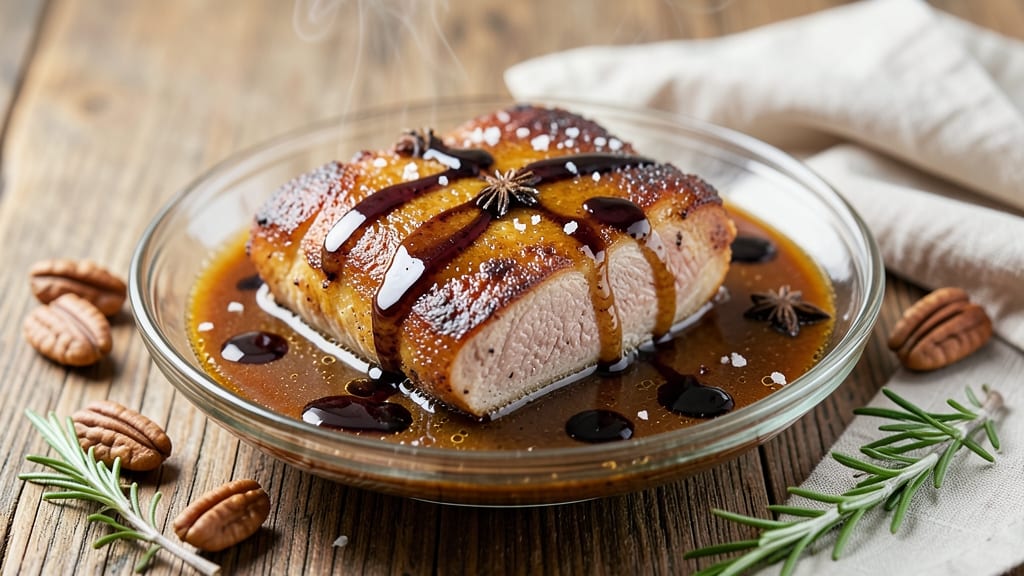
This apple cider reduction sauce transforms simple roasts and mashed potatoes into something extraordinary with its deep, caramelized richness. The secret lies in slow simmering, where natural sugars concentrate into a glossy, intensely flavorful sauce that clings perfectly to every bite.
I developed this recipe after years of experimenting with cider-based reductions, refining it to achieve that ideal balance of sweetness and acidity without any added sugar.
The process is straightforward but requires patience—reducing apple cider on the stove until it thickens into a velvety sauce takes about 30 minutes, but the results are worth every moment. A touch of butter at the end creates a silky finish that elevates the sauce from good to restaurant-quality.
The best part? This versatile sauce works equally well on roasted pork, turkey, or even drizzled over vanilla ice cream for a sophisticated dessert twist.
What makes this sauce truly special is its ability to enhance other dishes without overpowering them. The caramelized depth adds complexity to simple meals, while the natural tang keeps it from being cloying.
Once you taste the difference between store-bought glaze and this homemade version, you'll never go back. The aroma alone will have your kitchen smelling like a fall harvest.
For extra depth, consider adding a cinnamon stick or star anise during reduction, or finish with a splash of balsamic vinegar for an unexpected depth. Store leftovers in the fridge for up to 5 days or freeze for 3 months—this sauce keeps getting better as flavors meld.
Let's create something that will make your meals unforgettable.
Ingredients for apple cider reduction sauce
Eight ingredients transform simple cider into restaurant-quality sauce with caramelized depth.
| Ingredient | Amount | Notes |
|---|---|---|
| Unsweetened Apple Cider 🍎 | 4 cups | High-quality, preferably organic |
| Unsalted Butter 🧈 | ½ cup | Cold, cubed for easier incorporation |
| Granulated Sugar 🍚 | ¼ cup | Light brown preferred for depth |
| Fresh Cinnamon Sticks 🌿 | 2 whole | Optional for aromatic depth |
| Balsamic Vinegar 🍷 | 1 tbsp | For finishing touch (optional) |
| Sea Salt 🧂 | ¼ tsp | Diamond Crystal preferred |
| Black Peppercorns 🌶️ | ⅛ tsp | Freshly cracked for texture |
| Star Anise 🌟 | 1 whole | Optional for exotic warmth |
The apple cider is non-negotiable—Mott's or Woodchuck are my go-tos for their balanced sweetness and acidity. Organic brands from Trader Joe's or Whole Foods have more complex flavors. Avoid sweetened versions; you want the natural sugar concentration to shine. For extra richness, consider hard cider instead of apple cider—it adds a subtle maltiness that pairs beautifully with pork. The butter should be cold when added; this prevents the sauce from breaking. I always buy European-style butter from Plugrá for its higher fat content and superior flavor.
No fresh cinnamon sticks? Ground cinnamon at half the amount works, but you'll lose that beautiful aromatic infusion. Star anise is optional but adds a licorice-like depth that complements the caramelization. Balsamic vinegar can be swapped for aged balsamic glaze if you prefer a sweeter finish. The sugar is purely for caramelization—don't skip it, but don't overdo it either. For a vegan version, use dairy-free butter and ensure your cider is unsweetened. The sea salt should be fine grain; Diamond Crystal dissolves more cleanly than kosher varieties.
This sauce keeps getting better as it sits. Store in an airtight container in the fridge for up to 5 days, or freeze in ice cube trays for 3 months. Reheat gently on the stove, adding a splash of water or cider if it thickens too much. The sauce thickens as it cools, so it's perfect for drizzling over warm mashed potatoes or roasted meats. For a glossy finish, whisk in a teaspoon of water or cider before serving. Leftovers make an excellent glaze for pancakes or waffles—just thin with a little more cider if needed.
Why You'll Love This Recipe
- Five-Ingredient Magic: I swear, this sauce comes together with just a pot, a stir, and 20 minutes—no fancy techniques, no stress. The best part? You’re basically simmering down pantry staples (hello, apple cider and sugar) into something luxurious.
- Deep Autumn Taste: That first spoonful of warm, spiced cider with a hint of balsamic and butter? It’s like fall in a jar—rich, tangy, and just sweet enough. The cinnamon sticks infuse the sauce with warmth, while the balsamic adds a sophisticated kick.
- Showstopper Sidekick: Drizzle it over roasted pork, toss it with mashed potatoes, or serve it with vanilla ice cream—this sauce turns ordinary meals into something special. Honestly, I’ve used it for everything from Thanksgiving leftovers to a cozy weeknight dinner.
- Leftovers That Last: Make a double batch and store it in the fridge for up to a week. It thickens beautifully when reheated, making it perfect for lazy mornings or last-minute dinner upgrades. Between us, I’ve even frozen it—just thaw and stir.
Step-by-step instructions for apple cider reduction sauce
Transform simple ingredients into a rich, aromatic sauce that elevates any dish.
Simmer the Apple Cider and Aromatics
Pour the 4 cups unsweetened apple cider into a deep saucepan and add the 2 whole fresh cinnamon sticks, 1 whole star anise, 0.25 teaspoon sea salt, and 0.125 teaspoon black peppercorns. Bring to a gentle boil over medium-high heat, then immediately reduce to medium-low heat. Let it simmer uncovered for 15-20 minutes until the liquid reduces by about half and the aroma becomes deeply fragrant.
Here's the thing—don't rush this step. The slow reduction is where the magic happens. You'll see the liquid transform from pale amber to a deeper, richer hue as the flavors concentrate. The cinnamon and star anise will infuse the cider with warm, spiced notes, creating the foundation for your sauce.
Add Butter and Sugar for Depth
Once the cider has reduced, whisk in the 0.5 cup cold unsalted butter (cubed) and 0.25 cup granulated sugar all at once. Increase the heat to medium and stir constantly for 5-7 minutes until the butter melts completely and the mixture thickens slightly. This is where the sauce starts to develop its signature caramelized richness.
The butter adds velvety texture while the sugar helps create a subtle caramelization. You'll notice the sauce becoming glossy and slightly syrupy as it thickens. If the mixture starts to stick to the bottom of the pan, add 1-2 tablespoons of water to loosen it while continuing to stir.
Finish with Balsamic Vinegar
When the sauce has thickened and the butter is fully incorporated, reduce the heat to low and stir in the 1 tablespoon balsamic vinegar. Simmer gently for another 3-5 minutes, stirring occasionally, until the sauce reaches your desired consistency. It should coat the back of a spoon but still be pourable.
This is the moment that matters: the balsamic vinegar adds a tangy complexity that balances the sweetness. The sauce should now have a deep, caramelized aroma with hints of spice and fruit. If you prefer a smoother texture, strain out the cinnamon sticks and star anise before serving. For extra depth, leave them in for serving.
Adjust Consistency and Serve
Taste the sauce and adjust the seasoning if needed. If it's too thick, thin it with 1-2 tablespoons of water or reduced cider until it reaches a glossy, spoonable consistency. Transfer the sauce to a serving bowl or sauceboat and keep it warm over low heat until ready to use.
This versatile sauce pairs beautifully with roasted meats, mashed potatoes, or even as a glaze for vegetables. The balance of sweet, spiced, and tangy flavors makes it a standout addition to any autumnal meal. Serve immediately while still warm for the best texture and flavor.
Pro Tips For Making Apple Cider Reduction Sauce
- Simmer Slow and Steady: I learned this the hard way—crank the heat high to start, but as soon as the cider bubbles, drop it to a gentle simmer. Too much heat means burnt sugar and bitter edges, and you’ll spend the next 10 minutes fishing out charred bits. Keep it at a low boil where bubbles pop occasionally, not a rolling rage.
- Toast the Cinnamon First: Skip the pre-ground stuff—fresh cinnamon sticks are the real flavor bomb here. Toast them in a dry pan for 30 seconds until fragrant, then add them to the cider. This wakes up their oils and makes the sauce taste like autumn in a bottle. (Yes, even if you’re impatient like me.)
- Strain Out the Sticks: I used to leave the cinnamon sticks in until the end, thinking they’d add depth. Wrong. They turn to mush and turn your sauce grainy. Strain them out after 15 minutes of simmering—just before adding the butter—and your sauce will be silky smooth. (Your future self will thank you.)
- Balance the Balsamic Last: Add the balsamic vinegar after the sauce has thickened, not at the start. It’s not just about acidity—it’s about letting the cider’s natural sweetness and spice develop first. A splash at the end brightens the whole dish without overpowering. (Your taste buds will notice the difference.)
Flavor customization for this dish
Spiced Depth Variations
For a warm, autumnal twist, add 1 tsp ground ginger or ½ tsp ground cloves during the initial simmer. These spices deepen the caramelized notes and pair perfectly with pork or game meats.
I often use Badia Spices for their high-quality, aromatic blends. For a Mexican-inspired variation, swap cinnamon for 1 tsp chili powder and ½ tsp cumin, then finish with a squeeze of lime. 🌶️
Herbal Freshness Options
Brighten the sauce with fresh herbs like thyme or rosemary. Add 2 sprigs of fresh thyme during the reduction and remove before serving. For a citrusy kick, zest 1 orange into the sauce during the final 5 minutes of simmering.
This works beautifully with roasted chicken or seafood. I prefer organic herbs from Williams Sonoma for their vibrant flavor.
Sweet-Tangy Balance
Enhance the natural sweetness by adding 1 tbsp honey or maple syrup during the final 5 minutes of reduction. For a tangy contrast, finish with 1 tsp apple cider vinegar instead of balsamic.
This variation shines on grilled vegetables or as a drizzle for cheese boards. The key is to taste as you go—adjust sweetness to your preference.
Smoky Charred Twist
For a campfire-inspired flavor, char 1 small onion in a dry skillet until blackened, then blend it into the reduced cider before adding butter. This adds a deep, smoky complexity that pairs wonderfully with smoked meats or grilled corn.
I love using Vermont smoked paprika for an extra layer of depth. 🔥
Creamy Finish Variations
Transform the sauce into a richer, creamier version by whisking in ¼ cup heavy cream or coconut milk during the final 3 minutes of simmering. For a lighter option, stir in 2 tbsp Greek yogurt after removing from heat.
This works beautifully as a dipping sauce for apple slices or pretzel bites. The creaminess balances the tangy-sweet profile beautifully.
Global Fusion Adaptations
Give your sauce an international flair with these twists: For a French-inspired version, add 1 sprig of fresh tarragon and finish with 1 tsp Dijon mustard. For an Indian-inspired twist, include ½ tsp garam masala and 1 cardamom pod.
These adaptations work wonderfully with curries or naan bread. The spices add unexpected layers of warmth and complexity. ✨
Nutrition facts
Frequently asked questions
Can I make this sauce without sugar?
The recipe includes ¼ cup sugar to help caramelize the cider and create depth, but you can reduce it to 2 tablespoons if you prefer less sweetness. For a sugar-free version, replace it with 2 tablespoons maple syrup or 1 tablespoon honey—just remember the sauce will be slightly less caramelized. The natural sugars in apple cider will still concentrate during reduction, but the texture may be thinner.
How do I prevent the sauce from sticking to the pan?
Stir constantly during the reduction, especially after adding butter, to prevent sticking. If it begins to brown too quickly, add 1-2 tablespoons of water or apple cider to loosen the mixture. Using a heavy-bottomed saucepan also helps distribute heat evenly. For extra insurance, lightly grease the pan with butter before starting. The key is patience—rushing the reduction is the most common cause of sticking.
What’s the best way to store leftovers?
Let the sauce cool completely, then transfer it to an airtight container. It keeps in the fridge for up to 5 days—the flavors actually deepen over time! For longer storage, freeze in ice cube trays (great for portion control) or a sealed container for up to 3 months. Thaw in the fridge overnight and reheat gently on low heat, adding a splash of water or cider if needed to restore consistency.
Can I use this sauce on non-meat dishes?
This versatile sauce works beautifully on roasted vegetables, mashed potatoes, polenta, or even as a drizzle for cheese boards and desserts. For a sweet twist, thin it slightly with warm milk or cream and pour over vanilla ice cream or pancakes. The caramelized depth pairs surprisingly well with savory and sweet applications.
Why did my sauce turn out too thick?
Over-reducing the cider is the most common cause. For a smoother texture, thin the sauce with 1-2 tablespoons of water or apple cider while reheating. If it’s still too thick, whisk in 1 teaspoon of heavy cream or Greek yogurt to restore a silky consistency. Always taste as you go—remove from heat when it reaches a glossy, spoonable thickness. The sauce will thicken further as it cools.