
Salads
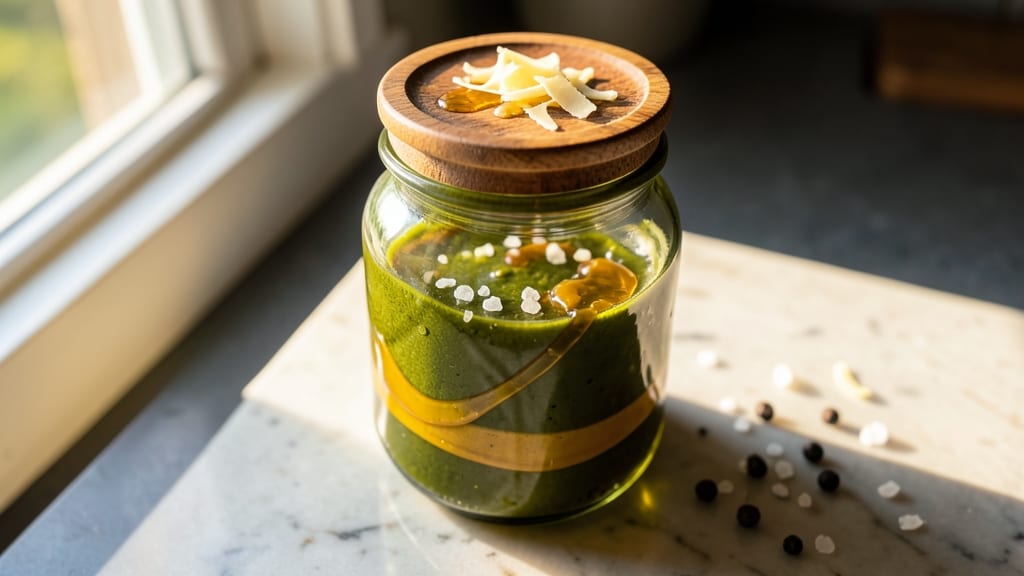
This apple cider vinegar and olive oil salad dressing recipe transforms ordinary greens into vibrant, tangy masterpieces with just five simple ingredients. The secret lies in balancing sharp apple cider vinegar with rich olive oil, creating a dressing that brightens any salad while adding depth.
I developed this formula after years of testing—it's the one I reach for when I want restaurant-quality flavor without the fuss.
The beauty of this dressing is its versatility—it works equally well on crisp arugula, hearty kale, or even as a marinade for grilled chicken. The ratio of 3 parts olive oil to 1 part vinegar creates the perfect balance, while a touch of Dijon mustard adds subtle thickness and complexity.
You can customize it further with honey for sweetness or fresh herbs for brightness, but the base recipe delivers exceptional flavor on its own.
What makes this dressing truly special is how it enhances rather than overpowers your ingredients. The tangy apple cider vinegar cuts through rich ingredients like avocado or creamy dressings, while the olive oil adds luxurious richness.
It stays fresh in the fridge for up to two weeks, making it perfect for meal prep. The result? A dressing that elevates simple salads to gourmet-level dishes with minimal effort.
Whether you're dressing a fresh spring salad, drizzling over roasted vegetables, or using it as a finishing touch for grilled proteins, this dressing brings a bright, tangy zing that makes every bite more vibrant. Let's get started on this foolproof recipe that will become your new kitchen staple.
Ingredients for apple cider vinegar and olive oil salad dressing
Five ingredients that turn simple greens into restaurant-quality salads every time.
| Ingredient | Amount | Notes |
|---|---|---|
| Extra-Virgin Olive Oil 🫒 | ¾ cup | High-quality, fruity variety |
| Apple Cider Vinegar 🍏 | ¼ cup | Raw, unfiltered preferred |
| Dijon Mustard 🌶️ | 1 tbsp | Mild or classic style |
| Raw Honey 🍯 | 1 tbsp | Optional for sweetness |
| Sea Salt 🧂 | ½ tsp | Fine grain preferred |
| Freshly Ground Black Pepper 🌶️ | ¼ tsp | Freshly cracked for best flavor |
The olive oil is where you want to splurge—California extra-virgin or Italian varieties add the most depth. I grab mine from Whole Foods or Trader Joe's since they carry smaller bottles perfect for dressings. Apple cider vinegar? Raw, unfiltered brands like Bragg or Maelin's give that extra tang. The Dijon mustard adds body without overpowering, and Amoy or Maille are my go-tos—anything labeled 'mild' works if you're sensitive to heat. Freshly ground pepper makes all the difference too, so don't skip the grinder if you've got whole peppercorns.
No honey? Maple syrup works 1:1—just know it'll be richer. Short on vinegar? Lemon juice at half the amount gives a similar brightness, though the apple cider's depth is unmatched. The mustard can be skipped if you prefer it completely tangy, but it's what makes this dressing cling to greens instead of pooling at the bottom. Olive oil substitutes? Avocado oil works in a pinch, though it lacks the fruity notes. If you're making a big batch, double the recipe—it keeps beautifully in the fridge.
This dressing stays fresh for 2 weeks in the fridge, though I usually use it up in 3-4 days. Store it in a clean glass jar with a tight lid—no need to refrigerate until after opening. For meal prep, I make a big batch on Sundays and portion it into small containers. The flavors actually improve after a day or two as everything melds together. If it separates, just give it a good shake before using—it's normal and doesn't affect the taste.
Why You'll Love This Recipe
- Five-Ingredient Magic: I swear by this combo—just swirl those five things together, and boom, flavor explosion. No measuring cups, no stress, no second-guessing. That Dijon mustard cuts through the richness of the olive oil while the honey and apple cider vinegar dance like they’ve been friends forever.
- Tangy-Sweet Balance: Honestly, the first time I tasted this, I nearly spilled my coffee. The sharpness of the apple cider vinegar and the golden honey create this perfect push-and-pull that makes every bite feel like a little celebration. Even my picky-eating nephew asks for seconds—(yes, even on a Tuesday night).
- Salad’s Best Friend: This dressing works harder than my morning coffee. Toss it with greens for a quick lunch, drizzle it over roasted veggies, or even use it as a marinade for grilled chicken. I keep a jar in my fridge at all times because, between us, it’s the reason my salads don’t get ignored.
- No-Waste Wonder: Here’s what sold me—this recipe actually lasts. A full week in the fridge, no weird textures, no sad leftovers. And because it’s just pantry staples, I’m not breaking the bank. Two dollars’ worth of ingredients stretch into meals that feel fancy without the effort.
Step-by-step instructions for apple cider vinegar and olive oil salad dressing
Here's how to whip up this bright, tangy dressing that'll make your salads sing.
Whisk the Wet Ingredients Together
In a medium bowl, combine the 0.75 cup extra-virgin olive oil and 0.25 cup apple cider vinegar. Start by pouring in the olive oil first, then slowly drizzle the vinegar while whisking continuously. This gradual approach prevents the vinegar from separating and creates a smooth emulsion right from the start.
Use a sturdy whisk and work in small circles at the bottom of the bowl to fully incorporate both liquids. You'll notice the mixture immediately begin to thicken slightly as the vinegar and oil start to bond. This is your base—keep whisking until it looks completely unified and glossy.
Add Dijon Mustard and Honey
Next, add the 1 tablespoon Dijon mustard and 1 tablespoon raw honey to the bowl. The mustard acts as an emulsifier, helping to bind the oil and vinegar together, while the honey adds a touch of sweetness that balances the tangy vinegar. Whisk everything together until fully combined and smooth.
Here's where it gets fun—the mixture should start to thicken noticeably as the mustard and honey integrate. Keep whisking for about 30 seconds until you see no more streaks of honey or mustard remaining. This step ensures your dressing will stay emulsified even after sitting in the fridge.
Season with Salt and Pepper
Finally, add the 0.5 teaspoon sea salt and 0.25 teaspoon freshly ground black pepper. Sprinkle them in while whisking continuously to distribute evenly. The salt enhances all the flavors, while the freshly cracked pepper adds a subtle kick that makes the dressing pop.
Taste the dressing at this point and adjust the seasoning if needed. If it needs more salt, add it a pinch at a time. If you want more tang, add a splash of apple cider vinegar. If it needs sweetness, stir in a tiny bit more honey. Remember, you can always tweak it to your taste.
Let It Rest and Emulsify
Transfer the dressing to a clean jar or airtight container. Let it sit at room temperature for 10-15 minutes before using. This resting period allows the ingredients to fully meld together, creating a perfectly balanced emulsion that won't separate in your salad bowl.
Give it a quick stir before using, and if you notice any separation, just whisk it vigorously for 10-15 seconds—it'll come back together like new. This dressing keeps well in the fridge for up to 2 weeks, making it perfect for meal prep. Just remember to give it a good shake before each use.
Pro Tips For Making Apple Cider Vinegar And Olive Oil Salad Dressing
- STIR GENTLY AFTER SALTING: Mix the Dijon mustard and honey first—this prevents the salt from immediately drawing out moisture and thinning the dressing prematurely. I used to add salt right to the oil, and the dressing would turn watery by the time I finished shaking.
- USE COLD OIL, COLD VINEGAR: Pull the olive oil from the fridge for 10 minutes before measuring—cold oil emulsifies better with vinegar and won’t separate as quickly. I learned this after making a batch where the dressing split within 20 minutes, no matter how hard I shook it.
- SALT THE MUSTARD FIRST: Work the sea salt into the Dijon mustard before adding any liquid—this ensures even distribution and prevents clumps. Skipping this step means you’ll end up with gritty bits in every bite, and no amount of shaking fixes that.
- MEASURE HONEY BY WEIGHT: Use a kitchen scale for the honey—1 tablespoon by volume varies wildly (some honey is thick, some is runny). I switched after my dressings tasted either cloyingly sweet or bland, depending on the batch. A precise 15 grams guarantees consistency.
Storing and reheating this apple cider vinegar and olive oil salad dressing
Fridge Storage Tips
Store your apple cider vinegar and olive oil dressing in a clean, airtight glass jar with a lid—this preserves freshness and prevents contamination. I always use amber or cobalt glass to block light, which can degrade the olive oil over time.
Keep it in the fridge at 40°F or below where it’ll stay fresh for up to 2 weeks. The glass container also lets me see when the dressing separates (which is normal), so I know to give it a good shake before using. 🧊
Freezing for Long-Term
While not ideal, you can freeze this dressing for up to 3 months if needed. Portion it into ice cube trays first—this makes it easy to thaw just what you need. Once frozen, transfer the cubes to a freezer-safe bag with all the air squeezed out to prevent freezer burn.
Thaw overnight in the fridge before shaking and using. The texture may thin slightly after freezing, so I add a splash of apple cider vinegar to restore balance. ❄️
Reheating and Reviving
If your dressing separates in the fridge, don’t worry—it’s easily fixable! Just whisk vigorously for 15-20 seconds until fully emulsified again. For a quick flavor boost after refrigeration, add 1 extra teaspoon of Dijon mustard per ½ cup of dressing to help re-stabilize the emulsion.
If it tastes dull, a pinch of freshly ground black pepper or a drizzle of raw honey can revive it instantly. I’ve even microwaved a small portion for 10 seconds to warm it up before drizzling—works great on cold winter salads! 🔥
Portioning for Meal Prep
Divide your dressing into small glass jars (like 4-ounce mason jars) before storing to make meal prep effortless. This way, you only take out what you need, reducing waste and keeping the rest fresh longer.
I label each jar with the date and store them in the fridge door for easy access. For salads on-the-go, transfer a portion to a small squeeze bottle—it dispenses perfectly without making a mess.
The key is to use within 1 week for peak flavor, though it’s safe for up to 2 weeks. 📅
Reviving Stale Dressing
If your dressing tastes flat after sitting too long, don’t toss it! Add 1 teaspoon of fresh lemon juice or a splash of apple cider vinegar to perk it up. A pinch of sea salt or a sprinkle of fresh herbs (like parsley or dill) can also refresh the flavor.
For a richer texture, stir in 1 tablespoon of olive oil—this restores the balance and makes it taste like new. I’ve saved many a dressing this way, especially when I’ve made a big batch for the week. 💡
Nutrition facts
Frequently asked questions
Can I use regular vinegar instead of apple cider vinegar?
While you can substitute white or balsamic vinegar, apple cider vinegar's unique fruity depth makes this dressing special. For a similar tang, use lemon juice (half the amount) or white wine vinegar, but the flavor won't be identical. The raw, unfiltered quality of apple cider vinegar adds complexity that other vinegars can't match.
Why did my dressing separate in the fridge?
Separation is completely normal! The oil and vinegar naturally separate when cold, but it's easily fixed. Just whisk vigorously for 15-20 seconds before using—it'll re-emulsify perfectly. To prevent future separation, add ½ teaspoon more Dijon mustard when making a new batch, as it acts as a natural emulsifier.
What are the best greens to pair with this dressing?
This dressing shines on arugula, spinach, romaine, and kale—its tangy brightness cuts through bitter greens beautifully. It also works wonderfully on mixed greens salads, grain bowls, or as a marinade for grilled chicken or fish. For extra flavor, try adding toasted nuts or dried cranberries to your salad.
Can I make this dressing without honey?
Skip the honey for a more tart dressing, or substitute maple syrup (1:1 ratio) for a richer sweetness. If you prefer it completely savory, omit both—just adjust the salt to taste. The mustard and vinegar will still create a perfectly balanced dressing without any sweetener.
How much dressing should I make for a family of 4?
This recipe makes about 1 cup, which is perfect for 4 servings on a fresh salad. For a hearty meal with sides, double the recipe—it keeps well in the fridge for 2 weeks. If you're using it as a marinade, ½ cup is plenty for 1-2 pounds of protein like chicken or fish.