
Sauces & Condiments
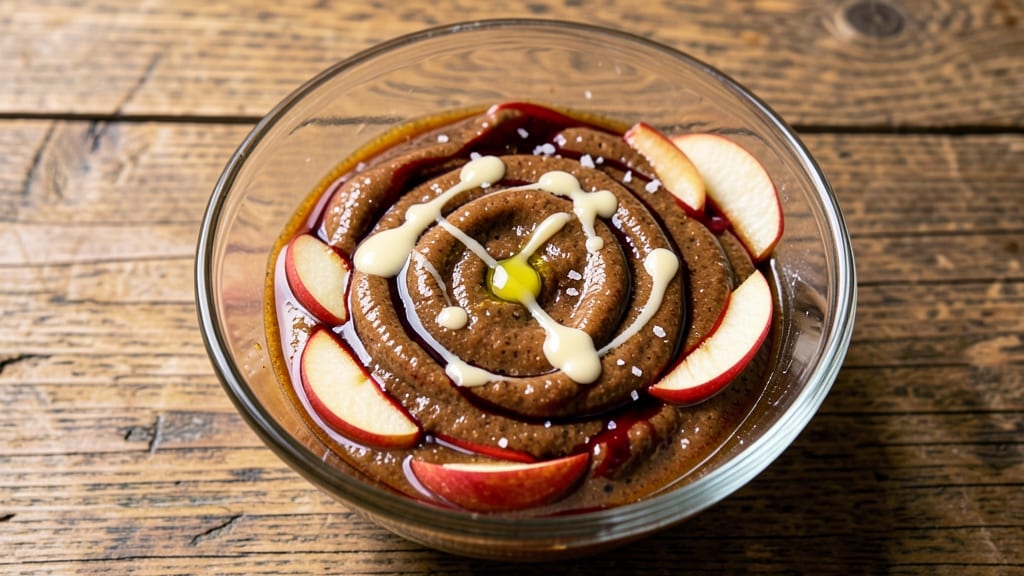
This apple balsamic vinaigrette dressing transforms ordinary salads into vibrant, flavor-packed meals with just five ingredients. The perfect balance of sweet apple cider and tangy balsamic creates a dressing that clings beautifully to greens while adding depth to roasted vegetables or grilled proteins.
The secret lies in the emulsification—whisking the ingredients together until they form a silky, cohesive dressing that won’t separate. No special equipment is needed, just a whisk and a few minutes of your time.
This recipe yields about 1 cup, enough to generously coat a large salad or drizzle over warm dishes.
What makes this dressing truly special is its versatility. Use it on crisp arugula with pears and walnuts, toss it with roasted Brussels sprouts, or drizzle it over grilled chicken for a bright, balanced finish.
The flavors develop even more after resting in the fridge, making it ideal for meal prep.
Store it in an airtight container for up to 5 days, shaking gently before each use. For best results, let the dressing sit at room temperature for 10 minutes before serving—this allows the flavors to meld and the texture to smooth out perfectly.
Ingredients for apple balsamic vinaigrette dressing
Five simple ingredients create a dressing that elevates salads from ordinary to extraordinary.
| Ingredient | Amount | Notes |
|---|---|---|
| Apple Cider Vinegar 🍎 | ¼ cup | Raw, unfiltered preferred |
| Extra-Virgin Olive Oil 🫒 | ½ cup | High-quality, fruity variety |
| Balsamic Vinegar 🍷 | ¼ cup | Aged, thick consistency |
| Pure Maple Syrup 🍁 | 1 tbsp | Grade B for depth of flavor |
| Dijon Mustard 🌶️ | 1 tsp | Mild or medium heat |
| Sea Salt 🧂 | ½ tsp | Fine grain preferred |
| Freshly Ground Black Pepper 🌶️ | ¼ tsp | Freshly cracked for intensity |
| Fresh Lemon Juice 🍋 | 1 tbsp | Freshly squeezed |
The apple cider vinegar and balsamic vinegar are the flavor anchors here. Trader Joe's and Whole Foods carry excellent raw apple cider vinegar—look for unfiltered, cloudy varieties for that authentic tang. For balsamic, aged balsamic vinegar (not the sweetened kind) makes all the difference. The maple syrup should be Grade B if you can find it—it has a richer, more complex flavor than Grade A. If you're using a lighter Grade A, add an extra half teaspoon to compensate. The Dijon mustard acts as an emulsifier, so don't skip it—it's what keeps this dressing silky and cohesive.
No apple cider vinegar? White vinegar or rice vinegar works in a pinch, though the flavor will be less complex. Swapping balsamic for red wine vinegar cuts the sweetness—balance it with an extra half teaspoon of maple syrup. If you're avoiding mustard, 1/4 teaspoon of xanthan gum can help with emulsification, though the texture won't be as smooth. For a more intense flavor, add 1/4 teaspoon of minced shallot or garlic—just be sure to whisk it in well. The lemon juice can be omitted if you're sensitive to acidity, but it brightens the whole dressing.
This dressing keeps beautifully in an airtight container in the fridge for 5-7 days. Shake gently before each use—the ingredients naturally separate, but whisking restores that silky texture. For meal prep, make a double batch and store in two smaller containers—this way, you only need to shake out what you'll use immediately. The flavors actually improve after resting for a few hours, so if you can, let it sit at room temperature for 10-15 minutes before serving. It's perfect for drizzling over roasted vegetables, grilled proteins, or tossing with fresh greens.
Why You'll Love This Recipe
- Five-Ingredient Magic: I swear, this dressing comes together while you’re still debating what to eat for lunch. Just shake those pantry staples—apple cider vinegar, olive oil, balsamic, maple syrup, and Dijon—and boom. No straining, no fuss, no waiting for anything to cool. Honestly, the only thing taking longer is deciding whether to drizzle it on tonight’s salad or save it for tomorrow’s chicken.
- Sweet-Tart Balance: That first bite of crisp apple and tangy balsamic? It’s like autumn in a jar. The maple syrup softens the sharpness just enough to make your taste buds do a happy dance, while the Dijon adds this little kick that keeps it interesting. I’ll be real: this isn’t just dressing—it’s the reason I actually eat salads now.
- Works Everywhere: Breakfast? Toss it on avocado toast. Lunch? Elevate your grain bowl. Dinner? Drizzle it over roasted veggies or seared steak. Even my picky teenager asked for seconds on his charcuterie board. Between us, I’ve used this in at least three meals this week without repeating a single dish. That’s versatility you can taste.
- Make-Once, Use-Twice: This stuff keeps for ages in the fridge—like, at least a week—so you’re never scrambling to make last-minute dressing. And because it’s so cheap to make (I’m talking pennies per serving), you’ll want to stock up. Pro tip: Double the batch and stash it in the fridge for when you forget to meal prep. (Yes, even on a Tuesday night.)
Step-by-step instructions for apple balsamic vinaigrette dressing
This method delivers a perfectly balanced dressing every time—bright, tangy, and sweet with just the right body.
Whisk Together the Acidic Base
In a medium bowl, combine the 0.25 cup apple cider vinegar and 0.25 cup balsamic vinegar. These acids form the dressing's backbone, delivering that signature tang. I like to use raw, unfiltered apple cider vinegar for its complex flavor profile and aged balsamic for its rich, caramel notes.
Add the 1 tbsp fresh lemon juice and 1 tbsp pure maple syrup to the vinegar mixture. The lemon juice brightens the flavors while the maple syrup adds subtle sweetness that balances the acidity. Whisk vigorously for 30 seconds until these ingredients are fully incorporated and the mixture appears homogenous.
Emulsify with Dijon Mustard
To the vinegar mixture, add the 1 tsp Dijon mustard. The mustard acts as an emulsifier, helping the oil blend smoothly with the acidic components. This step is crucial—without it, your dressing might separate later. Use a whisk and work quickly to combine everything thoroughly.
Whisk continuously for 1 minute until the mustard is completely dissolved and the mixture begins to thicken slightly. You'll notice the texture change from watery to a slightly thicker consistency. This is your signal that the emulsifier is working properly.
Gradually Incorporate the Olive Oil
With the whisk still in the bowl, slowly drizzle in the 0.5 cup extra-virgin olive oil while whisking constantly. The key here is patience—adding the oil too quickly can cause the dressing to separate. I like to pour in a steady stream while maintaining a brisk whisking motion.
Continue whisking for another 2-3 minutes until the dressing reaches your desired consistency. It should coat the back of a spoon but still be pourable. If it's too thick, add 1-2 teaspoons of water to loosen it. The olive oil should be fully incorporated, creating a silky, velvety texture.
Season and Adjust the Balance
Add the 0.5 tsp sea salt and 0.25 tsp freshly ground black pepper to the dressing. The salt enhances all the flavors while the pepper adds a subtle heat that complements the sweet and tangy notes. Taste the dressing immediately—this is your quality control moment.
At this stage, you might find the balance needs adjustment. If it tastes too sweet, add a splash more of the vinegar mixture. If it needs more acidity, add another teaspoon of lemon juice. The dressing should have a bright tang with just a touch of sweetness—like biting into a crisp apple with a hint of caramel.
Rest and Test Before Serving
Transfer the dressing to a clean jar or airtight container. Let it rest at room temperature for 10-15 minutes. This resting period allows the flavors to meld completely and ensures the emulsification is stable. Give it a final whisk before using.
The dressing should now be perfectly balanced—bright from the vinegars, sweet from the maple syrup, and rich from the olive oil. It should coat greens beautifully without overpowering their natural flavors. This versatile dressing works equally well on mixed greens, roasted vegetables, or grilled meats.
Pro Tips For Making Apple Balsamic Vinaigrette Dressing
- Whisk in stages: Start by mixing the vinegars, mustard, and maple syrup—this keeps the dressing from splitting when you add the oil later. I used to dump everything in at once and end up with a greasy, separated mess. Slow and steady wins here.
- Use aged balsamic: Skip the cheap stuff—aged balsamic vinegar (look for "aceto balsamico di Modena") adds depth that regular balsamic can’t match. I learned this after making the same recipe twice with store-brand vinegar and wondering why it tasted flat.
- Measure oil by volume: Eyeballing olive oil leads to imbalance—stick to a 3:1 oil-to-vinegar ratio (about 3 tablespoons oil per 1 tablespoon vinegar mix). Too much oil makes it heavy; too little drowns the flavor. Grab a measuring spoon if you’re unsure.
- Shake before using: Even well-made dressings separate over time. Give it a quick shake or stir right before tossing it with your salad—no one wants a clumpy mess. (Yes, even if you just made it.)
Perfect pairings for this dish
Salad Pairings
This dressing shines on mixed greens—try it with arugula, spinach, and romaine tossed with toasted walnuts and thinly sliced pears. The apple notes complement the fruit beautifully while the balsamic adds depth.
For a heartier salad, add roasted butternut squash and crumbled goat cheese—the sweetness of the squash mirrors the maple syrup in the dressing. 🥗
For a winter salad, combine kale, Brussels sprouts, and shredded cabbage with pomegranate seeds for crunch. The dressing's tang cuts through the richness of roasted Brussels sprouts perfectly. I often serve this with grilled chicken or seared salmon for a complete meal.
Roasted Vegetables
Drizzle this dressing over warm roasted vegetables like carrots, beets, and sweet potatoes for an instant flavor boost. The natural sweetness of the roasted veggies pairs beautifully with the dressing's acidity. Toss halved baby potatoes with the dressing before roasting for extra flavor infusion.
For a Mediterranean twist, roast zucchini, eggplant, and cherry tomatoes with the dressing. The apple and balsamic notes create a harmonious balance with the earthy flavors of the vegetables. Serve with grilled halloumi or marinated artichokes for a complete dish.
Grilled Proteins
Use this dressing as a marinade or finishing sauce for grilled proteins. Brush it onto chicken breasts or pork chops before grilling for a sticky, flavorful crust. The sweet-tangy profile complements grilled shrimp or salmon perfectly—just drizzle it on after cooking.
For a weeknight dinner, grill sliced steak or kebabs, then toss with the dressing and quick-pickled onions. The acidity in the dressing cuts through the richness of the meat, creating a balanced bite.
I love serving this with warm crusty bread to soak up any extra dressing. 🍗
Breakfast Twists
Don’t limit this dressing to savory meals! Drizzle it over avocado toast with a sprinkle of flaky sea salt and everything bagel seasoning for a gourmet breakfast. The apple and balsamic notes add a surprising depth to the creamy avocado. 🥑
For a sweet-savory balance, toss the dressing with Greek yogurt and use it as a dip for fruit slices like apples, pears, or berries. The tangy-sweet combo makes for a refreshing snack or dessert topping. It’s a great way to use up extra dressing without waste!
Global Flavor Mashups
Transform this dressing into a Thai-inspired dip by adding 1 tsp fish sauce and ½ tsp lime zest. Serve with spring rolls or fresh veggie sticks for an Asian-inspired appetizer. The apple and balsamic add a unique twist to traditional flavors. 🌏
For a Mexican-inspired twist, stir in ½ tsp ground cumin and a pinch of smoked paprika. Use it as a dressing for black bean salads or corn salsa—the sweetness balances the smoky, spicy notes perfectly. Garnish with cilantro for freshness.
Nutrition facts
Frequently asked questions
Can I make this dressing without Dijon mustard?
Yes, but the texture might separate more easily. For a mustard-free version, use 1/4 teaspoon xanthan gum or 1/2 teaspoon honey** as an emulsifier. Whisk vigorously and store in the fridge to maintain consistency. The flavor will be slightly less tangy, but still delicious!
How do I fix a dressing that separated?
Simply whisk it vigorously for 1-2 minutes until smooth. If it's still stubborn, add 1 teaspoon of warm water and whisk again. The mustard helps stabilize, but gentle shaking before each use prevents separation. Store in a clean, dry jar to reduce chances of this happening.
What's the best way to store leftover dressing?
Keep it in an airtight container in the fridge for up to 5-7 days. Shake gently before each use—the ingredients naturally separate but whisk back together easily. For longer storage, transfer to a sterilized bottle and refrigerate. The flavors actually improve after resting overnight!
Can I substitute apple cider vinegar?
Use white vinegar or rice vinegar in equal amounts, but expect a milder apple flavor. For depth, add 1/4 teaspoon apple pie spice or a pinch of cinnamon. The dressing will still taste great, just with a different profile.
Is this dressing vegan?
Yes, this recipe is completely plant-based! All ingredients—apple cider vinegar, olive oil, balsamic vinegar, maple syrup, Dijon mustard (check for vegan brands), and lemon juice—are vegan-friendly. Always verify your mustard label if you're avoiding animal products.