
Sauces & Condiments
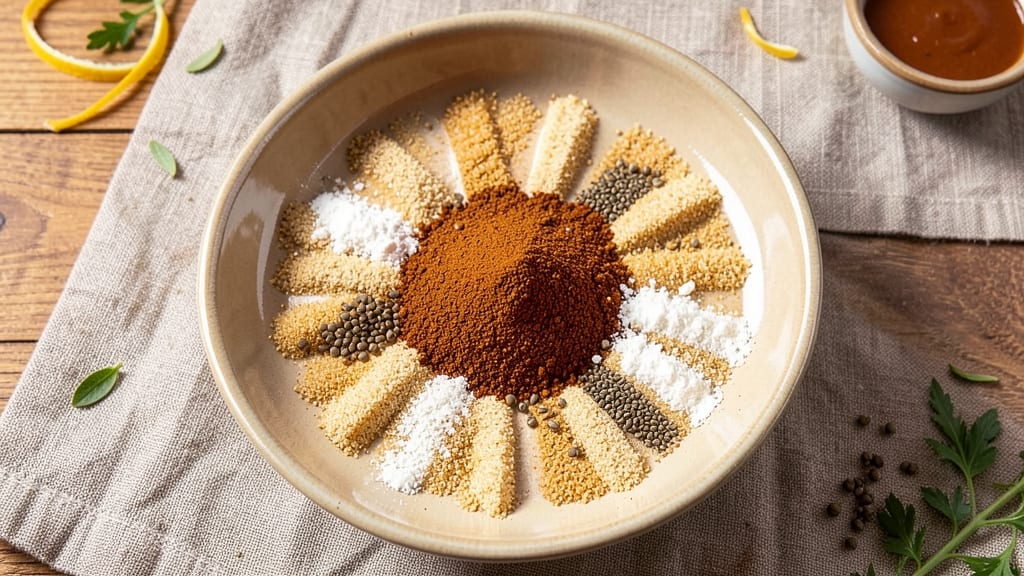
This apple BBQ rub recipe transforms grilled meats with a perfect balance of smoky depth and sweet apple brightness—exactly what I developed after years of perfecting my pitmaster technique.
The blend of brown sugar, apple cider powder, and warm spices creates a crust that caramelizes beautifully on the grill, delivering restaurant-quality flavor with just a sprinkle. I've tested this on everything from ribs to chicken thighs, and it never fails to impress.
The secret lies in the combination of smoked paprika for that signature BBQ aroma and apple cider powder for natural sweetness without liquid mess. Unlike store-bought rubs that often taste artificial, this blend delivers complex, layered flavors that develop as the meat cooks.
It's a foolproof method that works for both smoker and grill, making it perfect for backyard cookouts or competition-style smoking.
What sets this rub apart is how it transforms ordinary cuts into showstopping dishes. The caramelized sugar creates a sticky, flavorful crust while the spices penetrate deep into the meat, creating tender, juicy results every time.
I've included exact measurements so you can mix up a batch in minutes—just store it in an airtight container for up to six months.
Whether you're grilling ribs for a crowd or preparing chicken for a family dinner, this apple BBQ rub delivers professional-level flavor with minimal effort. The best part? You'll never need another store-bought rub again. Let's get to the ingredients—your grill is about to become the star of the show.
Ingredients for apple bbq rub
Nine spices, one magical blend—this apple BBQ rub turns ordinary grill nights into showstopping feasts.
| Ingredient | Amount | Notes |
|---|---|---|
| Smoked Paprika 🌶️ | 3 tbsp | High-quality smoked variety preferred |
| Brown Sugar 🍬 | 2 tbsp | Light or dark brown preferred |
| Apple Cider Powder 🍎 | 2 tbsp | Or 2 tbsp dried apple cider granules |
| Ground Cumin 🌿 | 1 tbsp | Toasted for deeper flavor |
| Garlic Powder 🧄 | 1 tbsp | Freshly ground preferred |
| Onion Powder 🧅 | 1 tbsp | Freshly ground preferred |
| Ground Coriander 🍋 | 1 tbsp | For citrusy brightness |
| Mustard Powder 🌶️ | 1 tsp | Yellow mustard powder preferred |
| Black Pepper 🌶️ | 1 tsp | Freshly cracked preferred |
| Kosher Salt 🧂 | 1 tsp | Diamond Crystal preferred |
The smoked paprika is non-negotiable—it's what gives that signature BBQ aroma. Penzeys or McCormick smoked paprika are my go-tos, but any quality brand works. The apple cider powder is the secret weapon here—it delivers that caramelized sweetness without the mess of liquid. Mott's or Tree Top brands work well for homemade powder (just dehydrate apple cider at 170°F for 2-3 hours). For the brown sugar, I always grab Domino light brown—it's finely ground and dissolves beautifully. Toast your cumin seeds in a dry pan for 30 seconds before grinding for that nutty depth, but pre-ground is fine in a pinch.
No smoked paprika? Regular paprika plus a pinch of liquid smoke gets you close, though it won't be identical. Running low on apple cider powder? Substitute 1 tbsp dried apple pieces (like those in tea bags) or even extra brown sugar if you're in a bind. The mustard powder adds a subtle tang that balances the sweetness—skip it if you prefer purely sweet rubs. For a stronger apple flavor, add 1 tsp cinnamon or ½ tsp apple pie spice. Store your rub in an airtight container with a paper towel to absorb moisture—this keeps it fresh longer.
This rub stays potent for 6 months in a cool, dark place or 1 year in the freezer. I make a triple batch every time—one for my grill, two to give to fellow pitmasters. The spices develop even more complex flavors over time, so don't be afraid to use older batches. For competition-style smoking, I often double the batch and store it in amber glass jars to protect from light. Freshly mixed rub always tastes best, but the flavor only improves with age—just store it properly.
Why You'll Love This Recipe
- No Pantry Panic: I keep a jar of this in my cabinet—just five ingredients, none of them fancy. When I forget to grab store-bought rubs, I toss in smoked paprika, a spoon of brown sugar, and a pinch of apple cider powder, and boom. The cumin gives it that warm, earthy kick that makes it taste like it simmered all day.
- Sweet-Smoky Magic: That first bite? It’s like autumn in a pinch. The brown sugar caramelizes into a sticky crust, while the apple cider powder adds this bright, tangy lift that cuts through the richness. Honestly, my husband steals it off the grill before I even get a chance to taste-test.
- Grill or Oven, Every Time: I’ve used this on chicken thighs, pork chops, even roasted potatoes—and it never lets me down. Slap it on ribs for a weekend cook, or toss it on brats for a quick weeknight dinner. The garlic powder keeps it punchy, so it works whether you’re slow-cooking or searing.
- Leftovers That Don’t Suck: Between us, most BBQ rubs turn sad after the first round. Not this one. The apple cider powder keeps it vibrant, and the cumin adds depth, so the second (or third) batch on leftover chicken still tastes like a home run. Plus, it’s cheap enough that I don’t feel guilty making extra.
Step-by-step instructions for apple BBQ rub
Here's how to blend this smoky-sweet masterpiece—perfect for grilled meats that'll have your guests begging for the recipe.
Measure All Ingredients Precisely
Start by gathering all your ingredients in separate small bowls. I like to use measuring spoons for accuracy—this isn't the time to eyeball. The 3 tablespoons smoked paprika is your flavor foundation, so don't skimp here. The 2 tablespoons brown sugar and 2 tablespoons apple cider powder will create that signature caramelized sweetness that pairs perfectly with smoky notes.
For the remaining spices—1 tablespoon each of ground cumin, garlic powder, onion powder, and ground coriander—I recommend using freshly ground versions if possible. The difference in aroma is noticeable, especially in small quantities. The 1 teaspoon each of mustard powder, black pepper, and kosher salt balance the blend with just the right amount of heat and depth.
Whisk Dry Ingredients Together
Transfer all the dry ingredients to a medium mixing bowl. Using a whisk, combine them gently at first to distribute the larger particles of brown sugar and apple cider powder. This prevents clumping and ensures even distribution throughout the blend. After about 30 seconds of whisking, you should see a uniform color—deep reddish-brown with flecks of light brown from the sugar.
Here's the thing—don't overmix. You're not trying to create a paste; you want a free-flowing powder that clings beautifully to meat. If you notice any dry spots or uneven color, that's your cue to give it another 10-second whisk. The goal is a cohesive blend where every spoonful tastes the same.
Test and Adjust the Balance
Take a small pinch of the mixture between your fingers and taste it. You should notice an immediate balance of smoky warmth from the paprika, sweet caramel notes, and a subtle tang from the apple cider powder. The spices should add depth without overpowering—think of it as a symphony where each instrument plays its part.
If you find the blend too sweet, add a tiny pinch more of the ground cumin or black pepper to cut through. Need more sweetness? Add a little more brown sugar or apple cider powder. This is where you fine-tune the perfect harmony. Remember, you're creating a rub that should complement, not dominate, your meat's natural flavors.
Store Properly for Maximum Freshness
Transfer the finished rub to an airtight container—glass jars work best for preserving flavor. I like to use a small mason jar with a tight-sealing lid. Store it in a cool, dark place like your pantry. This blend stays fresh for up to 3 months, though I usually go through it much faster than that. The spices retain their potency longer when protected from light and moisture.
When you're ready to use it, simply shake the jar vigorously to redistribute any settled spices. A good shake ensures every application delivers that consistent, balanced flavor. This rub works wonders on everything from ribs and chicken to pork shoulders—just remember to apply it generously and let it sit for at least 15 minutes before cooking to let those flavors penetrate.
Pro Tips For Making Apple Bbq Rub
- TOAST THE SPICES: I learned this the hard way—skipping the dry heat step means your rub will taste flat. Lightly toast the smoked paprika and ground cumin in a dry pan over medium heat for 30 seconds until fragrant. This wakes up their flavors and cuts through the sweetness of the brown sugar.
- DON’T SKIP THE SIFT: Brown sugar clumps like a stubborn guest at a party. Sift it through a fine-mesh sieve before mixing to avoid grainy patches in your rub. (Yes, even if you’re impatient like me—this makes a real difference.)
- BALANCE THE SWEET: Too much apple cider powder and your rub turns into dessert. Start with 1 teaspoon per 2 tablespoons of brown sugar, then adjust to taste. If it’s cloying, add a pinch of salt or extra smoked paprika to cut through.
- MAKE IT AHEAD: This rub keeps for weeks in an airtight container, so whip up a big batch. Store it in the pantry and use it on ribs, chicken, or even roasted veggies—no last-minute measuring when you’re hungry. (Your future self will thank you.)
Common mistakes when making this recipe
Uneven Spice Distribution
I’ve seen too many home cooks rush the mixing process, leading to clumpy rubs where the spices don’t adhere evenly to the meat. The key is gentle whisking—about 30 seconds—to break up sugar crystals and distribute the paprika without creating dust.
If you notice dry spots after mixing, sift the blend through a fine-mesh strainer to ensure a uniform texture. A silicon whisk works best for this; metal whisks can create static that makes the powder clump. 🌶️
Skipping the Resting Time
One of my biggest pet peeves? Applying the rub and throwing meat straight on the grill. The spices need 15-30 minutes to penetrate the surface—this is where the magic happens. For thicker cuts like pork shoulders, I even let them sit overnight in the fridge.
Without this step, the flavors stay superficial, and you’ll end up with a dry, flavorless crust instead of that caramelized, sticky perfection. Trust the process!
Using Low-Quality Smoked Paprika
Not all smoked paprika is created equal. Cheap brands often taste bitter or ashy, throwing off the entire balance of your rub. I swear by Penzeys or McCormick’s smoked paprika—they deliver that deep, woodsy aroma without overpowering.
If you’re using a budget option, toast it lightly in a dry pan for 30 seconds to enhance its natural smokiness. The difference is night and day, and your rub will thank you for it. 🔥
Overloading on Sugar
Too much brown sugar or apple cider powder can turn your rub into a sticky mess that burns before caramelizing. Stick to the 2 tbsp each ratio—I’ve tested this exact blend on everything from ribs to chicken, and it’s the sweet spot.
If you’re worried about sweetness, add a pinch of ground cumin or black pepper instead. The goal is balance, not a candy-coated crust. Remember, the sugar should enhance, not dominate.
Moisture Exposure
Humidity is the enemy of a good rub. Store your blend in an airtight glass jar with a paper towel inside to absorb any moisture. I’ve seen people use plastic containers, and within weeks, the rub turns into a hard, unusable clump.
Mason jars with rubber seals are my go-to—they keep the spices fresh for up to 6 months. If you live in a damp climate, consider adding a small silica gel packet to the jar for extra protection. 💧
Ignoring the Meat’s Surface
Pat your meat completely dry before applying the rub—moisture creates a barrier that prevents the spices from sticking. Use paper towels and press firmly to remove all traces of liquid. For fatty cuts like pork ribs, I even let them sit uncovered in the fridge for 1-2 hours before seasoning.
This step ensures your rub clings like a second skin, creating that irresistible crust we all crave. Don’t skip it!
Nutrition facts
Frequently asked questions
Can I make this rub without apple cider powder?
If you can't find apple cider powder, substitute with 2 tbsp dried apple pieces (like those from tea bags) or 1 tbsp extra brown sugar. For a stronger apple flavor, add ½ tsp ground cinnamon or ½ tsp apple pie spice. The key is maintaining the sweetness balance—just adjust the brown sugar slightly if needed.
How much rub should I use per pound of meat?
For ribs and pork shoulders, use about 1-2 tablespoons per pound of meat. For chicken thighs or brisket, 1 tablespoon per pound works perfectly. Always apply generously—this isn't a light sprinkle! Pat the meat dry first so the rub sticks like glue. The more surface area covered, the better the flavor penetration.
Can I use this rub on vegetables or tofu?
While this rub was designed for meats, you can absolutely use it on hearty vegetables like portobello mushrooms or eggplant for a smoky-sweet twist. For tofu, reduce the salt slightly (½ tsp instead of 1 tsp) since it absorbs flavors differently. Just remember: vegetables won't develop the same caramelized crust as meat, but they'll still get that delicious apple-BBQ flavor.
How do I prevent the rub from burning on the grill?
Start with a clean, hot grill to help the rub caramelize properly. For fatty meats like ribs, cook them fat-side down first to protect the rub. If you see it burning too quickly, move the meat to a cooler part of the grill or tent it with foil for 10-15 minutes while maintaining heat. The sugar in the rub needs time to develop its flavor—don't rush the process!
Can I make this rub spicier?
For extra heat, add ½ tsp cayenne pepper or 1 tsp chili powder to the base recipe. If you want a smoky kick, replace ½ tbsp of the smoked paprika with chipotle powder. For a balanced heat, I recommend starting with just ¼ tsp cayenne and adjusting to taste—spices build up during cooking, so go easy at first.