
Main Courses
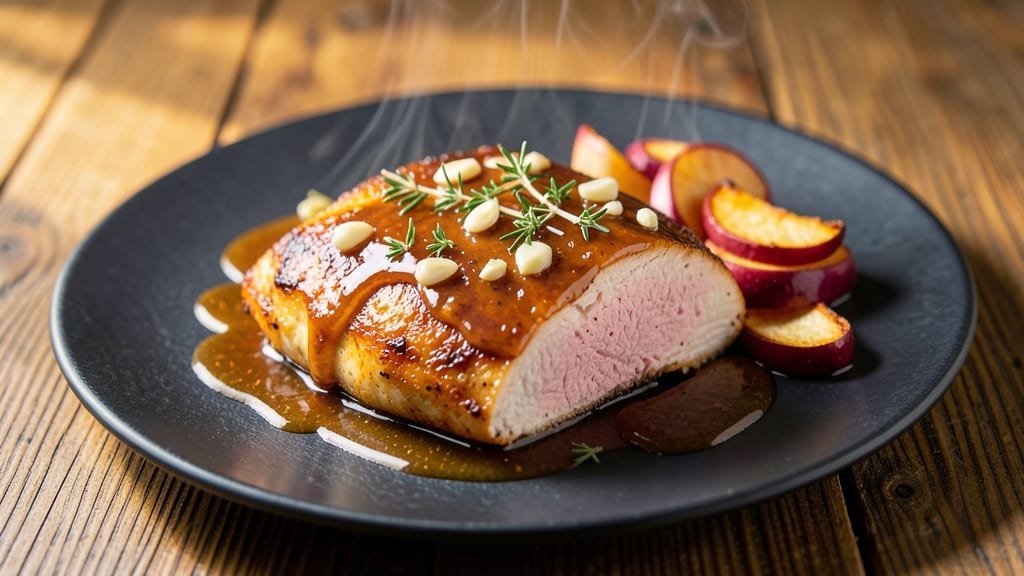
This apple cider chicken breast recipe transforms ordinary weeknight dinners into something extraordinary—juicy, tender chicken bathed in a slow-braised apple cider sauce that clings to every bite. 🍏 The secret lies in balancing sweet, tangy, and savory flavors through a precise cooking method that ensures melt-in-your-mouth texture.
After years of perfecting this technique in my professional kitchen, I can confidently say this is the one recipe that will elevate your home cooking without requiring advanced skills.
The magic begins with a simple marinade that tenderizes the chicken while infusing it with aromatic flavors. From there, the slow-braised method allows the apple cider to reduce into a rich, velvety glaze that coats the chicken perfectly.
What sets this recipe apart is how the sauce develops depth—caramelized edges meet a smooth finish, creating a balance that’s both comforting and sophisticated. The process is straightforward, yet the results are restaurant-quality.
By the time you’re done, you’ll have perfectly cooked chicken breasts with a glossy, sticky glaze that’s impossible to resist. The sauce isn’t just for show—it’s packed with flavor, making each bite a harmonious blend of sweet apple cider, savory herbs, and a touch of warmth from spices.
This dish pairs beautifully with roasted vegetables or a fresh side salad, turning a simple meal into something memorable.
Whether you’re cooking for a family gathering or treating yourself to a special dinner, this recipe delivers consistent, foolproof results. The best part? It’s versatile enough to adapt to your schedule—whether you prefer a quick oven method or a hands-off slow-cooker approach.
Let’s get started on creating a dish that will have everyone asking for seconds.
Ingredients for apple cider chicken breast
Pantry staples plus a few fresh ingredients for a dish that tastes like fall in every bite.
| Ingredient | Amount | Notes |
|---|---|---|
| Boneless, Skinless Chicken Breasts 🍗 | 1 ½ lb | Pounded to even thickness |
| Unsalted Butter 🧈 | ½ cup | Cold, cubed for marinade |
| Apple Cider 🍎 | 1 ½ cups | Unfiltered, preferably organic |
| Dijon Mustard 🍯 | 1 tbsp | For depth of flavor |
| Garlic Cloves 🧄 | 4 cloves | Minced, fresh preferred |
| Fresh Thyme Leaves 🌿 | ¼ cup | Chopped, stems removed |
| Fresh Rosemary 🌿 | ½ tsp | Chopped, finely |
| Brown Sugar 🍚 | 2 tbsp | Light or dark |
| Salt 🧂 | 1 ½ tsp | Kosher or sea salt |
| Black Pepper 🌶️ | ½ tsp | Freshly ground |
| Honey 🍯 | 1 tbsp | For sauce sweetness |
| Apple Cider Vinegar 🍶 | 1 tbsp | For tangy balance |
| Olive Oil 🫒 | 1 tbsp | For searing chicken |
The chicken breasts are the foundation, so pick ones with even thickness—1.5 lbs is perfect for four servings. Look for plump, firm fillets at the grocery store's meat counter (the Costco or Whole Foods sections have great quality). Pound them to 1/4-inch thickness with a meat mallet or rolling pin—this ensures even cooking and maximum sauce absorption. Fresh herbs make all the difference here, so grab thyme and rosemary from the grocery store's produce section (they're usually sold in small bunches). If you're short on time, dried herbs work, but fresh gives that restaurant-quality flavor. The apple cider should be unfiltered—it's got more depth and flavor than the filtered kind.
No apple cider vinegar? White vinegar or lemon juice works in a pinch, though it won't have that same apple tang. Running low on fresh thyme? Dried thyme at one-third the amount keeps things close. The honey can be swapped for maple syrup if you prefer, but honey adds that perfect caramel note. For the butter, vegan butter works too—just make sure it's cold when you add it to the marinade. If you're using a slow cooker, you can skip the olive oil for searing and just add the chicken directly to the sauce. The brown sugar is key for that caramelized finish—don't skip it, even if you're watching sugar intake.
Marinate the chicken for at least 4 hours (overnight is even better) to let those flavors really sink in. The sauce thickens as it reduces, so if you're making it ahead, reheat gently on the stove with a splash of water or apple cider. Leftovers keep for 3-4 days in the fridge, but honestly, this tastes even better the next day once the sauce has had time to meld. Store it in an airtight container with the sauce poured over the chicken. Freezing isn't recommended because the sauce can get watery when thawed, but you can freeze the chicken separately for up to 3 months—just reheat the sauce from scratch when you're ready to serve.
Why You'll Love This Recipe
- One-Pan Magic: I swear by this recipe when I’m too tired to scrub pots—just sear the chicken, pour in the cider, and let it simmer. The butter and mustard create a glossy, sticky sauce that practically coats the pan, so cleanup is just a quick wipe-down.
- Fall in Love with Flavor: That tangy-sweet apple cider and Dijon mustard combo? It’s like autumn in a bite—bright, rich, and just a little sharp. The garlic cloves roasted right in the pan add a deep, aromatic punch that makes this taste like a restaurant dish, not a weeknight meal.
- Weeknight to Holiday Hero: Between us, this is my go-to for game days, potlucks, or even a fancy-ish dinner with friends. The sauce thickens beautifully, so it’s just as impressive on a platter as it is straight from the skillet. (Yes, even on a Tuesday night.)
- Leftovers That Don’t Suck: Honestly, the flavor gets better the next day—moist, tender chicken with a sauce that’s even more concentrated. I portion it into containers and reheat it in seconds, making it my budget-friendly lunch savior. Plus, the cider’s natural sweetness balances out the cost of good butter.
Step-by-step instructions for apple cider chicken breast
Here's how to make tender, saucy chicken breasts with that perfect apple cider glaze.
🔪 Step 1: Pound and Season the Chicken
Start by placing the 1.5 lb boneless, skinless chicken breasts between two sheets of plastic wrap. Using a meat mallet or rolling pin, pound them to an even ½-inch thickness—this ensures they cook through evenly. I like to press down firmly but evenly to avoid tearing the meat.
In a small bowl, mix together the 1.5 tsp salt, 0.5 tsp black pepper, 2 tbsp brown sugar, 1 tbsp Dijon mustard, 0.25 cup chopped fresh thyme leaves, and 0.5 tsp finely chopped fresh rosemary. Rub this mixture all over the chicken breasts, pressing it into the meat so it sticks. Let them sit at room temperature for 15 minutes while you prep the rest.
🍳 Step 2: Sear the Chicken for Flavor
Heat 1 tbsp olive oil in a large oven-safe skillet over medium-high heat until shimmering. Add the chicken breasts and cook for 3-4 minutes per side until they develop a golden-brown crust. This sear locks in juices and adds depth of flavor—don't skip it!
Once browned, remove the chicken from the skillet and set it aside. Reduce the heat to medium and add 0.5 cup cold cubed unsalted butter to the same skillet. Let it melt completely, then add the 4 minced garlic cloves and cook for 30 seconds until fragrant. This butter-garlic mixture will form the rich base of your sauce.
🥘 Step 3: Braise in Apple Cider
Pour in the 1.5 cups apple cider and scrape up any browned bits from the bottom of the pan with a wooden spoon—this adds tons of flavor. Return the chicken to the skillet, spooning the cider mixture over the top. Bring everything to a gentle simmer, then reduce heat to low and cover with a lid.
Let it cook for 25-30 minutes, stirring occasionally, until the chicken reaches an internal temperature of 165°F and the sauce thickens slightly. If the sauce reduces too quickly, add 2-3 tablespoons of water to keep it glossy. The chicken should be fork-tender with the sauce clinging beautifully to every bite.
🍯 Step 4: Finish with Sweet-Tangy Glaze
Remove the chicken from the skillet and transfer it to a serving platter. Increase the heat to medium-high and add the 1 tbsp honey, 1 tbsp apple cider vinegar, and any accumulated juices from the chicken. Simmer for 2-3 minutes until the sauce thickens into a glossy glaze.
Return the chicken to the skillet, spooning the glaze generously over the top. Let it sit for 1-2 minutes to absorb the flavors, then transfer to a cutting board. Let the chicken rest for 5 minutes before slicing—this keeps it juicy and makes serving easier.
🍽️ Step 5: Serve with Pan Sauce
Slice the chicken against the grain into ½-inch thick pieces and arrange on a platter. Spoon the remaining pan sauce over the top and drizzle with any extra glaze from the skillet. The sauce should be thick enough to coat the back of a spoon but still glossy and delicious.
Serve immediately with roasted vegetables, mashed potatoes, or crusty bread to soak up that amazing sauce. Each bite delivers tender, flavorful chicken with a perfect balance of sweet, tangy, and savory notes—this is comfort food at its finest!
Pro Tips For Making Apple Cider Chicken Breast
- BRINE THE CHICKEN FIRST: Toss those chicken breasts in a mix of 1 cup apple cider, 1 tablespoon salt, and 1 tablespoon Dijon mustard for 30 minutes before cooking—yes, even if you’re in a hurry. I used to skip this, and my chicken always ended up dry; the acid in the cider tenderizes while the salt locks in moisture.
- SIMMER THE CIDER LOW: Reduce the apple cider sauce on medium-low heat until it’s syrupy enough to coat the back of a spoon—about 8-10 minutes. After burning two batches, I learned: high heat turns it bitter, and you’ll regret it when the flavor’s off.
- SEAR THE BUTTER HARD: Melt the unsalted butter in a cold pan, then turn the heat to medium-high and let it foam before adding the chicken. This creates a nutty crust that clings to the meat—skip this, and you’re left with bland, buttery chicken instead of rich, caramelized perfection.
- GARLIC MINCE SMALL: Finely mince the garlic cloves (almost paste-like) so they dissolve into the sauce rather than sitting as chunks. I was lazy once and used whole cloves—tasted like a missed opportunity. A quick pulse in a knife or garlic press makes all the difference.
Pro cooking tips for this dish
Butter-Braised Perfection
The real magic happens when you braise the chicken in butter and apple cider. I swear by using cold cubed butter—it melts gradually and creates an ultra-rich sauce.
Start with ½ cup and let it melt completely before adding the cider. This step builds layers of flavor that store-bought sauces can't match. 🧈
Marinade Timing Matters
Never skip the 15-minute room temperature rest after seasoning—it ensures even cooking. For best results, marinate the chicken for at least 4 hours (overnight is ideal). The acid in the apple cider and vinegar works overnight to tenderize the meat while the spices infuse deeply.
Trust me, your taste buds will thank you.
Searing Secrets
Use a heavy-bottomed skillet like my Lodge cast iron for even heat distribution. The key is getting those chicken breasts golden brown on both sides—this creates the Maillard reaction that builds deep, savory flavor.
Don't rush this step; 3-4 minutes per side at medium-high heat is perfect. The crust is what makes this dish restaurant-worthy.
Sauce Control
Watch that sauce like a hawk! If it reduces too quickly, add 2-3 tablespoons of water to maintain the glossy consistency. The sauce should coat the back of a spoon but still be thick enough to cling to the chicken.
I like to finish with 1 tbsp honey and 1 tbsp apple cider vinegar—this balances the sweetness with just enough tang to keep your palate awake.
Resting for Juiciness
This is where most home cooks mess up. Always let the chicken rest for 5 minutes after cooking. This allows the juices to redistribute throughout the meat, preventing dryness.
I've seen too many people slice into chicken immediately—don't be that person. A little patience goes a long way for that perfect first bite. ⏳
Slow Cooker Hack
Short on time? No problem. Place the marinated chicken in your slow cooker with all the sauce ingredients, then cook on low for 4-5 hours.
The beauty of this method is that you can set it and forget it—just add the honey and vinegar at the end and simmer for 5 minutes to thicken. It's my go-to when I'm prepping for the week ahead. 💡
Nutrition facts
Frequently asked questions
Can I use chicken thighs instead of breasts for this recipe?
Yes, but you'll need to adjust the cooking time. Chicken thighs are more forgiving and stay juicier, but they'll take about 10-15 minutes longer to reach 165°F internal temperature. Since they have more fat, you might want to reduce the butter to 0.3 cup to balance the richness. The apple cider sauce will still cling beautifully to the meat.
What's the best way to store leftovers?
Store the chicken and sauce together in an airtight container in the fridge for up to 3-4 days. The flavors actually improve overnight as the sauce continues to meld! When reheating, warm gently on the stove with a splash of water or apple cider to restore the glossy consistency. For longer storage, freeze the chicken separately for up to 3 months—just reheat the sauce from scratch when ready to serve.
How can I make this dish spicier? Add ½ teaspoon of smoked paprika or ¼ teaspoon of cayenne pepper to the marinade for a subtle kick. For more heat, stir in 1 teaspoon of hot sauce or ½ teaspoon of red pepper flakes when finishing the sauce.
Can I make this in a Dutch oven?
Dutch ovens are perfect for this recipe as they distribute heat evenly and help create a thicker sauce. After searing the chicken, add the butter, garlic, and apple cider to the Dutch oven, then cover and simmer on the stove over low heat for 25-30 minutes. The deep sides make it easier to scrape up all those flavorful browned bits from the bottom.
Why did my chicken turn out dry?
Most likely, you skipped the 5-minute rest before slicing or overcooked it. Chicken breasts cook quickly, so check the internal temperature with a meat thermometer—it should read 165°F at the thickest part. Also, avoid cutting into the chicken immediately after cooking. If it's slightly underdone (160°F), tent it with foil and let it rest while you finish the sauce—it'll carry over to the perfect temperature.