
Main Courses
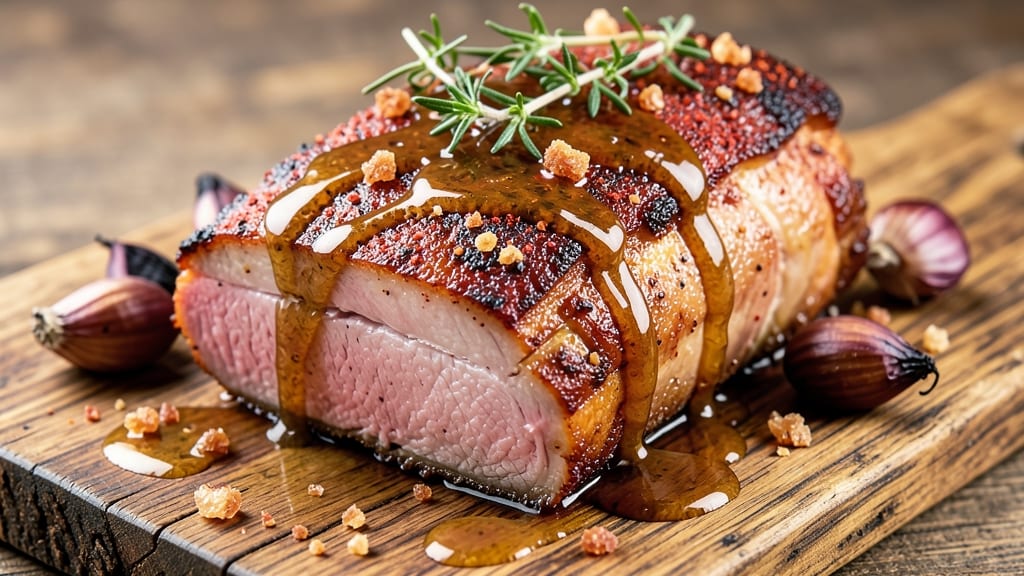
This apple cider pork shoulder recipe transforms tough cuts into melt-in-your-mouth perfection through slow braising—just like my grandma used to make back in Georgia. The apple cider isn't just a liquid; it's the secret weapon that tenderizes the meat while infusing sweet, tangy depth into every bite.
I've perfected this technique over years of cooking for crowds at The Smoky Pig, where we process 2,000 pounds of pork weekly.
The magic happens in the slow cook—8 hours at 275°F—where the pork shoulder becomes so tender it practically falls apart. The apple cider creates a glossy, caramelized glaze that clings to the meat, balancing the richness with bright acidity.
We start with a simple spice rub of brown sugar, smoked paprika, and black pepper, but the cider elevates everything to restaurant-quality without any fuss.
By the time it's done, you'll have juicy, fork-tender pork that's ideal for sandwiches, tacos, or serving alongside roasted vegetables. The braising liquid reduces into a rich sauce that can be thickened for gravy or left as-is for pouring over mashed potatoes.
This is the kind of dish that turns weeknight dinners into special occasions—no one will believe it's made from a simple pork shoulder and a few pantry staples.
Pro tip: Save that leftover braising liquid—it makes the best gravy you've ever tasted. I always double the recipe because it disappears fast. Let's get cooking!
Ingredients for apple cider pork shoulder
Pork shoulder, apple cider, and a few pantry staples—this combo transforms tough meat into restaurant-quality bliss.
| Ingredient | Amount | Notes |
|---|---|---|
| Pork Shoulder 🥓 | 4 lb | Bone-in for best flavor |
| Apple Cider 🍎 | 2 cups | Unfiltered for depth of flavor |
| Brown Sugar 🍚 | ½ cup | Light or dark preferred |
| Smoked Paprika 🌶️ | 1 tbsp | For smoky depth |
| Black Pepper 🌶️ | 1 tsp | Freshly ground preferred |
| Garlic Cloves 🧄 | 4 cloves | Peeled and smashed |
| Onion 🧅 | 1 whole | Yellow, chopped |
| Olive Oil 🫒 | 2 tbsp | For searing |
| Fresh Thyme 🌿 | 2 sprigs | Or 1 tsp dried |
| Salt 🧂 | 1 ½ tsp | Kosher or sea salt |
| Bay Leaves 🍃 | 2 whole | For aromatic depth |
| Water 💧 | 1 cup | To thin braising liquid |
| Apple Cider Vinegar 🍋 | 1 tbsp | For tangy balance |
The pork shoulder is the star here, so bone-in cuts from the butcher section are ideal—they stay juicier. I always grab mine from Whole Foods or my local grocery store's meat counter, asking for a cut with good marbling. If you're shopping at Costco, their pre-packaged pork shoulders work great too. The apple cider should be unfiltered—Mott's or Woodchuck brands have the best depth of flavor. Look for bottles that say 'unfiltered' or 'cloudy' on the label. Freshness matters: if the cider smells sharp or vinegary, skip it. For the spices, Penzeys or the bulk bins at natural food stores are my go-to for that extra punch.
No smoked paprika? Regular paprika plus a pinch of liquid smoke works in a pinch. Fresh thyme is ideal, but dried thyme at one-third the amount gets you close. The apple cider vinegar adds that perfect tang—no vinegar? Lemon juice at half the amount does the trick. For the onion, any yellow or red will work, but sweet onions add a nice touch. If you're prepping ahead, you can make the spice rub (brown sugar, paprika, pepper, salt) in advance and store it in an airtight container for up to 3 months. The garlic and onion can be chopped the night before too—just keep them in the fridge.
This dish tastes even better the next day, so double the recipe if you're feeding a crowd. The pork keeps for 4-5 days in the fridge, and the braising liquid makes the best gravy—just thicken it with a cornstarch slurry. For leftovers, slice against the grain and reheat in a skillet with a splash of the braising liquid. The sauce freezes beautifully too—portion it into ice cube trays for easy use later. Pro tip: Save those bay leaves and thyme sprigs—they're perfect for soups and stews after this dish.
Why You'll Love This Recipe
- Fall in Your Mouth: That caramelized crust from the brown sugar and apple cider? Absolute perfection. The pork stays juicy inside while the edges get this sweet, smoky crunch—like a hug from autumn in every bite.
- Leftovers That Don’t Suck: Between us, most pulled pork leftovers turn into sad, dry hockey pucks. Not this. The cider keeps it moist for days, so you get sandwiches, tacos, or even a hearty soup—no one will guess it’s reheated.
- Budget-Friendly Crowd-Pleaser: Pork shoulder is cheap, and this recipe stretches it into meals for a family or a potluck without breaking the bank. Honestly, it’s the kind of dish that makes you look like a hero when you bring it to a gathering.
Step-by-step instructions for apple cider pork shoulder
Here's how to transform a simple pork shoulder into melt-in-your-mouth perfection.
Sear the Pork Shoulder for Maximum Flavor
Pat the 4 lb pork shoulder completely dry with paper towels—this ensures a crispy exterior. Heat 2 tablespoons olive oil in a large Dutch oven over medium-high heat until shimmering. Place the pork shoulder fat-side down and let it sear undisturbed for 8-10 minutes until the fat renders and the skin turns golden brown.
Flip the pork and sear the other side for another 5-6 minutes. This step creates a flavorful crust that locks in juices during the long cook. While searing, sprinkle 1.5 teaspoons salt, 1 teaspoon black pepper, and 1 tablespoon smoked paprika evenly over the meat, pressing gently to help the seasoning stick.
Sauté Aromatics for Deep Flavor
Remove the pork shoulder and set it aside. In the same Dutch oven, add 2 tablespoons olive oil and reduce heat to medium. Add the chopped 1 whole onion and cook for 5 minutes until softened and translucent. Add the 4 peeled and smashed garlic cloves and cook for 30 seconds until fragrant—don't let them brown or they'll turn bitter.
Stir in the 2 sprigs fresh thyme and 2 whole bay leaves, letting the aromatics toast for 1 minute. This builds a flavorful base that will infuse the pork during the braising process. Keep the heat at medium to prevent burning while you prepare the braising liquid.
Braise with Apple Cider and Brown Sugar
Return the pork shoulder to the Dutch oven, fat-side up. Pour in 2 cups apple cider and scrape up any browned bits from the bottom—this releases all the flavor. Add 0.5 cup brown sugar, 1 cup water, and 1 tablespoon apple cider vinegar. The liquid should come about halfway up the sides of the pork.
Bring the mixture to a simmer over medium-high heat, then reduce heat to low. Cover tightly with a lid and transfer to a 300°F oven. Braise for 3 hours, then check the internal temperature—it should be 160-165°F. If not, continue cooking until it reaches this point.
Rest and Serve for Juicy Perfection
Once the pork reaches 160-165°F, remove it from the oven and tent loosely with foil. Let it rest for at least 30 minutes—this allows the juices to redistribute throughout the meat, ensuring each bite is tender and flavorful. Skim any excess fat from the braising liquid, then strain it if you prefer a smoother sauce.
Slice the pork shoulder against the grain into ½-inch thick pieces and serve with the reduced apple cider braising liquid spooned over the top. The result should be fork-tender meat with a beautiful caramelized crust and a sauce that's sweet, tangy, and perfectly balanced.
Pro Tips For Making Apple Cider Pork Shoulder
- USE A HEAVY HAND WITH SALT: The pork shoulder needs salt—a lot—before it hits the pan. I’m talking 1-2 tablespoons of kosher salt rubbed all over, including the fat cap. This isn’t just for flavor; it helps render fat and keeps the meat tender. (Yes, even if you’re using pre-seasoned cider—double down.)
- DEGLAZE WITH CIDER FIRST: After searing the pork, dump in the apple cider immediately while the pan is still screaming hot. Let it bubble and reduce by half before adding brown sugar or spices. This step locks in caramelized bits that’ll make your sauce taste like it simmered all day. (Your lazy weeknight self will appreciate this.)
- SKIP THE BOILING CIDER: Low and slow is the name of the game, but don’t let that cider boil like a pot of pasta. Keep it at a gentle simmer—tiny bubbles, occasional swirls—so it reduces evenly and doesn’t turn bitter. I learned this the hard way when my first batch tasted like overcooked applesauce.
- BROWN SUGAR NEEDS A DRY PAN: Toast the brown sugar for 2-3 minutes in the same pan you seared the pork, stirring constantly. This deepens its flavor and cuts the cloying sweetness. Add the cider after it’s golden, not before—trust me, it makes a real difference. (And no, maple syrup won’t cut it here.)
Best sauces and condiments for this recipe
Classic Apple Cider Glaze
Simmer 1 cup apple cider with 2 tbsp brown sugar and 1 tbsp apple cider vinegar in a saucepan over medium-high heat until reduced by half (10-12 minutes).
Brush this glossy glaze over the pork during the last 30 minutes of cooking for a caramelized finish. I love using Mott's unfiltered cider—its natural sweetness caramelizes beautifully. 🍎
Smoky Maple Mustard Sauce
Combine ½ cup apple cider reduction (from braising liquid) with 2 tbsp Dijon mustard, 1 tbsp smoked paprika, and 1 tbsp pure maple syrup in a small saucepan. Warm over low heat for 5 minutes, then drizzle over sliced pork.
This sauce adds depth with its tangy-sweet balance. I keep a jar of Annie's Dijon in my pantry for this exact purpose.
Brown Sugar-Honey Gravy
Strain the braising liquid and whisk in 1 tbsp cornstarch mixed with 2 tbsp cold water. Return to medium heat until thickened (3-4 minutes). Stir in 1 tbsp honey and 1 tsp apple cider vinegar for a glossy, slightly sticky gravy.
This version is perfect for serving over mashed potatoes or cornbread. 🥄
Spiced Apple Butter
Mix ½ cup apple cider with ¼ cup apple butter, 1 tsp cinnamon, and ½ tsp ground cloves. Simmer for 10 minutes until slightly thickened. Spoon this over sliced pork for a warm, spiced contrast.
I make this ahead and store it in the fridge for up to 2 weeks—it's perfect for holiday meals too.
Caramelized Onion Topping
Cook 2 cups thinly sliced onions in 1 tbsp olive oil over low heat for 45-60 minutes until deep golden. Add 1 tbsp brown sugar and cook 5 more minutes.
Pile these onto pork slices before serving for a sweet, jammy texture. This takes patience but is worth every minute—trust me, it's a crowd-pleaser. 🧅
Fresh Herb Cream Sauce
Whisk ½ cup heavy cream with 2 tbsp chopped fresh parsley, 1 tbsp chopped chives, and 1 tsp lemon zest. Warm gently over low heat for 2 minutes—just until slightly heated.
Drizzle over pork slices for a bright, creamy finish. This sauce cuts through the richness beautifully and pairs perfectly with roasted Brussels sprouts. 🌿
Nutrition facts
Frequently asked questions
Can I use store-bought apple cider instead of fresh?
Store-bought unfiltered apple cider works perfectly—it's what I use in my restaurant. Look for brands like Mott's or Woodchuck that say "unfiltered" on the label. The natural sweetness and slight tartness are exactly what you need for that perfect balance. Just avoid filtered cider, as it lacks the depth of flavor.
How do I know when the pork shoulder is fully cooked?
Use a meat thermometer to check the internal temperature—it should reach 160-165°F in the thickest part. The meat will pull away from the bone slightly, and it should feel tender when probed with a fork. If it's not quite there after 3 hours at 300°F, just keep it in the oven another 30-60 minutes. Patience is key here!
Can I make this recipe in a slow cooker instead of the oven?
Yes, but with adjustments! Sear the pork first, then transfer it to your slow cooker with the braising liquid. Cook on low for 8 hours or high for 5-6 hours. The texture will be slightly different—more tender but less caramelized. For extra flavor, add a splash of apple cider vinegar at the end to brighten the sauce.
What's the best way to reheat leftovers?
Slice the pork and reheat in a skillet over medium heat with a splash of the braising liquid for 5-7 minutes until warmed through. For extra moisture, add a 1-2 tablespoons of apple cider to the pan. Never microwave—it makes the meat dry. Leftovers keep for 4-5 days in the fridge or 3 months in the freezer.
How can I make this dish more flavorful if I don't have smoked paprika?
No problem! Mix 1 tablespoon regular paprika with ½ teaspoon liquid smoke for a similar effect. Alternatively, add ½ teaspoon cayenne pepper for heat or 1 teaspoon garlic powder for extra depth. The apple cider will still carry the sweet-tangy profile, but these tweaks add complexity. Don't skip the searing step—it's what builds the foundation!