
Salads
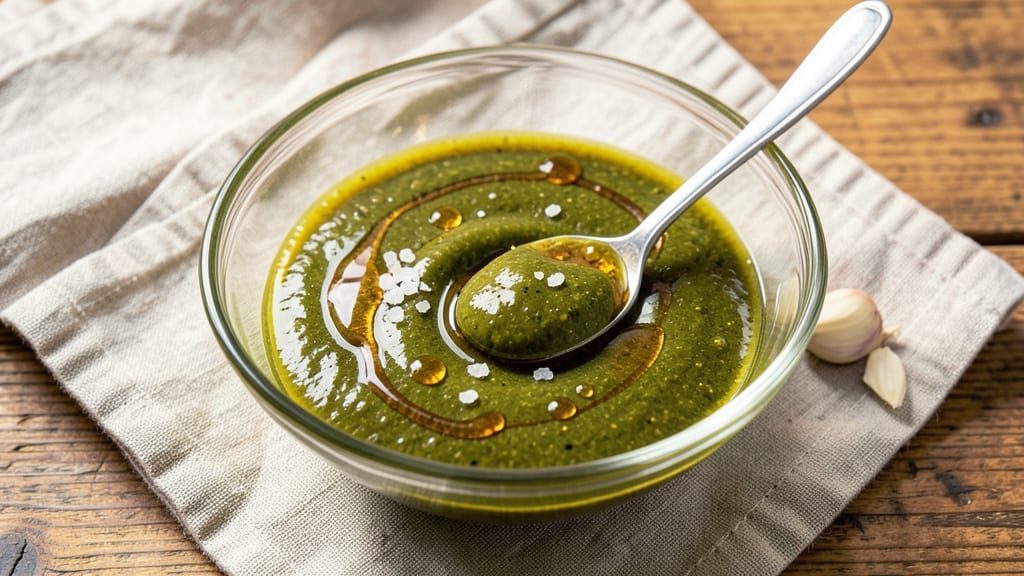
This apple cider vinegar and oil salad dressing recipe transforms simple greens into vibrant, tangy masterpieces with just five ingredients. The secret lies in balancing sharp apple cider vinegar with smooth olive oil—creating a dressing that clings to every leaf while adding bright acidity.
I developed this version after years of testing, ensuring it works perfectly on everything from crisp arugula to hearty kale salads.
The foundation is simple: a 3:1 oil-to-vinegar ratio creates the ideal balance of richness and tang, while a pinch of salt enhances all flavors. Optional additions like Dijon mustard, honey (or maple syrup for vegan versions), and fresh herbs elevate it further.
The dressing stays fresh for up to two weeks in the fridge, making it ideal for meal prep.
What makes this recipe stand out is its versatility—drizzle it over salads, use it as a marinade for grilled chicken, or toss it with roasted vegetables. The tang cuts through rich ingredients while highlighting their natural flavors. With precise measurements and a foolproof method, you’ll achieve restaurant-quality results every time.
For extra depth, try infusing the oil with garlic or herbs before mixing. This dressing is your new kitchen essential—simple to make, endlessly adaptable, and guaranteed to elevate any dish. Let’s get started with the perfect balance of tang and richness.
Ingredients for apple cider vinegar and oil salad dressing
Five essential ingredients transform ordinary salads into vibrant, restaurant-quality masterpieces.
| Ingredient | Amount | Notes |
|---|---|---|
| Extra-Virgin Olive Oil 🫒 | ¾ cup | High-quality, fruity variety preferred |
| Apple Cider Vinegar 🍎 | ¼ cup | Raw, unfiltered for optimal flavor |
| Dijon Mustard 🌶️ | 1 tbsp | Mild or hot according to preference |
| Pure Maple Syrup 🍁 | 1 tbsp | Grade A or B for best flavor |
| Kosher Salt 🧂 | ½ tsp | Diamond Crystal preferred for accuracy |
| Fresh Garlic Cloves 🧄 | 2 cloves | Optional for infused depth |
| Fresh Parsley Leaves 🌿 | ¼ cup | Chopped for garnish and freshness |
The olive oil forms the base, so invest in a high-quality extra-virgin variety with noticeable fruity notes. Trader Joe's and Whole Foods carry excellent options under $15 for a bottle that lasts months. Apple cider vinegar should be raw and unfiltered—Bragg or Texas Pete are reliable choices, but any organic brand works. The Dijon mustard adds subtle complexity; Maille is a professional favorite, though French's works perfectly for home use. For the maple syrup, Grade A ensures a smoother finish, though Grade B offers deeper caramel notes if you prefer richness. The garlic and parsley are entirely optional but elevate the dressing significantly when included.
No Dijon mustard? Yellow mustard thinned with a splash of vinegar works in a pinch, though the flavor will be milder. Maple syrup unavailable? Agave nectar or date syrup provides a similar sweetness profile without altering the dressing's integrity. For a tangier result, increase the vinegar by 1/4 teaspoon per tablespoon of oil. The dressing's 3:1 oil-to-vinegar ratio is non-negotiable for balance, but feel free to adjust the sweetness by adding 1/8 teaspoon more maple syrup if your greens are particularly bitter. Fresh herbs can be swapped for dried oregano at 1/4 the amount, though fresh always tastes superior.
This dressing maintains peak freshness for two weeks when stored in a clean glass jar with a tight seal. The oil-to-vinegar ratio creates a natural preservative effect, but always use a clean spoon to avoid contamination. For infused variations, add minced shallots or lemon zest to the oil before whisking—simmer gently for 2 minutes to release flavors. The dressing thickens slightly when refrigerated; simply whisk vigorously before use. Portion into small jars for salads, marinades, or drizzling over roasted vegetables—its versatility makes it a kitchen staple worth repeating.
Why You'll Love This Recipe
- Five-Ingredient Magic: I swear by this combo—just swirl olive oil, vinegar, mustard, maple syrup, and salt. No measuring cups, no stress, no guessing. The mustard emulsifies the oil and vinegar while you’re still pouring, so it’s ready the second you stop stirring.
- Sweet-Tart Balance: That maple syrup isn’t just for sweetness—it rounds out the sharpness of the apple cider vinegar like a hug. Honestly, the first time I tasted it, I thought, "Wait, this is actually good?" Now it’s my go-to for anything from greens to roasted veggies.
- Weeknight Workhorse: I make a big batch on Sundays and keep it in the fridge. Drizzle it over lunch salads, toss it with grilled chicken, or even use it as a marinade. It’s the dressing that does it all, and I never run out of reasons to use it.
- No-Waste Pantry Staple: Between us, this recipe uses things you already have—no specialty ingredients, no last-minute grocery runs. The olive oil and vinegar last for months, and the maple syrup adds just enough depth without breaking the bank. It’s the kind of dressing that makes me feel smart for eating well.
Step-by-step instructions for apple cider vinegar salad dressing
This dressing delivers bright acidity, rich depth, and perfect balance in just five simple steps.
Whisk Together the Base Ingredients
In a medium bowl, combine the 0.75 cup Extra-Virgin Olive Oil and 0.25 cup Apple Cider Vinegar. Use a whisk to emulsify these liquids vigorously for 30 seconds—this creates a stable foundation. The oil should break into tiny droplets that gradually merge into a smooth emulsion. If it separates immediately, don't worry; we'll fix this in the next step.
I like to work in a small bowl for this—it makes whisking more efficient and prevents spills. The raw apple cider vinegar adds a sharp tang that cuts through rich ingredients, while the high-quality olive oil provides a fruity, peppery counterpoint. This balance is what makes this dressing universally appealing.
Incorporate Dijon Mustard and Maple Syrup
Add the 1 tbsp Dijon Mustard and 1 tbsp Pure Maple Syrup to the oil-vinegar mixture. Whisk continuously for 1 minute until fully combined. The Dijon mustard acts as an emulsifier, binding the oil and vinegar into a cohesive dressing, while the maple syrup introduces subtle sweetness that rounds out the acidity.
Here's the thing—don't rush this step. The mustard needs time to fully integrate, creating that velvety texture we want. If the mixture still looks streaky, add 1 teaspoon of water and whisk again. The goal is a smooth, homogeneous blend where you can't distinguish individual ingredients.
Season with Salt and Optional Garlic Infusion
Add the 0.5 tsp Kosher Salt and whisk for 10 seconds to dissolve completely. For the garlic infusion, peel and thinly slice the 2 cloves Fresh Garlic Cloves (no need to mince). Gently fold them into the dressing using a silicone spatula rather than whisking—this prevents crushing the garlic, which can make the dressing bitter.
Let the dressing sit at room temperature for 5 minutes to allow the garlic to infuse its subtle aroma. If you prefer a milder garlic flavor, you can skip this step entirely—the dressing will still be delicious. The salt enhances all flavors while balancing the sweetness and acidity. Taste now to check the seasoning; you may need to adjust slightly.
Finish with Fresh Parsley
Chop the 0.25 cup Fresh Parsley Leaves finely using a sharp knife or pulse briefly in a food processor. Fold the parsley into the dressing just before serving. The parsley adds freshness and a pop of color, but more importantly, it introduces a bright herbal note that complements the dressing's complexity.
Real talk: Don't chop the parsley too finely—you want visible flecks that add texture to each bite. If you're making this dressing ahead of time, hold off on adding the parsley until the last minute. The fresh herbs lose their vibrancy when mixed too early, so timing matters here.
Adjust Consistency and Serve
Taste the dressing and make any final adjustments. If it's too thick, add 1 teaspoon of water at a time until it reaches your desired consistency. For a thinner dressing, add 1 tablespoon of apple cider vinegar. If it's too sharp, add a touch more maple syrup. The dressing should coat the back of a spoon but still flow freely.
Transfer to a clean jar or airtight container and store in the refrigerator for up to 1 week. Shake well before each use, especially if the oil and vinegar separate. This dressing works beautifully on mixed greens, grain bowls, or as a marinade for grilled vegetables. The balance of sweet, tangy, and herbal notes makes it incredibly versatile.
Pro Tips For Making Apple Cider Vinegar And Oil Salad Dressing
- Whisk in stages: Start with the vinegar and mustard, then slowly drizzle in the olive oil while whisking constantly—this keeps the dressing from breaking into an oily mess. I used to dump everything in at once, and it always ended up separating within minutes.
- Use room-temperature oil: Cold olive oil emulsifies better with the other ingredients, so take it out of the fridge 30 minutes before mixing. I learned this the hard way when my dressing split every time I used straight-from-the-fridge oil, no matter how hard I whisked.
- Salt the mustard: Mix the kosher salt directly into the Dijon mustard before adding it to the dressing—this ensures even distribution and prevents clumpy salt later. Skipping this step means you’ll end up with random gritty bits in every bite.
- Sweeten last, taste first: Add the maple syrup after emulsifying the base, then adjust flavor with a pinch of salt—this way, you’re not over-sweetening blindly. I was skeptical until I tried it, but now I always taste before the final drizzle of syrup.
Make-ahead tips for this dish
Prep Ahead Strategy
Make this dressing up to 2 weeks in advance—it actually tastes better as the flavors meld. Store it in a clean, glass jar with an airtight seal in your fridge. The oil-to-vinegar ratio creates a natural preservative effect, but always use a clean spoon to avoid contamination.
I like to portion it into small jars for convenience—just grab and go when you need it. 💛
Infusion Variations
For extra flavor, infuse the oil with aromatics before mixing. Heat ½ cup olive oil with 2 minced garlic cloves and 1 tsp dried oregano in a small saucepan over low heat for 2 minutes.
Let it cool before combining with vinegar. This method works perfectly for herb lovers—just strain out the solids before mixing. 🌿
Freezer-Friendly Hack
Freeze individual portions in ice cube trays for single-use servings. Once frozen, transfer cubes to a freezer bag. Thaw overnight in the fridge—this preserves texture better than microwave reheating. Perfect for busy mornings when you need dressing ready in seconds. Just pop a cube into your salad and toss! ❄️
Marinade Double Duty
Use this dressing as a marinade for grilled chicken or tofu—the acidity tenderizes while adding flavor. Marinate proteins for 30 minutes to 2 hours (no longer to avoid toughness). I love using it on boneless, skinless chicken breasts before grilling. The residual dressing caramelizes beautifully on the grill. 🍗
Herb Preservation Tip
If you add fresh herbs like parsley or basil, chop them just before serving. Store the dressing without herbs in the fridge, then add 1 tbsp chopped herbs per ½ cup dressing when ready to use. This keeps the herbs vibrant and prevents bitterness from sitting in acidic liquid. 🌱
Thickness Control
The dressing thickens when refrigerated—simply whisk vigorously before use. For a thinner consistency, add 1 tsp water per ¼ cup dressing. If you prefer it thicker, reduce the oil slightly next time (try a 2.5:1 ratio instead of 3:1).
The key is adjusting to your greens' moisture level—dry salads need more oil, while wet greens benefit from extra vinegar. ✨
Nutrition facts
Frequently asked questions
What's the best oil-to-vinegar ratio for this dressing?
The perfect balance is 3:1 oil to vinegar—this creates a rich yet tangy dressing that clings beautifully to greens. For example, 0.75 cup olive oil to 0.25 cup apple cider vinegar delivers that signature zesty kick without overwhelming the salad. Adjust slightly if your greens are particularly dry or moist.
Can I make this dressing without Dijon mustard?
Swap the 1 tbsp Dijon mustard for 1 tbsp yellow mustard thinned with 1 tsp vinegar or 1 tsp honey/maple syrup if you're avoiding mustard. The mustard acts as an emulsifier, so if you skip it, whisk extra vigorously or add 1 tsp water to help blend the oil and vinegar smoothly.
How do I prevent the dressing from separating?
Whisk vigorously for 1-2 minutes when combining ingredients, and always add the mustard first—it naturally binds the oil and vinegar. Store in a clean, airtight jar and shake well before each use. If it separates, simply whisk again or add 1 tsp water to re-emulsify. The key is patience during mixing!
Is this dressing vegan-friendly?
Yes! This recipe is naturally vegan, but for extra sweetness, use maple syrup or agave nectar instead of honey. The original recipe calls for 1 tbsp maple syrup, which works perfectly. The tangy apple cider vinegar and rich olive oil create a dressing that's both flavorful and cruelty-free.
Can I use this dressing as a marinade?
Absolutely—it makes an excellent marinade! The acidity tenderizes proteins like chicken or tofu, while the oil adds moisture. Marinate for 30 minutes to 2 hours (no longer to avoid toughness). For grilled chicken, the residual dressing caramelizes beautifully, adding smoky depth to every bite.