
Sauces & Condiments
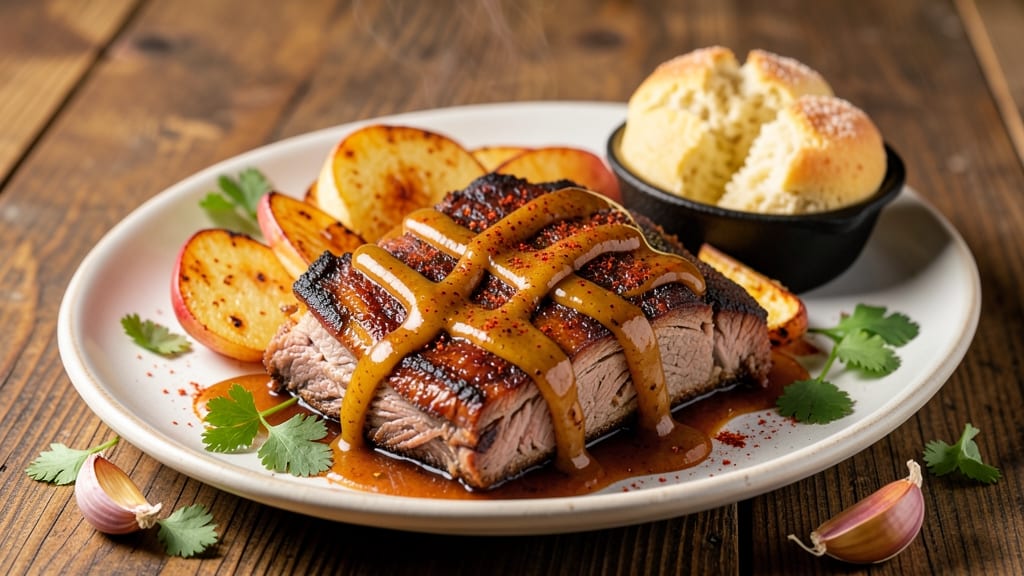
This apple cider vinegar BBQ recipe transforms ordinary grilled meats into something extraordinary with its perfect balance of smoky depth and bright tang. 🔥 The secret lies in the vinegar's acidity, which tenderizes while cutting through richness—something I perfected after years of experimenting with pitmaster techniques.
What sets this sauce apart is how the vinegar's natural sweetness and acidity meld with brown sugar and spices to create a glaze that caramelizes beautifully on the grill.
The foundation starts with equal parts apple cider vinegar and brown sugar, creating that signature tangy-sweet flavor profile that clings to every bite. I add smoked paprika for warmth, garlic for depth, and a touch of cayenne to keep things interesting without overwhelming.
The sauce simmers until thick enough to coat a spoon, ensuring it doesn't drip off your meat but instead forms a glossy, flavorful crust.
What you'll end up with is a sauce that's versatile enough for ribs, chicken, or even vegetables, yet complex enough to stand out at any BBQ competition.
The vinegar's acidity helps break down meat fibers, making every bite more tender, while the caramelized sugar adds that irresistible stickiness that keeps people coming back for seconds. This isn't just another store-bought sauce—it's a game-changer that'll have you reaching for the bottle again and again.
Once you've made it, store any leftovers in an airtight container in the refrigerator for up to two weeks, or freeze for longer storage. The flavors actually improve over time, developing even more depth as the ingredients meld together.
Whether you're grilling for a crowd or just treating yourself to a smoky-sweet meal, this sauce delivers restaurant-quality results with minimal effort.
Ingredients for apple cider vinegar bbq
Nine simple ingredients create a BBQ sauce that's smoky, tangy, and impossible to resist.
| Ingredient | Amount | Notes |
|---|---|---|
| Apple Cider Vinegar 🍏 | 1 cup | Raw, unfiltered preferred |
| Light Brown Sugar 🍚 | 1 cup | Packed tightly for accuracy |
| Smoked Paprika 🌶️ | 2 tbsp | High-quality for smoky depth |
| Garlic Cloves 🧄 | 4 cloves | Freshly minced for maximum flavor |
| Cayenne Pepper 🔥 | ½ tsp | Adjust for desired heat level |
| Kosher Salt 🧂 | 1 ½ tsp | Diamond Crystal preferred |
| Black Peppercorns 🌶️ | ½ tsp | Freshly cracked for texture |
| Onion Powder 🧅 | 1 tsp | For subtle sweetness |
| Ground Mustard 🌿 | 1 tsp | Dry, not prepared |
| Water 💧 | ½ cup | For thinning if needed |
The apple cider vinegar is non-negotiable here—Bragg or Texas Pete are my go-tos, but any raw, unfiltered variety works. The brown sugar should be light, not dark, for that perfect caramelization without bitterness. Whole Foods and Trader Joe's carry excellent options in their bulk bins. For the smoked paprika, Penzeys has the most flavorful options, but the store-brand stuff at Walmart works just fine if you're on a budget. Fresh garlic is a must—roasted cloves add a sweetness that complements the vinegar beautifully, but raw minced works too.
No apple cider vinegar? White vinegar with 1 tsp apple juice gets you close, though the flavor won't be identical. Running short on brown sugar? White sugar plus 1 tsp molasses mimics the depth. The smoked paprika can be swapped for regular paprika plus a pinch of liquid smoke, but it won't have the same complexity. If you're sensitive to heat, reduce the cayenne to 1/4 tsp or skip it entirely. The mustard adds a subtle tang—Dijon mustard at half the amount works in a pinch, though it changes the texture slightly. For a thicker sauce, simmer longer without water; for thinner, add 1 tbsp at a time.
This sauce keeps beautifully—2 weeks in the fridge in a sealed jar, or 6 months in the freezer. The flavors actually deepen over time, so make extra. I like to portion it into ice cube trays for easy single-use servings—just pop one out and toss it on the grill. If you're grilling vegetables, brush them on 10 minutes before done to avoid burning. The sauce also freezes wonderfully in silicone molds for portion control later.
Why You'll Love This Recipe
- Five-Ingredient Magic: The pantry already has most of it—just toss in vinegar, sugar, and spices. No fancy prep, no stress, just a simmer and stir while you handle the rest of dinner.
- Tangy-Sweet Balance: That apple cider vinegar cuts through the richness while the brown sugar caramelizes into a glossy, sticky finish. The smoked paprika adds depth without overpowering—it’s the kind of sauce you’ll lick the bowl for.
- Weeknight to BBQ Feast: Slather it on grilled chicken for a quick weeknight meal, or use it to glaze pork chops before roasting. Even my picky-eating college roommate asked for seconds when I served it with baked beans.
- Budget-Friendly Stretch: A single batch makes enough to feed four with leftovers that taste just as good reheated. Honestly, I’ve had it last five days in the fridge—still delicious, still worth it.
Step-by-step instructions for apple cider vinegar BBQ sauce
Here's how to create a tangy, smoky-sweet sauce that'll elevate any grilled dish.
🍳 Step 1: Build the Dry Spice Blend
In a medium bowl, combine the 2 tbsp smoked paprika, 1.5 tsp kosher salt, 0.5 tsp cayenne pepper, 0.5 tsp freshly cracked black peppercorns, 1 tsp onion powder, and 1 tsp ground mustard. Use your fingers to rub the spices together—this helps distribute the heat and aroma evenly. The mixture should look like a rich, smoky brown powder with flecks of red from the cayenne.
This dry blend forms the flavor backbone of your sauce. I like to press the spices through a fine-mesh sieve to eliminate any peppercorn chunks, but if you prefer texture, leave them whole. The key here is to let the spices bloom together before adding liquids, which maximizes their flavor impact.
🍳 Step 2: Cook the Sugar Until Caramelized
In a heavy-bottomed saucepan, combine the 1 cup packed light brown sugar and 0.5 cup water. Place over medium heat and stir constantly with a wooden spoon until the sugar dissolves completely. This should take about 3-4 minutes—watch carefully to prevent burning.
Once dissolved, increase heat to medium-high and continue stirring until the mixture turns a deep amber color and smells intensely caramelized, about 5-7 minutes. You'll see bubbles forming along the edges and the mixture will thicken noticeably. This caramelization step creates the sauce's signature sweet-tangy depth.
🍳 Step 3: Add Vinegar and Garlic for Tangy Depth
Carefully pour in the 1 cup apple cider vinegar—it'll bubble vigorously. Reduce heat to medium-low and stir constantly for 5 minutes until the mixture thickens slightly. Then add the 4 cloves freshly minced garlic and the dry spice blend from Step 1. Stir well to incorporate everything completely.
Here's where the magic happens: the vinegar's acidity cuts through the sugar's sweetness while the garlic adds aromatic complexity. The apple cider vinegar's natural tang gives this sauce its signature zing that works perfectly with grilled meats. Let the sauce simmer uncovered for another 3-4 minutes to allow flavors to meld.
⏰ Step 4: Simmer Until Thick and Glossy
Continue simmering for 10-12 minutes until the sauce reduces by about 25% and coats the back of a spoon. You're looking for a consistency that's thick enough to cling to meats but still pourable. The sauce should have a glossy sheen and be slightly syrupy when drizzled.
If the sauce thickens too much, add 1-2 tablespoons water at a time until you reach your desired consistency. For extra richness, you can whisk in 1 tablespoon butter at the end, but it's not required. The sauce should have a perfect balance of sweet, smoky, and tangy flavors with a subtle kick from the cayenne.
🥘 Step 5: Cool and Adjust Seasoning
Remove from heat and let the sauce cool for 10 minutes—this allows flavors to fully develop. Taste and adjust seasoning: add more kosher salt if needed for saltiness, or a pinch more cayenne pepper for heat. The sauce should be well-balanced with all flavors present but not overpowering.
For best results, let the sauce sit at room temperature for at least 1 hour before using. This resting period allows the flavors to truly marry and the sauce to achieve its ideal texture. Store any leftovers in an airtight container in the refrigerator for up to 2 weeks, or freeze for up to 3 months.
Pro Tips For Making Apple Cider Vinegar Bbq
- Simmer Low and Slow: This isn’t a quick glaze—drop the heat to a bare simmer once everything’s combined. I used to blast it on high, thinking it’d caramelize faster, but it just burned the vinegar’s sharpness. Keep it at a gentle bubble, and the flavors meld instead of fight.
- Toast the Paprika: Dry-toast your smoked paprika in a small pan for 30 seconds before mixing it in. It deepens the smoky aroma and cuts through the vinegar’s acidity. (Yes, even if you’re impatient—just don’t walk away.)
- Mince the Garlic Fine: Skip the press—grate or finely mince your garlic cloves for a smoother sauce. Pressed garlic adds moisture and clumps, which can make the BBQ glaze grainy when reduced. A microplane works best if you’re lazy.
- Balance the Vinegar: If the sauce tastes too sharp, add a splash of water or a pinch of sugar while it’s hot—not after. Cold sugar won’t dissolve properly, and water thinned too late can dilute the flavor instead of taming the acid.
Serving suggestions for this apple cider vinegar bbq
Grilled Meat Pairings
This sauce shines on pork ribs—brush it on during the last 30 minutes of cooking for a sticky, caramelized crust. For chicken thighs, grill skin-side down first, then baste with sauce in the final 10 minutes to prevent burning.
I love using it on beef brisket too, especially after the reverse sear when the meat is tender but needs that tangy finish. 🔥
Vegetable Applications
Don’t limit this sauce to meat—grilled portobello mushrooms and eggplant slices absorb the flavors beautifully. Brush them lightly with sauce during the last 5-7 minutes of grilling to avoid overcooking.
For corn on the cob, mix 1 tbsp sauce with 1 tbsp melted butter and slather it on after grilling. The vinegar’s acidity balances the sweetness of the corn perfectly.
Bread and Dips
Use this sauce as a dip for warm, toasted sourdough or brioche—the crusty bread soaks up the tangy-sweet glaze like a dream. I also love drizzling it over grilled cheese sandwiches (yes, really!) with sharp cheddar and caramelized onions.
For a smoky twist, spread it on naan or pita and top with grilled chicken or falafel. The possibilities are endless!
Dessert Surprises
Who says BBQ sauce is just for savory dishes? Drizzle it over vanilla ice cream for a tangy-sweet contrast, or mix 1 tbsp sauce with ½ cup whipped cream for a smoky-sweet topping on grilled peaches or pineapple.
The apple cider vinegar’s depth pairs surprisingly well with dark chocolate too—try melting 2 oz dark chocolate and swirling it into the sauce for a decadent dessert glaze. 💫
Drink Pairings
Balance the sauce’s tangy-sweetness with a cold lager like Peroni or Modelo Negra—the crisp carbonation cuts through the richness. For a non-alcoholic option, try sparkling apple cider (ironic, but delicious!).
If you’re serving ribs, a bold red wine like Cabernet Sauvignon complements the smoky flavors beautifully. The key is to match the sauce’s acidity with something refreshing.
Make-Ahead Serving
Prep your sauce ahead of time and store it in a glass jar in the fridge for up to 2 weeks. When ready to serve, reheat gently on the stove over low heat until warmed through—no need to add water.
For outdoor grilling, I keep a small thermos filled with warm sauce nearby to baste meats effortlessly. The sauce’s thickness ensures it clings perfectly, so you won’t waste a drop. 💡
Nutrition facts
Frequently asked questions
Can I substitute white vinegar for apple cider vinegar?
White vinegar works in a pinch, but it lacks the depth of apple cider vinegar's natural sweetness and fruitiness. For a closer substitute, mix 1 cup white vinegar with 1 tsp apple juice concentrate or ½ tsp vanilla extract to mimic the complexity. The sauce will still taste tangy, but the flavor won't be as rich or balanced.
How do I adjust the heat level in this BBQ sauce?
The recipe includes ½ tsp cayenne pepper for a subtle kick. For milder heat, reduce to ¼ tsp or omit entirely. For extra spice, add ½ tsp chipotle powder or 1 tsp hot sauce after simmering. Always taste as you go—you can always add more heat, but you can't take it out!
Why did my sauce turn too thick or too thin?
If your sauce is too thick, whisk in 1 tbsp water at a time until it reaches a pourable consistency. For a thinner sauce, simmer longer (up to 20 minutes) to reduce the liquid naturally. The ideal texture should coat the back of a spoon but still drip slowly. Pro tip: Use a heavy-bottomed pan to prevent burning, which can make the sauce grainy.
Can I make this sauce without a stove?
If you're grilling or camping, use a cast-iron skillet over indirect heat. Place the skillet near (not over) the coals and stir constantly. For a no-cook version, mix all ingredients in a jar, shake vigorously, and let sit for 24 hours to blend flavors. The texture won't be as glossy, but it'll still pack great tangy-sweet flavor.
How do I store leftovers and reheat properly?
Transfer sauce to an airtight glass jar and refrigerate for up to 2 weeks. For longer storage, freeze in ice cube trays or small jars (up to 3 months). To reheat, warm gently on the stove over low heat or microwave in 10-second bursts, stirring between each. Never boil—this can make the sauce separate or lose its glossy finish.