
Sauces & Condiments
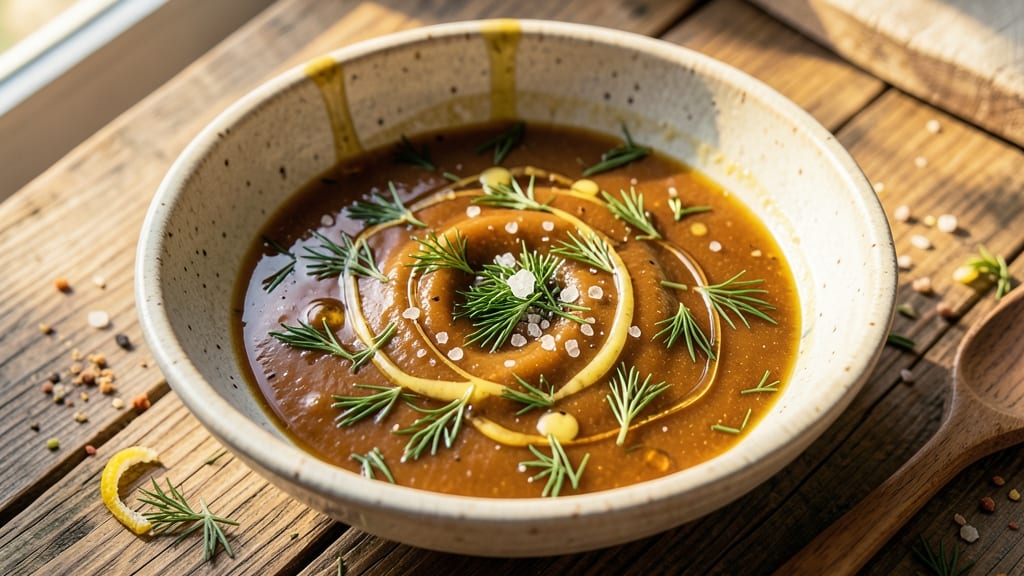
This apple cider vinegar slaw dressing recipe transforms your greens into a vibrant, tangy masterpiece that balances sharp acidity with creamy richness.
The secret lies in the perfect harmony of apple cider vinegar, Dijon mustard, and a touch of honey—creating a dressing that clings to cabbage, carrots, and radishes without overpowering their natural crunch.
I developed this recipe after years of testing, knowing the right ratio of vinegar to oil makes all the difference between a dull dressing and one that truly elevates your dish.
The beauty of this dressing is its simplicity: just six ingredients combine to deliver restaurant-quality flavor. A simple emulsion of olive oil and vinegar forms the base, while Dijon mustard adds depth and honey rounds out the sharpness.
Fresh herbs like dill or parsley contribute brightness, ensuring every bite is fresh and aromatic. What makes this recipe stand out is its versatility—it works equally well on classic coleslaw, shredded kale salads, or even as a tangy dip for crudités.
What you'll achieve is a dressing that's bright, tangy, and perfectly balanced—never too sweet or overly acidic. The acidity of the apple cider vinegar cuts through rich ingredients, while the honey and mustard ensure it's complex enough to stand up to bold flavors.
This isn't just a side note; it's the star of your dish, turning ordinary greens into something extraordinary. The best part? It keeps well in the fridge for up to a week, so you can make a batch and use it all week long.
Whether you're prepping for a picnic, meal prepping for the week, or simply craving a refreshing side, this dressing delivers. It's the kind of recipe that proves simple ingredients can create something truly special. Let's get started on creating your perfect slaw dressing.
Ingredients for apple cider vinegar slaw dressing
Six ingredients, endless tangy possibilities—this dressing is your slaw's new best friend.
| Ingredient | Amount | Notes |
|---|---|---|
| Apple Cider Vinegar 🍎 | ½ cup | Raw, unfiltered preferred for depth |
| Extra-Virgin Olive Oil 🫒 | ½ cup | Light fruity variety for balance |
| Dijon Mustard 🌶️ | 1 tbsp | High-quality, smooth texture |
| Raw Honey 🍯 | 1 tbsp | Local, unprocessed preferred |
| Fresh Dill 🌿 | ¼ cup | Chopped, stems removed |
| Sea Salt 🧂 | ½ tsp | Fine grain preferred |
| Fresh Parsley 🌿 | ¼ cup | Chopped, for brightness |
| Garlic Cloves 🧄 | 1 clove | Minced, for subtle depth |
The apple cider vinegar is non-negotiable here—Bragg or local orchard brands have that authentic depth. Trader Joe's or Whole Foods carry excellent raw, unfiltered options that make all the difference. Fresh dill and parsley? Grow your own if possible, or grab the freshest bunch from the grocery store's produce section—wilted herbs ruin everything. The Dijon mustard should be smooth, not grainy (I swear by Maille), and the honey? Local, unprocessed adds floral notes that jarred honey can't match. Pro tip: Taste your vinegar first—some brands are sharper than others, so adjust honey accordingly.
No raw honey? Maple syrup or agave works in a pinch, though it'll be less floral. Swapping dill for tarragon or parsley for cilantro? Go for it—just keep the one-third ratio of fresh herbs. Olive oil hater? Avocado oil has a neutral taste that works beautifully. Garlic too strong? Roast it first to mellow the flavor. The mustard is your emulsifier—don't skip it! And if you're making this for a crowd, double the batch—this dressing disappears fast. Trust me, you'll want seconds.
This keeps like a dream. Store in a glass jar with a tight seal in the fridge for up to 1 week, though I've had mine last 10 days if I'm careful. The flavors actually improve over time—like a fine wine, but for salads. Need to prep ahead? Make it 2 days early and let it mellow. The herbs might wilt, but a quick shake revives them. Freezing isn't ideal (texture suffers), but you can freeze the oil and vinegar separately, then remix when needed. Just don't forget to stir before using—ingredients settle!
Why You'll Love This Recipe
- Five-Ingredient Magic: I swear by this combo—just shake, taste, adjust. No fancy techniques, no waiting. The honey and vinegar balance so well, it’s like they were made to tango.
- Tangy Sweet Crunch: That first bite? The sharp bite of apple cider vinegar cuts through the richness of olive oil, while the honey softens it into something dangerously addictive. Fresh dill adds a bright finish that makes it sing.
- Weeknight Workhorse: Slap this on grilled chicken, roasted veggies, or even a simple sandwich. It’s my go-to when I’m too tired to think but still want flavor. Honestly, I’ve used it for everything from picnic lunches to last-minute dinner sides.
- Makes Leftovers Worth It: I double the batch because this dressing keeps for days in the fridge—no weird texture, no weird smell. The flavors actually deepen, so the second use is even better. (Yes, even on a Tuesday night.)
Step-by-step instructions for apple cider vinegar slaw dressing
This vibrant dressing brings bold flavor to every bite of crisp cabbage—just mix these ingredients together.
Whisk Together the Vinegar and Honey
In a medium bowl, combine the 0.5 cup apple cider vinegar and 1 tablespoon raw honey. Stir with a whisk until the honey dissolves completely—you should see a smooth, golden liquid with tiny bubbles forming. This step is crucial for balancing the sharp acidity of the vinegar with natural sweetness. If you're using raw, unfiltered vinegar, you might notice tiny particles settling at the bottom, which adds depth to the flavor.
Let the mixture sit for 2-3 minutes while you prepare the remaining ingredients. This brief pause allows the flavors to begin melding, creating a more cohesive base for your dressing. The vinegar should still be tangy, but the honey will start to mellow its sharpness slightly.
Add the Dijon Mustard and Garlic
To the vinegar-honey mixture, add the 1 tablespoon Dijon mustard and the 1 minced garlic clove. Whisk vigorously for 30 seconds until the mustard is fully incorporated and the garlic is evenly distributed. The mustard will thicken the dressing slightly and add a subtle, complex depth that complements the brightness of the vinegar.
Here's where it gets good—the garlic should infuse the dressing with a gentle, aromatic warmth without overpowering the other flavors. If you're using fresh garlic, make sure it's finely minced so it blends seamlessly into the dressing. The mixture should now have a slightly thick, paste-like consistency.
Stream in the Olive Oil Gradually
With the whisk moving continuously, slowly pour in the 0.5 cup extra-virgin olive oil in a thin stream. This gradual addition prevents the dressing from separating and ensures the oil emulsifies smoothly with the other ingredients. Keep whisking for another 1-2 minutes until the dressing thickens into a creamy, velvety texture.
The olive oil should coat the back of the whisk, indicating a proper emulsion. If the dressing looks too thick, you can thin it slightly with 1-2 teaspoons of water or a splash of vinegar. The goal is a dressing that clings beautifully to cabbage leaves without being too heavy.
Fold in the Fresh Herbs and Salt
Gently fold in the 0.25 cup chopped fresh dill and 0.25 cup chopped fresh parsley using a rubber spatula. The herbs should be evenly distributed throughout the dressing, adding a bright, fresh finish. Sprinkle in the 0.5 teaspoon sea salt and give it one final stir to combine.
At this point, your dressing should be vibrant green with flecks of herbs and a glossy sheen from the olive oil. Taste it now—it should be perfectly balanced with a tangy, slightly sweet, and herby profile. If it needs more acidity, add a splash of vinegar; if it needs more sweetness, add a touch of honey. Adjust to your taste, but remember, the flavors will mellow slightly once tossed with cabbage.
Let It Rest and Shake Before Serving
Cover the bowl with plastic wrap and let the dressing rest at room temperature for 10-15 minutes. This short rest allows the flavors to fully meld and the emulsion to stabilize. Before serving, give it a good shake or whisk one more time to ensure everything is well combined.
This dressing is best when used fresh, but it will keep in an airtight container in the refrigerator for up to 5 days. The flavors actually improve slightly as they sit, developing even more complexity. Drizzle it generously over your favorite slaw, coleslaw, or even use it as a marinade for grilled meats—it's that versatile!
Pro Tips For Making Apple Cider Vinegar Slaw Dressing
- STIR BEFORE MEASURING: I learned this the hard way—apple cider vinegar settles like a lazy Sunday. Give the bottle a good shake before pouring, or you’ll end up with a dressing that’s more diluted than intended. One quick shake makes all the difference.
- USE COLD HONEY: Raw honey straight from the jar is thick and stubborn. Warm it slightly in a bowl of hot water (just enough to make it pourable) or microwave for 10 seconds—this ensures smooth incorporation without thinning the dressing. Cold honey? You’re fighting a losing battle.
- MUSTARD FIRST, OIL LAST: Add the Dijon mustard to the vinegar first, then whisk like your life depends on it. Only after it’s fully emulsified should you drizzle in the olive oil. This prevents a greasy split and keeps the texture silky. Trust me, your slaw will thank you.
- CHOP DILL FINE: Tiny dill pieces disperse better and brighten the dressing without clumping. Pulse it in a food processor for 2-3 seconds or chop it with kitchen shears—just don’t skip this step. Big dill fronds? That’s a textural misstep waiting to happen.
Make-ahead tips for leftovers
Prep Ahead Strategy
Make this dressing 2-3 days in advance—it tastes even better after flavors meld. Store in a glass jar with a tight-seal lid in the fridge. The herbs will soften slightly, but a quick shake revives them beautifully.
I often prep a batch on Sunday so it's ready for the week ahead. 💫
Herb Freshness Hacks
If your herbs start looking wilted after a few days, don't toss them! Blend the dressing with an immersion blender for 10 seconds to break up any herb clumps. For extra brightness, add ½ teaspoon lemon juice before storing. The acidity helps preserve freshness longer.
Freezing for Long-Term
While I don't recommend freezing the full dressing (texture suffers), you can freeze the vinegar, honey, mustard, and oil separately in ice cube trays. Thaw overnight in the fridge, then remix when ready to use. The herbs should be added fresh after thawing for best results.
Batch Multiplier
Double or triple the recipe when prepping for gatherings—this dressing disappears fast! Store extra portions in small mason jars (4-6 oz each) for easy grab-and-go serving. Label with the date—it keeps well for up to 10 days if properly sealed.
Flavor Boost After Storage
After 3-4 days in the fridge, your dressing may need a little refresh. Add ½ teaspoon fresh lemon juice or a pinch of smoked paprika to reignite the flavors. The acidity from lemon cuts through any dulled tang, while smoked paprika adds depth without overpowering.
Portion Control Tips
For meal prep, divide the dressing into small glass containers (like 4-oz mason jars) so you only take out what you need. This prevents waste and keeps the dressing fresh longer. I keep one portion in the fridge and freeze extras for future use—perfect for when you run out unexpectedly!
Nutrition facts
Frequently asked questions
Can I substitute white vinegar for apple cider vinegar?
While white vinegar will work in a pinch, it lacks the rich, fruity depth that apple cider vinegar provides. For the best flavor, stick with apple cider—its subtle sweetness and complexity elevate the dressing. If you must substitute, use 1 tablespoon of maple syrup or honey extra to compensate for the missing sweetness.
How do I fix a dressing that's too thick or too thin?
If your dressing is too thick, thin it with 1-2 teaspoons of water or a splash of vinegar while whisking. For a thicker dressing, add ½ teaspoon of Dijon mustard or a pinch of cornstarch mixed with water. Always adjust gradually—you can always add more, but you can't take it out!
Can I make this dressing without fresh herbs?
Use 1 teaspoon of dried dill and 1 teaspoon of dried parsley instead of fresh, but reduce the amount by ⅓ since dried herbs are more concentrated. For extra flavor, add ½ teaspoon of lemon zest or a pinch of onion powder to compensate for the missing freshness.
Why did my dressing separate?
Separation usually happens when oil and vinegar aren't properly emulsified. To fix it, whisk vigorously for 1-2 minutes or use an immersion blender for 10 seconds. For future batches, add the oil more slowly while whisking continuously. If it still separates, add ½ teaspoon of mustard or honey to help bind the ingredients.
Is this dressing safe to eat if it's been in the fridge for over a week?
While the dressing can last up to 10 days if properly stored, it's best to use it within 5-7 days for optimal flavor and freshness. After a week, the herbs may lose their brightness, and the dressing could develop off-flavors. When in doubt, toss it and make a fresh batch—safety first!