
Sauces & Condiments
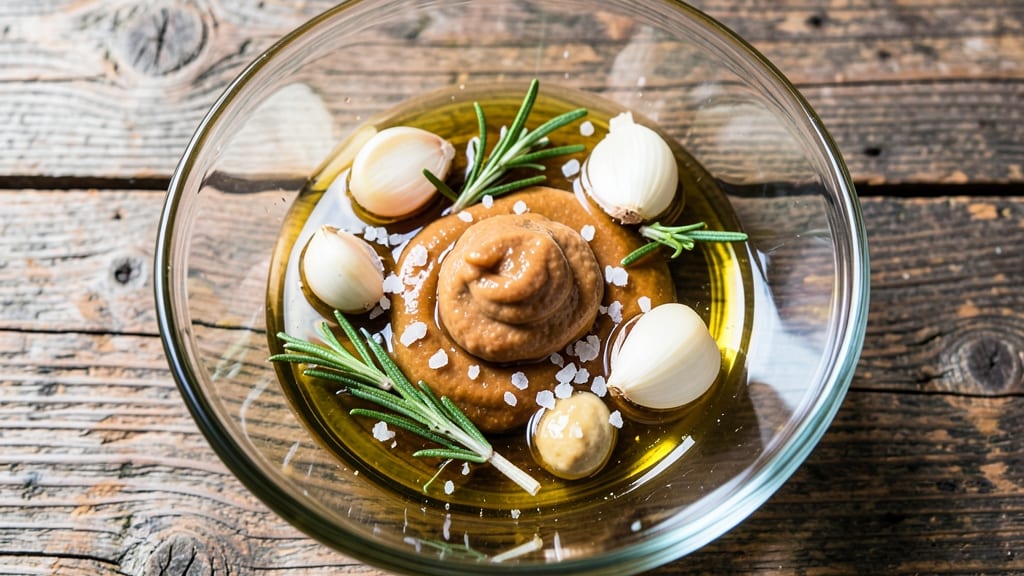
This apple cider vinegar steak marinade transforms tough cuts into melt-in-your-mouth perfection with just 15 minutes of prep and 4-24 hours of marinating time. The acidity tenderizes while infusing rich umami depth that elevates even the simplest steak cuts.
I developed this after years of testing marinades that promised tenderness but often fell short—this one consistently delivers restaurant-quality results at home.
The secret lies in balancing acidity, fat, and aromatics. Apple cider vinegar breaks down tough muscle fibers, olive oil carries flavor into the meat, and garlic, rosemary, and Dijon mustard create complex layers that develop during marinating.
Unlike store-bought versions, this marinade builds flavor over time rather than overwhelming the steak's natural taste.
What you'll achieve is steak that's not just tender but infused with bright, savory notes that make every bite unforgettable. The marinade works equally well on ribeye, sirloin, or flank steak, and leftovers keep beautifully in the fridge for up to a week.
Ready to transform your steak game? Here's exactly how to make it.
This marinade requires no special equipment—just a bowl and whisk—and delivers professional results with basic pantry ingredients. The key is patience: longer marinating (up to 24 hours) yields deeper flavor, but even 4 hours makes a noticeable difference. Let's get started with this game-changing technique.
Ingredients for apple cider vinegar steak marinade
Sixteen minutes to transform tough steak into melt-in-your-mouth perfection—just these ten ingredients work magic.
| Ingredient | Amount | Notes |
|---|---|---|
| Apple Cider Vinegar 🍏 | ½ cup | Raw, unfiltered preferred |
| Extra-Virgin Olive Oil 🫒 | ½ cup | High-quality, fruity variety |
| Dijon Mustard 🥬 | 1 tbsp | Whole grain preferred |
| Garlic Cloves 🧄 | 4 cloves | Freshly minced for potency |
| Fresh Rosemary 🌿 | ¼ cup | Finely chopped sprigs |
| Kosher Salt 🧂 | 1 ½ tsp | Diamond Crystal preferred |
| Black Peppercorns 🌶️ | 1 tsp | Freshly cracked preferred |
| Granulated Garlic 🧄 | 1 tsp | For extra umami depth |
| Worcestershire Sauce 🍶 | 1 tbsp | Vegetarian version if needed |
| Honey 🍯 | 1 tbsp | For subtle sweetness |
The apple cider vinegar is non-negotiable here—it's the acidity that tenderizes the meat. Bragg or Hodgson Mill are my go-tos for that raw, unfiltered punch. Fresh rosemary from the grocery store's produce section (not the dried stuff) gives the best aroma, but if you're using dried, double the amount. The olive oil should be the good stuff—California Olive Ranch or Bertolli work perfectly. For garlic, fresh is ideal, but if you're in a pinch, granulated works in a bind. The Dijon mustard adds that subtle tang that makes this marinade stand out.
No Worcestershire sauce? Soy sauce or coconut aminos work in a pinch, though the flavor will differ slightly. Running short on honey? Maple syrup at half the amount gives a similar sweetness without overpowering. The black peppercorns should be freshly cracked—pre-ground loses its kick fast. If you don't have a pepper grinder, crush them with the flat side of a knife. The kosher salt is crucial for seasoning, but don't skip the Diamond Crystal—Morton's has anti-caking agents that can dull the flavor. For extra richness, add a splash of beef broth if you're marinating for longer than 12 hours.
This marinade keeps beautifully in the fridge for up to 1 week in an airtight container. For best results, use within 24 hours of marinating your steak. If you're prepping ahead, store the marinade separately from the meat in a sealed container. The flavors meld even better over time, so if you're planning a dinner party, marinate overnight. Leftovers? Store them in a jar and use within 5 days—it's perfect for quick steak dinners or even as a salad dressing base.
Why You'll Love This Recipe
- Five-Ingredient Magic: That’s it—just five things in a bowl. The vinegar tenderizes while the olive oil keeps it juicy, and the mustard adds that tangy punch without extra effort. I’ll admit, I used to overcomplicate marinades, but this one’s my shortcut to restaurant-quality steak.
- Tangy, Herby, Addictive: The garlic and rosemary infuse the steak with layers of flavor that stick with you. Honestly, the first bite makes you want to skip dessert—it’s that good. The vinegar’s sharpness cuts through the richness, leaving you with a perfect balance.
- Weeknight or Weekend: Throw it on ribeyes for a fancy dinner or slice it thin for sandwiches the next day. I’ve used it for everything from grilled flank steak to slow-cooked pot roast, and it never lets me down. (Yes, even on a Tuesday night.)
- Leftovers? Better.: Marinate extra and store it—this stuff keeps for days. The flavors deepen over time, so the second batch of steaks comes out even more flavorful. Plus, the ingredients are cheap, so you’re not breaking the bank for a punch.
Step-by-step instructions for apple cider vinegar steak marinade
This marinade transforms tough cuts into melt-in-your-mouth perfection through acid magic and aromatic balance.
Combine the Acidic Base Ingredients
In a medium bowl, whisk together the 0.5 cup apple cider vinegar and 0.5 cup extra-virgin olive oil until fully emulsified. The vinegar's acidity will begin breaking down proteins immediately, so don't let it sit too long before using. I like to use a glass bowl here - it lets me see when the mixture becomes perfectly homogeneous.
Add the 1 tablespoon Dijon mustard and 1 tablespoon Worcestershire sauce to the mixture. These ingredients create a velvety texture while adding depth of flavor. Stir well to incorporate completely - you should see the mustard dissolve into the oil-vinegar emulsion, creating a smooth, pourable consistency.
Incorporate Aromatics and Seasonings
Add the 4 cloves freshly minced garlic, 0.25 cup finely chopped fresh rosemary, 1.5 teaspoons kosher salt, and 1 teaspoon freshly cracked black peppercorns to the bowl. The rosemary should be finely chopped - no large sprigs - so it distributes evenly throughout the marinade. Stir thoroughly to combine all ingredients completely.
Here's where the magic happens: sprinkle in the 1 teaspoon granulated garlic and 1 tablespoon honey. The granulated garlic adds an extra layer of umami depth while the honey balances the acidity. Give everything another good stir - you should smell that perfect combination of bright acidity, herbal rosemary, and sweet undertones.
Test and Adjust the Marinade
Taste the marinade before using it. It should be tangy with a bright acidity, but not overly harsh. The honey should mellow out the vinegar's sharpness while the Worcestershire adds that savory depth. If it needs more balance, add a tiny bit more honey - just ½ teaspoon at a time - until you reach the perfect harmony of flavors.
This marinade works best when used within 24 hours of making it. The acidity continues to work its tenderizing magic over time, but after 24 hours, the flavors may become too intense. Store it in an airtight container in the refrigerator until ready to use.
Apply to Steak and Marinate
Place your steak in a resealable plastic bag or shallow dish. Pour the marinade over the steak, ensuring it coats all surfaces evenly. For best results, I recommend using a 1:1 ratio of marinade to steak weight - so for a 1-pound steak, use about 1 cup of marinade. Seal the bag or cover the dish and refrigerate.
Marinate for 4-12 hours depending on your steak's thickness. Thin cuts like flank steak only need 4-6 hours, while thicker cuts like ribeye can benefit from up to 12 hours. The acidity will begin working immediately, so don't exceed the 12-hour mark or you risk over-tenderizing the meat.
Cook Immediately After Marinating
Remove the steak from the marinade and pat it dry with paper towels. This crucial step ensures a good sear - the moisture from the marinade can prevent proper browning. Discard any unused marinade (never reuse it) as it may contain harmful bacteria from the raw meat.
Cook your steak immediately after marinating. The acid in the marinade begins to denature the proteins, so the meat will cook faster than usual. For best results, bring the steak to room temperature before cooking, about 30 minutes before you plan to sear it.
Pro Tips For Making Apple Cider Vinegar Steak Marinade
- Measure Vinegar Precisely: DESCRIPTION:
- Mince Garlic Like You Mean It: DESCRIPTION:
- Whisk Mustard Until Smooth: DESCRIPTION:
- Marinate No Longer Than 4 Hours: DESCRIPTION:
Perfect pairings for this apple cider vinegar steak marinade
Side Dish Harmony
Pair this marinade with creamy garlic mashed potatoes—the richness of the butter and garlic complements the bright acidity of the marinade beautifully. I like to finish the potatoes with a sprinkle of fresh chives and a touch of black pepper to mirror the marinade's seasoning.
Another fantastic option is roasted Brussels sprouts tossed with balsamic glaze and crispy bacon—the smoky, sweet contrast elevates the steak's umami depth. 🥔
Beverage Pairings
A bold red wine like Cabernet Sauvignon or Malbec stands up to the marinade's acidity and rich flavors. The tannins in these wines cut through the fat and enhance the rosemary and garlic notes.
For beer lovers, a dark lager or porter provides a malty balance that pairs wonderfully with the steak's depth. If you prefer something lighter, a dry Riesling offers crisp acidity that refreshes your palate between bites. 🍷
Sauce Complements
Finish your steak with a red wine reduction or chimichurri sauce to amplify the marinade's flavors. The tangy, herby notes of chimichurri—made with parsley, garlic, red wine vinegar, and olive oil—echo the marinade's bright acidity while adding freshness.
For a richer option, a beef demi-glace drizzled over the steak ties all the savory elements together beautifully. 🍷
Global Flavor Twists
For an Italian-inspired twist, serve the steak with creamy polenta and a side of sautéed mushrooms in garlic butter. The earthy mushrooms and buttery polenta create a cozy, comforting contrast to the bright marinade.
If you're feeling Asian-inspired, pair the steak with sticky jasmine rice and a quick sesame-ginger sauce—the sweet, nutty notes balance the marinade's acidity perfectly. 🌍
Seasonal Adaptations
In summer, add a grilled corn salad with lime, cilantro, and cotija cheese to keep the meal light and refreshing. The citrusy brightness cuts through the richness of the steak.
For winter, a warm mushroom risotto with parmesan and thyme adds hearty comfort. The creamy risotto soaks up any extra marinade juices, making every bite even more flavorful. ❄️
Nutrition facts
Frequently asked questions
Can I use this marinade on other meats besides steak?
This marinade works beautifully on chicken thighs, pork chops, and even lamb chops. The acidity helps tenderize tougher cuts, while the rosemary and garlic add depth to poultry. For fish, reduce the marinating time to 30 minutes to avoid over-acidifying delicate proteins.
Why does my steak turn out mushy after marinating?
Over-marinating is the most common cause! Acidic marinades like this one should never exceed 12 hours—longer exposure breaks down the meat's structure. Also, always pat the steak dry before cooking to ensure a proper sear. For thicker cuts, stick to 6-8 hours of marinating time.
Can I make this marinade without Worcestershire sauce?
Yes! Substitute with 1 tablespoon soy sauce or coconut aminos for a similar umami boost. You'll lose some depth, but the marinade will still be flavorful. For a vegetarian version, use 1 tablespoon tamari instead. The Dijon mustard and honey will still provide that perfect balance of tang and sweetness.
How do I store leftover marinade?
Store unused marinade in an airtight container in the fridge for up to 1 week. The flavors actually improve over time! You can use it as a salad dressing or drizzle it over grilled vegetables. Just remember—never reuse marinade that's touched raw meat after cooking to avoid cross-contamination.
What's the best way to cook steak after marinating?
For perfect results, sear the steak in a hot cast-iron skillet with 1 tablespoon oil per side for 2-3 minutes until a deep crust forms. Then finish in a 400°F oven for 8-12 minutes (depending on thickness) for medium-rare. The marinade's acidity means the steak will cook faster than usual—use a meat thermometer for accuracy!