
Sauces & Condiments
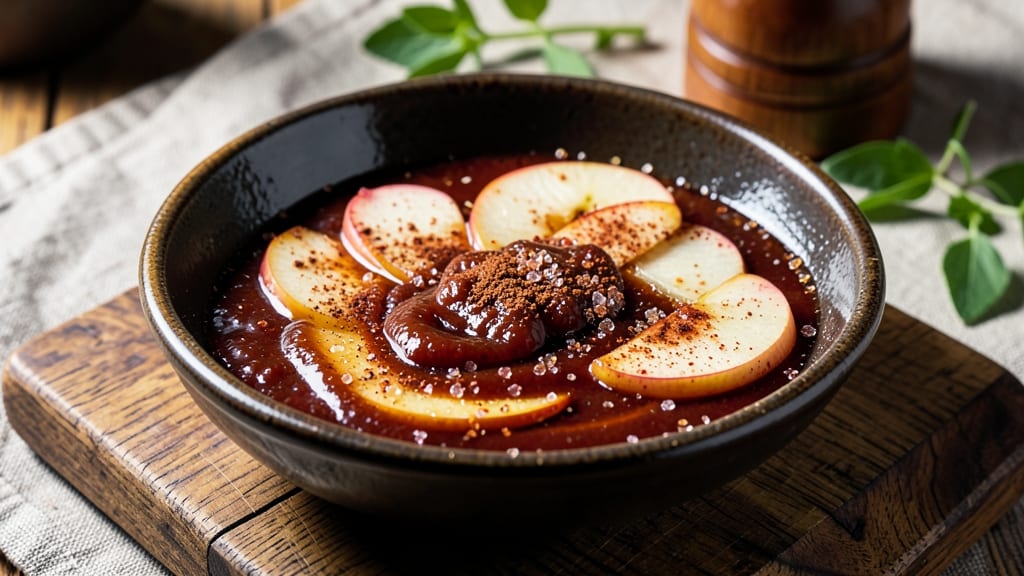
This apple cinnamon barbecue sauce recipe transforms ordinary grilling into an autumnal feast with every bite. 🍎 The perfect balance of sweet apple cider, warm cinnamon, and smoky depth creates a sauce that's versatile enough for ribs, glazes, or dipping—while keeping prep simple.
I developed this after years of perfecting smoky-sweet profiles, and it's become a staple in my pitmaster toolkit.
The secret lies in slow reduction—simmering until the sauce thickens just enough to cling to meats without overwhelming their natural flavors. Apple cider provides natural sweetness, while cinnamon and a touch of cayenne add warmth that lingers.
This isn't just another sweet glaze; it's a sophisticated blend that works as well on pulled pork as it does drizzled over roasted vegetables.
What you'll end up with is a glossy, aromatic sauce that's rich enough to stand alone but balanced enough to complement any dish. The caramelized edges from slow cooking add depth, while the apple-cinnamon aroma fills your kitchen with autumnal comfort.
It stores beautifully in the fridge, so you can make a big batch and use it all week.
Whether you're grilling brisket, glazing chicken thighs, or serving as a dipping sauce for fries, this apple cinnamon barbecue sauce delivers restaurant-quality results with minimal effort. The best part? It's foolproof—no special techniques required, just patience and a few simple ingredients.
Ingredients for apple cinnamon barbecue sauce
Nine simple ingredients transform into a smoky-sweet barbecue sauce perfect for grilling or drizzling.
| Ingredient | Amount | Notes |
|---|---|---|
| Apple Cider 🍎 | 2 cups | Unfiltered for best flavor |
| Tomato Paste 🍅 | ½ cup | Squeeze tube preferred |
| Brown Sugar 🍚 | ½ cup | Packed measurement |
| Cinnamon 🌿 | 2 tbsp | Ground, not sticks |
| Cayenne Pepper 🔥 | ½ tsp | Adjust for heat preference |
| Smoked Paprika 🌶️ | 1 tbsp | For smoky depth |
| Apple Cider Vinegar 🍋 | ¼ cup | For tangy balance |
| Garlic Cloves 🧄 | 3 cloves | Minced for depth |
| Onion Powder 🧅 | 1 tsp | For subtle sweetness |
| Salt 🧂 | 1 tsp | Kosher or sea salt |
The apple cider is the heart of this sauce—unfiltered brands like Woodchuck or Mott's have the best flavor. I always grab the largest jug I can find at Walmart or Costco since it's what I use most often. For tomato paste, those squeeze tubes at Trader Joe's are perfect—they last forever and you only use what you need. Brown sugar? The Domino brand packs perfectly, but any light brown sugar works. The cinnamon should be ground, not sticks—McCormick or Badia are my go-tos, but honestly whatever's in your spice rack will do.
No apple cider vinegar? White vinegar or red wine vinegar works in a pinch, though it won't be quite as tangy. Short on smoked paprika? Regular paprika plus a pinch of liquid smoke gets you close. Want less heat? Skip the cayenne or use half the amount. The garlic can be pre-minced from a jar if you're in a hurry, but fresh is always better. For the onion powder, I've used garlic powder instead when I'm out, but it changes the flavor slightly. If you're making this ahead, prep all your spices and liquids first—it makes the simmering process so much smoother.
This sauce tastes even better the next day as the flavors meld. Store it in a glass jar in the fridge for up to 2 weeks, or freeze portions for 6 months. I like to make a big batch and keep it in my fridge for quick glazes—it's perfect on ribs, chicken, or even drizzled over roasted veggies. If it thickens too much, just add a splash of water or apple cider when reheating. The caramelized edges from slow simmering are what give it that restaurant-quality depth, so don't rush it.
Why You'll Love This Recipe
- Pantry Magic: I swear by this sauce—no fancy ingredients, just what’s already in my cabinet. That apple cider’s tang and brown sugar’s warmth come together while you stir, no chopping, no peeling, just simmering.
- Fall in Love: The cinnamon and cayenne play off each other like a cozy fire and a crisp breeze—sweet with just enough kick. Honestly, I’ve had people ask for the recipe after one bite, and that’s saying something.
- Weeknight Hero: Slather it on grilled chicken for dinner, toss it with roasted veggies for lunch, or even drizzle it over baked beans. It’s my go-to when I’m too tired to plan but still want flavor that feels intentional.
- Budget Win: A single batch stretches across three meals—leftovers taste just as good reheated as they do fresh. Between us, this sauce is cheaper than takeout and way more impressive.
Step-by-step instructions for apple cinnamon barbecue sauce
Here's how to create a perfectly balanced sauce with sweet, spicy, and smoky layers.
🍳 Step 1: Build the Flavor Base
In a medium saucepan, combine the 2 cups apple cider and 0.5 cup tomato paste. Stir over medium heat until the mixture reaches a gentle simmer, which should take about 5 minutes. You'll see the tomato paste dissolve completely and the liquid begin to bubble lightly at the edges.
This is where the foundation happens. The apple cider brings natural sweetness while the tomato paste adds depth. Don't walk away—constant stirring prevents scorching, which can make the sauce bitter. You're aiming for a smooth, thickened consistency that coats the back of a spoon.
🔥 Step 2: Sweeten and Spice
Reduce heat to low and add the 0.5 cup brown sugar, 2 tbsp cinnamon, 0.5 tsp cayenne pepper, and 1 tbsp smoked paprika. Stir continuously for 3-4 minutes until the sugar dissolves completely and the spices are fully incorporated. The mixture should smell rich and aromatic—like autumn in a bottle.
Here's the thing—adding spices at low heat lets them bloom properly without burning. You'll notice the cinnamon's warm aroma first, followed by the smoky depth from the paprika. That's when you know you're on the right track. Taste a small spoonful now—it should be sweet with a hint of spice, but not overwhelming.
🍳 Step 3: Add Aromatics and Acid
Increase heat to medium-low and add the 3 minced garlic cloves, 1 tsp onion powder, and 1 tsp salt. Cook for 2 minutes until fragrant—you should smell that garlic releasing its pungent aroma. Then pour in the 0.25 cup apple cider vinegar and stir well. The sauce will bubble vigorously as the acid reacts with the sugars.
The vinegar is crucial here—it brightens all the flavors and balances the sweetness. You'll see tiny bubbles form as the mixture comes to a gentle simmer again. This is where the sauce transforms from simple ingredients into something complex and layered. Let it cook uncovered for another 3 minutes to let some of the alcohol from the vinegar cook off.
⏰ Step 4: Simmer to Perfection
Return heat to low and let the sauce simmer uncovered for 15-20 minutes, stirring occasionally. You're looking for a thick, syrupy consistency that coats the back of a spoon. The sauce should reduce by about one-third, becoming glossy and rich. If it thickens too quickly, add 1-2 tablespoons of water to maintain balance.
This is the moment that matters: the sauce should smell like a perfect blend of apple, cinnamon, and smoky warmth. Taste it again—now the flavors should be harmonized, with sweetness balanced by tang and heat. If you want it sweeter, add a pinch more brown sugar. For more heat, a tiny extra cayenne. But don't rush this step—patience ensures restaurant-quality results.
🥘 Step 5: Cool and Store
Remove the saucepan from heat and let the sauce cool completely at room temperature. This step is important because the sauce will thicken further as it cools. Once cooled, transfer to a clean jar or airtight container. The sauce will keep in the refrigerator for up to 2 weeks or can be frozen for 3 months—perfect for future grilling sessions.
Here's a pro tip: if the sauce thickens too much after cooling, simply stir in 1-2 teaspoons of water to reach your desired consistency. This sauce is incredibly versatile—use it as a glaze for ribs, a dipping sauce for fries, or even a marinade for chicken. The possibilities are endless, but the method stays the same: balance, patience, and perfect timing.
Pro Tips For Making Apple Cinnamon Barbecue Sauce
- Simmer Slow and Steady: Start on medium heat to avoid scorching the tomato paste—it burns faster than you think. Once everything’s combined, drop to low and let it bubble gently for 20-25 minutes. I learned this the hard way after one batch turned into a charred glop.
- Use Real Cider, Not Juice: Apple cider has pulp and sediment that adds depth to the sauce—don’t strain it out. If you’re in a pinch, thicken with a splash of unsweetened applesauce, but the texture won’t be the same.
- Balance the Heat Early: Taste the cayenne before you simmer it into oblivion. Add it gradually—start with half the recipe’s amount, then adjust. Once it’s in the sauce, you can’t take it back.
- Skip the Store-Bought Spice Blend: Pre-made apple pie spice is fine, but whole cinnamon sticks (or a generous 2 teaspoons of ground) and a pinch of nutmeg make a real difference. Toast the spices in the pot for 30 seconds first—it wakes up their flavor.
Troubleshooting this recipe
Sauce Too Thin?
If your sauce isn't thickening enough during simmering, you're likely not reducing it long enough. The key is low heat and patience—this sauce needs 15-20 minutes of gentle simmering to reach that perfect syrupy consistency. I've seen home cooks rush this step and end up with a runny glaze.
If it's still too thin after that time, remove from heat and let it cool slightly, then return to medium heat for another 5-10 minutes, stirring frequently. The evaporation happens faster when the sauce is hot, so don't walk away! 🔥
Sauce Too Thick?
Over-reducing is a common mistake, especially when making this sauce ahead. If it becomes too thick, don't panic—simply stir in 1-2 tablespoons of water or apple cider while the sauce is still warm. Heat gently for 1-2 minutes to reintegrate the liquid.
I've had this happen when I double the recipe for large batches. For best results, check consistency every 5 minutes during the final simmering phase. The sauce should coat the back of a spoon but still be pourable—not glue-like.
Bitter or Burnt Taste?
This usually happens when the tomato paste or spices burn at the bottom of the pan. Constant stirring is your best defense—never let the sauce sit unattended. If you notice a burnt smell, immediately remove from heat and strain the sauce through a fine-mesh sieve to catch any burnt bits.
For prevention, use a heavy-bottomed saucepan (I love my All-Clad) to distribute heat evenly. And remember: low heat is your friend when working with sugars and spices. 💡
Not Enough Flavor?
If your sauce tastes flat after simmering, it likely needs more time for the flavors to develop. This sauce tastes even better the next day as the spices meld together. For immediate improvement, add ½ teaspoon more cinnamon or smoked paprika and let it simmer for another 5 minutes.
I also recommend using freshly ground spices—pre-ground spices lose potency quickly. And don't skip the apple cider vinegar—it's what brightens all the flavors and prevents the sauce from tasting one-note sweet.
Separation Issues?
Sometimes the spices or sugar can separate from the liquid, especially if you don't stir frequently enough. To fix this, simply whisk vigorously while heating the sauce on low heat for 2-3 minutes. The warmth will help reintegrate everything.
For prevention, keep the heat consistently low and stir every 30 seconds during the initial simmering phase. If you're making this sauce ahead, give it a good stir before reheating to ensure even consistency. The sauce should be smooth and glossy, not grainy or streaky.
Too Sweet or Tangy?
Balancing sweetness and acidity is an art, but easy to adjust. If it's too sweet, add 1-2 tablespoons of apple cider vinegar and simmer for 2 minutes to let the flavors meld. For extra tang, a splash of lemon juice works wonders.
If it's too tangy, stir in 1-2 teaspoons of brown sugar and heat gently until dissolved. I always taste the sauce at multiple stages—after adding spices, after the vinegar, and at the end. This helps me catch imbalances early.
The goal is a harmonious blend where no single flavor dominates. 🍎
Nutrition facts
Frequently asked questions
Can I substitute apple cider with apple juice?
You can use apple juice, but it won't be as flavorful. Apple cider adds depth with its slight tang and sediment, which enhances the sauce's complexity. If you must use juice, choose an unfiltered, cloudy variety for better results. For every 2 cups of apple cider in the recipe, use 1.5 cups of apple juice to maintain balance.
How spicy should this sauce be?
The recipe includes just ½ teaspoon cayenne pepper, which gives a mild warmth rather than heat. For a milder sauce, reduce to ¼ teaspoon or omit entirely. If you love spice, add ½ teaspoon more cayenne or a pinch of red pepper flakes during the final simmer. Always taste as you go!
Can I make this sauce in a slow cooker?
Yes! Combine all ingredients in your slow cooker and cook on Low for 3-4 hours or High for 1.5-2 hours. Stir occasionally to prevent sticking. The slow cooker method develops deeper flavors but requires more liquid adjustment—reduce by halfway through if it's too thin. For best results, finish with 5 minutes on the stovetop to thicken.
What's the best way to use this sauce?
This versatile sauce works as a glaze for ribs, chicken, or pork, a dipping sauce for fries or veggies, or even a marinade for grilled meats. For glazing, brush on during the last 10-15 minutes of cooking. For dipping, serve warm or at room temperature. The smoky-sweet balance makes it perfect for autumn BBQs or holiday meals too!
Why does my sauce taste flat after making it?
Flat flavor usually means the spices didn't bloom properly or the sauce didn't reduce enough. Always simmer on low heat and stir frequently. For better flavor development, let the sauce sit overnight in the fridge before using—this lets the spices meld. If it's still bland, add ½ teaspoon more smoked paprika and reheat gently.