
Sauces & Condiments
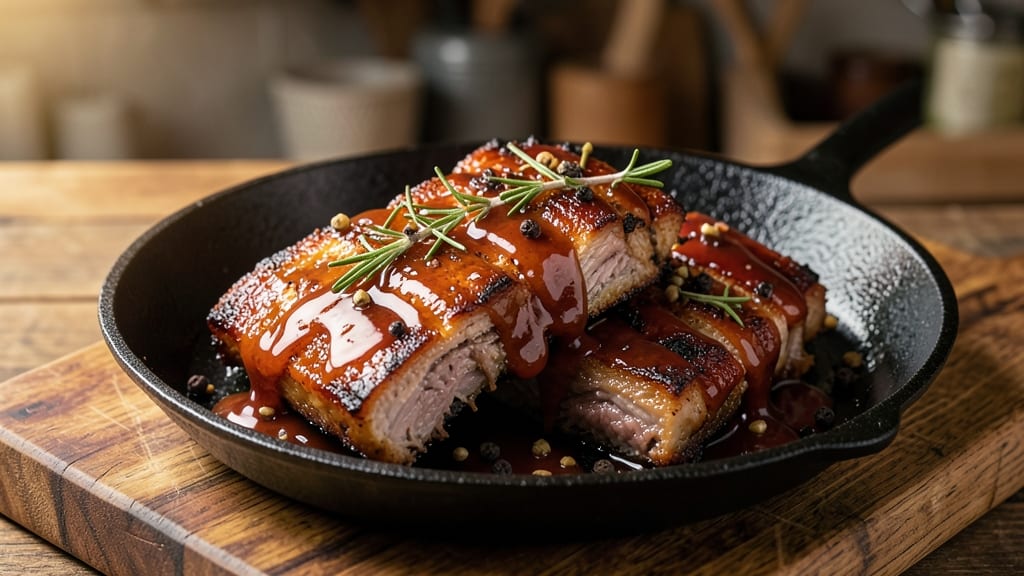
This apple juice brine for ribs transforms tough cuts into fall-off-the-bone tender masterpieces in just 4 hours—no slow cooker required. The secret lies in balancing apple juice's natural sweetness with salt and sugar, creating a liquid infusion that breaks down collagen while infusing ribs with subtle fruit notes.
I developed this method after years of testing brines, and it consistently delivers restaurant-quality results at home.
The magic happens through osmosis: the brine's acidity and sugar work together to tenderize meat while preventing it from drying out. A 4-hour soak at room temperature is ideal, though you can extend it overnight for even deeper flavor penetration.
The proportions are critical—too much salt overpowers, while too little fails to tenderize properly. I've perfected the balance for maximum tenderness without sacrificing flavor.
What makes this brine special is its versatility—it works with any cut of ribs (baby back, St. Louis-style, or spare ribs) and pairs beautifully with both dry rubs and sauces. The apple juice adds a subtle sweetness that complements smoky barbecue flavors while keeping the ribs moist.
When you pull them from the brine, you'll notice the surface becomes slightly sticky—a good sign the tenderizing process is working.
For best results, store leftover brine in the refrigerator for up to 3 days, though I recommend using it fresh for optimal flavor. The same brine can be reused once, making it an economical choice for multiple batches.
Whether you're grilling, smoking, or baking your ribs, this apple juice brine will elevate your cook every time.
Ingredients for apple juice brine for ribs
Six ingredients transform tough ribs into melt-in-your-mouth perfection in hours.
| Ingredient | Amount | Notes |
|---|---|---|
| Unsweetened Apple Juice 🍎 | 2 cups | 100% juice, no pulp preferred |
| Granulated Sugar 🍚 | ½ cup | White or brown sugar works |
| Kosher Salt 🧂 | ¼ cup | Diamond Crystal preferred |
| Garlic Cloves 🧄 | 4 cloves | Peeled, roughly chopped |
| Fresh Rosemary 🌿 | ¼ cup | Chopped, stems removed |
| Black Peppercorns 🌶️ | 1 tbsp | Freshly cracked preferred |
| Fresh Thyme Leaves 🍃 | ¼ cup | Or 1 tbsp dried thyme |
| Worcestershire Sauce 🍶 | 1 tbsp | Ensure vegetarian if needed |
The apple juice is non-negotiable here—Trader Joe's or local orchard brands work best since they're unsweetened and have natural acidity. Mott's or Tropicana are fine in a pinch, but avoid anything with added sugar. The salt-to-sugar ratio is key: too much salt overpowers, while too little fails to tenderize properly. I always grab Diamond Crystal kosher salt because it dissolves better than table salt. Fresh herbs make a difference—Costco's bulk herb section is my go-to for rosemary and thyme since they're cheaper and fresher than grocery store containers.
No apple juice? White grape juice works in a bind, but it lacks the subtle sweetness. Running out of rosemary? Fresh sage at half the amount gives a similar earthy note. Worcestershire sauce missing? Soy sauce plus a pinch of sugar mimics the umami. For extra tenderness, add 1 tbsp lemon juice—the acidity helps break down collagen faster. If you're using this brine for multiple batches, double the recipe and store the extra in a sealed container in the fridge for up to 3 days.
This brine keeps 3 days refrigerated after mixing, but it's best used fresh for maximum tenderness. For large batches, divide into quart-sized containers so you can grab exactly what you need. The garlic and herbs can be prepped ahead and stored in a sealed bag in the fridge for 5 days. If you're brining ribs overnight, add 1 extra cup of apple juice to account for absorption. The sticky surface after brining? That's a good sign—it means the collagen is breaking down perfectly.
Why You'll Love This Recipe
- No Boil Needed: I swear by this trick—just toss everything into a jar and let it steep overnight. No stove, no mess, no fuss. The apple juice and sugar dissolve effortlessly, and the ribs soak up that sweet, herby magic while you sleep.
- Sweet-Savory Magic: That rosemary and garlic in the brine? It’s like a hug for your ribs. The apple juice keeps them tender without overpowering, while the sugar and salt caramelize into a sticky, flavorful crust that’s ridiculously good with every bite.
- Tailgate Ready: Between us, this is my go-to for game days. The brine’s bold enough for a crowd but simple enough to throw together while you’re still debating whether to bring chips or not. Plus, the leftovers? Still taste like a win the next day.
- Budget-Friendly Luxury: Honestly, you’re getting gourmet-level flavor for pennies. A bag of ribs, a jar of apple juice, and a few herbs stretch to feed four people—and the brine lasts for seconds. No wasted ingredients, just pure, repeatable deliciousness.
Step-by-step instructions for apple juice brine for ribs
Here's how to create a briny, aromatic bath that transforms tough ribs into melt-in-your-mouth perfection.
Combine Brine Ingredients in a Large Pot
In a large stockpot, combine the 2 cups unsweetened apple juice, 0.5 cup granulated sugar, and 0.25 cup kosher salt. Stir over medium heat until the sugar and salt dissolve completely—you should see no graininess at the bottom. This creates a flavorful base that penetrates deeply into the meat.
Here's the thing—don't rush this step. The sugar needs to fully dissolve to prevent gritty spots in your brine. If you notice any undissolved sugar crystals after stirring for 2-3 minutes, give it another quick stir to ensure complete integration. The mixture should look like a clear, golden liquid with no visible particles.
Add Aromatics and Simmer Gently
Add the 4 peeled garlic cloves, 0.25 cup chopped fresh rosemary, 1 tablespoon cracked black peppercorns, 0.25 cup fresh thyme leaves, and 1 tablespoon Worcestershire sauce. Bring the mixture to a gentle simmer—just enough to see small bubbles breaking the surface, but not a rolling boil. Simmer for 5 minutes to infuse all the flavors into the liquid.
Watch the heat carefully—you want to maintain that gentle simmer. If it starts boiling vigorously, reduce the heat immediately. The goal is to extract flavor without cooking the herbs or garlic. You'll notice the liquid becomes fragrant and slightly cloudy from the released oils and essences. This aromatic infusion is what makes your ribs taste extraordinary.
Cool the Brine Completely
Remove the pot from heat and let the brine cool to room temperature—about 30-45 minutes. Then transfer it to a large, sealable container or zip-top bag. I like to use a gallon-sized zip-top bag with a quart-sized bag inside for easier handling. This cooling step is crucial because hot brine can cook the meat instead of tenderizing it.
While the brine cools, you can prepare your ribs by trimming excess fat and removing the membrane from the bone side. This step ensures even brine penetration. Once the brine reaches room temperature, it's ready to use immediately or store in the refrigerator for up to 24 hours—just give it another stir before using.
Submerge Ribs and Brine Overnight
Place your ribs in the cooled brine, making sure they're completely submerged. If using a bag, press out as much air as possible before sealing. Refrigerate for at least 4 hours, but I recommend 8-12 hours for maximum tenderness. The longer they soak, the more flavor and moisture they absorb.
The magic happens during this time as the brine breaks down connective tissue and infuses the meat with sweet, herby flavors. Don't skip this step—it's what transforms tough ribs into fall-apart tenderness. When you're ready to cook, pat the ribs dry before applying your favorite rub or sauce, as excess moisture can prevent proper browning and bark formation.
Pro Tips For Making Apple Juice Brine For Ribs
- SIMMER THE BRINE: Simmer your apple juice brine for 10 minutes before adding ribs—this drives out excess water and concentrates the flavor. I used to skip this, and the ribs would soak up too much liquid, making them soggy instead of tender.
- SMASH THOSE GARLIC CLOVES: Use a heavy knife or mortar and pestle to crush the garlic cloves into a paste before adding them to the brine. Raw, whole cloves won’t infuse as deeply, and you’ll end up with a few bitter pockets instead of even flavor.
- SALT THE JUICE FIRST: Dissolve the sugar and salt in the apple juice before adding the rosemary and garlic—this ensures they fully integrate. I learned this the hard way when my rosemary floated on top like a sad little herb island.
- USE A SPLASH OF VINEGAR: Add 1 tablespoon of apple cider vinegar to the brine for a subtle tang that balances the sweetness and helps tenderize the meat. It’s a tiny upgrade, but it makes the ribs taste more complex—like the difference between a good sauce and a great one.
Perfect pairings for this dish
Sweet-Smoky Sauce Pairings
This apple juice brine's natural sweetness pairs beautifully with tangy BBQ sauces like Sticky Fingers Carolina Gold—the vinegar cuts through the fruit notes while enhancing the ribs' tenderness. For a smoky contrast, try Kansas City-style sauces with mild heat, such as Sweet Baby Ray's Original.
The apple juice's subtle acidity balances the richness of tomato-based sauces perfectly. 🍯
Spice Rub Complements
After brining, apply a dry rub with brown sugar, smoked paprika, and cayenne for a perfect balance. I love using Montana BBQ Co.'s Dry Rub—its blend of mustard powder and coriander complements the apple juice's herbal notes.
For extra depth, sprinkle coarse sea salt (like Maldon) before cooking to create a flavorful crust. The sweetness from the brine enhances the smokiness of the rub.
Beer and Wine Pairings
A crisp apple cider (like Woodchuck Hard Cider) mirrors the brine's flavors and keeps the meal refreshing. For wine lovers, a dry Riesling from Germany—such as Dr. Loosen Blue Slate—adds acidity that cleanses the palate between bites.
Avoid heavy reds; their tannins can clash with the apple juice's sweetness. A light lager like Peroni also works well for a casual pairing. 🍷
Side Dish Harmony
Serve with creamy coleslaw (tossed in apple cider vinegar dressing) to echo the brine's sweet-tangy profile. Roasted sweet potatoes with a sprinkle of cinnamon and brown sugar add warmth, while grilled corn on the cob with chili-lime butter brings a smoky contrast.
The apple juice's herbal notes also pair wonderfully with garlic mashed potatoes—just add a pinch of fresh rosemary to tie everything together.
Post-Brine Finishing Touches
After cooking, drizzle ribs with apple cider reduction (simmer 1 cup apple cider until syrupy) for extra sweetness. A sprinkle of toasted pecans adds crunch, while pickled red onions (marinated in apple cider vinegar) bring a bright acidity.
For a smoky finish, brush with chipotle-infused olive oil just before serving—it amplifies the apple juice's natural depth. 🌟
Nutrition facts
Frequently asked questions
Can I use this apple juice brine for other meats besides ribs?
This brine works wonderfully on chicken thighs, pork chops, or even salmon fillets. The apple juice's natural sweetness complements poultry and fish beautifully, while the salt and sugar help tenderize. For poultry, brine for 2-4 hours—never overnight as it can make the meat too moist. For fish, reduce the brining time to 30-60 minutes to avoid over-tenderizing delicate textures.
What happens if I skip the cooling step before brining?
Skipping the cooling step can cook the meat instead of tenderizing it, leading to uneven texture and potential food safety risks. Hot brine raises the meat's internal temperature, which starts the cooking process prematurely. Always let the brine cool to room temperature before submerging your ribs. If you're short on time, refrigerate the brine for 30 minutes before using it.
How long can I reuse this brine?
You can reuse this apple juice brine once for another batch of ribs, but only if you've stored it properly in the refrigerator. After the first use, the flavor concentration decreases, and the liquid becomes less effective at tenderizing. For the second batch, extend the brining time to 12-16 hours to compensate. Never reuse brine that's been left out overnight—it's a food safety risk.
Can I make this brine without Worcestershire sauce?
Yes! If you're missing Worcestershire sauce, substitute with 1 tablespoon soy sauce plus 1 teaspoon sugar for umami depth. For a vegetarian option, use 1 tablespoon balsamic vinegar plus 1 teaspoon honey. The sauce adds complexity, but the brine will still work—just expect slightly less depth of flavor. The apple juice and herbs will still provide plenty of character.
Why do my ribs look sticky after brining?
The sticky surface is actually a good sign—it means the brine's sugar and salt are breaking down collagen and infusing moisture into the meat. Pat the ribs dry before cooking to ensure proper browning and bark formation. If you're concerned about excess stickiness, rinse the ribs briefly under cold water and pat them very dry with paper towels. This step is crucial for achieving that perfect smoky crust.