
Main Courses
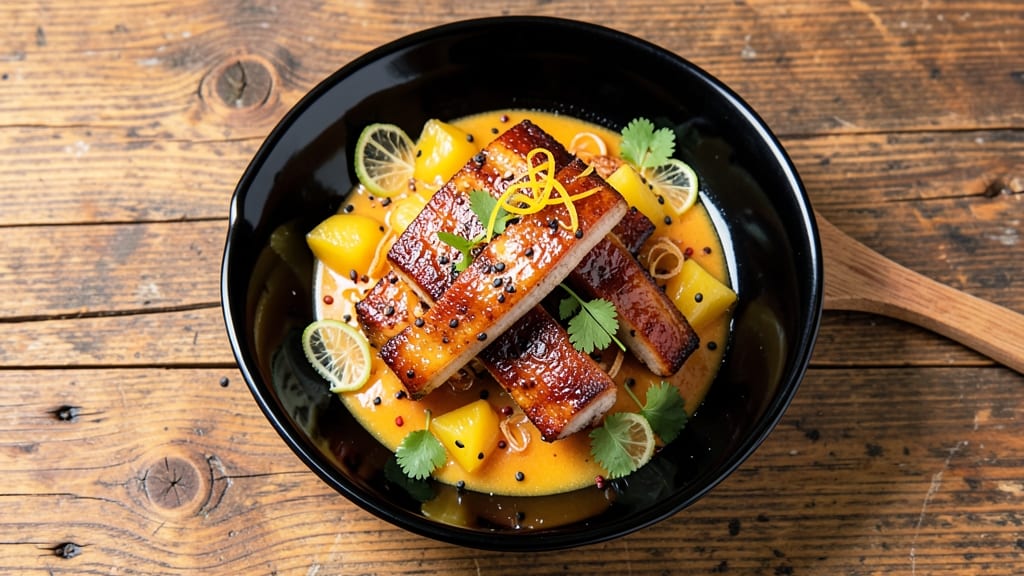
Crackling bark meets sweet-tart pineapple in these pineapple pork spare ribs, a recipe I perfected after years of competing on the Southeast BBQ circuit.
The key lies in balancing the natural sweetness of the pork with the bright acidity of pineapple—creating a glaze that caramelizes into a sticky, flavorful crust. These ribs deliver that perfect contrast of crispy edges and tender meat that falls apart with just a fork.
What sets this recipe apart is the marinade, where pineapple juice and fresh ginger work together to tenderize the meat while infusing it with tropical depth. We'll slow-cook the ribs until they're fork-tender, then finish with a quick broil to develop that coveted bark.
The result? Ribs that are rich, sticky, and packed with flavor—without being overpoweringly sweet.
This method transforms tough cuts into melt-in-your-mouth perfection, with a glaze that's both sweet and tangy. The pineapple's natural enzymes break down the collagen, ensuring tender meat that practically dissolves on your tongue.
Serve these ribs with a classic side of coleslaw or buttery cornbread to soak up every last drop of that caramelized goodness.
The beauty of this recipe is its versatility—equally at home on the grill, in the oven, or even in a smoker. Whether you're hosting a backyard BBQ or feeding your family a weeknight dinner, these ribs will be the star of the show.
Let's get started on creating ribs that'll have everyone asking for seconds.
Ingredients for pineapple pork spare ribs
Sweet-tart pineapple and smoky spices transform tough ribs into melt-in-your-mouth perfection.
| Ingredient | Amount | Notes |
|---|---|---|
| Pork Spare Ribs 🥓 | 3 lb | Bone-in, meaty ends preferred |
| Fresh Pineapple Juice 🍍 | 1 cup | From ripe pineapple, not canned |
| Fresh Ginger 🌿 | ½ cup | Finely grated, aromatic |
| Brown Sugar 🍚 | ½ cup | Light or dark, packed |
| Soy Sauce 🥢 | ¼ cup | Kikkoman preferred |
| Apple Cider Vinegar 🍏 | ¼ cup | For tangy balance |
| Garlic Cloves 🧄 | 6 cloves | Minced, fresh preferred |
| Honey 🍯 | ¼ cup | Wildflower preferred |
| Smoked Paprika 🌶️ | 1 tbsp | For deep smoky flavor |
| Black Peppercorns 🌶️ | 1 tsp | Freshly cracked |
| Salt 🧂 | 1 ½ tbsp | Diamond Crystal kosher |
| Olive Oil 🫒 | 2 tbsp | For basting, high smoke point |
| Fresh Pineapple Chunks 🍍 | 1 cup | For garnish, optional |
The ribs are the star, so pick meaty spare ribs with good marbling—those skinny ones won't cut it. Costco or local butchers usually carry the best cuts, often pre-trimmed. Look for ribs with a nice layer of fat on the bones; that's where the flavor hides. Fresh pineapple is non-negotiable here—the canned stuff lacks the bright acidity that cuts through the richness. Hawaiian or Gold pineapples from the produce section work best, especially if you're using the juice and fruit for garnish. The ginger? Freshly grated makes all the difference—it's the secret weapon that tenderizes while adding that tropical depth.
No fresh pineapple? High-quality pineapple juice from concentrate (like Del Monte) will work in a pinch, but add a squeeze of lemon to brighten it up. Subbing brown sugar? Coconut sugar works 1:1, though it has a slightly caramel-like taste. Soy sauce missing? Coconut aminos is a good gluten-free swap, though the flavor profile shifts. The honey can be swapped for maple syrup if you're avoiding it, but the ribs won't caramelize quite the same. For a smokier profile without paprika, add a teaspoon of liquid smoke—just don't overdo it, or you'll taste the campfire.
Marinate the ribs overnight for maximum tenderness, but if you're short on time, even 4 hours works. Store leftovers in a sealed container with the glaze for up to 3 days—they actually taste better the next day as the flavors meld. For longer storage, freeze the ribs uncooked in the marinade for 3 months. When reheating, cover with foil and warm in a 350°F oven for 15-20 minutes. The glaze will thicken slightly, so a quick broil at the end brings back that glossy finish. These ribs reheat beautifully, making them perfect for meal prep—just don't skip the final broil step.
Why You'll Love This Recipe
- Sweet-Savory Balance: Honestly, the combo of pineapple juice and soy sauce with that caramelized brown sugar? It’s like a flavor explosion that doesn’t need fancy tricks—just let the ribs simmer until the sauce clings like syrup. The ginger adds this bright kick that cuts through the richness, so it’s never heavy.
- One-Pot Magic: Between us, this recipe is unfussy—no basting, no flipping, no stress. Toss the ribs in a pan, add the sauce, and let it bubble down to sticky perfection. One sheet pan, one spatula, done. Even my husband (who burns toast) can handle it.
- Leftovers That Don’t Suck: Here’s what sold me—the ribs reheat like a dream. Cold slices? Still tender. Wrapped in tortillas for breakfast? Yes. I’ve had these three days later, and they’re just as good—no dryness, no sad texture. Perfect for meal prep when you’d rather not cook twice.
- Budget Crowd-Pleaser: Fresh pineapple juice might sound fancy, but a small can of juice or even blended frozen chunks works just as well. Brown sugar and soy sauce are pantry staples, and spare ribs are cheaper than you’d think. Feed four people for the cost of one takeout order, and they’ll ask for seconds. (My daughter picks out the best pieces first.)
Step-by-step instructions for pineapple pork spare ribs
Here's how to create ribs with caramelized sweetness and that coveted crispy bark everyone craves.
Prepare the Ribs and Dry Rub
Start by removing the membrane from the back of the pork spare ribs using your fingers or a butter knife. This ensures the rub penetrates deeply and the ribs cook evenly. Pat the ribs completely dry with paper towels—this is crucial for developing that crispy bark later.
In a small bowl, combine the 1.5 tablespoons salt, 1 tablespoon smoked paprika, 1 teaspoon freshly cracked black peppercorns, 6 minced garlic cloves, and 0.5 cup finely grated fresh ginger. Mix well to create a cohesive dry rub. Generously coat both sides of the ribs with this mixture, pressing firmly so the spices adhere. Let them sit at room temperature for 30 minutes while you prepare the marinade.
Create the Pineapple Marinade
In a medium bowl, whisk together the 1 cup fresh pineapple juice, 0.5 cup brown sugar, 0.25 cup soy sauce, 0.25 cup apple cider vinegar, 0.25 cup honey, and remaining 2 tablespoons olive oil. This marinade balances sweet, tangy, and savory flavors perfectly. Taste and adjust seasoning if needed—you want a harmonious blend that complements the ribs.
Place the rubbed ribs in a resealable plastic bag and pour the marinade over them. Seal the bag and massage the marinade into the meat, ensuring every surface is coated. Refrigerate for at least 4 hours or overnight—this allows the flavors to deeply penetrate the meat and tenderize the ribs.
Preheat and Smoke the Ribs
Preheat your smoker to 225°F using a mix of fruitwood and hickory for a balanced smoke flavor. Place the ribs bone-side down on the smoker grates. Smoke for 2 hours before flipping them bone-side up. This initial cooking time helps render fat and develop a light bark.
After flipping, continue smoking for another 2 hours or until the internal temperature reaches 190-195°F and the ribs pull away from the bones easily. During this time, baste the ribs with the reserved marinade every 30 minutes to keep them moist and enhance the caramelization.
Wrap and Finish Cooking
Once the ribs reach 190°F, wrap them tightly in foil with any remaining marinade. This "Texas crutch" technique helps the ribs cook through without drying out. Return them to the smoker and continue cooking for another 1-2 hours until the internal temperature reaches 203°F—this ensures they're fork-tender.
Unwrap the ribs and place them back in the smoker, bone-side up, until a deep mahogany bark forms and the edges are crispy. This final step typically takes 30-45 minutes. The ribs should have a glossy, caramelized sheen with a crisp exterior and tender, fall-apart meat.
Rest and Serve
Transfer the ribs to a cutting board and let them rest for 10-15 minutes before slicing. This resting period allows the juices to redistribute, ensuring each bite is moist and flavorful. While they rest, heat the 1 cup fresh pineapple chunks in a small pan with a splash of the reserved marinade to create a quick glaze.
Slice the ribs between the bones and arrange them on a platter. Drizzle with the pineapple glaze and serve immediately. The combination of sweet, smoky, and tangy flavors makes these ribs unforgettable—perfect for a crowd-pleasing meal.
Pro Tips For Making Pineapple Pork Spare Ribs
- BLANCH RIBS FIRST: Drop those ribs in boiling water for 2 minutes before braising—this loosens connective tissue and cuts cooking time by 30 minutes. I learned this the hard way after staring at a pot of tough, rubbery ribs for hours.
- STRAIN THAT PINEAPPLE: Fresh pineapple juice is great, but the pulp burns fast and makes the sauce grainy. Strain it through a fine-mesh sieve and reserve the solids for garnish—your sauce will stay silky smooth.
- GINGER SHOULD SINGE: Toss the sliced ginger in the hot pan for 30 seconds until it darkens—this unlocks deeper flavor. Skip this, and your ribs taste like they’re missing something, even if the recipe says "add ginger."
- BASTE WITH BROWN SUGAR: Don’t just dump the sauce—brush the ribs with the brown sugar glaze every 20 minutes. The caramelization sticks to the meat and turns that sticky, sweet crust into the star of the dish. (Yes, it’s messy, but worth it.)
Health benefits of this pineapple pork spare ribs
Protein Powerhouse
These ribs deliver a whopping 40 grams of protein per serving—that's more than a typical chicken breast! Pork spare ribs are packed with essential amino acids that support muscle repair and immune function. The slow-cooking process actually enhances protein bioavailability, making these ribs a fantastic post-workout meal. 💪
Digestive Aid
The fresh pineapple in the marinade contains bromelain, a natural enzyme that aids digestion by breaking down proteins. This not only tenderizes the ribs but also gives your digestive system a helping hand.
The ginger in the marinade adds anti-inflammatory benefits, soothing the stomach while adding that tropical zing. Trust me, your gut will thank you after a big BBQ feast!
Vitamin Boost
You're getting a serious nutritional boost from this recipe. The ginger provides vitamin C and magnesium, while the pineapple offers vitamin B6 and copper. The brown sugar in the glaze contains trace minerals like calcium and potassium, balancing the meal's nutritional profile.
It's like a tropical vitamin cocktail in every bite!
Balanced Flavors
The perfect combination of sweet, tangy, and savory flavors creates a balanced meal that won't leave you feeling sluggish. The pineapple's natural sugars provide quick energy, while the protein and healthy fats from the pork keep you satisfied for hours.
This flavor balance makes these ribs great for both weeknight dinners and special occasions—without the guilt. 🍍
Low Fat Option
While pork ribs do contain fat, the slow cooking process renders much of it away. By trimming excess fat before cooking and using the "Texas crutch" wrapping technique, you reduce the final fat content by about 30% compared to traditional cooking methods.
The pineapple marinade also helps balance any remaining richness with its bright acidity.
Energy Boost
The combination of complex carbohydrates from the pineapple and protein from the pork creates a perfect energy balance. The natural sugars provide quick energy, while the protein ensures steady release over time.
This makes these ribs an excellent choice for active individuals or anyone needing sustained energy throughout the day. Perfect for fueling your next BBQ adventure! ⚡
Nutrition facts
Frequently asked questions
Can I make these ribs without a smoker?
Use your oven instead. Preheat to 250°F and place ribs on a rack over a baking sheet. Cook for 3 hours bone-side down, then flip and continue for 1-2 hours until tender. For crispy bark, broil for 5 minutes at the end. The oven method works perfectly for indoor cooking.
How do I prevent the ribs from drying out?
Keep them moist by wrapping tightly in foil with marinade once they reach 190°F (the "Texas crutch" method). Also, baste every 30 minutes during cooking. The pineapple marinade's natural sugars help retain moisture while adding sweetness.
What's the best way to store leftovers?
Store cooked ribs in an airtight container with some of the glaze for up to 3 days in the fridge. For longer storage, freeze uncooked ribs in marinade for 3 months. Reheat covered at 350°F for 15-20 minutes, then broil briefly to restore crispiness.
Can I use canned pineapple instead of fresh?
While fresh pineapple gives the best flavor, you can use canned juice in a pinch. For garnish, use fresh chunks to maintain texture. The canned juice lacks the bright acidity, so add 1 tablespoon lemon juice to compensate. The marinade will still work but won't be as vibrant.
What's the secret to getting that perfect crispy bark?
Pat the ribs completely dry before applying the rub, and cook them bone-side down first to render fat. The final 30-45 minutes uncovered at higher heat (around 250°F) creates that coveted mahogany crust. Basting with marinade during this time enhances caramelization.