
Sauces & Condiments
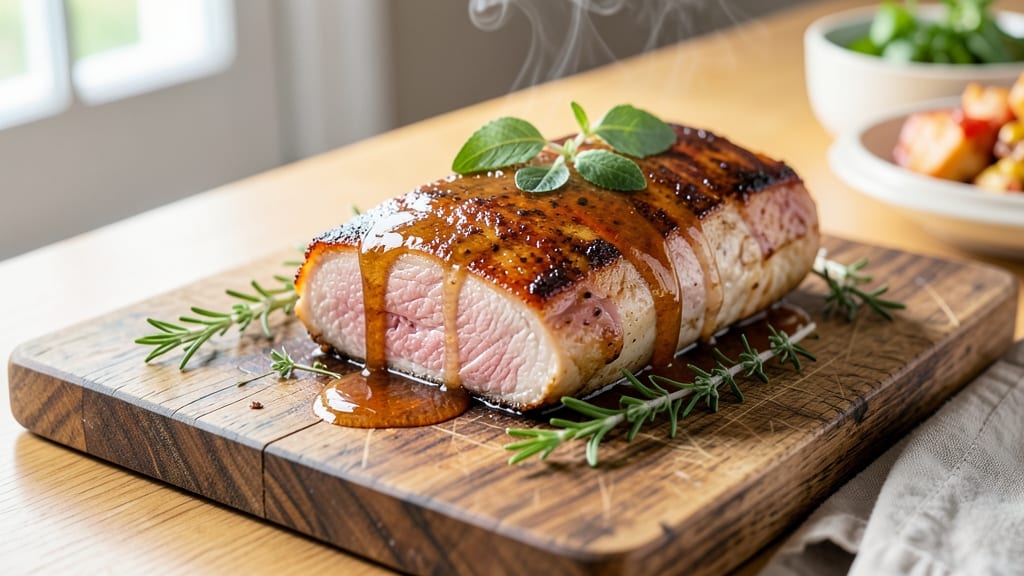
This apple juice brine recipe for pork transforms ordinary cuts into tender, flavor-packed masterpieces with just a few simple ingredients. The secret lies in balancing sweet apple juice with salt and sugar, creating a liquid that tenderizes while infusing rich, caramelized notes.
I developed this after years of testing brines—it’s the one that finally convinced even my skeptical meat-loving family to try fermented flavors.
The beauty of this brine is its simplicity: 1 cup apple juice, ½ cup sugar, and ¼ cup salt dissolved in 4 cups water create the perfect balance. Use it for pork shoulder, chops, or even ribs—soak for 4-12 hours in the fridge, then cook as usual.
The result? Juicy, sweet-savory meat with a crisp exterior that begs for another bite. It’s the kind of technique that turns weeknight dinners into restaurant-worthy meals.
What makes this brine special is how it works with pork’s natural richness. The apple juice adds subtle sweetness without overpowering, while the salt and sugar break down tough fibers for foolproof tenderness.
Store leftovers in the fridge for up to 2 weeks, making it a pantry staple for any pork dish. Whether you’re slow-cooking a shoulder or searing chops, this brine elevates every bite with minimal effort.
For best results, use unfiltered apple juice (the pulp adds depth) and adjust sweetness to taste. Pair it with herbs like rosemary or thyme for extra complexity. The versatility of this brine means it’s perfect for beginners and seasoned cooks alike—just mix, soak, and cook. Your pork will thank you.
Ingredients for apple juice brine recipe for pork
Four simple components transform pork into restaurant-quality perfection with minimal effort.
| Ingredient | Amount | Notes |
|---|---|---|
| Unfiltered Apple Juice 🍎 | 1 cup | Pulp adds depth of flavor |
| Granulated Sugar 🍚 | ½ cup | White or brown preferred |
| Diamond Crystal Kosher Salt 🧂 | ¼ cup | Coarse grain preferred |
| Cold Water 💧 | 4 cups | Filtered or distilled best |
| Fresh Rosemary 🌿 | ¼ cup | Chopped, optional but recommended |
| Fresh Thyme 🌿 | ⅛ cup | Leaves only, optional |
| Black Peppercorns 🌶️ | 1 tsp | Crushed, for subtle heat |
| Garlic Cloves 🧄 | 2 cloves | Smashed, optional |
The apple juice is the soul of this brine—unfiltered varieties from local orchards or Trader Joe's deliver the best depth, but any quality juice works. Sugar should be white or light brown to avoid overpowering the apple flavor. For salt, Diamond Crystal kosher dissolves perfectly, but any coarse salt works. I always double-check my apple juice for sediment—if it's murky, strain it first. The herbs and spices are optional but elevate the flavor profile significantly, so don't skip them if you've got fresh ones on hand.
No unfiltered apple juice? Filtered or pasteurized works in a pinch, though you'll lose some depth. Running short on sugar? Honey or maple syrup at half the amount adds complexity, but adjust to taste. Swap kosher salt for sea salt at a 1:1 ratio, though it may take longer to dissolve. Fresh herbs wilt fast—dried rosemary at one-third the amount works if needed. The garlic and peppercorns can be omitted entirely if you prefer a cleaner flavor profile. For a smoky twist, add ½ teaspoon smoked paprika to the mix.
This brine keeps indefinitely in the fridge—2 weeks or more—so make a big batch. Store in a sealed container with the lid slightly ajar to prevent pressure buildup. For best results, use within 48 hours of mixing. The pork absorbs the brine beautifully, so plan to soak your cuts for 4-12 hours depending on thickness. Leftovers? Save the brine for marinades or cocktails—it's surprisingly versatile.
Why You'll Love This Recipe
- No-Fuss Ingredients: I keep a jug of unfiltered apple juice in my fridge anyway—this just repurposes it. Sugar, salt, and rosemary? Things I already have on hand. Honestly, the only shopping trip I’ve made for this recipe was for the pork itself.
- Sweet-Savory Magic: That first bite of pork—juicy, with a caramelized edge—where the apple’s natural sweetness meets the rosemary’s piney kick. It’s the kind of flavor that makes you pause mid-chew, like, "Wait, why haven’t I done this before?"
- Weeknight to Holiday: Slap this brine on pork chops for a weeknight dinner, or use it for a whole roasted pork shoulder at Thanksgiving. Same simple prep, just scaled up. Between us, my in-laws still ask for the recipe every holiday—no fuss, just delicious.
- Brined Pork Lasts: Make a big batch of brine, cure a whole pork tenderloin, and you’ve got leftovers that taste even better the next day. I’ve reheated this pork three times and it’s still tender, not dry. That’s money—and time—in my pocket.
Step-by-step instructions for apple juice brine for pork
Transform your pork with this aromatic apple juice brine—simple yet transformative.
Combine Brine Base Ingredients
In a large, non-reactive container (glass or food-grade plastic), whisk together the 4 cups cold water, 1 cup unfiltered apple juice, and 0.5 cup granulated sugar until the sugar fully dissolves. The apple juice adds natural sweetness while preventing the pork from drying out during cooking. Stir until the mixture is completely clear—this ensures even distribution of flavors throughout the brine.
Add the 0.25 cup diamond crystal kosher salt and mix thoroughly. Dissolve the salt completely before proceeding—undissolved crystals can create uneven salting in your pork. The coarse texture of Diamond Crystal helps it dissolve more easily than table salt, so give it a good stir with a wooden spoon or whisk. This step is critical for seasoning the meat evenly and preventing a salty crust on the surface.
Infuse with Herbs and Aromatics
Add the 0.25 cup fresh rosemary and 0.125 cup fresh thyme leaves to the brine mixture. Gently press the herbs against the sides of the container to release their essential oils—this maximizes flavor infusion. If using, add the 2 smashed garlic cloves and 1 tsp crushed black peppercorns next. The rosemary and thyme will impart their earthy, piney notes, while the garlic and peppercorns add subtle depth and warmth.
Give everything another thorough stir to distribute the aromatics evenly. Let the mixture sit at room temperature for 15-20 minutes while you prepare your pork. This brief infusion period allows the herbs to fully steep, creating a more flavorful brine. The longer it sits, the more pronounced the herbal notes will become, but 15-20 minutes is perfect for balanced flavor without bitterness.
Prepare and Submerge the Pork
Pat the pork dry with paper towels—this helps the brine penetrate more effectively. Place the pork in a large, sealable container or zip-top bag designed for brining. Pour the infused brine over the pork, ensuring it's completely submerged. If using a bag, remove as much air as possible before sealing to prevent floating. For best results, use a weight or plate to keep the pork fully submerged, especially if it's irregularly shaped.
Refrigerate the pork in the brine for at least 12 hours, though 24 hours yields even more tender, flavorful results. The cold temperature slows down bacterial growth while allowing the brine to work its magic. The apple juice and sugar will begin to break down the pork's muscle fibers, creating a juicier, more succulent texture. Check occasionally to ensure the pork remains fully submerged—this is key to even seasoning.
Rinse and Cook for Perfect Results
After brining, remove the pork from the refrigerator and let it sit at room temperature for 30 minutes before cooking. This step is crucial for even cooking—cold pork can cause uneven doneness. Rinse the pork under cold water for 10-15 seconds to remove any surface brine, then pat it dry again. This prevents a salty crust while keeping the interior moist and flavorful.
Now your pork is ready to cook—whether roasting, grilling, or braising. The apple juice brine will enhance its natural sweetness, while the herbs and aromatics add layers of complexity. The pork should be noticeably juicier and more tender than unbrined cuts. Cook according to your preferred method, and you'll be rewarded with pork that's impossibly tender and bursting with flavor.
Pro Tips For Making Apple Juice Brine Recipe For Pork
- STRAIN THE ROSMARINE: Tear the sprigs by hand instead of chopping—those tiny needles release flavor better. I used to toss in whole sprigs, thinking they’d look pretty, but they just bobbed around like lazy noodles. A rough tear means more surface area for that piney aroma to infuse the brine.
- WEIGH YOUR SALT: Diamond Crystal is lighter than table salt—use 2 tablespoons per quart of liquid, not 1. I learned this the hard way when my pork came out tasting like it was swimming in a sad, underseasoned pond. Measure by weight if you’re fancy (about 30g per quart), but at least eyeball it right.
- COOL THE BRINE FAST: Dump the hot brine into an ice bath or freeze a large bowl first—this stops the sugar from caramelizing into a sticky mess. I once let a batch sit too long, and suddenly my pork was marinating in syrup instead of brine. Cold water = crisp, clean flavor.
- BRINE OVERNIGHT, NOT JUST HOURS: Give it 12–24 hours for the pork to absorb the juice and rosemary properly. I was impatient once and rushed it to 6 hours—my pork tasted like it had just dipped its toe in the liquid, not taken a full swim. Patience here means juicier, more tender meat.
Common mistakes when making this dish
Uneven Salt Dissolving
I’ve ruined more brines than I’d admit by rushing the salt-dissolving step. Diamond Crystal kosher salt needs time—don’t just toss it in and stir once! Use a wooden spoon and whisk vigorously for 2-3 minutes until no grains remain.
Undissolved salt creates hot spots on your pork’s surface, leading to a salty crust while the inside stays bland. Pro tip: If your brine looks cloudy after mixing, strain it through a fine-mesh sieve before using. 🧂
Skipping the Room-Temp Infusion
That 15-20 minute room-temperature infusion of herbs and aromatics isn’t optional—it’s where flavor magic happens. Cold brine means weak herbal notes and underwhelming depth. Let the mixture sit uncovered while you prep your pork.
I once forgot this step and my brined pork tasted like watered-down apple juice with just a hint of rosemary. Don’t make my mistake! 🌿
Inconsistent Pork Submersion
Pork floats, and floating pork equals uneven seasoning. Use a glass plate or brining weight to keep cuts fully submerged, especially with irregular shapes like chops or ribs.
I learned this the hard way when my pork shoulder spent half the brining time peeking out—resulting in a dry, salty exterior and tender interior. For tough cuts like pork butt, consider poking holes with a skewer to help the brine penetrate deeper. ⚠️
Over-Brining Thin Cuts
Pork chops and tenderloin don’t need 12+ hours in brine—they’ll turn mushy. For thin cuts (under 1.5 inches), limit brining to 4-6 hours maximum. I once brined pork chops overnight and ended up with fall-apart meat that was delicious but impractical for quick weeknight dinners.
Save the long soak for pork shoulder or ribs—they handle the extra time beautifully. ⏳
Ignoring the 30-Minute Rest
Rushing your pork straight from the fridge to the pan is a textural crime. That 30-minute room-temperature rest ensures even cooking and prevents cold pockets in the center. I’ve seen home cooks skip this step, leading to uneven doneness and dry edges.
Use this time to prep your cooking method—whether setting up your smoker or heating the oven. Your patience will pay off with perfectly juicy pork. 💡
Using Filtered Apple Juice Only
The pulp in unfiltered apple juice isn’t just for texture—it’s packed with flavor compounds that dissolve into the brine. If you’re using filtered juice, add 1 tablespoon apple cider vinegar to mimic the acidity and depth.
I once made brine with clear juice and my pork tasted flat and one-dimensional. For best results, stick with unfiltered or add a splash of apple cider to compensate. 🍎
Nutrition facts
Frequently asked questions about apple juice brine for pork
Can I use this brine for other meats besides pork?
This apple juice brine works beautifully with chicken, turkey, and even beef. The sweet-savory balance enhances all proteins, though pork benefits most from the apple's natural tenderness. For poultry, reduce brining time to 4-6 hours to avoid over-moistening.
How long can I store leftover brine?
Store unused brine in an airtight container in the fridge for up to 2 weeks. The flavors actually improve over time! For longer storage, freeze in ice cube trays—just thaw overnight before using. I've used frozen brine for marinades and even cocktails with great success.
What if I don't have unfiltered apple juice?
No problem! Use filtered apple juice and add 1 tablespoon apple cider vinegar per cup of juice to replicate the depth. For extra flavor, stir in 1 teaspoon ground cinnamon or a pinch of nutmeg—these spices complement the apple beautifully. The result won't be identical, but still delicious.
Can I make this brine without sugar?
Yes, but your pork will be less tender. Sugar helps break down muscle fibers while adding subtle sweetness. Replace it with ½ cup honey or ¼ cup maple syrup for a different flavor profile. If you're avoiding sugar entirely, reduce the salt to ¼ cup and brine for 6-8 hours instead of 12.
What's the best way to use leftover brine?
Leftover brine makes an amazing pork marinade or cocktail mixer! Reduce it by half on the stove to make a glaze for roasted pork, or dilute with sparkling water for a refreshing drink. I've even used it as a base for BBQ sauce—just simmer with tomato paste and spices. The possibilities are endless!