
Sauces & Condiments
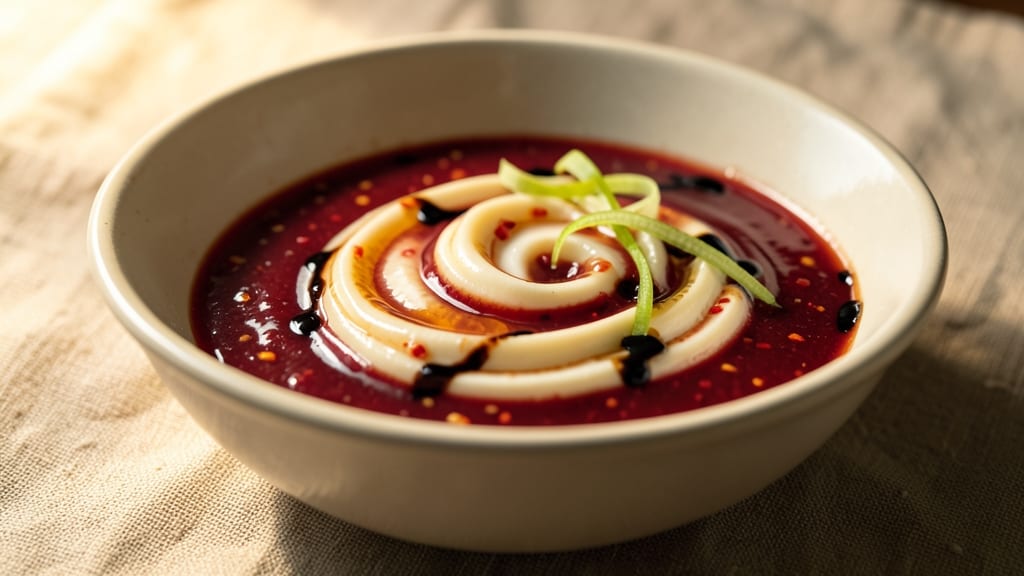
This apple kimchi sauce recipe transforms bold fermented flavors into a versatile condiment that bridges sweetness and heat in perfect balance.
The process combines fresh apple purée with tangy kimchi juice and a touch of vinegar, creating a sauce that's equally at home glazing grilled meats or drizzled over rice bowls.
What makes this recipe stand out is how it preserves kimchi's signature funk while mellowing it into something approachable—no fermentation experience required.
The foundation of this sauce lies in its simple yet deliberate ingredient ratios: sharp apple cider vinegar brightens the kimchi's depth, while a touch of honey or sugar rounds out the acidity.
The sauce develops its signature complexity during a 15-minute simmer, where the flavors meld into a cohesive, slightly thickened consistency. What you'll end up with is a condiment that's vibrant enough to elevate simple dishes but flexible enough to adapt to any meal.
One of the sauce's greatest strengths is its versatility—use it as a dipping sauce for dumplings, a glaze for roasted vegetables, or a marinade for tofu and chicken. The apple component adds natural sweetness that cuts through kimchi's spice, making this sauce surprisingly approachable for those new to fermented flavors.
With proper storage, it keeps for up to two weeks in the refrigerator, allowing you to enjoy its bold character long after making it.
This recipe is perfect for those who love the complexity of kimchi but want a more versatile product. The balance of sweet, tangy, and spicy flavors makes it ideal for both everyday cooking and special occasions. Let's get started on creating this dynamic sauce that will transform your meals.
Ingredients for apple kimchi sauce
Nine ingredients blend fermented funk with sweet heat in this vibrant, approachable sauce.
| Ingredient | Amount | Notes |
|---|---|---|
| Fresh Apple Purée 🍎 | 1 cup | Unsweetened, homemade or store-bought |
| Kimchi Juice 🥬 | 1 ½ cups | From 1 lb kimchi, strained |
| Apple Cider Vinegar 💧 | ¼ cup | Raw, unfiltered preferred |
| Honey 🍯 | 2 tbsp | Raw honey for depth of flavor |
| Low-Sodium Soy Sauce 🍜 | 1 tbsp | For umami balance |
| Fresh Ginger 🌿 | 1 tbsp | Grated, fresh for zing |
| Garlic Cloves 🧄 | 3 cloves | Minced, for aromatic depth |
| Sesame Oil 🫒 | 1 tsp | Toasted, for nutty finish |
| Kosher Salt 🧂 | ½ tsp | Diamond Crystal preferred |
| Red Chili Flakes 🌶️ | ½ tsp | Adjust for heat preference |
The kimchi juice is where the magic happens—look for bright, tangy liquid from a jar of fresh kimchi (not pasteurized). Trader Joe's and Korean markets carry excellent options, but any quality kimchi works. The apple purée should be unsweetened to avoid cloying flavors, so if you're making it fresh, skip the added sugar. For the honey, raw local honey adds subtle floral notes that complement the kimchi's funk. If you can't find raw, regular honey still works—just taste as you go. The ginger and garlic are non-negotiable for depth, but if you're short on time, pasteurized kimchi with extra juice can substitute for fresh kimchi juice (just add a splash of water to thin it).
No apple cider vinegar? White vinegar or lemon juice works in a pinch, though the flavor will be slightly sharper. Swap honey for maple syrup or agave if you prefer, but honey's floral notes really elevate the sauce. The sesame oil is optional but adds that signature nutty finish—toasted sesame oil is best, but regular works too. For extra umami without soy sauce, try a splash of miso paste (just 1 tsp). The red chili flakes can be omitted entirely if you're sensitive to spice, but the sauce will lack that signature kick. If you're using jarred kimchi, strain through a fine-mesh sieve to remove any solids for a smoother sauce.
This sauce thickens as it cools, so thin with water if needed. Keeps for 2 weeks in an airtight jar in the fridge, though the flavors actually improve over time. For longer storage, freeze in ice cube trays—perfect for single-use portions. The sauce reheats beautifully, so it's great for drizzling over rice bowls or glazing proteins. If you make a big batch, divide into smaller containers to prevent mold growth. Trust me, the first time you drizzle this over grilled chicken or toss it with noodles, you'll be hooked.
Why You'll Love This Recipe
- Five-Ingredient Magic: I swear by this combo—just blend, simmer, and taste. No fancy techniques, no hidden steps. The apple purée softens the kimchi’s bite while the vinegar keeps it bright, and honestly? That honey-soy glaze happens in one pot.
- Sweet-Savory Balance: The tang of kimchi juice meets the crisp sweetness of apple—like someone took your favorite BBQ sauce and gave it a spicy, umami hug. I drizzle it over everything, but my kids still fight me for the last spoonful straight from the jar.
- Pantry-to-Table Flex: This sauce plays dress-up. Drizzle it on grilled chicken for a quick weeknight dinner, toss it with noodles for a 15-minute meal, or use it as a glaze for roasted veggies. (Yes, even on a Tuesday night.) The leftovers? They last a week in the fridge, so you’re always covered.
- Budget Brightener: Kimchi juice and apple cider vinegar stretch this sauce far—way cheaper than store-bought glazes, and way more flavorful. I make big batches because it’s my go-to for turning simple proteins into something special without breaking the bank. Plus, the honey adds richness without the guilt.
Step-by-step instructions for apple kimchi sauce
This vibrant sauce comes together in minutes with bold flavors that balance sweet, tangy, and spicy notes.
Bloom the Aromatics in Sesame Oil
Heat a small saucepan over medium-low heat and add the 1 teaspoon sesame oil. Swirl gently until fragrant—about 30 seconds. This step awakens the nutty depth of the oil before we add the other ingredients. Watch carefully as sesame oil burns quickly when overheated.
Add the 3 minced garlic cloves and 1 tablespoon freshly grated ginger to the warm oil. Cook for 1-2 minutes until the garlic turns golden and the ginger releases its bright aroma. You'll smell that signature zing—this is when the flavors really start to develop. Remove from heat immediately to prevent burning.
Combine Wet Ingredients for Flavor Fusion
In a medium saucepan, combine the 1 cup fresh apple purée, 1.5 cups kimchi juice, and 0.25 cup apple cider vinegar. Stir over medium heat until the mixture reaches a gentle simmer—about 3-4 minutes. The apple purée will help balance the kimchi's acidity while adding natural sweetness.
Add the cooked garlic-ginger mixture to the simmering liquid, followed by the 2 tablespoons honey and 1 tablespoon low-sodium soy sauce. Stir constantly for 2-3 minutes until the honey dissolves completely. You should see the sauce begin to thicken slightly as the flavors meld together. This is where the sauce starts taking shape—pay attention to the color transition from pale to rich amber.
Season and Simmer to Perfection
Reduce heat to low and add the 0.5 teaspoon kosher salt and 0.5 teaspoon red chili flakes. Stir well to distribute the seasoning evenly. Let the sauce simmer gently for 5-7 minutes, stirring occasionally, until it thickens to a glossy consistency that coats the back of a spoon.
Taste and adjust seasoning if needed—you might want to add a touch more honey for sweetness or a pinch of salt to enhance the umami. The sauce should have a perfect balance of tangy, sweet, spicy, and savory notes. If it's too thick, add 1 tablespoon water at a time until you reach your desired consistency. This sauce works best when used immediately, but it will keep in the refrigerator for up to 5 days.
Pro Tips For Making Apple Kimchi Sauce
- Simmer Slow and Steady: This sauce isn’t a race—bring it to a gentle boil, then drop to the lowest heat you can tolerate. I used to rush it, and the vinegar would just evaporate into harshness instead of melding. Let it bubble softly for 10-15 minutes, stirring occasionally, so the apple purée doesn’t scorch at the edges.
- Strain That Kimchi Juice: Skip the murky bits—use a fine-mesh sieve or cheesecloth to strain your kimchi juice before adding it. The sediment makes the sauce gritty, and you don’t want that texture fighting with the smooth apple-honey balance. (Yes, it’s extra work, but your sauce will taste like it belongs in a restaurant.)
- Balance the Vinegar First: Taste the raw vinegar before adding honey or soy sauce. If it’s too sharp, dilute it with a splash of water or apple juice—this sauce should brighten, not sting. I learned this after making a batch so sour I had to dump half down the drain.
- Reduce the Purée Early: Cook down the apple purée until it’s syrupy (about 5 minutes) before adding other ingredients. This thickens the base and prevents the sauce from being watery later. (Pro move: Use a nonstick pan—it’s less likely to burn.)
Serving suggestions for this recipe
Dipping Sauce Perfection
This sauce is a game-changer for dumplings, spring rolls, or even crispy tofu bites. Serve it warm in a small crock pot or chafing dish so guests can dip as they please.
I like to garnish with extra sesame seeds and thinly sliced scallions for freshness and texture contrast. The apple sweetness balances the kimchi's funk, making it irresistible for picky eaters. 🍜
Grilled Meat Glaze
Brush this sauce onto grilled chicken, pork, or shrimp during the last 2-3 minutes of cooking for a sticky, caramelized finish. The acidity in the apple cider vinegar tenderizes the meat while the honey creates a beautiful glaze.
I recommend using it on boneless, skinless chicken thighs for maximum flavor absorption. Pair with steamed jasmine rice for a complete meal.
Rice Bowl Elevator
Drizzle 2-3 tablespoons of this sauce over steamed rice, then top with pan-seared tofu, quick-pickled cucumbers, and a soft-boiled egg. The sauce's tangy-sweet profile cuts through the richness of fried foods beautifully.
For extra crunch, add toasted sesame seeds and crispy fried shallots on top. It's my go-to for quick weeknight meals. 🍚
Marinade Magic
Use this sauce as a marinade for tofu, chicken, or shrimp—let it sit for at least 30 minutes (or overnight for deeper flavor). The apple purée keeps the protein moist while the kimchi adds complexity.
I love using it on extra-firm tofu before pan-frying or baking. For seafood, marinate for no more than 15 minutes to prevent overcooking.
Salad Dressing Twist
Thin with 1-2 tablespoons water to create a vibrant salad dressing. Toss with mixed greens, shredded cabbage, and sliced apples for a refreshing side dish. The dressing works especially well with arugula or spinach salads. For extra richness, add avocado slices or crumbled feta cheese on top.
Breakfast Boost
Drizzle this sauce over scrambled eggs, avocado toast, or even pancakes for a savory-sweet surprise. The apple-kimchi combo adds unexpected depth to breakfast staples. I like to serve it with crispy bacon or sautéed mushrooms for a hearty morning meal.
It's a great way to start the day with bold flavors. 🍳
Nutrition facts
Frequently asked questions
Can I make this sauce without apple purée?
Yes! Substitute with ½ cup unsweetened applesauce or ¼ cup apple juice concentrate for similar sweetness. For a different texture, try ½ cup finely diced apple cooked until soft—just strain out any excess liquid to maintain consistency. The key is balancing the acidity from kimchi with some fruit sweetness.
How do I adjust the heat level?
For milder heat, reduce the red chili flakes to ¼ teaspoon or omit entirely. For extra spice, add ½ teaspoon gochugaru (Korean red pepper flakes) or a dash of cayenne. Remember, the kimchi itself contributes some heat—taste your kimchi juice first to gauge its spice level before adjusting.
What if my sauce is too thin?
Simmer uncovered for 3-5 extra minutes to thicken naturally. If still too runny, mix 1 teaspoon cornstarch with 1 tablespoon cold water, stir into the sauce, and simmer for 1 minute until thickened. Avoid over-thickening—this sauce should remain glossy and pourable for best results.
Can I use pasteurized kimchi?
Just add 1 tablespoon water to the kimchi juice to compensate for its lower moisture content. Pasteurized kimchi lacks natural fermentation funk, so boost umami by adding ½ teaspoon fish sauce or an extra ½ tablespoon soy sauce. The texture will be slightly smoother but still delicious.
How long will this sauce keep?
Store in an airtight container in the fridge for up to 2 weeks. The flavors actually deepen over time! For longer storage, freeze in 1-tablespoon portions in ice cube trays—perfect for single-use applications. Thaw overnight in the fridge before using. The sauce may separate slightly when refrigerated; just stir before using.