
Main Courses
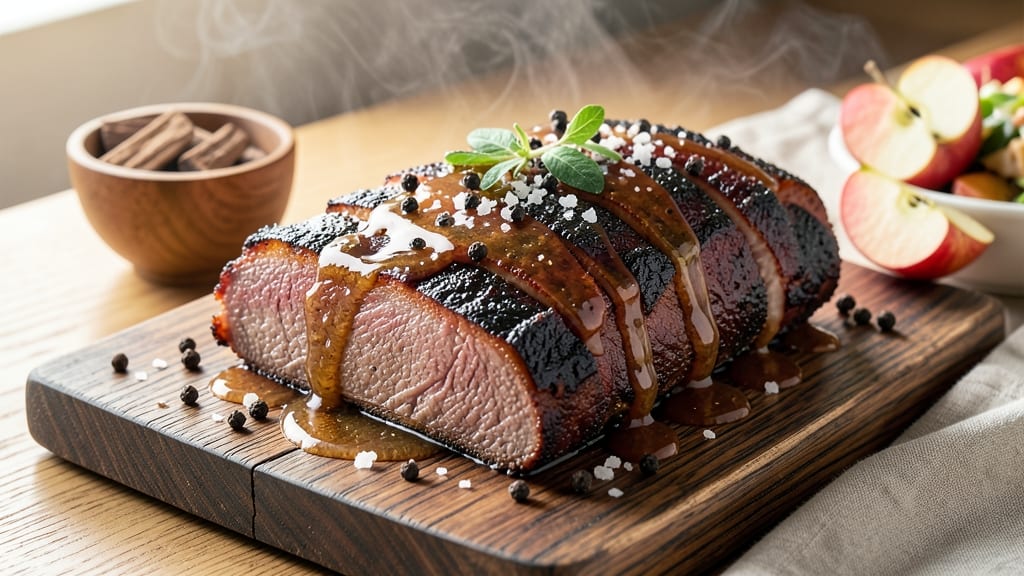
This apple smoked brisket recipe delivers fall-apart tenderness with a sweet-smoky depth that transforms a simple brisket into a showstopper. The secret lies in applewood infusion—whether through chips, cider marinades, or a finishing glaze—that caramelizes beautifully while keeping the meat juicy.
I've perfected this technique over years of smoking competitions, and it consistently wins over even the most skeptical meat lovers.
The process begins with a low-and-slow smoke using applewood chips, which infuses the meat with fruity undertones while breaking down the tough connective tissue. A simple apple-cider brine enhances moisture, and a final apple reduction glaze adds that signature sticky sweetness.
The result? A brisket so tender it practically melts in your mouth, with a bark that's both crisp and aromatic.
What sets this recipe apart is the balance of sweet and smoky flavors—no overwhelming sugar, just a harmonious infusion that complements the beef's natural richness. The applewood smoke creates layers of complexity, while the glaze adds a glossy finish that makes every slice look (and taste) restaurant-worthy.
This is the kind of brisket that turns a casual cookout into a memorable feast.
Serve with classic sides like roasted potatoes or tangy coleslaw to round out the meal, or drizzle extra glaze over sliced brisket for a touch of elegance.
The leftovers reheat beautifully, making this the perfect recipe for feeding a crowd or prepping ahead. Let's get started on creating your most flavorful brisket yet.
Ingredients for apple smoked brisket
Six pounds of brisket meets applewood smoke for restaurant-quality tenderness at home.
| Ingredient | Amount | Notes |
|---|---|---|
| Packer Cut Brisket 🥩 | 6 lb | Whole packer cut preferred |
| Applewood Chips 🌳 | 2 cups | Unsoaked, natural wood chips |
| Apple Cider Vinegar 🍎 | 1 cup | Raw, unpasteurized preferred |
| Granulated Sugar 🍚 | ½ cup | Light brown preferred |
| Kosher Salt 🧂 | ¾ cup | Diamond Crystal preferred |
| Black Peppercorns 🌶️ | 1 tbsp | Freshly cracked preferred |
| Fresh Apples 🍎 | 4 whole | Honeycrisp or Fuji preferred |
| Yellow Onion 🧅 | 1 whole | Yellow or sweet preferred |
| Fresh Garlic 🧄 | 6 cloves | Peeled and smashed |
| Apple Juice 🍏 | 1 cup | Unsweetened preferred |
| Smoked Paprika 🌶️ | 1 tbsp | For finishing glaze |
| Mustard Powder 🌿 | 1 tsp | For glaze depth |
| Beef Broth 🍲 | 1 cup | Low-sodium preferred |
The brisket cut is non-negotiable—packer cut delivers that signature fall-apart texture. Source from a trusted butcher or Costco for consistency. Look for good marbling and a uniform shape. Applewood chips should be natural, not treated—Traeger or Cookshack brands are reliable. The apples? Honeycrisp or Fuji hold their shape during cooking and add perfect sweetness. If using pre-cut brisket, trim excess fat to 1/4-inch thickness for even bark formation. Freshly cracked peppercorns elevate flavor beyond pre-ground options.
No applewood chips? Hickory chips work in a pinch, though they'll lack the fruity depth. Substitute apple cider vinegar with white vinegar plus 1 tsp apple juice concentrate. For the glaze, mango nectar or pear juice can replace apple juice if needed. The onions and garlic are flexible—red onions add color, while elephant garlic intensifies flavor. Prefer less sweetness? Reduce sugar to 1/4 cup and add 1 tsp cinnamon. The beef broth can be swapped for water plus 1 tsp beef bouillon if absolutely necessary, though quality matters here.
Brisket reheats best at 275°F wrapped in butcher paper for 2-3 hours. Store cooked brisket in the fridge for 5-6 days or freeze for 3 months—wrap tightly in foil first. For the glaze ingredients, keep apples peeled and sliced in a sealed container for 3 days, while apple juice and vinegar stay shelf-stable for 6 months unopened. Portion glaze ingredients into small containers to avoid waste—ice cube trays work perfectly for single-use portions.
Why You'll Love This Recipe
- Smoke-Free Shortcut: I swear by this method—no smoker required. Just toss applewood chips in the oven with the brisket, and the wood chips infuse that smoky depth without the hassle. The vinegar and sugar mop caramelizes into a sticky glaze that practically falls off the fork.
- Sweet-Savory Magic: That apple cider vinegar and sugar combo? It’s the secret weapon. The vinegar tenderizes the brisket while the sugar melts into a glossy, tangy crust—like a cross between a BBQ sauce and caramel apple. My kids fight over the last slice.
- Tailgate or Tuesday: This brisket shines at parties (it feeds 6-8 easily) but also works for a lazy Sunday when you don’t want to fuss. The leftovers? Even better the next day—shred it for sandwiches or slice it for breakfast tacos. Honestly, I’ve eaten it cold straight from the fridge.
- Budget-Friendly Feast: A packer cut brisket stretches for days, and applewood chips cost pennies compared to pre-made rubs. The sugar and vinegar are pantry staples, so this recipe won’t break the bank. Plus, the flavor is so rich you’ll forget you’re saving money.
Step-by-step instructions for apple smoked brisket
Master this technique and you'll achieve brisket with fall-apart tenderness and applewood-infused depth.
Prepare the Brisket and Dry Rub
Begin by trimming the fat cap of the 6 lb packer cut brisket to about ¼-inch thickness using a sharp boning knife. Leave the fat on the edges to protect the meat during smoking. Pat the brisket dry with paper towels—this ensures a better bark later.
In a small bowl, combine 0.75 cup kosher salt, 0.5 cup granulated sugar, 1 tbsp freshly cracked black peppercorns, and 1 tbsp smoked paprika. Mix thoroughly. Generously coat the brisket with this dry rub, pressing it into the meat so it adheres well. Place the seasoned brisket on a wire rack set over a baking sheet and refrigerate uncovered for 12-24 hours. This dry-brining step enhances flavor penetration and creates a perfect crust.
Build the Applewood Smoke Base
Fill a smoker with 2 cups applewood chips and add 1 cup apple cider vinegar to the water pan. Preheat the smoker to 225°F using the applewood chips. Maintain a steady temperature—this low-and-slow approach is critical for tenderizing the tough brisket fibers.
Once the smoker reaches 225°F and you see clean, blue smoke, place the brisket fat-side up on the grill grates. The fat will render slowly, basting the meat and contributing to the bark. Avoid opening the smoker during the first 2 hours—each time you peek, you lose heat and extend cook time.
Smoke Until the Stall and Wrap
Smoke the brisket for 6-8 hours until the internal temperature reaches 165-170°F. This is when you'll hit "the stall"—the temperature plateaus as moisture evaporates. Don't panic; this is normal and necessary for tenderizing.
At this point, wrap the brisket tightly in butcher paper (not foil). This "Texas crutch" technique powers through the stall while preserving the bark. Return the wrapped brisket to the smoker and continue cooking until the internal temperature reaches 200-205°F (about 4-6 more hours). The probe should slide in like butter with no resistance.
Prepare the Apple Glaze and Finish
While the brisket smokes, prepare the glaze. In a saucepan, combine 1 cup apple juice, 1 cup beef broth, 4 whole fresh apples (peeled and chopped), 1 whole yellow onion (chopped), and 6 cloves fresh garlic (smashed). Simmer for 30 minutes until the mixture reduces to a thick, syrupy consistency. Strain through a fine-mesh sieve to remove solids.
Return the strained glaze to the saucepan and stir in 1 tsp mustard powder. Simmer for an additional 5 minutes until slightly thickened. Brush this glaze generously over the brisket during the final 30 minutes of smoking. The glaze adds sweetness and helps create a glossy finish.
Rest and Slice for Maximum Juiciness
Remove the brisket from the smoker and let it rest in the butcher paper for at least 1 hour (preferably 2 hours). This resting period allows the juices to redistribute throughout the meat, ensuring every slice is moist and flavorful.
Unwrap the brisket and locate the grain direction. Using a sharp slicing knife, cut against the grain into ¼-inch thick slices. Serve immediately with the remaining apple glaze spooned over the top. The brisket should have a deep mahogany bark on the outside and a beautiful pink smoke ring just beneath. Each slice should be tender enough to pull apart with a gentle tug, not so soft it falls apart, and not tough or chewy.
Pro Tips For Making Apple Smoked Brisket
- Trim the Fat First: Slice off that thick fat cap before smoking—it’s the difference between a brisket that renders juices and one that steams itself dry. I learned this the hard way when my first attempt turned into a greasy, soggy mess.
- Soak Chips in Vinegar: Toss applewood chips in apple cider vinegar for 30 minutes before smoking. Sounds weird, but it works: the acid softens the wood faster, giving you that deep, tangy smoke without overpowering the meat.
- Spritz with Sugar-Vinegar Mix: Skip store-bought spritz—mix equal parts apple cider vinegar and sugar water (1:1 ratio) and hit the brisket every 90 minutes. The sugar caramelizes into a glossy crust while keeping the meat moist.
- Wrap at 170°F: Don’t rush the wrap—wait until the brisket hits 170°F internal temp before wrapping in butcher paper or foil. After burning three batches, I finally figured out that patience here means tender, pull-apart perfection.
Dietary considerations for this dish
Gluten-Free Adaptations
This recipe is naturally gluten-free, but always double-check your ingredients. The applewood chips and smoked paprika should be certified gluten-free brands like Traeger or Simply Organic. The dry rub's kosher salt and sugar are safe, but avoid cross-contamination by using separate utensils and surfaces.
The apple glaze ingredients are all gluten-free, but store-bought beef broth may contain hidden gluten—opt for brands like Pacific Foods or Imagine for safety. 🌱
Low-Sodium Options
For those watching sodium intake, reduce the kosher salt to 0.5 cup and boost flavor with extra smoked paprika and freshly cracked pepper.
Use a low-sodium beef broth like Swanson or Kirkland Signature, and add an extra 1 tsp onion powder and ½ tsp garlic powder to the dry rub for depth. The apple glaze remains unchanged, as its sweetness balances any reduced saltiness. Always taste as you go!
Dairy-Free Considerations
This recipe is inherently dairy-free, but if serving with sides, avoid butter-based preparations. For coleslaw, use a vinegar-based dressing with apple cider vinegar and olive oil instead of mayo. When slicing, ensure your knife and cutting board haven't come into contact with dairy products.
The applewood smoke and glaze provide enough richness to satisfy without dairy—just focus on crisp vegetables and fresh herbs for balance. 🥗
Allergen-Friendly Swaps
For nut allergies, keep all ingredients as-is since none contain nuts. If someone has apple allergies, substitute apple juice and apple cider vinegar with pear juice and white vinegar (plus ½ tsp apple extract for flavor). For egg allergies, no adjustments are needed—the recipe doesn't include eggs.
Always verify all spices and broths are processed in allergen-free facilities if severe sensitivities exist. When in doubt, check labels on smoked paprika and beef broth for potential cross-contamination warnings.
Keto-Friendly Adjustments
To make this keto-friendly, reduce the granulated sugar in the dry rub to 2 tbsp (or omit entirely) and use erythritol or monk fruit sweetener instead. The apple glaze can be made with unsweetened apple juice and sugar-free beef broth, though the natural sweetness of apples will still shine.
Serve with keto sides like cauliflower mash or zucchini noodles to keep carbs in check. The fat content in brisket aligns perfectly with keto macros—just watch portion sizes if tracking macros closely. 🥩
Vegetarian Alternatives
While this recipe is meat-focused, you can create a vegetarian version using jackfruit or seitan as a brisket substitute. Marinate the jackfruit in the same apple cider vinegar and spices, then smoke it at 225°F for 4-5 hours until tender.
For seitan, use a beef-style seasoning blend and smoke until firm. The apple glaze works beautifully on both alternatives, though texture will differ. Note that vegetarian options won't achieve the same fall-apart tenderness as beef brisket, but they'll deliver similar smoky-sweet flavors. 🌱
Nutrition facts
Frequently asked questions about apple smoked brisket
Can I use applewood chips if I don't have a smoker?
If you don't have a smoker, try using applewood chips in your oven. Place them on a foil tray under the brisket while roasting at 275°F for 4-6 hours. For extra smoke flavor, add apple cider vinegar to the water pan or drizzle it over the brisket during cooking. The result won't be as intense as true smoking, but you'll still get that delicious applewood infusion.
How do I know when the brisket is done?
Use a meat thermometer to check the internal temperature. The brisket is done when it reaches 200-205°F in the thickest part. The probe should slide in easily with no resistance. For extra confirmation, look for a deep mahogany bark and a pink smoke ring just beneath the surface. The meat should pull apart easily when sliced against the grain.
What's the best way to reheat leftover apple smoked brisket?
Wrap the brisket tightly in butcher paper or foil and reheat in a 275°F oven for 2-3 hours. This slow method preserves moisture and prevents drying out. For a quick option, reheat slices in a skillet over medium-low heat with a splash of beef broth or apple juice. Avoid microwaving—it makes the meat rubbery.
Can I make the apple glaze ahead of time?
Yes! Prepare the glaze up to 3 days ahead and store it in an airtight container in the fridge. Reheat it gently on the stove before brushing on the brisket. For longer storage, freeze the glaze in ice cube trays, then transfer to a freezer bag. Thaw overnight in the fridge before using. This saves time on cooking day and ensures you're ready to glaze during the final 30 minutes of smoking.
What if my brisket turns out too dry?
Overcooking is the most common cause of dry brisket. To fix it, wrap the brisket in butcher paper and return it to the smoker at 225°F for 1-2 more hours to redistribute juices. If it's already sliced, try reheating with extra beef broth or apple juice in a skillet. For future attempts, monitor the internal temperature closely and wrap the brisket when it hits 165°F to lock in moisture.