
Appetizers
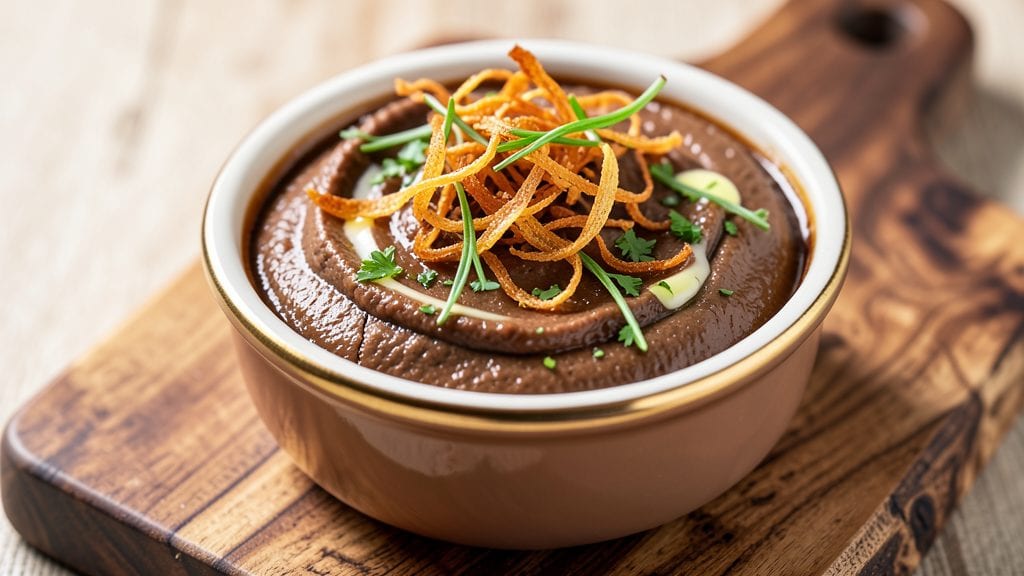
Creating a baked chicken liver pâté transforms simple ingredients into a luxurious appetizer with velvety texture and deep herbal notes. This recipe delivers restaurant-quality results using precise techniques—from properly preparing the liver to achieving that signature silky consistency.
The key lies in balancing rich flavors with just the right amount of butter and fresh herbs, ensuring every bite is both decadent and refined.
What sets this pâté apart is the careful preparation process, where clean, cooked livers blend seamlessly with aromatic herbs and high-quality butter. Unlike store-bought versions, this recipe avoids fillers and preservatives, focusing instead on natural ingredients that develop rich flavor during baking.
The result is a pâté that’s smooth yet structured, with a golden crust that adds both visual appeal and subtle crunch.
Once baked and chilled, this pâté becomes a showstopper—perfect for serving on toasted baguette slices, crackers, or even as a sophisticated garnish for charcuterie boards. The combination of tender liver, creamy butter, and bright herbs creates a harmony that’s both elegant and deeply satisfying.
With just a few simple steps, you’ll achieve a dish that feels like a gourmet creation.
Safety is critical when working with raw liver, so we’ll cover proper handling techniques to ensure a flawless final product. Whether you’re hosting a dinner party or simply craving something special, this pâté delivers professional results with minimal effort. Let’s get started on crafting this luxurious appetizer.
Ingredients for baked chicken liver pate
Transform humble ingredients into a luxurious pâté with velvety texture and refined herbal notes.
| Ingredient | Amount | Notes |
|---|---|---|
| Chicken Livers 🍗 | 1 lb | Fresh, trimmed of connective tissue |
| Unsalted Butter 🧈 | ½ cup | European-style for higher fat content |
| Shallots 🧅 | 4 whole | Minced finely for subtle sweetness |
| Fresh Parsley 🌿 | ¼ cup | Stems included, finely chopped |
| Fresh Tarragon 🌿 | 2 tbsp | Finely chopped, French preferred |
| Fresh Thyme 🌿 | 1 tbsp | Leaves only, finely chopped |
| Dijon Mustard 🍯 | 1 tbsp | High-quality for tangy depth |
| Heavy Cream 🥛 | ¼ cup | Whole milk fat for richness |
| Diamond Crystal Kosher Salt 🧂 | ½ tsp | Fine grain for even dissolution |
| Freshly Ground Black Pepper 🌶️ | ¼ tsp | Cracked peppercorns preferred |
| Baguette Slices 🍞 | 8 whole | Toasted for serving (optional) |
| Extra-Virgin Olive Oil 🫒 | 1 tbsp | For greasing the baking dish |
The foundation begins with fresh, high-quality chicken livers—look for vibrant, deep-red pieces without any grayish tinge, which indicates spoilage. Local butchers or specialty markets often carry the best selection, though major grocery chains like Whole Foods or Kroger typically stock them as well. Trim away any connective tissue or silver skin meticulously, as these can impart bitterness. For the butter, European-style brands like Plugrá or Kerrygold provide superior fat content, essential for achieving that signature silky mouthfeel. Shallots should be firm and papery-skinned, with no signs of sprouting. Fresh herbs—particularly tarragon and thyme—are non-negotiable; dried versions lack the aromatic complexity needed to elevate this dish.
Substitutions must be approached with caution to preserve the pâté's delicate balance. If fresh tarragon is unavailable, dried tarragon at one-third the amount can suffice, though the flavor profile will differ slightly. For shallots, finely minced red onion works in a pinch, though it adds a sharper bite. The heavy cream can be replaced with full-fat Greek yogurt for a tangier twist, though the texture will be slightly denser. Mustard-free? A blend of 1 tsp lemon juice and 1 tsp honey mimics the tang and sweetness, though the depth won't be identical. Always ensure your butter is unsalted, as added salt can disrupt the careful seasoning balance. For the herbs, fresh parsley alone won't cut it—cilantro or chives can supplement but won't replicate the anise-like notes of tarragon.
Proper handling of raw livers is critical for both safety and texture. Rinse livers under cold water immediately after purchasing, then pat them thoroughly dry with paper towels—any moisture will hinder searing. Store them wrapped in damp paper towels in the refrigerator for up to 2 days before use. Once prepared, the pâté can be refrigerated for 4-5 days or frozen for up to 3 months in an airtight container. For serving, toast baguette slices until golden and crisp, then spread with a generous layer of pâté. The dish also pairs beautifully with pickled vegetables or roasted nuts for added contrast. Always transfer the pâté to a shallow dish before chilling to ensure even cooling and a smooth, crack-free surface.
Why You'll Love This Recipe
- No Fuss, One Bowl: I swear by this—just toss the livers in a dish with butter, shallots, and herbs, then bake. No blender, no straining, no mess. The butter melts right into the livers, turning them into a silky spread with zero effort.
- Rich Without Trying: That crispy edge on the outside? The buttery, herby melt inside? Honestly, it’s like someone took the best parts of foie gras and made them affordable. The tarragon and parsley give it a bright, fresh finish that cuts through the richness.
- Party in a Jar: Between us, this is my go-to for holiday appetizers or last-minute dinner guests. Scoop it onto crusty bread, spread it on crackers, or even dollop it on toast with a fried egg. It’s fancy enough for a gathering but takes less time than deciding what to order for takeout.
- Budget Luxury Leftovers: Chicken livers are cheap, and this recipe stretches them far. I make a big batch, store it in the fridge, and use it all week—on toast, in sandwiches, or even mixed into scrambled eggs. It’s the kind of dish that makes you feel indulgent without breaking the bank.
Step-by-step instructions for baked chicken liver pâté
This method delivers a velvety pâté with perfect texture and balanced herbal notes every time.
Prepare the Chicken Livers
Rinse the 1 lb chicken livers under cold water and pat them completely dry with paper towels. Remove any connective tissue or membranes using your fingers—this ensures a smooth, silky texture. Trim off any visible fat or discoloration, as these can affect the pâté's quality.
Place the cleaned chicken livers in a mixing bowl and cover with cold water. Let them soak for 15 minutes to remove any bloodline, then drain and rinse again under cold water. This step is crucial for preventing a metallic taste in the final pâté. After rinsing, pat them dry once more with paper towels to remove excess moisture.
Sauté the Shallots and Herbs
In a medium skillet, melt the 0.5 cup unsalted butter over medium heat. Add the 4 whole shallots that have been finely minced, along with the 2 tbsp finely chopped fresh tarragon, 1 tbsp finely chopped fresh thyme, and 0.25 tsp freshly ground black pepper. Cook for 5-6 minutes, stirring occasionally, until the shallots are translucent and the mixture is fragrant but not browned.
Remove the skillet from heat and stir in the 0.25 cup finely chopped fresh parsley and 1 tbsp Dijon mustard. Let the mixture cool slightly—this prevents the butter from separating when combined with the livers later. The herbs should release their aromatic oils, creating a fragrant base for the pâté.
Blend the Pâté Mixture
Transfer the cooled shallot-herb mixture to a food processor along with the drained chicken livers. Pulse the mixture until the livers are finely chopped but not yet fully blended. Add the 0.25 cup heavy cream and pulse again until the mixture is completely smooth, scraping down the sides of the bowl as needed. This step ensures an ultra-silky texture without any graininess.
With the food processor running, slowly drizzle in the remaining melted butter from the skillet. This creates a rich, velvety emulsion that binds the pâté together. The mixture should be thick but still pourable—if it's too stiff, add 1-2 teaspoons of water to adjust the consistency.
Bake for a Silky Texture
Preheat your oven to 350°F. Grease a 9-inch round baking dish with 1 tbsp extra-virgin olive oil, then transfer the pâté mixture into the dish. Smooth the top with a spatula and sprinkle evenly with the 0.5 tsp Diamond Crystal kosher salt. Place the dish in a water bath by setting it inside a larger baking dish filled with hot water—this gentle steaming method prevents the pâté from drying out.
Bake for 30-35 minutes, until the center is just set but still slightly wobbly when gently shaken. The pâté should be warm throughout but not firm—overbaking will make it rubbery. Remove from the water bath and let it cool to room temperature before serving.
Serve with Toasted Baguette
Slice the 8 whole baguette slices and toast them lightly until golden and crisp. Spread the cooled pâté onto the toasted slices, creating generous portions for each serving. The pâté should hold its shape slightly when spread but still be creamy and smooth. Garnish with additional chopped fresh parsley if desired.
Serve immediately with a crisp white wine or a dry sparkling wine to complement the rich, herbal flavors. The pâté can be refrigerated for up to 3 days in an airtight container, though it's best enjoyed fresh for optimal texture and flavor.
Pro Tips For Making Baked Chicken Liver Pate
- Scorch the Shallots: DESCRIPTION: Let those shallots brown until they’re almost black—yes, really. That deep caramelization cuts through the richness of the liver and butter, adding a smoky depth you won’t get from pale, shy shallots. (I used to stop at golden, and the pate always tasted flat.)
- Rinse Livers Twice: DESCRIPTION: Chicken livers are sneaky little blood-holders. After trimming the connective tissue, give them a quick cold-water rinse, then repeat with ice water. This removes residual blood that’ll turn your pate murky or bitter—trust me, your future self will notice the difference.
- Butter in Stages: DESCRIPTION: Don’t dump all the butter at once. Start with 2 tablespoons to sear the shallots, then add the rest in batches while the livers cook. This keeps the mixture from turning into a greasy sludge and ensures even distribution of flavor.
- Chill Before Blending: DESCRIPTION: Let the cooked livers cool to room temperature before pureeing—about 10 minutes. Warm livers release too much liquid, and you’ll end up with a watery, seedy mess. Patience here makes the texture velvety smooth. (Yes, I’ve learned this the hard way.)
Perfect pairings for these flavors
Bread Pairings
Toasted baguette slices are the classic choice, but don’t limit yourself! Try crusty sourdough for a tangy contrast or water crackers for a delicate crunch. For extra indulgence, spread the pâté on brioche toast—its buttery richness complements the liver beautifully.
I always keep a mix of options on hand for guests with different preferences. 🍞
Wine Complements
A crisp Sauvignon Blanc from New Zealand or Loire Valley is my go-to—its citrus notes cut through the richness. For something lighter, dry Riesling adds a mineral brightness that balances the pâté’s depth.
Avoid heavy reds; they’ll overpower the delicate herbal flavors. A chilled Prosecco also works beautifully as a refreshing palate cleanser. 🍷
Cheese Boards
Add aged Gruyère or Comté for nutty contrast, and include cornichons or pickled onions to balance the richness. A few walnuts or pomegranate seeds add texture and color.
I like arranging the pâté in small dollops alongside these elements for a visually stunning spread. The cheese’s saltiness enhances the pâté’s herbal notes. 🧀
Condiment Contrasts
A drizzle of high-quality honey (like Buckwheat Honey) adds subtle sweetness, while chopped capers introduce a briny tang. For heat, serve with cornichons or a spicy mustard on the side. These elements elevate the pâté without competing with its natural flavors. 🍯
Seasonal Additions
In summer, pair with fresh figs or peaches for a fruity contrast. Winter calls for roasted pears or candied walnuts. I love adjusting my pairings based on what’s fresh—it keeps the dish exciting year-round. The seasonal elements add a layer of complexity that guests always notice. 🍐
Global Variations
In France, it’s classic with baguette, but in Germany, try it on pretzel slices for a salty crunch. For a Middle Eastern twist, serve with warm pita and za’atar. Each variation keeps the pâté’s richness at the center while offering a new cultural experience. 🌍
Nutrition facts
Frequently asked questions
Why do I need to soak chicken livers before using them?
Soaking removes bloodline and impurities that can create a metallic or bitter taste in your pâté. The 15-minute cold water soak ensures a clean, neutral base for the rich herbal flavors. Always rinse thoroughly afterward to remove any surface moisture that could affect texture.
Can I substitute duck or pork liver for chicken liver?
Yes, but expect different flavors and textures. Duck liver is richer and slightly gamey, while pork liver is milder but can be greasier. For chicken liver's delicate balance, stick with it unless you're aiming for a specific flavor profile. Adjust butter quantities if using duck (more fat content).
What if my pâté turns out too grainy?
Over-processing can break down the liver's natural oils, creating graininess. Use a food processor only until smooth, then finish with a hand mixer for the last 1-2 minutes. If it's already grainy, blend with 1 extra tablespoon of butter to emulsify. Never overmix after adding cream.
How do I prevent the pâté from cracking when chilled?
Cracking happens when the surface dries too quickly. Always chill the pâté in a shallow dish (not deep) and cover it with plastic wrap pressed directly against the surface. For extra insurance, brush the top with a thin layer of melted butter before chilling. Serve at room temperature for 10 minutes before slicing.
Can I make this pâté ahead of time?
This pâté actually improves overnight. Prepare it up to 3 days ahead and store in an airtight container in the fridge. For best texture, bring to room temperature before serving. For longer storage, freeze for up to 3 months—thaw in the fridge overnight before using.