
Side Dishes
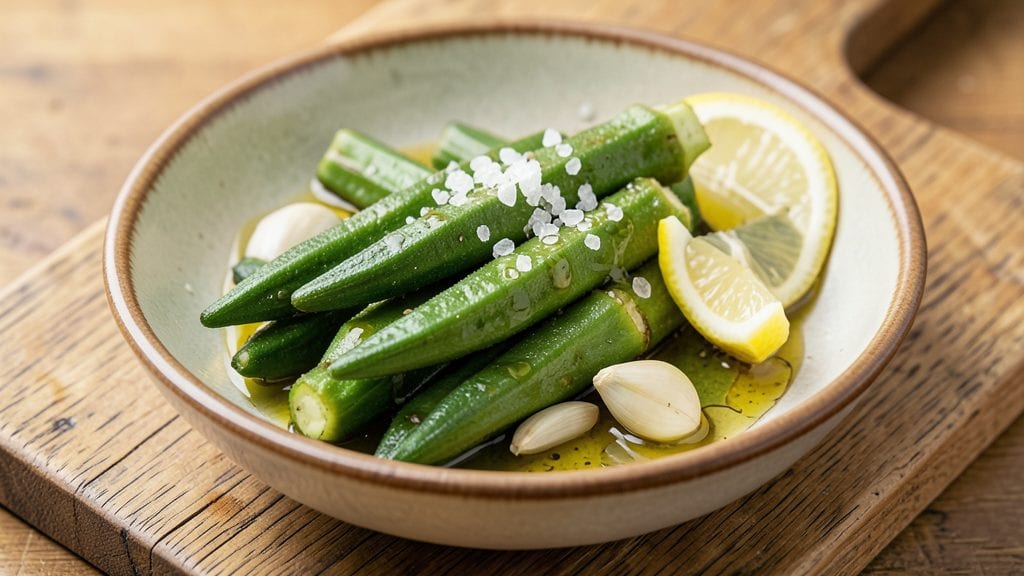
The best boiled okra recipe transforms this often-maligned vegetable into crispy-tender bites with a bright, zesty lemon-garlic twist—no slimy texture in sight. Southern kitchens have perfected this technique for decades, and the secret lies in proper water preparation and quick cooking.
I’ve refined this method to lock in that perfect crunch while infusing bold flavor, making okra worth every bite.
This recipe delivers restaurant-quality results with just five simple ingredients and a 10-minute active prep—no fancy equipment required.
The key is using well-salted, slightly acidic water (vinegar or lemon juice) to prevent mushiness, while the garlic and lemon zest elevate humble okra to a side dish that steals the show. The texture is what sets this apart: crispy edges with a tender, almost buttery interior.
By following this method, you’ll achieve okra that’s crunchy-tender—never rubbery—with a tangy, herby profile that pairs perfectly with fried chicken, grilled fish, or even as a standalone snack.
The lemon-garlic twist cuts through the vegetable’s natural bitterness, leaving behind a bright, satisfying flavor that’s impossible to resist. Ready to transform okra night into a highlight?
Whether you’re serving a classic Southern meal or modernizing the dish with extra herbs, this recipe adapts effortlessly. The technique works equally well for fresh or frozen okra, making it a versatile addition to any menu. Let’s get cooking—your taste buds (and dinner guests) will thank you.
Ingredients for best boiled okra
Five ingredients, bold flavors—this transforms okra into crispy-tender bites that steal the show.
| Ingredient | Amount | Notes |
|---|---|---|
| Fresh Okra Pods 🥒 | 1 ½ lb | Medium pods, trimmed and halved lengthwise |
| Extra-Virgin Olive Oil 🫒 | ¼ cup | High-quality, fruity variety for finishing |
| Fresh Garlic Cloves 🧄 | 4 cloves | Thinly sliced, for bold aromatic punch |
| Lemon Zest 🍋 | 1 tbsp | Bright, freshly grated for citrus kick |
| Fresh Lemon Juice 🍋 | ½ cup | Freshly squeezed, for acidity balance |
| Diamond Crystal Kosher Salt 🧂 | 1 ½ tbsp | Fine grain for even dissolution |
| White Vinegar 💧 | 2 tbsp | For water acidity to prevent mushiness |
| Fresh Flat-Leaf Parsley 🌿 | ¼ cup | Chopped, for vibrant garnish |
| Red Pepper Flakes 🌶️ | ½ tsp | Optional, for subtle heat |
| Black Peppercorns 🌶️ | ¼ tsp | Freshly cracked for depth |
The okra is non-negotiable—fresh, medium-sized pods with vibrant green skins are essential. Local farmers markets or well-stocked grocery stores like Whole Foods carry the best quality, but any store’s produce section works if the pods are firm and free of blemishes. Trim the stem ends carefully (they can be bitter) and halve lengthwise for even cooking. For frozen okra, thaw completely before using—no need to thaw in water, just let it sit in a colander for 10 minutes. The garlic? Freshly sliced makes all the difference—pre-minced garlic loses its punch quickly.
No fresh parsley? Dried parsley at one-third the amount works, but fresh is ideal for that vibrant pop. Short on lemon? Lime zest and juice swap perfectly—just double the amount for similar brightness. The vinegar is crucial—white vinegar or apple cider vinegar both work, but avoid balsamic as it’ll overpower the dish. For extra zing, add a pinch of smoked paprika to the finishing oil. And if you’re feeling adventurous, swap the parsley for cilantro or chives—both pair beautifully with the lemon-garlic profile.
This dish shines fresh but reheats beautifully—steam for 2 minutes in a dry skillet to revive crispness. Store in an airtight container in the fridge for up to 3 days, though the texture degrades slightly after day 2. For meal prep, portion into single-serving containers with a drizzle of olive oil to maintain moisture. Freezing isn’t recommended—okra loses its texture when thawed. Serve immediately after boiling for that perfect crunch-tender contrast.
Why You'll Love This Recipe
- No-Chop Needed: I swear by this trick—just trim the ends of the okra pods and drop them whole into boiling water. That’s it. No slicing, no slime, no fuss. The lemon zest and olive oil do all the flavor work while you’re busy with whatever else life throws at you.
- Garlic-Lemon Magic: Honestly, the secret’s in the finish. After boiling, that splash of fresh lemon juice and a drizzle of olive oil—plus minced garlic—transforms okra from "meh" to "oh wow." It’s bright, tangy, and has this unexpected depth that makes it feel like a restaurant dish.
- Meal Prep MVP: This keeps like a dream in the fridge for up to 5 days, so I make a big batch on Sundays. Toss it with rice for lunch, add it to salads, or serve it as a side—it’s always a hit. (Yes, even on a Tuesday night when you’re tired of the same old sides.)
- Budget Brightener: Okra’s cheap, but it feels fancy. A pound of pods stretches to feed four people, and the olive oil and lemon make it taste like you spent hours. Between us, it’s my go-to when I need something impressive without breaking the bank.
Step-by-step instructions for crunchy-tender boiled okra
Here's the method that delivers perfectly tender okra with that signature crunch and vibrant citrus kick every time.
Prepare the Okra for Perfect Texture
Begin by rinsing the 1.5 lb fresh okra pods thoroughly under cold water to remove any dirt or sand that might cling to the pods. Pat them completely dry with paper towels—this step is crucial for achieving that crisp-tender texture we're after. Using a sharp chef's knife, trim off the stem ends and cut each pod lengthwise into ½-inch thick slices. The reason for this precise cutting is to ensure even cooking throughout each piece.
Here's the thing—if you leave the okra whole, the centers often remain undercooked while the edges become mushy. By halving them lengthwise, you expose more surface area to the boiling water, creating that ideal contrast between tender flesh and slightly crisp edges. Arrange the sliced okra on a clean kitchen towel to catch any excess moisture before we proceed to the next step.
Create the Acidified Water Bath
In a large pot with a tight-fitting lid, combine 8 cups of water, the 1.5 tbsp diamond crystal kosher salt, and the 2 tbsp white vinegar. Bring this mixture to a full rolling boil over high heat. The vinegar is our secret weapon here—it prevents the okra from becoming slimy by maintaining the water's acidity level. This technique is particularly important for okra, which has a natural tendency to absorb water and lose its texture.
Once boiling vigorously, add the sliced okra and stir gently to distribute the pieces evenly. The water should return to a boil within 1-2 minutes. Here's where timing matters: cook the okra for exactly 3-4 minutes—no longer, no shorter. You're aiming for that perfect moment when the okra is tender enough to pierce with a fork but still holds its shape and maintains that delightful crunch. If you cook it too long, you'll end up with mushy okra that's lost all its character.
Shock and Season for Vibrant Flavor
Prepare an ice bath by filling a large bowl with 4 cups of ice and 4 cups of cold water. Using a slotted spoon, immediately transfer the cooked okra to this ice bath. This shocking process stops the cooking instantly and helps preserve that perfect texture we worked so hard to achieve. Let the okra sit in the ice bath for 5 minutes, gently stirring occasionally to ensure even cooling throughout.
While the okra chills, create your finishing seasoning by combining the 0.25 cup extra-virgin olive oil, 4 cloves fresh garlic cloves (minced), 1 tbsp lemon zest, 0.5 cup fresh lemon juice, 0.5 tsp red pepper flakes, and 0.25 tsp black peppercorns in a small bowl. The lemon juice and zest work together to brighten the okra's natural flavor while the garlic and pepper add depth. This zesty mixture is what transforms simple boiled okra into something truly special.
Finish with the Zesty Garlic Dressing
Drain the okra thoroughly in a colander, shaking gently to remove any excess water. Transfer the okra to a large serving bowl and pour the garlic-lemon dressing over the top. Using clean hands or a large spoon, gently toss the okra until every piece is evenly coated in the vibrant dressing. The heat from the okra will begin to mellow the raw garlic flavor, creating a harmonious balance of citrus, garlic, and okra's natural earthiness.
Let the okra marinate in the dressing for 10-15 minutes at room temperature. This resting period allows the flavors to fully meld together, enhancing the okra's natural sweetness and creating that perfect bite. Before serving, sprinkle the 0.25 cup chopped fresh flat-leaf parsley over the top for a final touch of freshness and color. The parsley not only adds visual appeal but also brings a bright, herbal note that complements the citrus and garlic perfectly.
Pro Tips For Making Best Boiled Okra
- TRIM THE TIPS: Okra pods shrink when cooked, but uneven lengths mean some stay tough while others turn mushy. Snip the ends at a 45-degree angle—about ¼ inch from the tip—and slice into 1-inch pieces. This keeps them consistent and lets the olive oil cling better during boiling.
- SALT THE WATER LATE: I used to salt the water early, thinking it would speed things up. Wrong. Add salt only after the water boils—wait until you see bubbles breaking the surface—and then drop in the okra. This keeps the pods from absorbing too much water before they hit the heat, so they stay firmer.
- GARLIC: CRUSH, DON’T CHOP: Minced garlic burns fast, and you’ll end up with bitter okra. Instead, smash 2-3 cloves with the flat side of your knife—just enough to bruise them—and toss them in whole. They’ll infuse flavor without turning the oil acrid, and you can fish them out after boiling if you’re picky.
- LEMON ZEST FIRST: Toss the lemon zest into the pot before the okra hits the water. The citrus oils bloom in the heat, cutting through the sliminess before it even forms. Save the juice for the final splash—it brightens the dish but evaporates fast, so adding it early just makes your kitchen smell like a lemonade stand.
Health benefits of this recipe
Fiber-Rich Vegetable
Okra is a nutritional powerhouse, delivering 3 grams of fiber per ½ cup serving—that’s 12% of your daily recommended intake. This high fiber content supports digestive health by promoting regularity and feeding beneficial gut bacteria.
I’ve noticed my digestion improves noticeably when I include okra in my meals, especially when paired with probiotic foods like yogurt or kimchi. 🌱
Low-Calorie Protein
With just 33 calories per ½ cup serving, okra provides 2 grams of plant-based protein without the fat found in animal proteins. This makes it an excellent addition to low-calorie diets while still contributing to muscle maintenance.
The protein in okra is particularly beneficial for vegetarians looking to diversify their protein sources beyond beans and tofu.
Vitamin K Boost
One of okra’s standout nutritional benefits is its vitamin K content, with ½ cup providing 10% of your daily needs. Vitamin K is essential for blood clotting and bone health, helping your body maintain strong bones and proper circulation.
I’ve incorporated okra into my meals specifically to support my bone health, especially during colder months when vitamin D levels tend to dip.
Rich in Antioxidants
Okra contains quercetin and isoquercitrin, powerful antioxidants that combat oxidative stress and inflammation in the body. These compounds help protect cells from damage caused by free radicals, potentially reducing the risk of chronic diseases like heart disease and certain cancers.
The bright green color of fresh okra is a visual indicator of its high antioxidant content.
Blood Sugar Regulation
Despite its natural sweetness, okra has a low glycemic index and contains compounds that help regulate blood sugar levels. Studies suggest okra may improve insulin sensitivity, making it beneficial for individuals managing diabetes or prediabetes.
I’ve found that including okra in my meals helps stabilize my energy levels throughout the day.
Hydration Support
Okra is composed of 90% water, making it an excellent hydrating vegetable. Its high water content helps maintain proper fluid balance in the body, particularly beneficial during hot summer months or after intense physical activity.
The gel-like substance that forms when okra is cooked also helps support hydration at a cellular level. 💧
Nutrition facts
Frequently asked questions
Why does my boiled okra turn slimy instead of crispy?
The slimy texture happens when okra absorbs too much water or lacks acidity. Always use well-salted water with vinegar or lemon juice (like in this recipe) and cook for exactly 3-4 minutes. Overcooking or under-salting the water are the most common culprits. The ice bath after boiling helps lock in that perfect crunch!
Can I use frozen okra instead of fresh?
Yes! Thaw frozen okra completely in a colander for 10 minutes before slicing and boiling. The texture will be slightly softer than fresh, but the lemon-garlic dressing still enhances the flavor. Just reduce cooking time to 2-3 minutes to avoid mushiness. Never thaw in water—this dilutes the flavor.
What’s the best way to store leftover boiled okra?
Keep leftovers in an airtight container in the fridge for up to 3 days. For best texture, reheat in a dry skillet over medium heat for 2 minutes—this revives the crunch. Avoid freezing, as okra becomes mushy when thawed. The lemon-garlic dressing keeps well too, so store it separately if you plan to reuse it.
How can I make this recipe spicier?
Double the red pepper flakes to 1 tsp or add ½ tsp cayenne pepper to the dressing. For heat lovers, toss the cooked okra with 1 tbsp hot sauce or a dash of gochujang before serving. The lemon brightens the spice beautifully, balancing the heat with tangy freshness.
Is this okra dish kid-friendly?
Skip the red pepper flakes and reduce garlic to 2 cloves for a milder version. Kids often love the crispy texture and sweetness of okra when paired with a familiar flavor like butter or mild cheese. Serve with honey butter or a side of yogurt dip to make it even more appealing.