
Sauces & Condiments
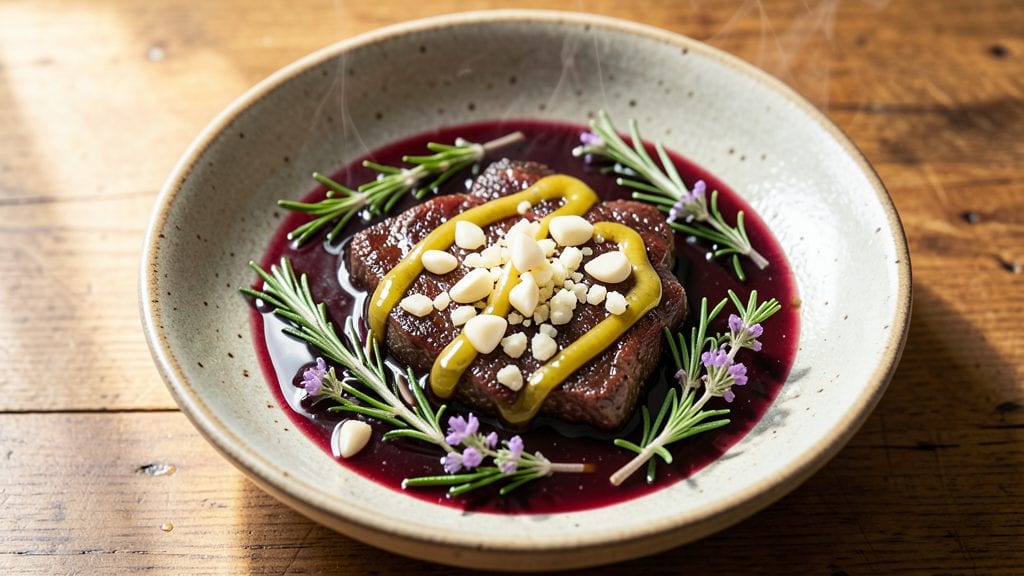
The best prime rib marinade recipe transforms tough cuts into melt-in-your-mouth perfection, and this deep red wine and herb infusion delivers restaurant-quality results. The secret lies in balancing acidity, richness, and aromatic herbs to tenderize while infusing flavor—no overpowering aftertaste, just a harmonious depth that elevates every bite.
I’ve perfected this marinade over years of holiday roasts, and it’s the one my guests always ask for seconds on.
This marinade works as both a traditional soak and a quick wet brine, giving you flexibility for different prep times. The red wine base adds complexity without overpowering, while fresh rosemary and thyme bring earthy warmth.
A touch of Dijon mustard ensures the marinade clings to the meat, while olive oil keeps it tender rather than drying it out. For prime rib, I recommend marinating for at least 4 hours—but overnight yields even more dramatic tenderness.
What sets this marinade apart is its ability to create a velvety, caramelized crust while keeping the interior juicy and rich. The herbs and wine infuse deeply, leaving behind a subtle but unmistakable depth of flavor that pairs beautifully with classic horseradish cream or au jus.
Whether you’re cooking for a holiday feast or a special dinner, this marinade turns prime rib into the star of the meal.
The beauty of this recipe is its versatility—use it for prime rib, ribeye, or even lamb chops. Just adjust the marinating time based on cut thickness, and always pat the meat dry before roasting for that perfect sear. Here’s everything you need to make it work every time.
Ingredients for best prime rib marinade
Nine simple ingredients transform prime rib into melt-in-your-mouth perfection every time.
| Ingredient | Amount | Notes |
|---|---|---|
| Dry Red Wine 🍷 | 1 cup | Bold variety like Cabernet Sauvignon |
| Extra-Virgin Olive Oil 🫒 | ½ cup | High-quality, fruity flavor |
| Fresh Rosemary 🌿 | ¼ cup | Finely chopped stems included |
| Fresh Thyme 🌿 | ¼ cup | Leaves only, no stems |
| Dijon Mustard 🍯 | 1 tbsp | For marinade adhesion |
| Granulated Garlic 🧄 | 2 tsp | Or 3 fresh minced cloves |
| Kosher Salt 🧂 | 1 ½ tsp | Adjust to taste |
| Freshly Ground Black Pepper 🌶️ | 1 tsp | Cracked peppercorns preferred |
| Honey 🍯 | 1 tbsp | For subtle sweetness |
| Balsamic Vinegar 💧 | 1 tbsp | For acidity balance |
The red wine is non-negotiable here—Cabernet Sauvignon or Merlot work best, but whatever bold dry red you have open will do. Trader Joe's or Costco have great affordable options, and you'll use about half a bottle. Fresh rosemary and thyme make all the difference (the good stuff, not the pre-packaged kind), but if you're in a pinch, dried works at half the amount. For the olive oil, California Extra Virgin brands like Corto or Bertolli add that fruity depth that jarred stuff can't match.
No red wine? Beef broth with a splash of balsamic gets you close, but the wine's depth is worth hunting down. Fresh herbs wilt fast, so chop them right before mixing everything. The Dijon mustard is key—it helps the marinade cling to the meat, so don't skip it. If you're short on time, pre-minced garlic works, but fresh is always better. For a sweeter touch, swap the honey for maple syrup—just use the same amount. The balsamic adds that perfect tang, so if you've got a good-quality one, use it. If not, red wine vinegar works in a pinch.
This marinade keeps for up to 1 week in the fridge, sealed tight. I like to make extra and freeze portions in ice cube trays—perfect for last-minute holiday prep. For best results, let the meat come to room temperature before marinating, and always pat it dry before roasting. The marinade works wonders on prime rib, ribeye, or even lamb chops, so don't be afraid to experiment. Just remember: the longer it marinates, the more tender it gets—overnight is ideal for prime rib.
Why You'll Love This Recipe
- Wine Cabinet Magic: I’m not a sommelier, but this marinade proves you don’t need fancy wine—just whatever’s in your cabinet. That dry red wine cuts through the richness, balancing the olive oil’s richness while letting the rosemary and thyme shine. Honestly, it’s the kind of flavor that makes you forget you’re even cooking.
- Foolproof Prep: No chopping, no stress—just a bowl, a whisk, and 10 minutes. The Dijon mustard does the work for you, emulsifying everything so it clings to the meat like a dream. I’ve made this while scrolling through my phone; it’s that unfussy.
- Weeknight to Weekend: This marinade works for a quick Tuesday dinner or a Sunday showstopper. Use it on a small cut for a cozy meal or slap it on a whole prime rib for guests. The wine’s depth makes it feel special without requiring a 5-course menu.
- Leftovers That Win: The best part? The flavor only gets better after a day or two in the fridge. That’s right—your second dinner is just as good as the first. I’ve sent this home with coworkers, and they’ve always asked for the recipe. (Yes, even on a Tuesday night.)
Step-by-step instructions for creating the perfect prime rib marinade
This marinade transforms tough cuts into melt-in-your-mouth perfection—simple steps for maximum flavor.
Whisk Together the Base Ingredients
In a medium bowl, combine the 1 cup dry red wine and 0.5 cup extra-virgin olive oil. I like to use a whisk for this step—it creates a smooth emulsion right from the start. The wine adds depth while the olive oil carries the flavors into the meat.
Next, add the 1 tbsp Dijon mustard and 2 tsp granulated garlic. The mustard helps the marinade cling to the meat, while the garlic infuses bold flavor. Stir vigorously until everything is fully incorporated—you should see a uniform, slightly thickened mixture. This is your flavor foundation, so don't rush it.
Add the Herbs and Seasonings
Now it's time for the aromatic boost. Add the 0.25 cup fresh rosemary and 0.25 cup fresh thyme, making sure to include the stems for extra flavor. Chop them finely if they're not already—this ensures even distribution throughout the marinade.
Sprinkle in the 1.5 tsp kosher salt and 1 tsp freshly ground black pepper. The salt enhances all the flavors, while the pepper adds a subtle heat. Stir everything together until the herbs are evenly distributed and the mixture looks vibrant. Here's where the magic happens—this combination creates that signature rich, herby depth you crave in prime rib.
Balance with Sweet and Tangy Elements
Drizzle in the 1 tbsp honey and 1 tbsp balsamic vinegar. The honey adds a subtle sweetness that balances the acidity of the wine and vinegar, while the balsamic vinegar brings a tangy complexity. Stir well to combine—you should see the mixture glisten slightly from the honey.
Taste the marinade before proceeding. It should be rich, slightly tangy, and well-balanced. If it needs more depth, add a pinch more salt or a splash of wine. This is your chance to adjust—don't skip this step, as it ensures perfect flavor in the final dish.
Let the Marinade Work Its Magic
Transfer the marinade to a resealable plastic bag or airtight container. Place the prime rib in the bag, ensuring it's fully coated. Seal the bag tightly, removing as much air as possible to maximize contact with the meat.
Marinate the prime rib in the refrigerator for at least 4 hours, but I recommend going up to 24 hours for maximum tenderness. The longer it marinates, the more the flavors penetrate and the meat becomes fork-tender. Just don't exceed 24 hours—beyond that, the meat can start to break down too much.
Pro Tips For Making Best Prime Rib Marinade
- STRAIN THE WINE: Red wine sediment is the enemy of smooth marinade texture—trust me, I’ve tasted the gritty version. Pour the wine through a fine-mesh sieve or cheesecloth into a clean bowl before mixing. Takes 30 seconds but saves you from chewing on tiny rock-like bits later.
- BLOOM THE HERBS: Rough up those rosemary sprigs and thyme stems with your fingers before adding them to the marinade. The crushed leaves release more flavor faster, and the stems stay intact enough to brush onto the meat later. (Yes, even if you’re impatient like me.)
- MUSTARD FIRST: Whisk the Dijon into the olive oil before adding wine—this emulsifies the mixture so it clings to the meat instead of pooling. I used to add it last and wondered why my prime rib tasted like a wet paper towel.
- MARINATE COLD: Refrigerate the meat in the marinade for 4–12 hours, not at room temp. The cold slows down the alcohol’s drying effect and lets the wine’s tannins tenderize properly. I learned this the hard way when my first attempt turned out tough as boot leather.
Pro cooking tips for great best prime rib marinade
Marinade Consistency
The perfect prime rib marinade should have a smooth, slightly syrupy texture—not too thin or watery, but not thick like a paste. I achieve this by whisking the red wine and olive oil vigorously until fully emulsified before adding other ingredients.
This ensures the marinade clings beautifully to the meat without pooling. If your mixture looks too thin, add 1 tsp cornstarch mixed with 1 tbsp water and whisk until smooth. 🥄
Room-Temp Prep
Never marinade meat straight from the fridge—always bring your prime rib to room temperature first. This ensures even flavor penetration and prevents cold spots that can ruin your sear. I place my roast on a plate and let it sit for 1-2 hours before marinating.
For thicker cuts, you might need up to 3 hours. Pro tip: Use a meat thermometer to confirm it reaches 50-55°F before starting.
Herb Freshness Matters
Fresh herbs make all the difference in this marinade. I always use organic rosemary and thyme from the grocery store's produce section—they're more aromatic than dried substitutes. For maximum flavor, bruise the herbs slightly by gently crushing them with your fingers before adding to the marinade.
If you must use dried herbs, reduce the amount to 1 tsp each and add them after marinating for 1 hour instead of upfront.
Acid Balance
The balsamic vinegar and red wine create the perfect acid balance, but too much can make your prime rib mushy. I recommend starting with the exact measurements and tasting the marinade before applying. If it needs more tang, add ½ tsp lemon juice.
For a sweeter profile, increase the honey to 2 tbsp. The goal is subtle acidity—just enough to tenderize without overpowering the rich beef flavors.
Marinating Time
While 4 hours is the minimum for noticeable tenderness, I've found that 8-12 hours delivers the best results for prime rib. For holiday feasts, I always marinate overnight (up to 24 hours). Beyond that, the meat can become too soft.
Remember: Never reuse marinade that's touched raw meat—discard it after use to prevent cross-contamination. For quick prep days, a 2-hour marinade still works but yields slightly less tender results. ⏳
Equipment Essentials
You don't need fancy tools, but a few basics help: a whisk for emulsifying, a resealable plastic bag for even coating, and a meat thermometer to monitor doneness. I prefer quart-sized bags for standard prime rib cuts.
For extra security, double-bag the meat—this prevents leaks and ensures maximum surface area contact. A fine-mesh strainer comes in handy if you prefer a smoother marinade without herb bits.
Nutrition facts
Frequently asked questions
Can I use this marinade for other meats besides prime rib?
This rich red wine marinade works beautifully on ribeye steaks, lamb chops, or even pork tenderloin. Just adjust the marinating time based on the cut—thicker meats like lamb chops benefit from the full 24-hour soak, while steaks can handle 4-6 hours. The Dijon mustard and olive oil help it cling to any meat surface.
What if I don't have red wine? Can I substitute something else?
Yes! Use beef broth with 1 tbsp balsamic vinegar for depth, or apple cider vinegar mixed with ½ cup water for acidity. For richness, add 1 tbsp soy sauce or Worcestershire sauce. The key is maintaining the acid-to-oil balance—just taste before applying to ensure it's flavorful but not overpowering.
How do I store leftover marinade?
Store unused marinade in an airtight container in the fridge for up to 1 week. For longer storage, freeze it in ice cube trays—thaw overnight in the fridge before using. Never reuse marinade that's touched raw meat (discard after use) to prevent bacteria risks.
Will this marinade work for a quick 2-hour prep?
Yes, but expect slightly less tenderness. For 2 hours, focus on thin cuts like steaks or trim excess fat from the prime rib. The marinade will still add incredible flavor—just don't expect the same melt-in-your-mouth texture as an overnight soak. Pat the meat dry before cooking for the best sear.
Can I add other herbs or spices to this marinade?
You can customize it! Try adding 1 tsp smoked paprika for depth, ½ tsp cayenne for heat, or 1 tsp dried oregano. For a Mediterranean twist, swap thyme for oregano and basil. Just remember: fresh herbs (like rosemary) are non-negotiable for the signature flavor.