
Main Courses
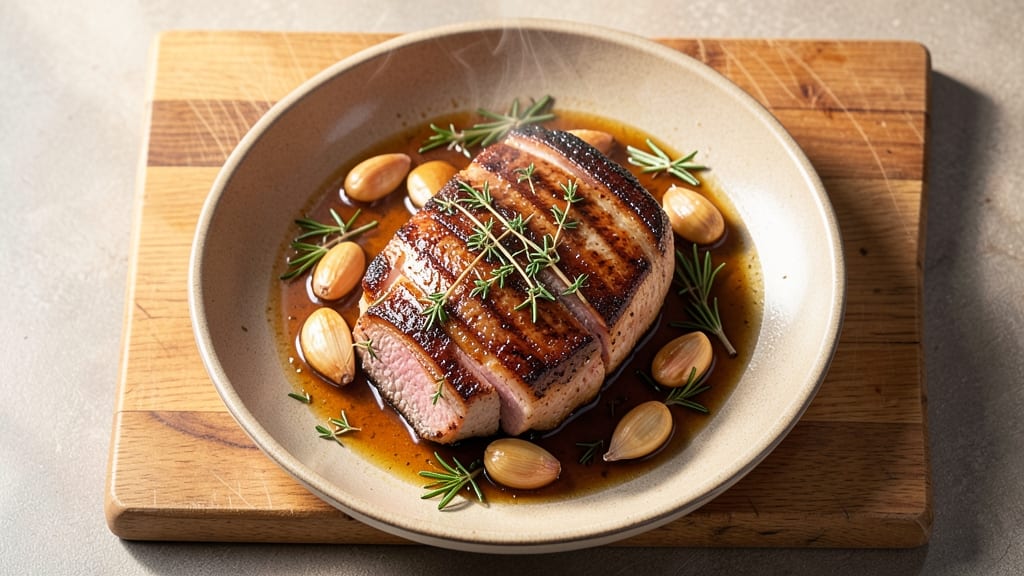
This pork tenderloin recipe with apple cider vinegar transforms tough cuts into melt-in-your-mouth perfection with minimal effort. The acidity of apple cider vinegar breaks down fibers, ensuring juicy, tender results while adding bright, tangy depth that pairs beautifully with savory spices.
As someone who grew up making apple butter in Cincinnati, I know firsthand how versatile this ingredient can be—it's the secret weapon in this one-pan masterpiece.
The magic happens in the braising process, where the vinegar creates a rich, caramelized sauce that clings to every bite. You'll start with a simple marinade of olive oil, garlic, and herbs, then sear the pork to lock in flavors before slow-braising until fork-tender.
This method delivers restaurant-quality results without requiring fancy equipment—just a sturdy skillet and patience. The best part? Leftovers reheat beautifully, making it perfect for meal prep.
What you'll end up with is pork that's impossibly tender with a caramelized crust, all bathed in a glossy, slightly sweet-savory sauce. The apple cider vinegar adds complexity that cuts through the richness, balancing the dish perfectly.
Serve with roasted root vegetables or a crisp green salad to let the pork shine as the star of the meal. This is comfort food at its finest—simple yet sophisticated.
For those who love hands-off cooking, this recipe is your answer. The one-pan approach means minimal cleanup, while the braising method ensures you can't go wrong. Whether you're feeding a family or treating yourself to a special dinner, this pork tenderloin delivers satisfaction every time.
Let's get cooking—your taste buds will thank you.
Ingredients for pork tenderloin recipe apple cider vinegar
The secret to juicy pork tenderloin lies in these 13 simple ingredients—apple cider vinegar is the game-changer.
| Ingredient | Amount | Notes |
|---|---|---|
| Pork Tenderloin 🥩 | 1 ½ lb | Center-cut for even cooking |
| Apple Cider Vinegar 🍏 | ½ cup | Raw, unfiltered preferred |
| Olive Oil 🫒 | 2 tbsp | Extra-virgin for richness |
| Garlic Cloves 🧄 | 4 cloves | Minced for marinade |
| Fresh Rosemary 🌿 | ¼ cup | Finely chopped, stems removed |
| Fresh Thyme Leaves 🌿 | ¼ cup | Or 1 tbsp dried thyme |
| Salt 🧂 | 1 ½ tsp | Diamond Crystal kosher |
| Black Pepper 🌶️ | ½ tsp | Freshly ground preferred |
| Brown Sugar 🍯 | 2 tbsp | Light or dark variety |
| Vegetable Oil 🫒 | 2 tbsp | For searing |
| Low-Sodium Chicken Broth 💧 | ½ cup | For braising liquid |
| Honey 🍯 | 1 tbsp | Optional for balance |
| Fresh Parsley 🌿 | ⅛ cup | Chopped for garnish |
Apple cider vinegar is non-negotiable here. Bragg or Texas Pete work perfectly, but avoid distilled white vinegar—you need that fruity depth. The raw, unfiltered kind has more flavor, but regular works fine. For the pork, center-cut tenderloins are essential—they're more uniform and less likely to tear. I grab mine from Costco when I can, but any reputable butcher will have them. Look for pieces that are firm to the touch and have a vibrant pink color—never grayish or slimy. The rosemary and thyme should smell fresh and fragrant, not dusty or musty.
No apple cider vinegar? White wine vinegar or lemon juice can sub in a pinch, but the flavor won't be identical. Fresh herbs if you've got them, dried if you don't—just cut the amount in half. The honey is optional, but it balances the acidity beautifully (I always keep it in). For the brown sugar, muscovado or turbinado adds a caramel note that's worth hunting down. The broth can be beef or vegetable—just skip the salt if you're using low-sodium. And if you're worried about the pork being too lean, add 1 tbsp of olive oil to the pan when searing to keep it moist.
This dish tastes even better the next day, so make extra if you can. Store leftovers in an airtight container for up to 4 days in the fridge, or freeze for 3 months. The sauce thickens as it cools, so add a splash of broth when reheating. I like to portion mine into single servings before freezing—just thaw overnight in the fridge. The parsley wilts fast, so add it last. If you're prepping ahead, you can even marinate the pork overnight (covered) for extra tenderness—just pat it dry before cooking.
Why You'll Love This Recipe
- Foolproof Timing: Honestly, this takes me 25 minutes from start to finish—no fancy techniques, just a quick sear in olive oil, a splash of apple cider vinegar, and a sprinkle of rosemary while the pork rests. The vinegar does all the work while you sip your wine.
- Taste That Stops You: That crispy garlic crust with the tangy vinegar bite? Chef’s kiss. The rosemary adds this fresh, herbal punch that makes it feel fancy without the fuss—like a bistro dish on a Tuesday.
- Leftovers That Don’t Suck: Between us, most pork tenderloin recipes leave you with dry, sad leftovers. Not this one. The vinegar marinade keeps it juicy, so I meal prep half the roast for sandwiches or salads all week—no one complains.
- Budget Bistro Magic: Fresh rosemary and good olive oil might sound fancy, but they stretch across multiple meals. I buy a big bottle of vinegar and a bunch of garlic, and this recipe feeds four for under $15—way better than takeout.
Step-by-step instructions for braised pork tenderloin
Here's how to transform simple ingredients into melt-in-your-mouth pork that falls apart with every bite.
Prepare the Pork and Marinade
Pat the 1.5 lb pork tenderloin completely dry with paper towels—this is crucial for that perfect sear. I like to trim any excess fat or silver skin, but leave about ¼ inch of fat if present for flavor. Place the pork in a large bowl and set aside.
In a separate small bowl, whisk together the 0.5 cup apple cider vinegar, 2 tbsp olive oil, 2 tbsp brown sugar, 1.5 tsp salt, and 0.5 tsp black pepper. Add the 4 cloves minced garlic, 0.25 cup chopped fresh rosemary, and 0.25 cup fresh thyme leaves. Pour this marinade over the pork, making sure it's fully coated. Let it sit at room temperature for 15 minutes—just enough time for the flavors to begin melding without over-marinating the meat.
Sear the Pork to Lock in Juices
Heat 2 tbsp vegetable oil in a large oven-safe skillet over medium-high heat until shimmering. Add the pork (reserve any marinade) and sear for 4-5 minutes per side until deeply golden brown. You're looking for a rich, caramelized crust—this isn't just about flavor, it's about sealing in those juices so they don't escape during braising.
Once golden, remove the pork and set it aside. Pour the reserved marinade into the skillet, scraping up any browned bits from the bottom—this is where all the flavor hides. Let it simmer for 2 minutes to reduce slightly and deepen the flavor.
Braise Until Fork-Tender
Return the pork to the skillet and add the 0.5 cup low-sodium chicken broth and 1 tbsp honey. The liquid should come about halfway up the sides of the pork. Bring to a gentle simmer, then cover with a lid and transfer to a 350°F preheated oven.
Braise for 30-35 minutes until the pork reaches an internal temperature of 195-200°F and a fork slides in with almost no resistance. The meat should look glossy and pull apart easily. If the liquid reduces too much before then, add a splash of water or broth to keep it moist—we want that tender, juicy texture.
Rest and Garnish for Serving
Remove the pork from the oven and let it rest for 10 minutes before slicing. This resting period is non-negotiable—it allows the juices to redistribute throughout the meat so every bite is moist and flavorful. While it rests, spoon the braising liquid through a fine-mesh strainer into a small saucepan and simmer for 3-4 minutes to thicken slightly if desired.
Slice the pork into ½-inch thick medallions and arrange on a platter. Drizzle with the reduced braising liquid and garnish with 0.125 cup chopped fresh parsley. The result should be perfectly tender pork with a beautiful caramelized crust, infused with the bright, tangy notes of apple cider vinegar and aromatic herbs.
Pro Tips For Making Pork Tenderloin Recipe Apple Cider Vinegar
- Sear First, Braise Second: Hit the tenderloin with high heat in olive oil for 2 minutes per side—this locks in juices before the vinegar marinade takes over. I used to skip this step, and the meat always ended up dry, no matter how long I braised it.
- Use Raw Vinegar: Don’t reduce or dilute the apple cider vinegar—raw acidity tenderizes the meat and adds bright flavor. My grandmother swore by this, and she was right: the tang cuts through the richness of the pork without overpowering it.
- Skip the Overcrowded Pan: Cook the pork in batches if needed—crowding steams the meat instead of searing it. I learned this the hard way when my first batch came out gray and sad. A hot, empty pan is your friend here.
- Rest Under Foil: After cooking, tent the pork with foil and let it sit for 5-10 minutes. This keeps the juices inside instead of watching them pool on your plate. Yes, even if you’re impatient like me.
Pro cooking tips for perfect results
Acid Magic
The apple cider vinegar isn't just an ingredient—it's the secret weapon that transforms tough pork into melt-in-your-mouth perfection. The acidity breaks down muscle fibers, ensuring your tenderloin becomes fork-tender without drying out.
I like to use raw, unfiltered vinegar like Bragg or Texas Pete for that fruity depth, but any quality apple cider vinegar works. The key is letting the marinade work its magic for at least 15 minutes—just enough time for the flavors to meld without over-marinating. 🍏
Sear Like a Pro
A perfect sear locks in juices and creates that beautiful caramelized crust we all crave. Heat your vegetable oil until it's shimmering hot over medium-high heat, then sear the pork for 4-5 minutes per side until deeply golden. Don't rush this step—patience pays off with that rich, flavorful crust.
I use a 12-inch cast iron skillet from Lodge because it retains heat beautifully and creates those perfect browned bits that add so much depth to the final dish.
Braising Basics
Braising might sound intimidating, but it's really just slow-cooking with liquid. After searing, add your chicken broth and honey to create a flavorful braising liquid that gently cooks the pork until tender.
The 350°F oven keeps everything at a gentle simmer, ensuring the pork reaches 195-200°F internal temperature without drying out. I like to cover the skillet with a lid to trap steam, which helps keep the meat moist and infuses it with even more flavor. 🌡️
Resting is Crucial
This is where many home cooks go wrong—they slice into the pork too soon! Let it rest for 10 minutes after cooking to allow the juices to redistribute. I know it's tempting to dig in immediately, but trust me, this step makes all the difference.
While it rests, spoon the braising liquid through a fine-mesh strainer to remove any herbs, then simmer it for 3-4 minutes to thicken slightly. This creates a beautiful sauce that ties everything together.
Thickness Control
If your braising liquid reduces too much before the pork is done, don't panic—just add a splash of water or broth to keep it moist. The goal is to create a sauce that's glossy and flavorful, not dry or clumpy.
I've found that using low-sodium chicken broth gives you more control over the seasoning, and adding the honey at the end balances the acidity beautifully. The result should be a sauce that's rich, slightly sweet, and perfectly balanced with the tangy apple cider vinegar notes. ✨
Equipment Essentials
You don't need fancy tools to make this recipe shine—just a few key items. A large oven-safe skillet (like Lodge cast iron) is my go-to because it handles both searing and braising beautifully.
A meat thermometer is essential for checking the internal temperature accurately, and I recommend the Thermoworks Smoke because it's reliable and easy to read. For garnishing, a sharp knife and cutting board are all you need to slice the pork into perfect medallions.
The rest is just good technique and patience!
Nutrition facts
Frequently asked questions
Why does apple cider vinegar make pork tenderloin so juicy?
The acidity in apple cider vinegar breaks down muscle fibers, creating microscopic tears that allow moisture to penetrate deeper. This tenderizing effect prevents the meat from drying out during cooking. The vinegar also helps create a caramelized crust when seared, locking in those precious juices. Think of it as nature's meat tenderizer!
Can I use this recipe with a thicker pork tenderloin?
Yes, but you'll need to adjust cooking times. For every additional pound, add 10-15 minutes to the braising time. Always use a meat thermometer to check for 195-200°F internal temperature. Thicker cuts may benefit from a 5-minute head start in the marinade. Just monitor closely to avoid overcooking.
What if I don't have apple cider vinegar?
You can substitute with white wine vinegar (same acidity) or lemon juice (more citrus flavor). For best results, use equal amounts. Avoid distilled white vinegar—it lacks the fruity depth that makes this recipe special. If using lemon, you might want to add ½ teaspoon more sugar to balance the tartness.
How do I prevent the pork from drying out?
Never skip the resting period—10 minutes is non-negotiable! Also, keep the braising liquid at halfway up the pork's sides during cooking. If it reduces too much, add a splash of broth or water. The key is low-and-slow cooking at 350°F—never rush the process. A meat thermometer ensures you don't overcook.
Can I make this ahead of time?
This dish tastes even better the next day. Cook and refrigerate leftovers in an airtight container for up to 4 days. Reheat gently in the sauce (covered) until warmed through. For freezing, portion into single servings before freezing—thaw overnight in the fridge. The flavors actually deepen as they sit!