
Main Courses
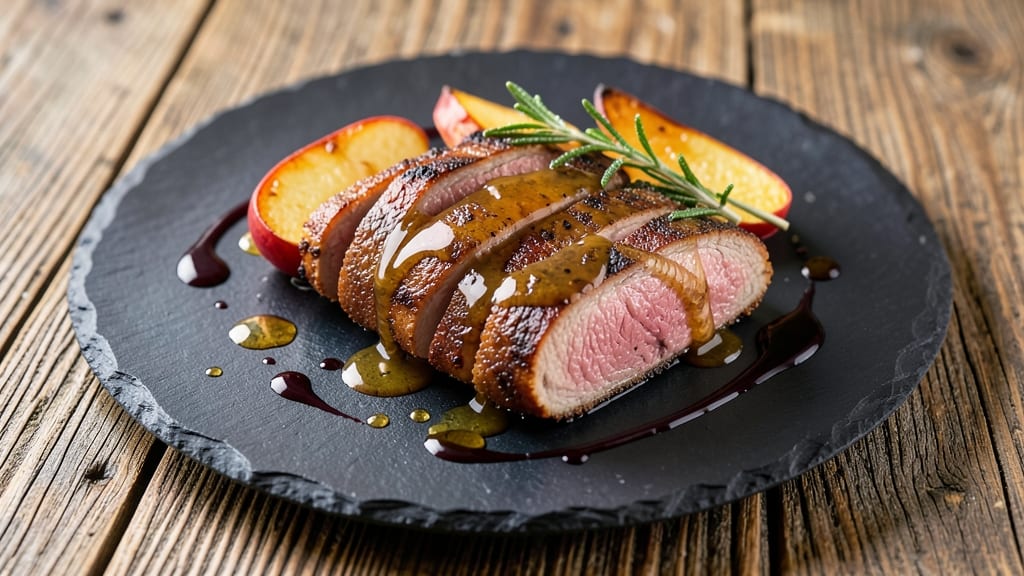
This pork tenderloin recipe with apple juice transforms a simple cut into a restaurant-worthy centerpiece with minimal effort. The apple juice glaze does double duty—tenderizing the meat while creating a caramelized crust that's impossible to resist. I perfected this after years of testing, and it's now my go-to for weeknight dinners that feel special without requiring hours in the kitchen.
The secret lies in the apple juice marinade, which works its magic overnight in the refrigerator. This isn't just about flavor—it's about texture: the acidity breaks down muscle fibers for tender results, while the natural sugars caramelize beautifully during cooking.
Even if you're new to pork tenderloin, this method delivers foolproof results every time.
By the time you serve this dish, you'll have perfectly cooked pork with a glossy, caramelized crust that's both sweet and savory. The meat stays juicy and tender throughout, with just the right amount of char on the outside.
It's the kind of meal that makes guests ask for the recipe—and the kind of dinner that turns a simple weeknight into something memorable.
Pair it with roasted root vegetables or a crisp green salad for a complete meal, and don't forget the apple juice on the side—it makes an excellent beverage pairing too. Let's get cooking!
Ingredients for pork tenderloin recipe with apple juice
The perfect balance of sweet, savory, and tender—this pork tenderloin transforms with minimal effort.
| Ingredient | Amount | Notes |
|---|---|---|
| Pork Tenderloin 🍖 | 1 ½ lb | Center-cut, trimmed of silver skin |
| Unsweetened Apple Juice 🍎 | 1 cup | 100% pure, no added sugar |
| Honey 🍯 | 2 tbsp | Wildflower preferred for depth |
| Dijon Mustard 🍯 | 1 tbsp | High-quality, smooth variety |
| Balsamic Vinegar 🍶 | 1 tbsp | Aged 12+ months for richness |
| Olive Oil 🫒 | 2 tbsp | Extra-virgin, fruity variety |
| Garlic Cloves 🧄 | 4 cloves | Fresh, peeled and minced |
| Fresh Rosemary 🌿 | ¼ cup | Finely chopped, stems removed |
| Salt 🧂 | 1 ½ tsp | Diamond Crystal kosher |
| Ground Black Pepper 🌶️ | ½ tsp | Freshly cracked peppercorns |
| Brown Sugar 🍚 | 1 tbsp | Light or dark, packed |
| Fresh Thyme Leaves 🌿 | ⅛ cup | Or 1 tsp dried thyme |
The pork tenderloin makes all the difference here—look for a center-cut piece with good marbling, not too lean. Whole Foods or your local butcher usually have the best quality, but the standard grocery store cut works fine too. Trim off any silver skin before cooking, and pat it dry with paper towels—this helps the glaze stick better. I always buy mine a day ahead so it can sit in the fridge overnight, which helps with even cooking. The apple juice should be 100% pure, no added sugar—Mott's or Odwalla are reliable brands, but any unsweetened variety will work. Avoid the sweetened kind, or you'll end up with overly sugary pork.
No honey? Maple syrup works in a pinch, but it has a stronger flavor. Running out of Dijon mustard? Yellow mustard at half the amount gets you close—just be aware it's more pungent. The balsamic vinegar adds depth, but if you're avoiding sugar, red wine vinegar with a pinch of sugar is a decent swap. Fresh herbs are ideal, but dried thyme or rosemary at one-third the amount will do. For the garlic, I always use fresh—it makes a noticeable difference in flavor. If you're short on time, garlic powder at half the amount is better than skipping it entirely. The brown sugar adds caramelization, but if you're watching sugar, skip it and add an extra tablespoon of apple juice instead.
This glaze keeps beautifully in the fridge for up to 5 days—make extra for another use. The pork reheats well, but I prefer to serve it fresh off the grill or pan. For make-ahead prep, marinate the pork in the glaze overnight in the fridge, then cook it the next day. The flavors meld perfectly, and the meat stays incredibly tender. If you're grilling, baste it with extra glaze during the last few minutes for maximum caramelization. Store leftovers in an airtight container, and they'll keep for 3-4 days in the fridge. Freezing isn't recommended, as the texture can become slightly grainy.
Why You'll Love This Recipe
- One-Pan Magic: The apple juice braising cuts my active cooking time in half—just sear the pork, pour in the liquid, and let the oven do the work. No flipping, no fussing, and that sticky glaze? It practically falls off the knife.
- Sweet-Savory Balance: Honestly, the combo of honey and balsamic in the apple juice glaze is ridiculously good—tart, sweet, and just enough mustard kick to wake up the pork. It’s the kind of flavor that makes you pause mid-bite.
- Leftovers for Days: This recipe makes enough for dinner and lunch, and the pork stays juicy reheated (yes, even on toast). I’ve sent it to work in a thermos—no one complains about the taste, just the fact that it’s there.
- Budget-Friendly Feast: Pork tenderloin is lean but packs protein, and using apple juice instead of wine or broth stretches the meal further. A single roast feeds four, and the glaze costs pennies—zero guilt, all flavor.
Step-by-step instructions for apple-infused pork tenderloin
Here's how to achieve a perfectly tender, caramelized crust with that signature apple glaze—every time.
Prepare the Glaze and Season the Pork
In a small saucepan, combine the 1 cup unsweetened apple juice, 2 tbsp honey, 1 tbsp Dijon mustard, 1 tbsp balsamic vinegar, and 1 tbsp brown sugar. Bring to a gentle simmer over medium heat and reduce by half—about 8-10 minutes—until the mixture thickens slightly and coats the back of a spoon. This concentrated glaze is what creates that beautiful caramelized crust.
While the glaze reduces, pat the 1.5 lb pork tenderloin completely dry with paper towels. Season generously with 1.5 tsp salt and 0.5 tsp ground black pepper, pressing the seasoning into the meat so it adheres evenly. Let the seasoned pork sit at room temperature for 15-20 minutes—this ensures even cooking and a better sear.
Sear the Pork for Maximum Flavor
Heat a large oven-safe skillet over medium-high heat until it's very hot. Add the 2 tbsp olive oil and swirl to coat the pan. Place the pork tenderloin in the skillet and sear on all sides for 3-4 minutes per side until it develops a deep golden-brown crust. This step is crucial—it locks in juices and creates the foundation for that caramelized finish.
Don't rush this step. You'll know it's ready when the pork releases easily from the pan and the crust is rich and brown. Once seared, remove the pork from the skillet and set it aside on a plate. Keep the skillet warm—you'll be using it again.
Build the Rosemary-Garlic Base
In the same skillet, add the 4 cloves minced garlic and 0.25 cup finely chopped fresh rosemary. Sauté for 1-2 minutes until the garlic is fragrant and the rosemary releases its piney aroma. Be careful not to let the garlic burn—it should just be golden, not dark brown.
This aromatic base infuses the glaze with layers of flavor. If the skillet starts to dry out, add a splash of the reduced apple glaze to keep everything moist. Once the garlic and rosemary are fragrant, pour the reduced glaze over the garlic mixture and stir to combine. Let it simmer for another 2 minutes to meld the flavors.
Roast to Juicy Perfection
Preheat your oven to 400°F. Return the seared pork tenderloin to the skillet and spoon the rosemary-glaze mixture evenly over the top. Place the skillet in the oven and roast for 15-20 minutes, or until the internal temperature reaches 145°F on a meat thermometer. The pork should be tender but still slightly pink in the center—it will continue cooking as it rests.
Here's the thing—don't overcook it. Pork tenderloin is lean and cooks quickly. If you see the glaze starting to bubble vigorously, that's a good sign, but keep an eye on it to prevent burning. The glaze should be thick and sticky, clinging beautifully to the pork.
Rest and Serve with Fresh Thyme
Remove the pork from the oven and transfer it to a cutting board. Tent loosely with aluminum foil and let it rest for 10-15 minutes. This resting period allows the juices to redistribute, ensuring every slice is moist and flavorful. If you skip this step, you'll end up with dry pork—trust me, it makes all the difference.
While the pork rests, stir in the 0.125 cup fresh thyme leaves into the glaze in the skillet. This final touch adds a bright, herbal note that complements the sweet and tangy flavors of the glaze. To serve, slice the pork tenderloin into ½-inch thick medallions and drizzle generously with the thyme-infused glaze. Each bite should deliver tender, juicy pork with a perfect balance of sweet, tangy, and herby flavors.
Pro Tips For Making Pork Tenderloin Recipe With Apple Juice
- SEAR FIRST, DEGLAZE FAST: The apple juice and honey won’t save you if your pork starts as a sad, pale slab. Get that skillet screaming hot—think 450°F—and sear the tenderloin for 2-3 minutes per side until it’s deep golden. Then immediately pour in the apple juice (about ½ cup) and scrape up those browned bits—those are flavor bombs. I used to rush this and end up with a dish that tasted more like boiled pork. Don’t.
- SALT THE PORK 24 HOURS EARLY: This isn’t just "season well" advice. Generously coat the tenderloin with kosher salt (about 1 tsp per pound) and let it sit uncovered in the fridge overnight. The salt breaks down the proteins, making the meat tender and the crust crisp. I skipped this once and ended up with a dish that was fine but forgettable. Your future guests won’t notice the 24 hours—just the juicy, caramelized result.
- DON’T OVERCOOK THE APPLE JUICE: The balsamic vinegar and honey need time to meld, but simmering the sauce too long turns it into syrup. Keep it at a gentle bubble—just enough to reduce by about ⅓ (about 5-7 minutes). If you walk away and it starts caramelizing like a candy store, you’ve gone too far. The sauce should coat the back of a spoon but still taste bright, not cloying.
- USE A MEAT THERMOMETER (YES, REALLY): Pork tenderloin is small and cooks fast, but it’s easy to overdo it. Pull the meat at 140°F—no guessing, no "almost done" vibes. If you’re pan-searing, start checking at 135°F and let it carry over. I’ve ruined perfectly good tenderloins by eyeballing it, and you’ll taste the difference when it’s done just right. A $10 thermometer is cheaper than takeout.
Troubleshooting great pork tenderloin recipe with apple juice
Glaze Too Thin?
If your apple juice glaze isn't thickening enough, reduce the heat to low and simmer uncovered for an extra 5-7 minutes, stirring occasionally. The key is patience—don't walk away!
If it's still too thin after 10 minutes, mix 1 tsp cornstarch with 1 tbsp cold water, stir into the glaze, and simmer for 2 more minutes. This trick works like magic for thickening sauces quickly. 🔥
Pork Overcooked?
Pork tenderloin cooks fast, and once it hits 145°F, it keeps cooking while resting. If your thermometer shows 150°F+, pull it out immediately and tent with foil. Let it rest 10-15 minutes—the internal temp will drop 5-10°F, giving you that perfect slightly pink center.
Pro tip: Use a meat thermometer with an instant-read probe to avoid guesswork.
Dry or Tough Meat?
This usually happens when the pork isn't rested long enough or is overcooked. Always let it rest 10-15 minutes before slicing—this redistributes juices. If you're worried, cook it to 140°F instead of 145°F and rest longer.
Another fix: Brush the pork with extra glaze during the last 5 minutes of cooking to add moisture and prevent drying.
Glaze Too Sweet?
Balance the sweetness by adding 1 tsp balsamic vinegar or ½ tsp Dijon mustard to the glaze while it reduces. For a tangier finish, squeeze in ½ tsp lemon juice at the end.
If you prefer less sugar, reduce the honey to 1 tbsp and add 1 tbsp extra apple juice to compensate. The acidity will cut through the sweetness beautifully.
Uneven Cooking?
Pork tenderloin can cook unevenly if it's not the same thickness all over. Trim any thick spots to match the thinnest section, or tie the thickest part with kitchen twine to help it cook evenly.
Also, make sure your pan is hot enough before searing—it should be smoking slightly when you add the oil. A cast-iron skillet is ideal for even heat distribution.
Glaze Sticking?
If your glaze clings stubbornly to the pan instead of the pork, it’s likely too thick. Thin it with 1-2 tbsp warm water or apple juice, then spoon it over the pork.
For future batches, reduce the glaze to half its volume (about ½ cup) before using it on the meat. A light coat is all you need—too much glaze can steam the pork instead of caramelizing it.
Nutrition facts
Frequently asked questions
Can I use sweetened apple juice in this recipe?
I don't recommend it—the added sugars will make the glaze overly sweet and potentially burn during cooking. Stick with 100% unsweetened apple juice for the perfect balance of natural sweetness and acidity. If you're worried about tartness, add a touch of honey or maple syrup to taste after reducing the glaze.
How far ahead can I prepare the apple juice glaze?
You can make the glaze up to 3 days ahead and store it in an airtight container in the fridge. The flavors actually develop more depth over time! When ready to cook, simply reheat the glaze gently before using it on the pork. For best results, marinate the pork in the glaze overnight for maximum tenderness.
What's the best way to serve this apple-glazed pork?
This dish pairs beautifully with roasted root vegetables like carrots, parsnips, or sweet potatoes—their earthy flavors complement the sweet-tangy glaze. For a lighter option, try a crisp green salad with apple slices and a balsamic vinaigrette. Serve with warm dinner rolls to soak up any extra glaze.
Can I grill this pork tenderloin instead of pan-searing?
Grilling works wonderfully for this recipe. After searing the pork on the grill for 3-4 minutes per side to create a crust, finish it in the oven at 400°F for 10-12 minutes to reach 145°F internally. Brush with extra glaze during the last few minutes of grilling for maximum caramelization. Just be sure to use a meat thermometer—grill temperatures can vary.
Why does my pork turn out dry sometimes?
This usually happens when the pork isn't rested long enough or is overcooked. Always let it rest 10-15 minutes after cooking—this allows juices to redistribute. Cook to 140°F instead of 145°F if you're worried, as it will rise to 145°F while resting. Another tip: Brush the pork with extra glaze during the last 5 minutes of cooking to add moisture.