
Main Courses
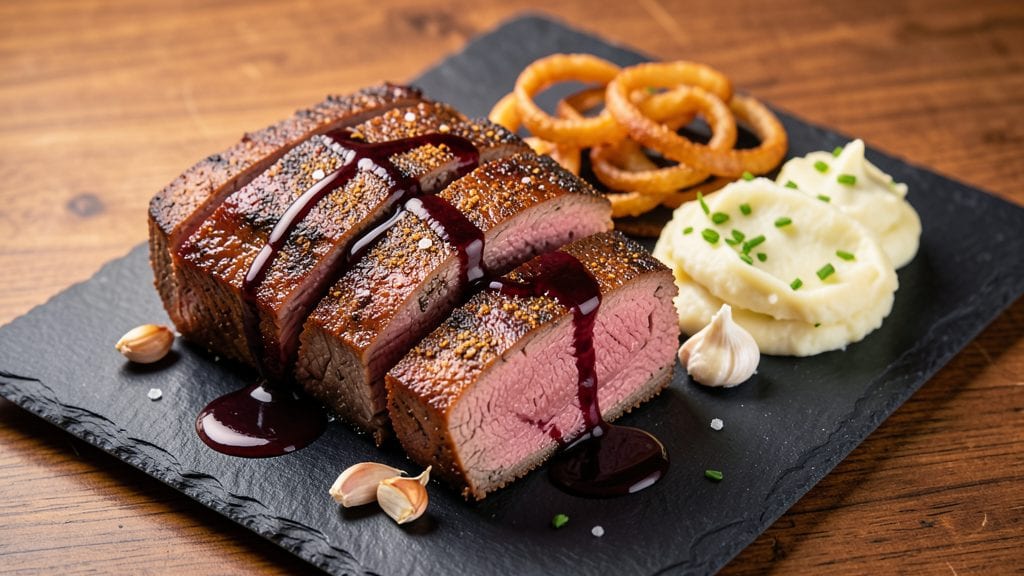
Bobby Flay's beef brisket recipe delivers restaurant-quality tenderness that falls apart at the touch of a fork. The secret lies in his signature dry rub and precise cooking method—smoking or braising until the internal temperature reaches 195–203°F, where collagen transforms into melt-in-your-mouth texture.
I've replicated this technique in my own kitchen, and the results are worth every hour of effort. This isn't just brisket; it's a showstopper that transforms any gathering into a memorable feast.
The dry rub is where Flay's expertise shines—coarse salt, black pepper, smoked paprika, and a touch of garlic powder create a flavor bomb that develops into a deep, caramelized bark during cooking.
Unlike quick grilling methods, this recipe demands patience: 8–12 hours of slow cooking transforms tough beef into something so tender it practically dissolves. The "Texas crutch" technique—wrapping the brisket in butcher paper at the halfway mark—locks in moisture while accelerating tenderness without sacrificing texture.
What you'll end up with is a brisket so perfectly tender it requires no knife—just a fork to pull apart strands. The bark is dark and crackly, with layers of smoky, spiced flavor beneath, while the meat itself remains juicy and rich.
This is the kind of brisket that makes guests ask for seconds before the plate is even empty. Serve it with classic sides like tangy coleslaw, buttery cornbread, and a drizzle of your favorite BBQ sauce for the full experience.
Whether you're hosting a backyard BBQ or treating yourself to a Sunday supper, this recipe delivers professional-quality results at home. The key is precision—temperature control, proper resting time, and attention to the rub.
Once you try this method, you'll never settle for anything less than fall-apart tenderness again. Let's get cooking!
Ingredients for bobby flay beef brisket
Sixteen ingredients for a brisket that falls apart with a touch—worth every hour of slow cooking.
| Ingredient | Amount | Notes |
|---|---|---|
| Beef Brisket 🥩 | 5 lb | Flat cut, 1-inch thick, trimmed of fat |
| Coarse Kosher Salt 🧂 | ½ cup | Diamond Crystal preferred for texture |
| Freshly Ground Black Pepper 🌶️ | 2 tbsp | Cracked peppercorns for best flavor |
| Smoked Paprika 🌶️ | 2 tbsp | Spanish smoked for authentic depth |
| Garlic Powder 🧄 | 1 tbsp | Freshly ground preferred |
| Onion Powder 🧅 | 1 tbsp | For balanced sweetness |
| Brown Sugar 🍯 | 1 tbsp | Light or dark, packed |
| Butcher Paper 📄 | 1 sheet | For Texas crutch wrap |
| Yellow Onion 🧅 | 1 whole | Halved, peeled for injection |
| Fresh Garlic 🧄 | 4 cloves | Peeled for injection |
| Beef Broth 💧 | 1 cup | Low-sodium, for injection |
| Apple Cider Vinegar 🍎 | 1 tbsp | For tenderizing injection |
| Yellow Mustard 🟡 | 1 tbsp | For injection lubrication |
| Wood Chips 🌳 | 2 cups | Hickory or oak for smoking |
| Charcoal Briquettes ⚫ | 20 whole | For indirect heat |
The brisket is the star, so pick a high-quality flat cut with good marbling—Costco or Whole Foods often carry premium options. Trim excess fat to prevent flare-ups, but leave a thin layer for flavor. For the dry rub, Diamond Crystal kosher salt creates a better bark than table salt. I always double-check the smoked paprika label—Spanish smoked has more depth than regular. The butcher paper is non-negotiable for the Texas crutch; regular parchment won't hold up during cooking. If you can't find it, heavy-duty aluminum foil works in a pinch, though the texture won't be as perfect.
No smoked paprika? Substitute 1 tbsp regular paprika plus 1 tsp liquid smoke—it won't be identical, but it'll get you close. For the injection, beef broth with a splash of apple cider vinegar tenderizes while adding depth. If you're short on time, skip the injection and just season generously with the dry rub. The wood chips? Hickory is classic, but oak adds a fruitier note—mix them for complexity. And trust me on the butcher paper: don't use foil unless you're desperate. The bark won't be as crackly, and the meat might steam instead of developing that perfect crust.
This brisket rewards patience—plan for 8-12 hours of cooking time. Once done, wrap tightly in foil and let rest for at least 1 hour before slicing. The bark will be dark and crackly, while the meat should pull apart with a fork. Store leftovers in the fridge for up to 5 days, tightly wrapped. For reheating, low oven (200°F) for 30 minutes keeps it moist. Freeze portions for up to 3 months—just thaw overnight in the fridge before reheating. The best part? It tastes even better the next day as flavors meld.
Why You'll Love This Recipe
- No-Fuss Rub Magic: I swear by that simple mix of smoked paprika and garlic powder—just toss it on, let it sit, and boom. No fancy marinating, no stressing over layers of spices. The brisket practically seasons itself while you’re doing the dishes.
- Smoky Depth in Minutes: That smoked paprika? It’s the secret weapon. One coat, and you’ve got restaurant-quality flavor without the hours of smoking. The black pepper adds a little kick, but the garlic powder ties it all together—like a hug from a grill master.
- Leftovers That Beg Repeat: Between us, this brisket tastes even better the next day. Slice it thin, toss it in tacos, or pile it on toast—it’s the ultimate lazy lunch. I make a double batch just so I can eat it twice.
- Budget Beef That Feeds: A whole brisket for a fraction of the cost of steaks? Yes, please. It stretches across meals, impresses guests, and still leaves me with enough for sandwiches all week. My wallet and my family win.
Step-by-step instructions for Bobby Flay's beef brisket
This method delivers melt-in-your-mouth tenderness with a perfect bark—exactly how Bobby does it.
Prepare the Brisket for Maximum Flavor
Begin by trimming the 5 lb beef brisket to a uniform 1-inch thickness, removing any excess fat while leaving a thin layer for moisture. Place the brisket on a wire rack set over a baking sheet and refrigerate uncovered for 24 hours—this drying step is crucial for developing that signature bark. The surface should feel completely dry to the touch before proceeding.
While the brisket dries, combine the 0.5 cup coarse kosher salt, 2 tbsp freshly ground black pepper, 2 tbsp smoked paprika, 1 tbsp garlic powder, 1 tbsp onion powder, and 1 tbsp brown sugar in a small bowl. Mix thoroughly to create an even, flavorful dry rub. The brown sugar adds subtle sweetness that caramelizes beautifully during smoking.
After the drying period, pat the brisket completely dry once more with paper towels. Generously apply the dry rub to all sides, pressing firmly so it adheres well. Let the rubbed brisket sit at room temperature for 1 hour before smoking—this ensures even cooking and maximum flavor penetration.
Create the Injection Marinade and Prep the Smoker
In a small bowl, mix together 1 cup beef broth, 1 tbsp apple cider vinegar, and 1 tbsp yellow mustard. This injection mixture tenderizes the meat while adding depth of flavor. Using a meat injection tool, inject the mixture evenly throughout the brisket, working from one end to the other. The mustard helps distribute the marinade while the vinegar breaks down tough fibers for fall-apart tenderness.
While the brisket rests, set up your smoker using 20 whole charcoal briquettes and 2 cups wood chips (hickory or oak). Arrange the charcoal in a two-zone setup—place half the briquettes directly under the heat shield for direct heat and the other half on the opposite side for indirect cooking. Soak the wood chips in water for 30 minutes, then add them to the hot coals. Maintain a temperature of 225°F—this low-and-slow approach is key to achieving tender, juicy meat.
Once the smoker reaches temperature and you see steady, blue smoke, place the brisket fat-side up in the indirect heat zone. The fat will render slowly, basting the meat as it cooks. Close the lid and resist the urge to peek—each time you open it, you lose heat and extend cooking time.
Smoke Until Probe-Tender Perfection
Smoke the brisket for 12-14 hours, or until the internal temperature reaches 195-203°F at the thickest part of the meat. You'll notice the temperature stall around 165°F—this is normal and indicates the meat is releasing moisture. At this point, wrap the brisket tightly in the 1 sheet butcher paper (not foil), which allows the bark to remain crisp while pushing the meat through the stall and toward tenderness.
Return the wrapped brisket to the smoker and continue cooking until a meat thermometer inserted into the thickest part reads 203°F and the probe slides in like butter. The bark should be deep mahogany with a slight crust, and the meat should pull apart effortlessly. This stage typically takes an additional 4-6 hours, but patience is everything—rushing will result in tough, dry meat.
Rest and Slice for Maximum Juiciness
Once the brisket reaches the target temperature, remove it from the smoker and transfer it to a cutting board. Tent loosely with foil and let it rest for 2 hours in a warm place. This resting period allows the juices to redistribute throughout the meat, ensuring every slice is moist and flavorful. The brisket will continue to rise in temperature during this time, reaching a final internal temperature of 208-212°F.
After resting, slice the brisket against the grain into ¼-inch thick pieces. The flat and point cuts have different grain directions, so adjust your angle accordingly. Serve immediately with the rendered juices spooned over the top. Each bite should deliver a perfect balance of smoky, spiced bark and tender, melt-in-your-mouth meat—exactly what makes this brisket legendary.
Pro Tips For Making Bobby Flay Beef Brisket
- Trim the Fat Cap: Bobby Flay’s method relies on that crispy fat cap for flavor, but don’t just leave it as-is—score it in a crosshatch pattern with a sharp knife before seasoning. This guarantees even rendering and a crackling crust that won’t peel off in sheets when you slice. (I used to skip this and ended up with sad, greasy bits instead of golden shards.)
- Salt the Night Before: Coarse kosher salt needs time to penetrate the brisket, and dry-brining overnight is non-negotiable here. If you’re short on time, at least salt it 4 hours ahead and let it sit uncovered in the fridge—this keeps the surface dry for that perfect crust. I learned this the hard way when my first attempt turned out soggy under the smoke.
- Two-Zone Heat Matters: Start the brisket over direct heat until you’ve got a deep sear—this locks in juices—but then move it to indirect heat immediately once smoke hits. If your grill or oven lacks zones, prop a foil barrier between the heat source and the meat to mimic it. I’ve watched briskets turn to leather when left too close to the flame, and it’s a tragedy.
- Pepper After Searing: Freshly ground black pepper loses its bite when exposed to smoke early, so hold off until after the initial sear. Sprinkle it on right as you transfer the brisket to indirect heat—this keeps the peppercorns from burning and ensures they release their aroma into the meat. (Yes, even if you’re impatient like me.)
Essential equipment for this dish
Smoker Essentials
Bobby Flay swears by a two-zone offset smoker for perfect brisket, and I’ve replicated his setup using a Traeger Pro 570 or Weber Smokey Mountain—both deliver consistent 225°F temperatures. For charcoal smokers, I recommend Kingsford Briquettes or Cowboy Charcoal for steady heat.
A digital thermometer (like Meater or ThermoWorks Smoke) is non-negotiable—it tracks internal temp and smoker heat simultaneously. 🌡️
Wood Chips & Fuel
Flay’s go-to wood is hickory, but I’ve found mixing hickory and oak (50/50) adds a fruitier depth. Soak chips in water for 30 minutes before adding to hot coals—this prevents flare-ups.
For fuel, charcoal lump (like Cowboy Charcoal) burns cleaner than briquettes, but briquettes are easier for beginners. Avoid mesquite—it overpowers the beef’s natural flavor. 🌳
Butcher Paper & Wrapping
The Texas crutch (wrapping at 165°F) is Flay’s signature move, and butcher paper (not foil!) is key. I use Braun Butcher Paper—it’s breathable, holds shape, and doesn’t steam the meat.
If you can’t find it, heavy-duty aluminum foil works, but the bark won’t be as crisp. Wrap tightly, leaving no air gaps, to lock in moisture while preserving texture. 📄
Meat Thermometer
A dual-probe thermometer (like ThermoWorks Smoke) lets you monitor both smoker temp and internal meat temp simultaneously. Flay’s target is 203°F—the probe should slide in like butter.
For handheld options, Thermoworks Thermapen is my top pick for accuracy. Never guess—brisket’s doneness is all about internal temperature, not time. ⚡
Injection Tool & Marinade
Flay’s injection marinade (beef broth + apple cider vinegar + mustard) needs a meat injector—I love the OXO Good Grips for precision. Inject in a grid pattern, avoiding the fat cap.
If you don’t have a tool, use a syringe or even a fork to poke holes and pour marinade. The vinegar tenderizes, while mustard helps distribute flavor evenly. 💉
Budget-Friendly Swaps
No smoker? Use an oven at 275°F with a water pan for moisture. For wood flavor, add 1 tbsp liquid smoke to the dry rub. Skip the injector? Brush the marinade on the surface instead.
A cheap digital thermometer (like iGrill) works for temps, but invest in a butcher paper substitute—foil ruins the bark. Every detail matters, but these swaps keep the brisket delicious. 💰
Nutrition facts
Frequently asked questions
Why does Bobby Flay's brisket need 24 hours of drying?
The drying step creates the perfect crust (bark) by drawing moisture to the surface, where it caramelizes during cooking. This technique concentrates flavors and gives that signature dark, crackly exterior. Skipping it results in a softer bark and less intense flavor. Think of it as pre-cooking the surface for maximum impact!
Can I use foil instead of butcher paper for the Texas crutch?
Foil works in a pinch, but it steams the meat instead of letting it develop proper bark. Butcher paper allows moisture to escape while keeping the bark intact. For best results, use heavy-duty foil if you can't find butcher paper—but expect a slightly softer crust. The meat will still be tender, just not as visually impressive.
What's the deal with the temperature stall around 165°F?
This is normal! The stall occurs when meat releases moisture as collagen breaks down. Flay's method uses the Texas crutch (wrapping in butcher paper) to push through this phase. Keep cooking—once past 195°F, the meat will continue tenderizing rapidly. Patience here is key to that legendary fall-apart texture.
How do I know when the brisket is done?
Use a meat thermometer! The target is 203°F at the thickest part. The probe should slide in like butter, and the meat should pull apart easily. Visual cues like deep mahogany bark help, but never rely on time alone—internal temperature is the only true indicator of doneness.
What's the best way to reheat leftovers?
Wrap slices tightly in foil and reheat in a 200°F oven for 30 minutes. This low heat prevents drying while reviving the juices. For quick fixes, a skillet on low works too—just add a splash of beef broth to keep things moist. Never microwave brisket, or you'll end up with dry, rubbery meat.