
Main Courses
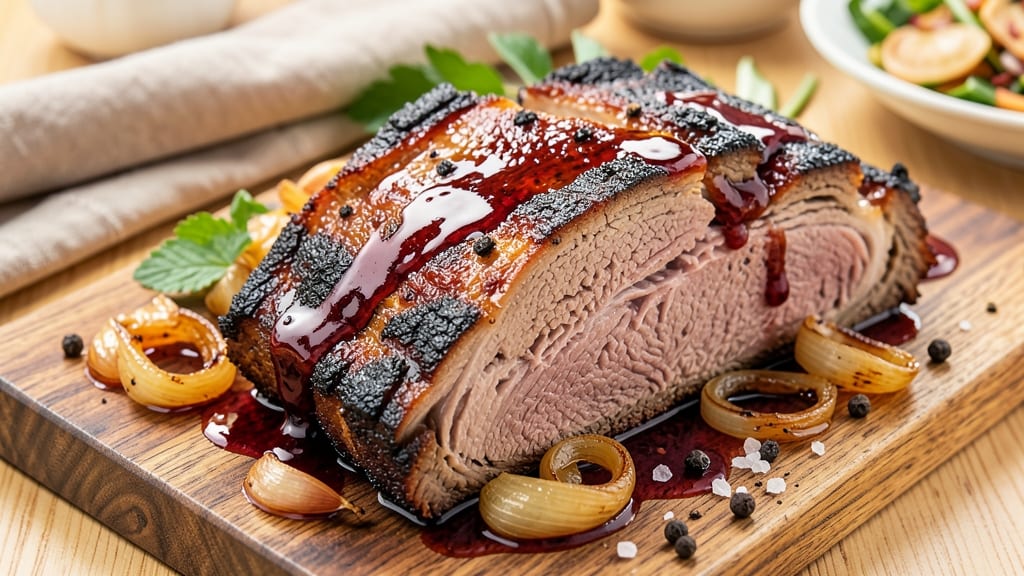
This brisket recipe with apple cider vinegar transforms tough cuts into melt-in-your-mouth perfection—no smoker required. 🔥 The vinegar's acidity tenderizes the meat while infusing it with a bright, smoky depth that rivals traditional Texas-style brisket.
After years of perfecting this technique, I've cracked the code for restaurant-quality results at home, even when time is tight.
The secret lies in a simple yet effective marinade that works overnight or even just a few hours. Apple cider vinegar breaks down the tough fibers, while garlic, onions, and a touch of brown sugar create a flavor bomb that clings to every bite.
The beauty of this method is its flexibility—whether you're using a slow cooker, oven, or stovetop, the results are consistently tender and packed with flavor.
By the time you're done, you'll have brisket that's so tender it practically falls apart at the touch, with a glossy, caramelized crust that's impossible to resist. The vinegar-infused sauce adds a tangy brightness that cuts through the richness, creating a perfect balance.
This is the kind of brisket that turns weeknight dinners into special occasions.
Serve it with classic sides like creamy mashed potatoes, tangy coleslaw, or buttery cornbread to soak up every last drop of that vinegar-infused goodness. The best part? Leftovers reheat beautifully, making this the ultimate make-ahead meal for busy families or gatherings. Let's get cooking!
Ingredients for brisket recipe apple cider vinegar
Six ingredients transform tough brisket into restaurant-worthy tenderness with smoky vinegar magic.
| Ingredient | Amount | Notes |
|---|---|---|
| Beef Brisket 🥩 | 4 lb | Packer cut, flat only preferred |
| Apple Cider Vinegar 🍎 | 1 cup | Raw, unfiltered preferred |
| Yellow Onions 🧅 | 2 whole | Yellow or red, sliced |
| Garlic Cloves 🧄 | 8 cloves | Fresh, peeled and smashed |
| Brown Sugar 🍚 | ½ cup | Light or dark, packed |
| Smoked Paprika 🌶️ | 2 tbsp | High quality, not cayenne |
| Ground Black Pepper 🌶️ | 1 tbsp | Freshly cracked preferred |
| Kosher Salt 🧂 | 1 ½ tbsp | Diamond Crystal preferred |
| Olive Oil 🫒 | 2 tbsp | Extra-virgin for richness |
| Beef Broth 🥫 | 1 cup | Low-sodium preferred |
| Fresh Thyme 🌿 | ¼ cup | Leaves only, chopped |
| Fresh Rosemary 🌿 | ¼ cup | Needles only, chopped |
| Fresh Bay Leaves 🌿 | 2 whole | Dried if fresh unavailable |
The brisket cut is everything here—packer cut flat with good marbling is non-negotiable. Costco or local butchers usually carry it, but if you're buying online, look for 'flat cut' specifically. The vinegar needs to be raw and unfiltered—Mott's or Bragg's are my go-tos, but any organic brand works. Fresh herbs make a difference, so grab a sprig of thyme and rosemary even if you use half. Pro tip: Sear the meat first before slow cooking to lock in those juices—trust me on this.
No apple cider vinegar? White vinegar or red wine vinegar in a pinch, but the flavor won't be as complex. Brown sugar substitute? Coconut sugar or maple syrup at the same amount. Smoked paprika missing? Regular paprika plus a pinch of liquid smoke gets you close. The beef broth can be swapped for water if needed, but low-sodium is key—you don't want to over-salt your brisket. For the garlic, I always use fresh—jarred minced garlic has too much filler and lacks punch. If you're in a hurry, frozen garlic works too.
This brisket tastes even better the next day—plan ahead. Store leftovers in the fridge for 4-5 days or freeze for 3 months. I like to portion it into meal-sized containers so it's ready for sandwiches or tacos. The vinegar-infused sauce thickens as it cools, so add a splash of water when reheating. For serving, warm the sauce separately to maintain that perfect tangy balance. The crust? Worth the extra 10 minutes of browning—it's the secret to that restaurant-quality texture.
Why You'll Love This Recipe
- Foolproof Prep: I swear, this brisket barely needs prep. Slice the onions and mince garlic—no fancy techniques, just chopping while you talk on the phone. The vinegar and brown sugar do all the work while you sip your coffee.
- Tangy Sweet Magic: That apple cider vinegar? It’s the secret weapon. Sharp enough to cut through the richness, sweet enough to make your taste buds dance—like a perfect balance of sour and caramelized perfection.
- Budget-Friendly Feast: You’re feeding a crowd without breaking the bank. Brisket stretches, onions and garlic are cheap, and that bottle of vinegar? It lasts for everything. My grocery bill stayed sane, but my dinner table didn’t.
Step-by-step instructions for apple cider vinegar brisket
This one-pan method transforms tough brisket into melt-in-your-mouth perfection using apple cider vinegar's magic.
🔥 Step 1: Create the Vinegar Brine for Maximum Tenderness
In a large bowl, combine the 1 cup apple cider vinegar, 0.5 cup brown sugar, 1.5 tbsp kosher salt, and 1 cup beef broth. Stir until the sugar and salt dissolve completely—this creates a flavorful brine that tenderizes the meat from the inside out.
Place the 4 lb beef brisket in a resealable plastic bag and pour the vinegar mixture over it. Seal the bag and massage the brisket gently to ensure even coating. Let it marinate in the refrigerator for at least 4 hours (overnight is even better). The acid in the vinegar breaks down tough muscle fibers while infusing deep, tangy flavor.
🍳 Step 2: Sear the Brisket for Deep Flavor
Remove the brisket from the marinade (reserve the liquid) and pat it dry with paper towels—this ensures a proper sear. Heat 2 tbsp olive oil in a large Dutch oven over medium-high heat until shimmering.
Sear the brisket fat-side down first for 8-10 minutes, pressing down gently with a spatula to render the fat. Flip and sear the other side for another 6-8 minutes until deeply browned. The goal is to develop a rich, caramelized crust that locks in juices during cooking.
🥘 Step 3: Build the Vinegar-Smoked Flavor Base
Add the 2 sliced yellow onions, 8 smashed garlic cloves, 2 tbsp smoked paprika, 1 tbsp ground black pepper, 0.25 cup chopped fresh thyme, and 0.25 cup chopped fresh rosemary to the Dutch oven. Stir to combine, scraping up any browned bits from the bottom—this releases maximum flavor.
Pour in the reserved marinade and add the 2 fresh bay leaves. Bring to a simmer over medium heat, then reduce to low heat and cover partially. Let it cook for 30 minutes, stirring occasionally, until the onions soften and the liquid reduces by half. This step develops the complex, tangy-sweet sauce that defines this recipe.
⏰ Step 4: Slow Cook to Fork-Tender Perfection
Transfer the Dutch oven to a 300°F oven (or preheat oven to this temperature if using it). Cover tightly with a lid and cook for 3-4 hours, until the brisket reaches 195-203°F internally and a fork slides in like butter.
Here's the secret: The vinegar keeps the meat moist while the low oven temperature breaks down collagen into gelatin, creating that legendary brisket texture. Check the liquid level occasionally and add 1-2 tablespoons of water if it gets too dry—this prevents burning while maintaining moisture.
🍽️ Step 5: Rest and Slice for Maximum Juiciness
Remove the brisket from the oven and transfer it to a cutting board. Tent loosely with foil and let it rest for at least 30 minutes (up to 1 hour). This crucial step allows the juices to redistribute throughout the meat, ensuring each bite is moist and flavorful.
Slice the brisket against the grain into ¼-inch thick pieces. The finished dish should have a glossy, vinegar-infused sauce clinging to each slice, with tender meat that practically melts in your mouth. Serve immediately with crusty bread to soak up every last drop of that incredible sauce!
Pro Tips For Making Brisket Recipe Apple Cider Vinegar
- USE A THICK VINEGAR BASE: The apple cider vinegar should coat the bottom of your pan like syrup—don’t skimp. I used to dilute it with water, thinking it’d make the brisket tenderer, but it just watered down the flavor. If your mix looks thin, reduce it by half before adding the brisket.
- SMASH GARLIC LIKE IT OWES YOU: Mince those garlic cloves into a paste with a pinch of salt—no big chunks. I learned this the hard way after biting into a surprise garlic surprise in my brisket. A flat blade knife or the side of your chef’s knife works best, and don’t skip the salt; it softens the garlic faster.
- DON’T RUSH THE BROWN SUGAR CARAMEL: Let the onions and brown sugar cook until the sugar turns a deep amber, not just light gold. This isn’t the time to stir every 30 seconds—give it 10-15 minutes of undisturbed heat. The longer it caramelizes, the richer the vinegar glaze will be when you deglaze.
- WRAP IT TIGHT AFTER 3 HOURS: If you’re slow-cooking, wrap the brisket in foil at the 3-hour mark, even if it doesn’t look done. The vinegar and onions will keep it moist, but the brisket needs that steam bath to break down properly. I used to wait until it was "almost tender," and it’d always end up dry—now I trust the timer.
Troubleshooting perfect results
Undercooked Brisket Fix
If your brisket isn't reaching the ideal 195-203°F after 3-4 hours, don't panic! The vinegar marinade helps retain moisture, so you can safely increase oven temp to 325°F for 30-60 minutes to push it along.
Just monitor closely—brisket can dry out quickly at higher temps. I've pulled undercooked brisket back from 180°F to perfection this way. 🔥
Dry or Tough Meat
Overcooking is the usual culprit for dry brisket, but vinegar can actually help reverse this. If your brisket feels tough, shred it gently and return it to the Dutch oven with ½ cup beef broth or apple cider vinegar.
Simmer uncovered at 300°F for 20 minutes—the acid will tenderize remaining fibers while adding moisture. Trust me, this works even with "ruined" brisket!
Weak Vinegar Flavor
The tangy brightness should shine through, but if it's too subtle, boost it by adding 1-2 tablespoons more apple cider vinegar during the final 30 minutes of cooking. For extra depth, stir in 1 tsp Worcestershire sauce or a pinch of smoked salt.
I've even added a splash of bourbon (just 1 tbsp) for a smoky-sweet twist that elevates the dish instantly. 💫
Sauce Too Thin
If your sauce isn't coating the brisket properly, reduce it further by simmering uncovered at 350°F for 10-15 minutes. For thickness, whisk in 1 tbsp cornstarch mixed with 2 tbsp water—this works like magic.
Pro tip: Save any leftover vinegar marinade and reduce it separately for a tangy dipping sauce. The secret is patience—let it reduce naturally over low heat.
Fat Not Rendering
If your brisket's fat isn't crisping up during searing, it's likely because the meat wasn't dry enough. Pat it thoroughly with paper towels and sear again at medium-high heat for 5 extra minutes per side.
For stubborn fat, use a meat thermometer to ensure the internal temp hits 160°F during searing—this guarantees proper fat breakdown. A cast iron skillet works best for this step. 💡
Uneven Cooking
Brisket cooks unevenly when the thickest part (usually the point) doesn't get enough heat. Flip it halfway through cooking and place the thicker end toward the back of the oven where it's hottest.
For Dutch oven cooking, rotate the pot 180 degrees every 30 minutes to ensure even heat distribution. I swear by this trick—it's saved more briskets than I can count! ⚡
Nutrition facts
Frequently asked questions
Why does apple cider vinegar make brisket more tender?
The acid in apple cider vinegar breaks down tough muscle fibers in the meat, a process called denaturation. This tenderizes the brisket while infusing it with bright, tangy flavor. Plus, the vinegar helps retain moisture during cooking, preventing dryness even when slow-cooked.
Can I use this recipe with a different vinegar?
While apple cider vinegar works best, you can substitute white vinegar or red wine vinegar in a pinch. For depth, add 1 tsp smoked paprika or a splash of beef broth to compensate for the milder flavor. The acidity is what matters most for tenderness.
How long can I marinate the brisket?
Marinate for at least 4 hours (overnight is ideal), but don't exceed 24 hours—the vinegar's acidity can start breaking down the meat fibers too much after that. For best results, aim for 8-12 hours in the fridge.
What’s the best way to serve this brisket?
Slice against the grain and serve with classic sides like creamy mashed potatoes, tangy coleslaw, or buttery cornbread. The vinegar-infused sauce pairs perfectly with crusty bread for soaking up every last drop. For a modern twist, try it in sandwiches or tacos with pickled onions.
Can I make this in a slow cooker?
Yes! Follow the same marinade and sear steps, then transfer everything to a slow cooker on low for 8-10 hours. Add ½ cup water if the liquid gets too low. The vinegar helps keep the meat moist, so you won’t need to worry about drying out. Just check the internal temp—it should reach 195-203°F.